
Clinically reviewed by Dr. Ponlawat Pitsuwan, Physician, Doctor Bangkok. Last reviewed: July 2026
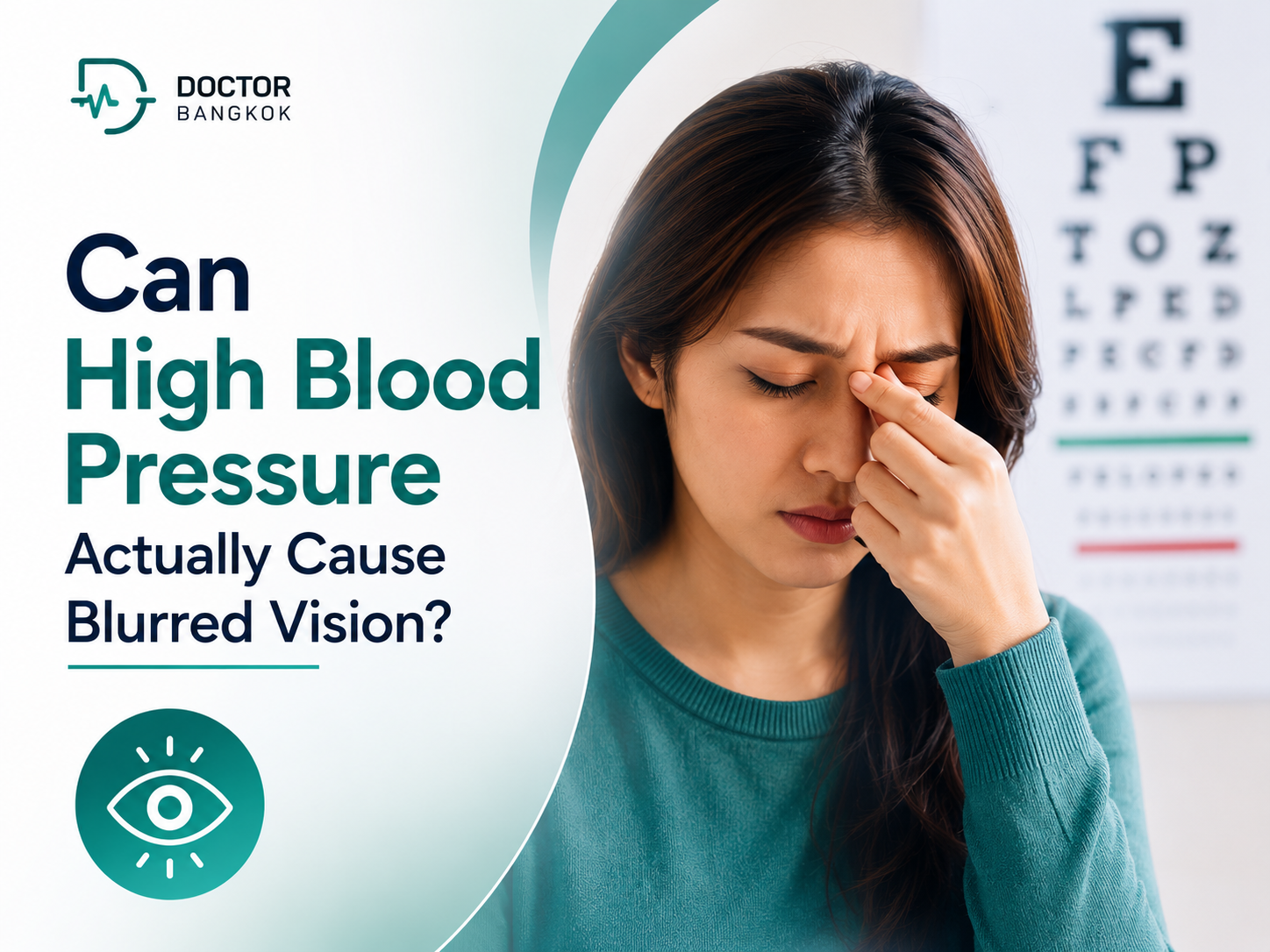
Yes, high blood pressure can cause blurred vision. Elevated pressure damages the small blood vessels supplying your retina and optic nerve. During a sudden spike, it can trigger serious vision changes that need same-day care. Getting your blood pressure checked is the first step.
If you have high blood pressure and your vision has been a little off lately, you are probably wondering whether the two are connected. The short answer is yes, they often are. High blood pressure is one of the most common and most overlooked causes of gradual vision problems in adults, and it can do real damage long before you notice any symptoms.
Many patients come to Doctor Bangkok after months or years of uncontrolled blood pressure, only to find out their eyes have quietly been taking the hit. This article explains what symptoms matter and when to stop waiting and get checked.

Yes, High Blood Pressure Can Cause Blurred Vision
The connection is real and well-established. High blood pressure puts constant strain on the small blood vessels throughout your body, including the ones inside your eyes. When those vessels are under too much pressure for too long, they start to thicken, narrow, and leak. Your retina, the light-sensitive layer at the back of your eye, depends entirely on those vessels. When they are damaged, your vision suffers.
This does not always happen suddenly. Most of the damage builds slowly over months or years. That is what makes high blood pressure so dangerous for your eyesight: you may feel completely fine while the damage is already happening.
What High Blood Pressure Does to Your Eyes
The retina is the part most commonly affected. Persistent high pressure causes the tiny retinal arteries to stiffen and narrow, reducing blood flow and starving parts of the retina of oxygen. These changes show up on an eye examination before any symptoms appear.
The layer of blood vessels behind the retina, called the choroid, can also be affected. Damage here can cause fluid to leak under the retina, distorting your central vision. In more severe cases, the optic nerve becomes swollen. This is a serious sign that needs emergency care.

Four Eye Conditions Linked to High Blood Pressure
Hypertensive Retinopathy
This is the most common. It ranges from mild vessel narrowing with no symptoms at all, to retinal bleeding and swelling that causes real vision loss. Early stages are completely silent. That is why an eye check matters even when your vision feels normal.
Hypertensive Choroidopathy
This affects the layer of vessels behind the retina. Fluid leaks under the retina and blurs or distorts central vision. It tends to appear with more acute or severe blood pressure spikes rather than slow, long-term elevation.
Hypertensive Optic Neuropathy
When blood pressure is severely elevated, the optic nerve can swell. This is a late and serious sign. Some of the vision loss from optic nerve damage may not recover, even with good blood pressure control afterwards.
Retinal Vein Occlusion
High blood pressure is one of the main risk factors for a retinal vein becoming blocked. When that happens, blood and fluid back up into the retinal tissue. You may notice sudden blurring, floaters, or a dark patch in your vision, usually in one eye. This needs prompt assessment.
Symptoms to Watch For
Symptoms That Warrant a Same-Week Check
Gradual blurring that has developed over weeks or months is worth taking seriously. So are floaters, which are spots or threads drifting across your vision, or a sense that your vision is dimmer than it used to be. Double vision that comes and goes, or difficulty focusing, also belongs in this category. None of these are emergencies on their own, but they should not be ignored.
Symptoms That Need Same-Day or Emergency Care
Sudden vision loss in one or both eyes is an emergency. So is sudden severe blurring alongside a bad headache, nausea, confusion, or chest pain. This combination can point to a hypertensive crisis, where blood pressure has risen to a dangerous level and the optic nerve or brain is under threat. Go to an emergency department or contact a clinic immediately for triage.
When Blurred Vision Becomes a Hypertensive Emergency
A hypertensive crisis means blood pressure has spiked above 180/120 mmHg with signs of organ damage. When the eyes are involved, you may experience sudden blurring, vision loss, or see halos and flashing lights. The optic nerve may be swollen.
This is not a situation for a routine appointment. If you are in Bangkok and experiencing sudden vision changes with a severe headache or any neurological symptoms, go to an emergency department. If your symptoms are less acute and you are unsure, contact Doctor Bangkok and we can help assess whether you need the ER or a same-day clinic review.
Can the Blurred Vision Be Reversed?
It depends on how long the damage has been building and how severe it is. Early-stage retinal changes often improve once blood pressure is well controlled, though this can take weeks to months. Some of the functional vision loss does improve as the vessels recover.
Longer-standing damage is a different story. Retinal scarring, significant optic nerve damage, and blocked retinal veins tend to leave permanent changes. The vision lost from these does not always return, even with good blood pressure control. Catching and treating high blood pressure before the eyes are severely affected is far more effective than trying to reverse damage that has already set in.
Managing High Blood Pressure in Bangkok
Hypertension is common in Thailand. Thai Hypertension Society guidelines target blood pressure below 140/90 mmHg for most adults. Many expats manage their blood pressure well at home and then let things lapse after moving to Bangkok: new routine, new diet, skipping medication refills, not knowing where to go.
Home blood pressure monitoring is straightforward and inexpensive here. Pharmacies across Bangkok sell reliable digital cuffs. But a home reading is only part of the picture. You also need someone to review your readings, check your medication, and confirm whether your current regimen is actually working.
How Doctor Bangkok Assesses and Manages High Blood Pressure
At Doctor Bangkok, a blood pressure assessment starts with a proper consultation, not just a reading. We review your history, current medications, and any symptoms you have been experiencing, including visual ones. If your blood pressure is elevated and you have vision symptoms, we will refer you to an ophthalmologist for a dilated eye examination, which lets a specialist look directly at the retinal vessels.
For ongoing management, we work with expats and long-term residents to get blood pressure properly controlled and monitored. Prescriptions, follow-up checks, and specialist referrals are all available from our clinic in central Bangkok, a short walk from the BTS. You can read more about how we manage hypertension and other chronic conditions on our services page.
A Note on Blood Pressure Medications and Vision
Some patients on blood pressure medication notice vision changes after starting or switching treatment. Certain beta-blockers can cause dry eyes, which leads to blurring. Some diuretics briefly affect focus by changing fluid balance. If your vision changed after a medication adjustment, mention it at your next appointment. It is often easy to address.
Have high blood pressure or unexplained blurred vision in Bangkok? Doctor Bangkok’s English-speaking physicians can check your blood pressure, review your symptoms, and refer you for a dilated eye exam if needed. We are centrally located and BTS accessible. Book at doctorbangkok.co.th or visit our hypertension and chronic conditions page to learn more.
Frequently Asked Questions
Can blurred vision from high blood pressure go away on its own?
It depends on the cause. If your vision blurred during a temporary spike, it may settle once your pressure comes back down. If there is underlying retinal damage from prolonged high blood pressure, that does not resolve on its own, so get checked rather than waiting to see.
How do I know if my blurred vision is a hypertensive emergency?
The red flag combination is sudden severe blurring or vision loss alongside a bad headache, nausea, confusion, or chest pain. That points to a hypertensive crisis and needs an emergency department, not a routine clinic visit. If you are unsure, contact a clinic for immediate triage guidance.
Can high blood pressure damage your eyes before you notice symptoms?
Yes, and this is the part most people miss. Early retinal changes from high blood pressure are visible on an eye examination before any blurring or visual disturbance appears. Regular blood pressure monitoring and periodic eye checks matter even when you feel completely fine.
What blood pressure level causes blurred vision?
There is no single threshold. Chronic elevation above 140/90 mmHg causes gradual retinal vessel damage over time. An acute spike above 180/120 mmHg can trigger sudden vision changes. Either way, persistently elevated readings need to be treated.
As an expat in Bangkok, where should I go for high blood pressure and vision changes?
For gradual or mild vision changes with known high blood pressure, a private GP clinic is the right starting point. Doctor Bangkok can assess your blood pressure, review your history, and refer you to an ophthalmologist if your eyes need a closer look. For sudden severe vision loss with a headache, go straight to an emergency department.
Can my blood pressure medication be causing my blurred vision?
It is possible. Some beta-blockers can cause dry eyes, which produces blurring, and some diuretics temporarily affect focus by altering fluid balance. If vision changes started or worsened after a medication change, raise it with your doctor. It is worth reviewing and often straightforward to address.
Dr. Ponlawat Pitsuwan
Physician, Doctor Bangkok
a private medical clinic in central Bangkok. He sees expats, residents, and medical tourists for chronic condition management including hypertension, general health assessments, and symptomatic consultations. His focus is straightforward, evidence-based care delivered in plain language.
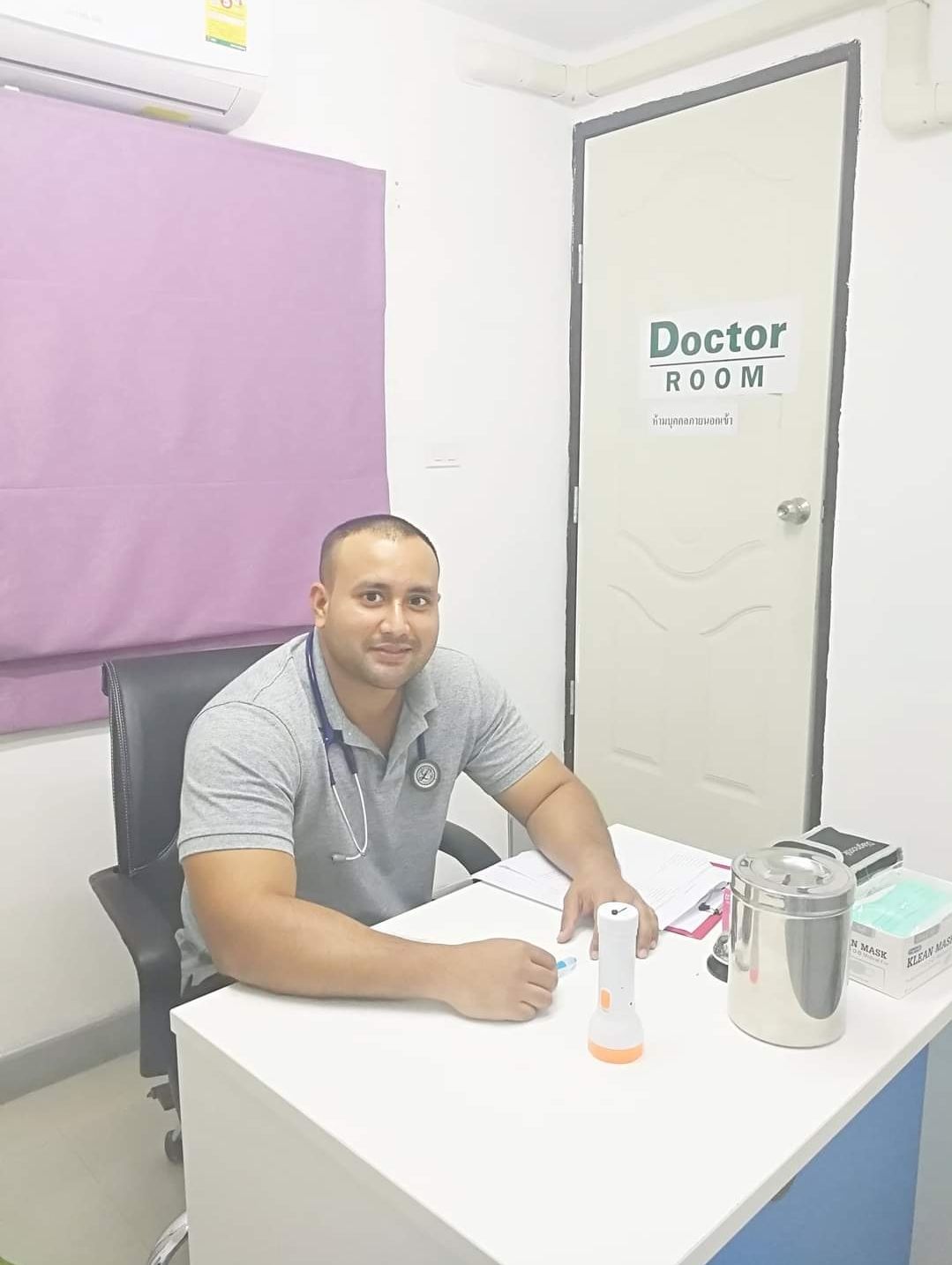
Dr. Ponlawat Pitsuwan is a physician at Doctor Bangkok, a private clinic in central Bangkok. He sees expats, residents, and medical tourists for general medicine, wellness consultations, and IV therapy. His focus is straightforward, evidence-based care delivered in plain language.