

Clinically reviewed by Dr. Ponlawat Pitsuwan, Physician, Doctor Bangkok. Last reviewed: September 2026
A CVA, or cerebrovascular accident, is what most people call a stroke. The warning signs include sudden facial drooping, arm weakness, slurred speech, severe headache, loss of balance, and vision changes. In Bangkok, call 1669 immediately if you or someone nearby shows any of these signs. Do not wait to see if it passes. Time lost is brain lost.
A patient came in last year, two days after his face went numb and his speech scrambled for about twenty minutes. He put it down to stress. It was a TIA, a transient ischemic attack, which is the brain’s clearest warning before a full stroke. Those two days mattered.
If you are reading this because something felt wrong, or because someone nearby scared you, stay with me. Here is exactly what a CVA feels like, what separates it from other things, and what to do right now if you are in Bangkok.

The BE-FAST Signs of a CVA
BE-FAST covers the signs I go through with every patient. B is for balance: sudden stumbling, loss of coordination, or feeling like the ground shifted. E is for eyes: sudden blurred or double vision, or losing sight in one eye without warning.
F is for face: one side drooping, a lopsided smile, or numbness on one side. A is for arms: one arm drifting down when both are raised, or sudden weakness in one hand. S is for speech: slurred words, speaking nonsense, or not being able to find words at all. T is for time: the moment you spot any of these, note the exact time and call 1669.
The time detail is not a formality. Clot-dissolving treatment has a narrow window. Every minute counts in a way that is almost never true for other conditions.
Other Signs and Symptoms of CVA That Often Get Missed
Most people know the face and arm signs. Fewer know the rest.
A sudden severe headache is one of the most important. Not one that builds over an hour. A thunderclap, the worst headache of your life, arriving in seconds. This is a classic sign of a hemorrhagic stroke, where a blood vessel has ruptured inside the brain.
Sudden confusion, difficulty swallowing, or being unable to understand what someone is saying can all be CVA symptoms. Numbness down one entire side of the body, arm, leg, and face together, is also a red flag. These all warrant the same response: call for help immediately.

CVA vs TIA: Why the Difference Matters
A TIA feels identical to a stroke. The difference is that a TIA resolves, usually within minutes to a few hours, without lasting damage. That resolution is what makes it dangerous. People assume they are fine.
They are not fine. A TIA means something is seriously wrong with blood flow to the brain. The risk of a full stroke is highest in the first 48 hours after a TIA. If your symptoms resolved and you feel normal now, that is not a reason to wait. That is a reason to be seen today.
At Doctor Bangkok, I can run an initial assessment, check your blood pressure, review your cardiovascular risk, and refer you to a stroke specialist if the picture calls for it.
How CVA Symptoms Vary by Brain Region
Not all strokes look the same. The brain has different regions doing different jobs, and the signs depend on which area is affected.
A stroke in the cerebral hemisphere, the front or side of the brain, typically causes weakness or numbness on the opposite side of the body. A left-hemisphere stroke usually produces right-sided arm weakness and speech problems. A right-hemisphere stroke often causes left-sided weakness and can affect spatial awareness.
A stroke in the cerebellum or brainstem looks completely different. The main signs are severe dizziness, nausea, vomiting, and loss of coordination, often with no facial drooping or arm weakness at all. This type is frequently missed because it can look like a bad inner ear problem or food poisoning. If dizziness is sudden, severe, and new, take it seriously.
Atypical CVA Symptoms in Women
This is something I want every woman reading this to know, because it is genuinely under-recognised.
Women can have all the classic BE-FAST symptoms, but they are also more likely to present with signs that do not fit the standard list. Sudden extreme fatigue. Hiccups that will not stop. Nausea, chest pain, or shortness of breath. A sudden shift in behaviour or confusion that seems to come from nowhere.
These atypical signs lead to delayed diagnosis. The patient, and sometimes the treating clinician, attributes them to anxiety, exhaustion, or a stomach problem. Women are diagnosed with stroke later than men on average, which directly affects outcomes. If something feels suddenly and dramatically wrong and you cannot explain it, do not dismiss it because it does not match the classic picture.
Bangkok-Specific Risk Factors Expats Should Know
Bangkok adds risk factors I rarely see addressed elsewhere, and they matter for people living here long-term.
The heat is a real factor. Chronic mild dehydration in Bangkok’s climate makes blood slightly thicker and more prone to clotting. Most expats are not drinking enough. In the wrong patient, especially someone with atrial fibrillation or a narrowed artery, that dehydration can tip blood flow into dangerous territory.
Many expats arrive with undiagnosed high blood pressure or high cholesterol. They were managing it through their GP at home, they moved, and the routine checks stopped. The high-salt content in Thai food is well known, and alcohol consumption in the expat social scene is often heavier than it was back home. These things accumulate quietly. If you have not had your blood pressure, lipids, or heart rhythm checked since arriving, that is worth fixing.
What to Do in Bangkok If You Suspect a CVA
Call 1669. That is Thailand’s emergency ambulance number. Save it in your phone now.
While waiting for help, do not give the person food or water. Keep them calm and still. Note the exact time symptoms started. If they lose consciousness, place them on their side.
Bangkok hospitals with dedicated stroke units include Bumrungrad International, Samitivej Sukhumvit, and Bangkok Hospital on Petchaburi. These are equipped to give clot-dissolving treatment within the required time window if the patient qualifies. The clock starts from symptom onset, not from hospital arrival.
If you are uncertain whether what you are seeing is a stroke, call or come in to Doctor Bangkok. I can assess you immediately, run an ECG and blood pressure check, and coordinate emergency referral if the clinical picture points that way.
How Doctor Bangkok Can Help You Reduce Your Stroke Risk
If you have not had a stroke but you are worried about your risk, that is exactly the right time to come in. Not after something happens.
The most modifiable risk factors for CVA are high blood pressure, high cholesterol, atrial fibrillation, diabetes, and smoking. All of these can be identified through a standard health screen. I can check your blood pressure on the day, order a lipid profile, run a fasting glucose, and do a 12-lead ECG to look at heart rhythm. Atrial fibrillation found on an ECG is a finding that can significantly change your stroke risk, and it needs follow-up.
For patients already on blood pressure or cholesterol medication, regular monitoring still matters. Bangkok’s lifestyle, the food, the heat, the sleep disruption, can shift your numbers meaningfully from what they were at home. A general consultation is the simplest way to know where you actually stand.
If you had a neurological symptom that resolved, or if you have not had a cardiovascular risk check since moving to Bangkok, come and see us. Doctor Bangkok offers same-day general consultations, blood pressure monitoring, ECG, and lipid screening in central Bangkok. We are BTS accessible, with English-speaking physicians. We can assess your stroke risk, manage existing conditions, and refer you directly to a stroke specialist if needed. Walk in or book online at doctorbangkok.co.th.
Frequently Asked Questions
Dr. Ponlawat Pitsuwan
Physician, Doctor Bangkok
a private medical clinic in central Bangkok. He sees expats, residents, and medical tourists for general medicine, cardiovascular risk screening, neurological triage, and chronic condition management. His approach is evidence-based care delivered in plain language.
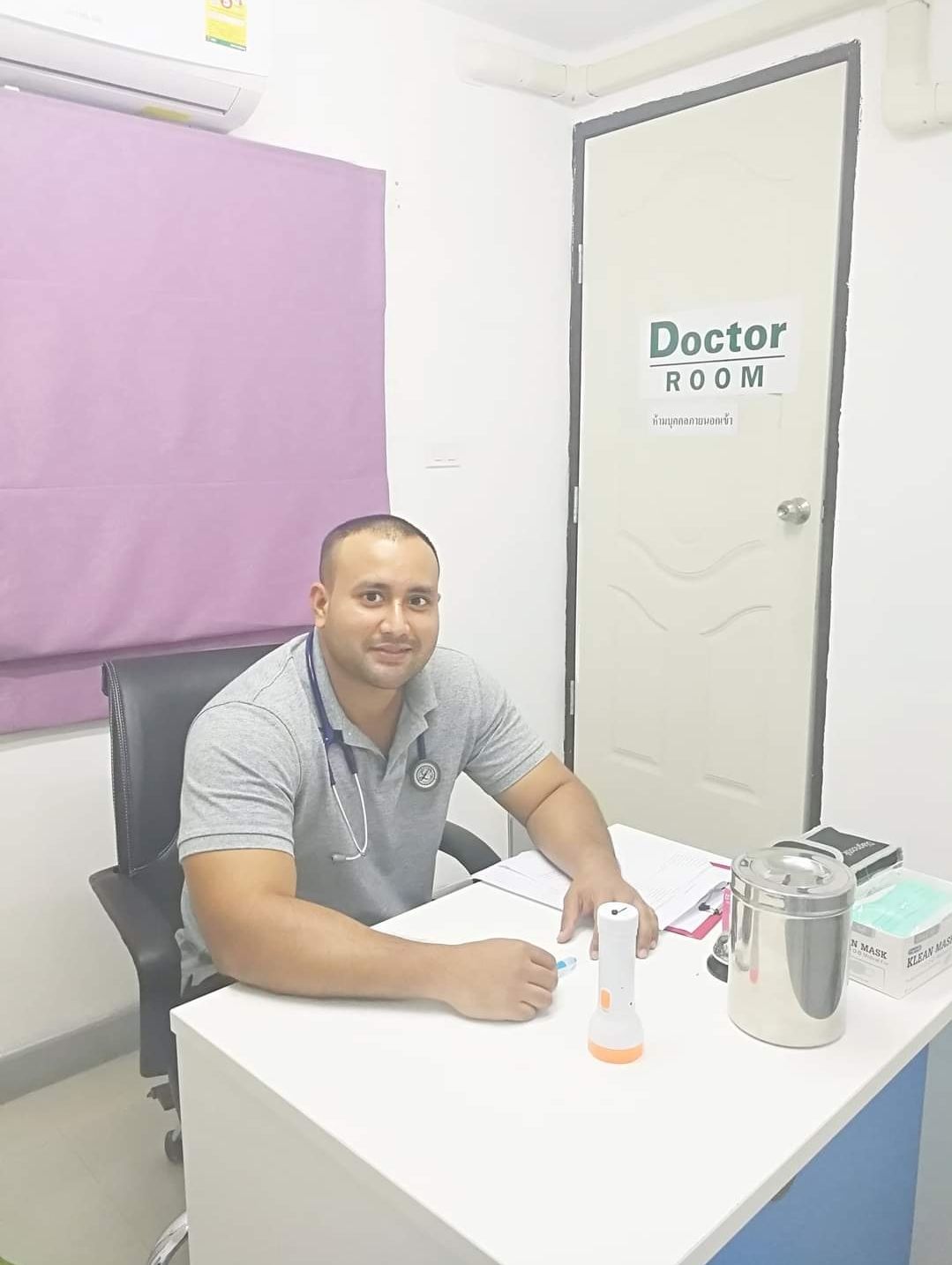
Dr. Ponlawat Pitsuwan is a physician at Doctor Bangkok, a private clinic in central Bangkok. He sees expats, residents, and medical tourists for general medicine, wellness consultations, and IV therapy. His focus is straightforward, evidence-based care delivered in plain language.