
Clinically reviewed by Dr. Ponlawat Pitsuwan, Physician, Doctor Bangkok. Last reviewed: July 2026
Healthy eating in Bangkok is not about following a perfect diet. It is about making consistent choices in a food environment that can work against you. Choose broth-based Thai soups, lean proteins, and vegetables over sauce-heavy stir-fries and coconut milk curries. Drink more water than you think you need. Get a blood panel once a year so you know where you actually stand.
If you have been living in Bangkok for a few months, you already know the food environment here is nothing like back home. Cheap, delicious, available at midnight from a street stall for less than a coffee costs in London. That is one of the best things about this city, and also one of the reasons I see expats whose blood results tell a story they were not expecting.
The good news is that healthy eating in Bangkok is genuinely achievable. Thai food at its core is built around vegetables, fresh herbs, lean proteins, and broth. The problems are specific and avoidable. This article tells you what actually matters, what you can ignore, and when your diet is a reason to see a doctor.

What Healthy Eating Actually Means
There is a lot of noise about diet online. Superfoods, cleanses, cutting carbs entirely. Most of it does not matter as much as the fundamentals, and the fundamentals are not complicated.
You need enough protein to maintain muscle and keep you full. You need fibre from vegetables, fruit, and whole grains to support digestion and stable blood sugar. You need healthy fats, not a fat-free diet. You need to limit added sugar, excess sodium, and highly processed food.
That is genuinely most of it. What trips people up in Bangkok is not ignorance of these basics. It is applying them in a food environment they do not fully understand yet.
Navigating Thai Street Food — What to Choose and What to Watch
Thai street food is not inherently unhealthy. The issue is specific dishes and preparation methods, not the entire cuisine.
Hidden sugar is the biggest one. Pad Thai sauce, oyster sauce, sweet chilli, and most stir-fry bases contain significant added sugar. Sodium is the other concern. Thai cooking relies heavily on fish sauce, soy sauce, and seasoning powders. If you are eating three street meals a day, it adds up fast.
Coconut milk curries are calorie-dense. That does not mean you can never eat green curry. It means eating it daily is different from eating it twice a week.
What to Order More Often
Broth-based soups are your best friend. Tom Yum, Tom Kha with less coconut milk, and clear noodle soups are filling, high in vegetables, and lower in calories than stir-fry dishes. Som Tum is high in fibre and vitamins, though the version with fermented crab carries food safety risks worth knowing about.
Grilled proteins like moo ping or grilled chicken are a strong choice. Ask for steamed rice instead of fried rice when you can. Morning glory stir-fried with garlic is one of the healthiest sides on any street menu.

The Expat Diet Trap — What I See in My Clinic
There is a pattern I see regularly. Expats arrive eating fairly well. Life gets busy, the social scene takes over, and gradually they are eating processed Western imports from the supermarket, drinking more than they planned to, and ordering delivery most nights.
Alcohol is a major dietary issue for expats here and it rarely gets named directly. Regular drinking adds significant empty calories, disrupts sleep, raises triglycerides, and makes it harder to maintain any consistent eating pattern. If your diet is not working, alcohol is often the variable people are not accounting for.
Convenience eating from Villa Market and Tops is not a disaster on its own, but it brings high sodium, refined carbohydrates, and preservatives into a diet that Thai food otherwise does not impose. A lot of expats eat Thai food for lunch and imported processed food for dinner, and that combination is where things go wrong.
Hydration in Bangkok — Why It Matters More Than You Think
Bangkok’s heat and humidity change your hydration needs significantly. You lose water and electrolytes faster than you would in a temperate climate, even sitting still.
Two litres of water a day is a reasonable baseline for a mild European winter. In Bangkok, it is not enough for most people. I tell patients to aim for around three litres on an average day and more if they are exercising or spending time outside. Dehydration here tends to be subtle and chronic. It shows up as fatigue, headaches, poor concentration, and hunger that is actually thirst.
Coconut water is genuinely useful in this climate because it replaces electrolytes including potassium. If you have had diarrhoea or a fever, oral rehydration salts are more effective. If you are severely depleted, IV drip therapy rehydrates you directly and faster than oral fluids can manage.
Gut Health After Illness — Rebuilding Your Diet Post-Food Poisoning
Food poisoning is common in Bangkok. Som Tum with fermented crab, raw shellfish, and anything left in the heat too long are the usual causes. After a bad bout, your gut lining is irritated and your gut bacteria are disrupted.
Start simple: plain rice, boiled chicken, banana, plain toast. Avoid dairy, spicy food, raw vegetables, alcohol, and street food until you have been symptom-free for at least 24 hours. Probiotics can support recovery, particularly after antibiotic treatment.
Do not rush back to normal eating just because the acute symptoms have passed. If diarrhoea continues beyond 48 hours, or you have blood in your stool, a fever, or signs of dehydration, come in rather than waiting it out.
When to See a Doctor About Your Diet
Most people do not see a doctor about their diet until something has already gone wrong. A blood pressure reading at a pharmacy. Fatigue that will not lift.
A wellness blood panel tells you things your diet cannot hide. Fasting blood glucose and HbA1c show your blood sugar trend over time. A lipid panel shows your cholesterol and triglycerides. Liver function tests can flag early changes that are common in people who drink regularly or eat a high-calorie diet. Thyroid function is worth checking if you have unexplained fatigue and weight changes.
At Doctor Bangkok, we offer same-day blood testing with English-speaking physician review. No large Thai hospital system to navigate, no weeks-long wait. If your results show something worth addressing, we will talk through it in plain terms and give you a practical plan that works in Bangkok.
Practical Healthy Eating in Bangkok — What Actually Helps
Shop at fresh markets when you can. Or Tor Kor Market near Mo Chit and local wet markets sell fresh vegetables and proteins at low prices. Gourmet Market and Tops have a reasonable fresh produce section on Sukhumvit.
Cook some of your own food, even a few times a week. It is the fastest way to control sodium, oil, and portion size. A rice cooker and a portable induction hob will handle most of what you need.
For delivery, Japanese set meals, Vietnamese noodle soups, and grilled protein bowls are consistently better choices than Western fast food. Know your defaults and default to them.
Concerned your diet is affecting your health? Doctor Bangkok offers same-day wellness blood panels covering cholesterol, blood sugar, and liver function, reviewed by an English-speaking physician. We also provide IV drip therapy for dehydration and GP consultations for general dietary health concerns. BTS accessible, central Bangkok. Walk in or book at doctorbangkok.co.th.
Is Thai street food healthy for expats living in Bangkok?
It can be, yes. Dishes like Tom Yum, Som Tum, and stir-fried morning glory are high in vegetables and reasonably lean. The main issues are hidden sugar in sauces, high sodium from fish sauce, and saturated fat in coconut milk curries. Choosing broth-based soups and grilled proteins more often than sauce-heavy stir-fries makes a real difference over time.
How do I know if my diet is affecting my health?
A wellness blood panel is the most direct answer. Fasting blood glucose, HbA1c, a lipid panel, and liver function tests all reflect your dietary pattern over months. Doctor Bangkok offers same-day blood testing with physician review, so you get real information rather than guessing.
What should I eat after food poisoning in Bangkok?
Start with plain rice, boiled chicken, banana, and plain toast. Stay off dairy, spicy food, alcohol, and street food until you have been symptom-free for a full day. If diarrhoea continues beyond 48 hours, you have a fever, or you see blood, come in rather than waiting it out.
Do I need to drink more water in Bangkok than back home?
Yes, significantly more. Bangkok’s heat means you lose fluid and electrolytes through sweat even at rest. Most people do well on three litres a day as a baseline here. Headache, fatigue, and constant hunger are often dehydration in disguise.
Can a GP in Bangkok give me nutrition and diet advice?
A GP consultation at Doctor Bangkok can review your blood results, identify diet-related risks, and give you practical guidance on blood sugar, cholesterol, and weight. We are a general practice rather than a specialist dietitian service, but we can address most dietary health questions and refer you on where needed.
What blood tests should I get to check my nutritional health?
At minimum: fasting blood glucose, HbA1c, a full lipid panel, liver function tests, and thyroid function. If you are concerned about anaemia or vitamin deficiency, a full blood count and iron studies are worth adding. All are available at Doctor Bangkok with results typically the same day.
Dr. Ponlawat Pitsuwan
Physician, Doctor Bangkok
a private medical clinic in central Bangkok. He sees expats, residents, and medical tourists for general health concerns, wellness screening, dietary health assessment, and preventive medicine. His focus is straightforward, evidence-based care delivered in plain language.
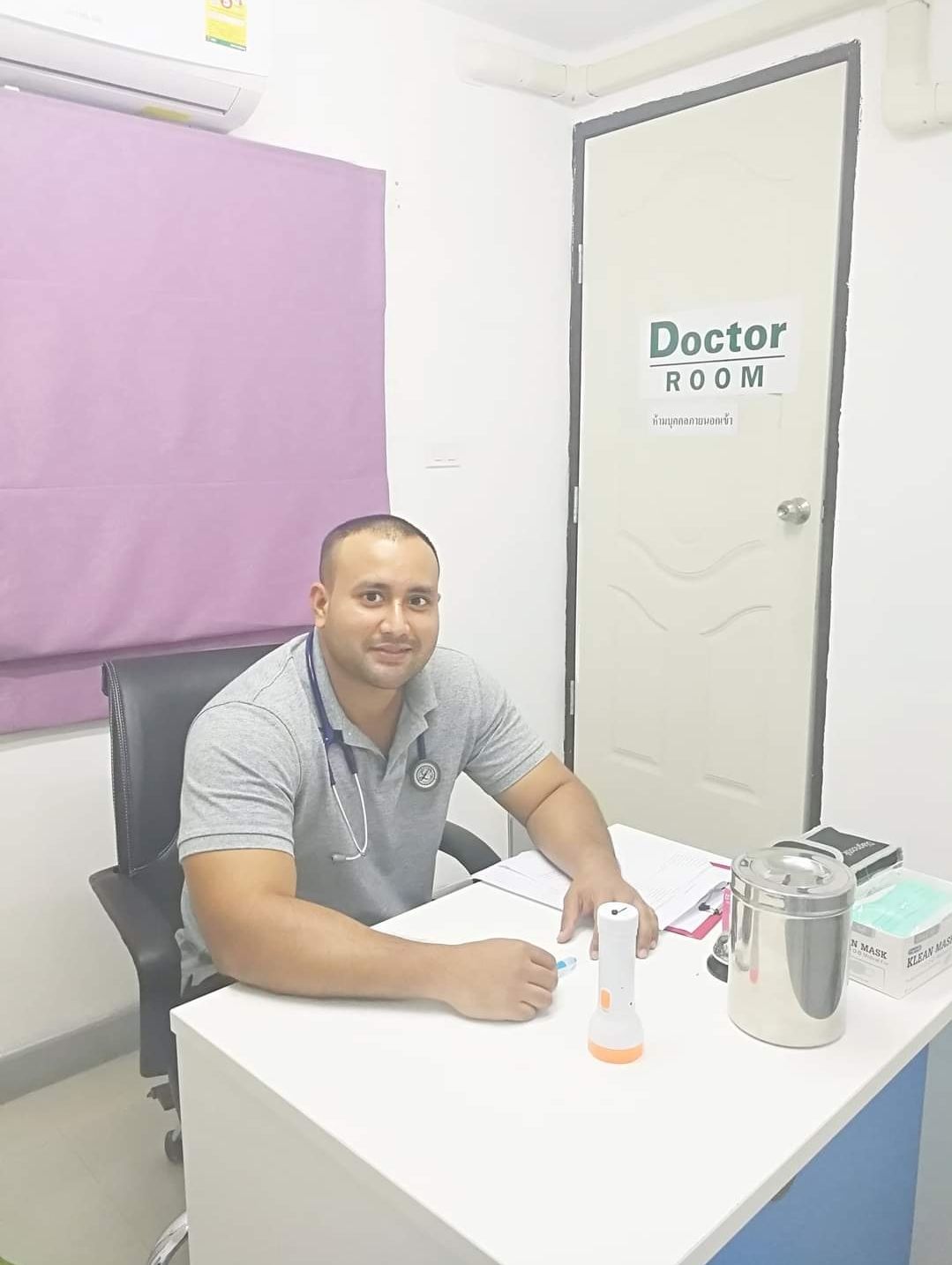
Dr. Ponlawat Pitsuwan is a physician at Doctor Bangkok, a private clinic in central Bangkok. He sees expats, residents, and medical tourists for general medicine, wellness consultations, and IV therapy. His focus is straightforward, evidence-based care delivered in plain language.