
Clinically reviewed by Dr. Ponlawat Pitsuwan, Physician, Doctor Bangkok. Last reviewed: July 2026
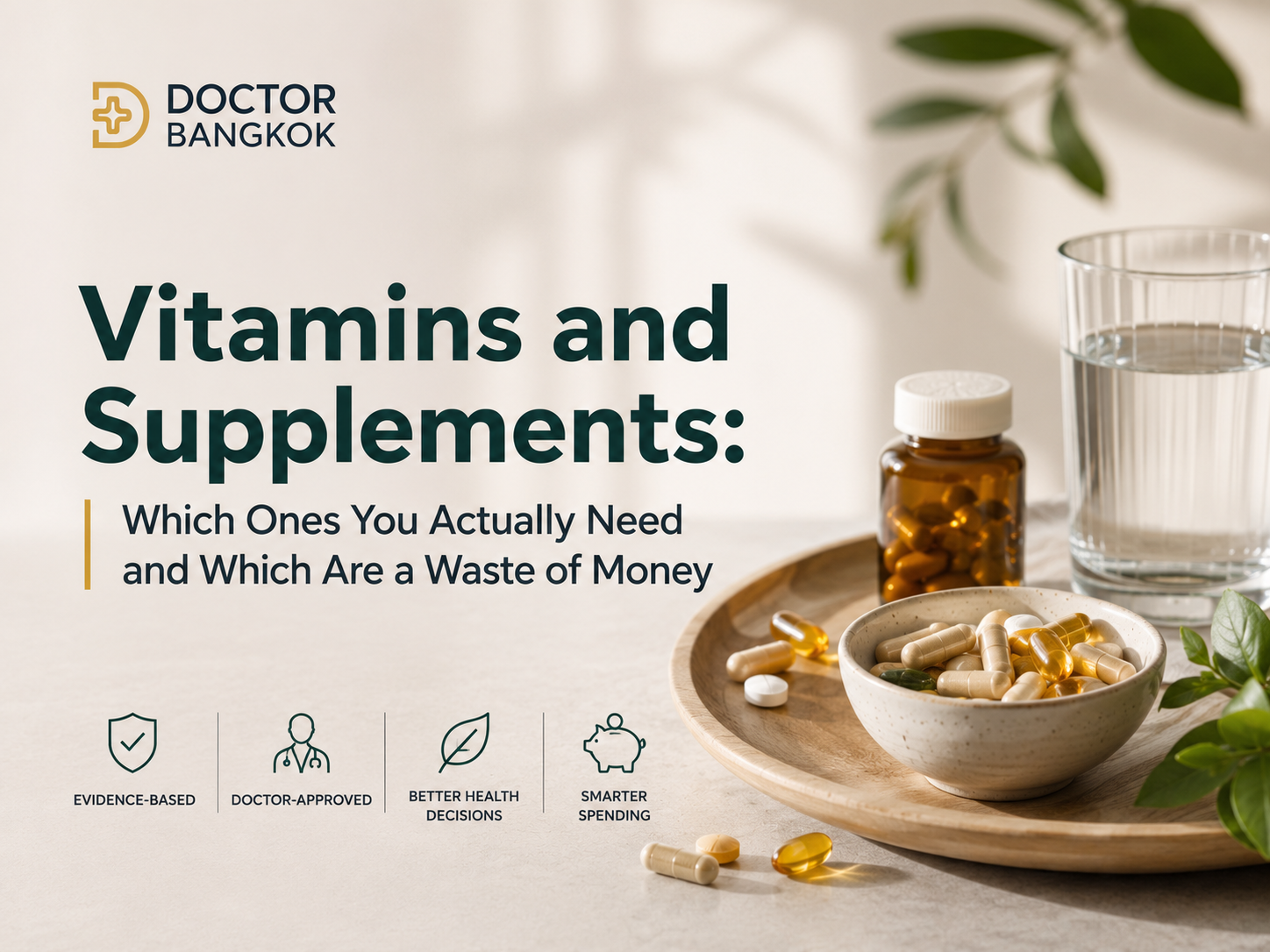
Most healthy adults do not need a full shelf of supplements. But some deficiencies are genuinely common in Bangkok, especially vitamin D, B12, magnesium, and iron, and they are easy to miss without a blood test. The smartest thing you can do before spending money on supplements is get tested first. A simple blood panel tells you what you actually need, and what you can skip.
If you have ever stood in a Bangkok pharmacy staring at forty different supplement bottles with no idea where to start, you are not alone. I see this constantly with expats. They arrive, feel run-down after a few weeks, assume they need something, and end up buying a bag of products that may or may not help.
The honest answer is that most people are taking the wrong supplements for the wrong reasons. What works depends entirely on what you are actually deficient in. The only way to know that is to test, not guess. This guide covers which supplements have real evidence behind them, which ones are largely a waste of money, and how to find out what your body actually needs before you spend a single baht.

Why Living in Bangkok Changes Your Nutritional Needs
Most supplement guides are written for people in London or Minnesota. Bangkok is a different situation. The heat, the food, and the lifestyle all affect what your body needs and how well it absorbs nutrients.
When you sweat heavily every day, you lose more than water. Magnesium and electrolytes leave with that sweat. If you have recently been sick, taken antibiotics, or had gut issues after travel, your ability to absorb nutrients drops. If you are eating more local food than before, your intake of certain nutrients shifts too. These are real factors that matter when deciding what to take.
The Bangkok Paradox: Vitamin D Deficiency in a Sunny City
This is the one that surprises people most. You are living somewhere with sun year-round, and yet research published in Thai medical literature shows that between one-third and nearly two-thirds of Bangkok adults are vitamin D deficient or low.
The reason is simple. Most people here live indoors. Air-conditioned offices, covered walkways, the BTS, malls, taxis. You avoid the midday sun because it is brutal. You use sunscreen. By the time you are outside, it is often morning or evening, when UV levels are too low to trigger vitamin D production. Your skin tone also affects how efficiently you produce vitamin D from sun exposure.
Low vitamin D affects your energy, your immune system, your mood, and your bone health. I recommend a 25-hydroxyvitamin D blood test for almost every expat who comes to me feeling flat and tired. It is one of the most commonly flagged results I see. If your level is low, supplementing with vitamin D3 is strongly evidence-supported.

Supplements With Genuine Evidence Behind Them
Not everything on the pharmacy shelf is useless. Some supplements have solid, consistent evidence across multiple studies. These are worth taking, but only if you actually need them.
Vitamin D3 is at the top of that list for the reasons above. Vitamin B12 matters if you eat little or no meat, or if you are over 50, since absorption naturally declines with age. Ferritin and folate are important for anyone who menstruates and for women planning pregnancy. Omega-3 fatty acids from fish oil have strong evidence for cardiovascular benefit, particularly for people who eat little oily fish. Magnesium is often low in people who sweat a lot, drink heavily, or live with ongoing stress, and deficiency can contribute to poor sleep, muscle cramps, and low energy.
Probiotics are reasonable in people who have recently been through illness, antibiotics, or travel-related gut disruption. The evidence is moderate, not dramatic, but they are not a harmful choice in that context.
Supplements That Are Largely a Waste of Money
I tell patients this regularly because they deserve honesty. High-dose vitamin C does not prevent colds in healthy people. The evidence is weak. High-dose vitamin E and beta-carotene supplements have been associated with harm in some studies, particularly in smokers. Collagen supplements are heavily marketed, but the evidence that oral collagen reaches your skin intact and delivers what the label claims is limited.
Generic multivitamins are a mixed bag. If you eat a reasonably varied diet, you are likely not deficient in most of what is in that pill. You pay for a dozen nutrients and absorb a fraction of them. If you are deficient in one or two specific things, a targeted supplement is far more efficient.
Most "immune boost," "detox," or "energy blend" products are not supported by strong clinical evidence. The ingredients that do have evidence tend to appear in small doses, and proprietary blends rarely tell you what concentration you are actually getting.
Bangkok-Specific Nutritional Gaps Expats Often Miss
Beyond vitamin D, a few others come up consistently. Magnesium is probably the second most common low result I see on blood panels, and daily sweating in the heat is the main reason. Western diets typically do not replace it well.
Iron deficiency, particularly in women, often goes undetected because people attribute the fatigue to heat and adjustment. B12 deficiency creeps up slowly, especially in people who have shifted toward more plant-based eating or who eat less red meat than they did back home. Fatigue, brain fog, and tingling in the hands or feet are symptoms people brush off for months.
If you have been in Bangkok for a while and feel consistently tired or foggy despite sleeping enough and staying hydrated, please do not just buy a supplement. Come in and get tested first. You might be spending money on something you do not need while missing something you do.
Supplements That Can Interact With Medications
Most supplement guides skip past this part. Some supplements have real interactions with medications, and taking them together can cause problems.
High-dose fish oil can increase bleeding risk in anyone on blood thinners like warfarin. St John’s Wort, sold as a natural mood supplement, reduces the effectiveness of antidepressants, oral contraceptives, and several other medications. Calcium blocks thyroid medication absorption if taken at the same time. Fat-soluble vitamins, particularly A, D, E, and K, can build up to harmful levels with high-dose supplementation over time, because your body stores rather than excretes them.
If you are on any regular medication and considering supplements, run it by a doctor first. At Doctor Bangkok, a wellness consultation includes reviewing your medications and supplement plan together, not as an afterthought.
Testing First: How to Know What You Actually Need
The most valuable thing you can do before buying anything is a targeted blood test. I mean a focused deficiency panel that checks the nutrients most commonly low in this population, not a full hospital workup.
The markers I recommend most often are 25-hydroxyvitamin D, serum B12, ferritin, folate, and magnesium. A full blood count adds useful information about iron-deficiency anaemia and overall health. Fat-soluble vitamins like D, A, E, and K can be harmful if you supplement when your levels are already normal. You cannot tell which nutrients you need by how you feel. Testing is the only way to be precise.
At Doctor Bangkok, a wellness blood panel covering these key markers can be done on the same day as your consultation, with results back quickly.
When Oral Supplements Are Not Enough
For most people, oral supplementation works well enough. But there are situations where it does not. If your gut is not absorbing nutrients properly, whether from recent illness, prolonged antibiotic use, or significant dietary disruption, oral supplements may not be fully absorbed.
IV nutrient therapy delivers vitamins and minerals directly into the bloodstream, bypassing the gut entirely. Absorption is near 100%, compared to the variable and often much lower rates you get from oral supplements. It is not a long-term replacement for a good diet or targeted oral supplementation. But for correcting a deficiency quickly, recovering after illness, or restoring energy during a period of high demand, it works faster.
Doctor Bangkok offers physician-supervised IV drip therapy including B12, high-dose vitamin C, magnesium, and Myers’ Cocktail formulas. Every drip is administered by a doctor. This matters because IV therapy carries small risks, and having a physician present is the right standard of care.
A Practical Starting Point for Bangkok Residents
Here is what I actually tell patients who ask me where to begin. Stop buying things based on what a pharmacist recommended or what you read in a wellness article. Start with a blood test. Find out your actual levels. Then supplement only for what is genuinely low, using a good-quality product at an appropriate dose.
If you are an expat who has recently arrived in Bangkok, or you have been here a while and feel consistently off, a wellness consultation is a reasonable first step. We test what matters, explain the results in plain language, and give you a clear personalised plan. You can find out more about what is included in our wellness services at Doctor Bangkok.
Tired of guessing which vitamins and supplements you actually need? At Doctor Bangkok, we offer same-day blood testing covering vitamin D, B12, iron, folate, magnesium, and more, alongside physician-supervised IV drip therapy for fast, effective nutrient delivery. Our English-speaking doctors are BTS accessible in central Bangkok. Book a wellness consultation at doctorbangkok.co.th or visit us to get tested before you spend another baht on supplements.
FAQ
Do I really need vitamin D supplements if I live in sunny Bangkok?
Yes, and this surprises most people. A large proportion of Bangkok adults are vitamin D deficient despite living in a tropical city, because most people spend their days indoors in air-conditioned spaces and avoid the midday sun. Brief outdoor exposure in the morning or evening is rarely enough to maintain healthy levels. Get your 25-hydroxyvitamin D level tested before supplementing, which Doctor Bangkok can include in a standard wellness blood panel.
What blood tests should I ask for before buying supplements?
The most useful panel covers 25-hydroxyvitamin D, serum B12, ferritin, folate, magnesium, and a full blood count. These catch the most common deficiencies in this population and help you avoid supplementing nutrients you do not need, which matters particularly for fat-soluble vitamins like A and D that can accumulate to harmful levels. Doctor Bangkok’s wellness consultation includes access to all of these in a single visit.
Which supplements are generally a waste of money?
High-dose antioxidant blends, generic multivitamins taken without evidence of deficiency, most detox and immune boost proprietary blends, and oral collagen supplements all have weak evidence for healthy adults. If you eat a varied diet and are not deficient in anything specific, most of what is in a standard multivitamin passes through unused. Test first, then supplement only what is actually low.
Can supplements interfere with medications I am already taking?
Yes, and this is more common than people realise. Fish oil can increase bleeding risk with blood thinners, St John’s Wort reduces the effectiveness of antidepressants and oral contraceptives, and calcium can block thyroid medication absorption if taken together. If you are on any regular medication, have a doctor review your supplement plan before you start. This is a routine part of a wellness consultation at Doctor Bangkok.
What is IV vitamin therapy and is it better than oral supplements?
IV nutrient therapy delivers vitamins and minerals directly into the bloodstream, so absorption is near 100% compared to the variable and often lower rates you get from oral supplements. It is not a replacement for good nutrition or long-term oral supplementation, but it is genuinely useful for correcting deficiencies quickly, recovering after illness, or when gut absorption is compromised. Doctor Bangkok offers physician-supervised IV drips including B12, vitamin C, magnesium, and Myers’ Cocktail formulas.
Is it safe to buy supplements over the counter in Bangkok pharmacies?
Most reputable Bangkok pharmacies stock internationally recognised brands that are broadly safe, but quality control and dosing accuracy can vary, especially with cheaper local brands. The bigger risk is not safety but effectiveness: taking something at the wrong dose, in the wrong form, or for a deficiency you do not actually have. A doctor-guided approach with prior blood testing is always more reliable than pharmacy guessing.
I have been tired since moving to Bangkok. Should I just start taking supplements?
Please do not start there. Persistent fatigue in Bangkok expats has many possible causes, including vitamin D deficiency, low iron, low B12, disrupted sleep, or something unrelated to nutrition entirely. Taking a supplement without knowing why you are tired may delay finding the real cause. Come in, get a blood test, and get a clear answer first. It is a much better use of your time and money.
Dr. Ponlawat Pitsuwan
Physician, Doctor Bangkok
a private medical clinic in central Bangkok. He sees expats, residents, and medical tourists for general health consultations, nutritional deficiency assessment, wellness blood testing, and IV drip therapy. His focus is straightforward, evidence-based care delivered in plain language.
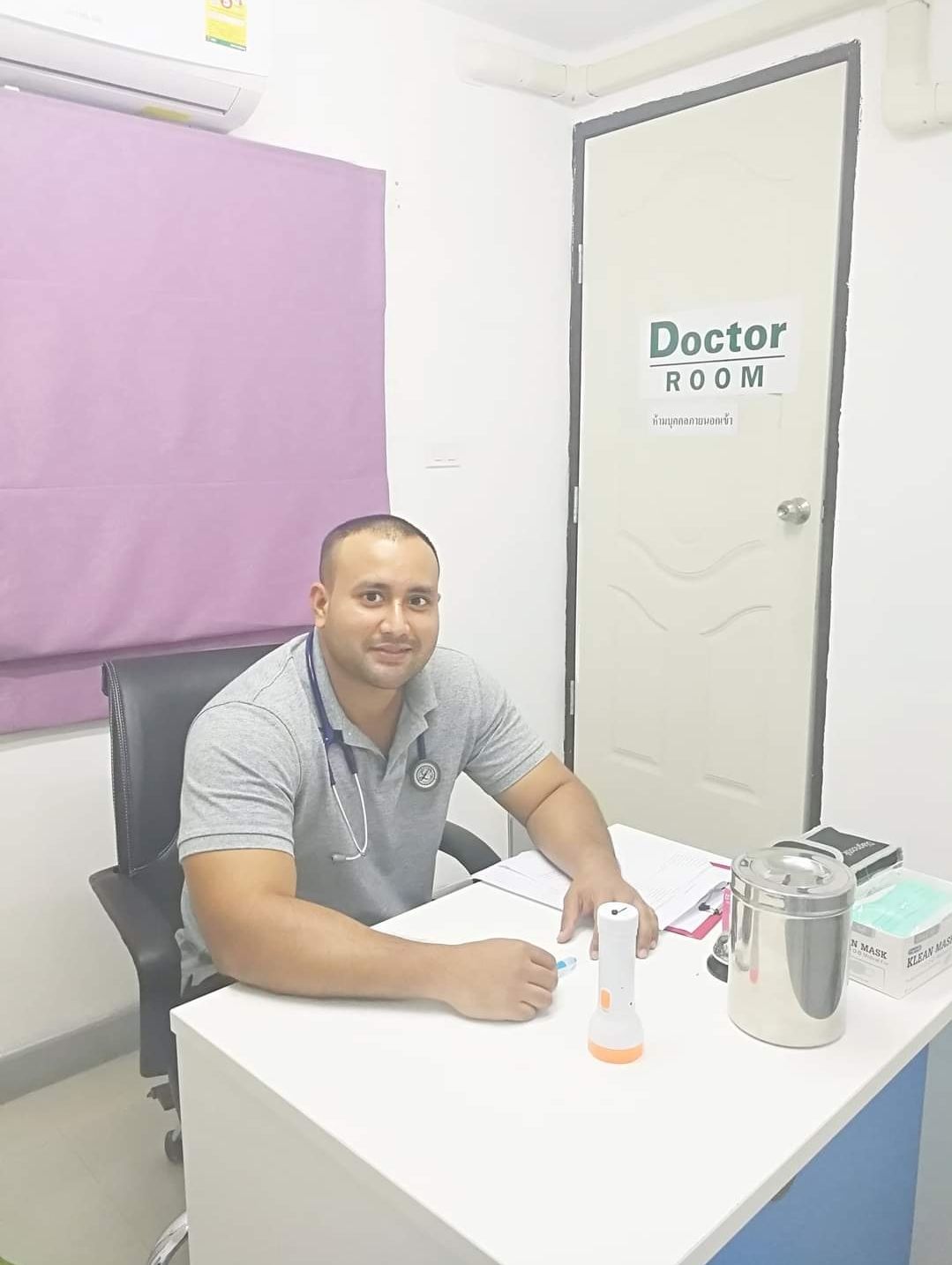
Dr. Ponlawat Pitsuwan is a physician at Doctor Bangkok, a private clinic in central Bangkok. He sees expats, residents, and medical tourists for general medicine, wellness consultations, and IV therapy. His focus is straightforward, evidence-based care delivered in plain language.