
Clinically reviewed by Dr. Ponlawat Pitsuwan, Physician, Doctor Bangkok. Last reviewed: July 2026
Saturated fat is the biggest dietary driver of high LDL cholesterol, and it is found in far more everyday foods than most people realise. In Bangkok, coconut milk curries, deep-fried street food, and sweetened drinks are among the most common culprits. Cutting back on these foods can lower your LDL meaningfully within a few weeks. A lipid panel blood test is the only way to know where you actually stand.
A lot of people come into my clinic having eaten Thai food every day for months, feeling fine, and then a routine blood test shows their LDL is high. They are surprised. They thought they were eating well. The problem is that some of the most common foods in Bangkok, coconut-heavy curries, fried street snacks, and sweetened drinks, are exactly the things that push LDL up.
LDL is the cholesterol that builds up inside artery walls. High LDL over time raises your risk of heart attack and stroke. The good news is that diet makes a real difference, and for most people, a few targeted changes are enough to move the numbers. This article covers the main foods that raise LDL, with Bangkok-specific examples that most generic guides completely miss.

Why LDL Cholesterol Matters
LDL is often called bad cholesterol because it deposits along the inside of blood vessel walls. Over time, those deposits narrow the arteries. The narrower the artery, the harder your heart has to work, and the higher your risk of a heart attack or stroke.
HDL cholesterol works the other way. It helps carry cholesterol away from the arteries. What you eat affects both numbers. The goal is to lower LDL and maintain or raise HDL.
Saturated Fat Is the Main Problem
This is the one that matters most. Saturated fat raises LDL more than almost anything else you eat. It is found in fatty cuts of meat, full-fat dairy, butter, ghee, and in very high amounts in coconut products.
The American Heart Association notes that replacing saturated fat with unsaturated fat can meaningfully reduce cardiovascular risk. The effect shows up on a follow-up lipid panel within weeks.
Red Meat and Processed Meats
Fatty cuts of beef, pork belly, and lamb are high in saturated fat. Processed meats, bacon, sausages, salami, and Thai-style pork sausage like sai krok, are often worse. They combine saturated fat with high sodium, which adds its own cardiovascular risk.
What I tell patients is to think about frequency more than total elimination. Having moo krob once a month is very different from having it three times a week.
Full-Fat Dairy
Cheese, cream, butter, and full-fat milk all contain saturated fat. In Bangkok, this often shows up as butter-heavy pastries at café chains, or condensed milk stirred into coffee and tea every day.
That sweetened condensed milk in your cha yen is not just sugar. It carries saturated fat too. It is one of the small daily habits that quietly moves the numbers in the wrong direction.

The Hidden Cholesterol Trap in Thai Cuisine
This is the section most cholesterol guides skip entirely, and it is the one that matters most if you live in or visit Bangkok.
Coconut Milk Curries and Gatee Sauces
Coconut milk is very high in saturated fat. Coconut cream, known as gatee, is even more concentrated. Green curry, massaman curry, tom kha, and many Thai desserts all use substantial amounts. For someone eating Thai food daily, this is the single biggest dietary LDL driver I see in clinic.
Coconut milk is not poison. But having a bowl of green curry every day is not the same as an occasional treat. Frequency is everything here.
Deep-Fried Street Food and Reused Cooking Oil
Pah-tong-go, fried spring rolls, fried chicken from street stalls: these are all cooked in oil. At many street stalls, that oil is reused many times over. Reused oil at high heat forms oxidised fats, which are particularly damaging to arteries. This is a risk no Western cholesterol guide mentions, but it is relevant every day in Bangkok.
I am not telling you to avoid street food entirely. I am telling you to be realistic about how much fried food you eat each week.
Trans Fats Are Worse Than Saturated Fat
Trans fats raise LDL and lower HDL at the same time. That is a double hit on your cardiovascular risk. They come from partially hydrogenated vegetable oils and appear in some commercially baked goods, cheap margarine, and certain snack products.
Thailand has restricted trans fats in food production, but they still appear in some imported packaged products and budget baked goods. Check labels. If you see "partially hydrogenated" anything in the ingredients, put it back.
The Sugar and Refined Carb Link Most People Miss
High sugar intake raises triglycerides, another blood fat that contributes to cardiovascular risk. It also drives insulin resistance over time, which worsens the overall cholesterol picture.
In Bangkok, the sugar load is significant. Thai iced tea, bubble tea, fresh juice with added syrup, sweetened soy milk, and fruit smoothies can each carry more sugar than a can of soda. People drink these daily without thinking of them as a health risk. They are.
Refined carbohydrates like white bread, instant noodles, and very large portions of white rice have a similar effect. Rice itself is not the problem. Very large portions with no vegetables or protein to slow absorption is.
What About Eggs and Shellfish?
I get asked about eggs constantly. For most healthy people, dietary cholesterol in eggs has a much smaller effect on blood LDL than saturated fat does. Current evidence, including guidance from the NHS and American Heart Association, supports eggs in moderation as part of a healthy diet.
The bigger issue is what you fry them in. Eggs fried daily in butter or palm oil pick up significant saturated fat. Boiled or poached eggs are a genuinely good protein source.
Shellfish like shrimp are similar. They contain dietary cholesterol but are low in saturated fat. For most people they are fine. If you have been told you have familial hypercholesterolaemia, a genetic condition that affects how your body clears cholesterol, your doctor may advise stricter limits. That conversation needs to happen one on one.
The White Meat Misconception
A lot of people switch from red meat to chicken thinking that solves the problem. It helps, but only if you are eating skinless chicken cooked without much added fat. One well-cited study published in the American Journal of Clinical Nutrition found that high consumption of white meat raised LDL similarly to red meat. Switching from beef to chicken does not give you a free pass.
Smarter Swaps for a Bangkok Diet
You do not have to overhaul your entire diet. Small, consistent changes matter more than perfection.
| Instead of this | Try this |
|---|---|
| Coconut milk curry (daily) | Tom yum or tom saap (clear broth) |
| Fried rice with pork | Jasmine rice with stir-fried vegetables and tofu |
| Thai iced tea with condensed milk | Unsweetened green tea or black coffee |
| Deep-fried pah-tong-go | Fresh fruit or a boiled egg |
| Crispy pork belly (moo krob) | Grilled fish or steamed chicken |
| Butter-heavy café pastries | Oats with fruit |
| Full-fat coconut desserts | Fresh papaya or mango without sweetened sticky rice |
Adding foods that actively lower LDL also helps. Oats, beans, and lentils are high in soluble fibre, which slows cholesterol absorption. Fatty fish like salmon or mackerel support healthy triglyceride levels. Some fortified foods contain plant sterols, which have reasonable evidence behind them for modest LDL reduction.
When Diet Is Not Enough
For some people, dietary changes alone will not get LDL to a safe level. This is especially true for people with familial hypercholesterolaemia, where the body produces too much cholesterol regardless of what you eat. It is more common than most people realise, and many people have it without knowing.
If you have made real dietary changes for three months and your LDL is still high, that is a conversation to have with a doctor. Medication, most commonly statins, has strong evidence behind it for cardiovascular risk reduction. Needing it is not a failure. It is just biology.
When to Get Your Cholesterol Checked in Bangkok
If you have not had a lipid panel in the last few years, now is a good time. Most guidelines suggest adults with no known risk factors check every four to six years from age 20. If you have a family history of heart disease, high blood pressure, diabetes, or if you smoke, every one to two years is more appropriate.
Expats in Bangkok are one of the most underscreened groups I see. Many have not had a health check since leaving their home country. A lipid panel at Doctor Bangkok is a simple blood draw, and results are typically ready the same day or the next morning. No referral is needed, and English-speaking doctors are available throughout. You can find cholesterol screening and wellness checks as part of our standard health packages or as a standalone test.
Concerned about your cholesterol after reading this? At Doctor Bangkok, we offer walk-in lipid panel testing with same-day or next-day results. Our English-speaking doctors can review your numbers and give you a clear plan, whether that is dietary changes, monitoring, or further investigation. Located in central Bangkok and BTS accessible. Book at doctorbangkok.co.th/wellness/ or walk in.
FAQ
Does coconut milk raise LDL cholesterol?
Yes, it does. Coconut milk is high in saturated fat, and coconut cream is even more concentrated. If you are eating coconut-based curries or desserts every day, that is a meaningful LDL driver. Switching some meals to clear-broth dishes like tom yum is an easy, practical swap here in Bangkok.
Do eggs raise your cholesterol?
For most people, eggs have far less impact on blood LDL than saturated fat does. Eating eggs in moderation is supported by current evidence, including guidance from the NHS and American Heart Association. The main thing to watch is what you cook them in: fried regularly in butter or palm oil, that is where the saturated fat risk comes in.
How quickly will my LDL drop if I change my diet?
You can start to see measurable changes within four to six weeks of cutting back on saturated fat. Bigger improvements usually show by the three-month mark. A follow-up lipid panel is the only way to confirm your numbers are actually moving. Doctor Bangkok offers walk-in cholesterol testing with quick results if you want to track your progress.
What Thai foods should I specifically avoid if my LDL is high?
The main ones are coconut milk curries like green curry and massaman, crispy pork belly dishes, deep-fried street snacks, and sweetened drinks like Thai iced tea with condensed milk and bubble tea. Safer choices include tom yum, grilled fish, and steamed dishes with plain jasmine rice and vegetables. It is about frequency more than total avoidance.
Is switching from red meat to chicken enough to lower my cholesterol?
It helps, but it is not as simple as swapping one for the other. High consumption of poultry, especially fried with skin, can raise LDL similarly to red meat. The cooking method matters as much as the type of meat. Grilled or steamed skinless chicken is genuinely better. Fried chicken from a street stall every day is not.
When should I get my cholesterol tested in Bangkok?
If you have no known risk factors and are over 20, every four to six years is the general guideline. If you have a family history of heart disease, diabetes, hypertension, or you smoke, test every one to two years. Many expats in Bangkok have not had a lipid panel in years. Doctor Bangkok offers walk-in testing with no referral needed and results the same day or next day.
Can sugar raise my LDL cholesterol?
Sugar does not raise LDL directly, but it raises triglycerides and contributes to insulin resistance, both of which worsen your overall cholesterol picture. Bangkok’s sweetened drinks, Thai iced tea, bubble tea, fruit smoothies with added syrup, are some of the most significant hidden sugar sources for expats here. Cutting those back makes a real difference to your overall cardiovascular risk.
Dr. Ponlawat Pitsuwan
Physician, Doctor Bangkok
a private medical clinic in central Bangkok. He sees expats, residents, and medical tourists for general health consultations, wellness checks, and cardiovascular risk screening including lipid panel testing. His focus is straightforward, evidence-based care delivered in plain language.
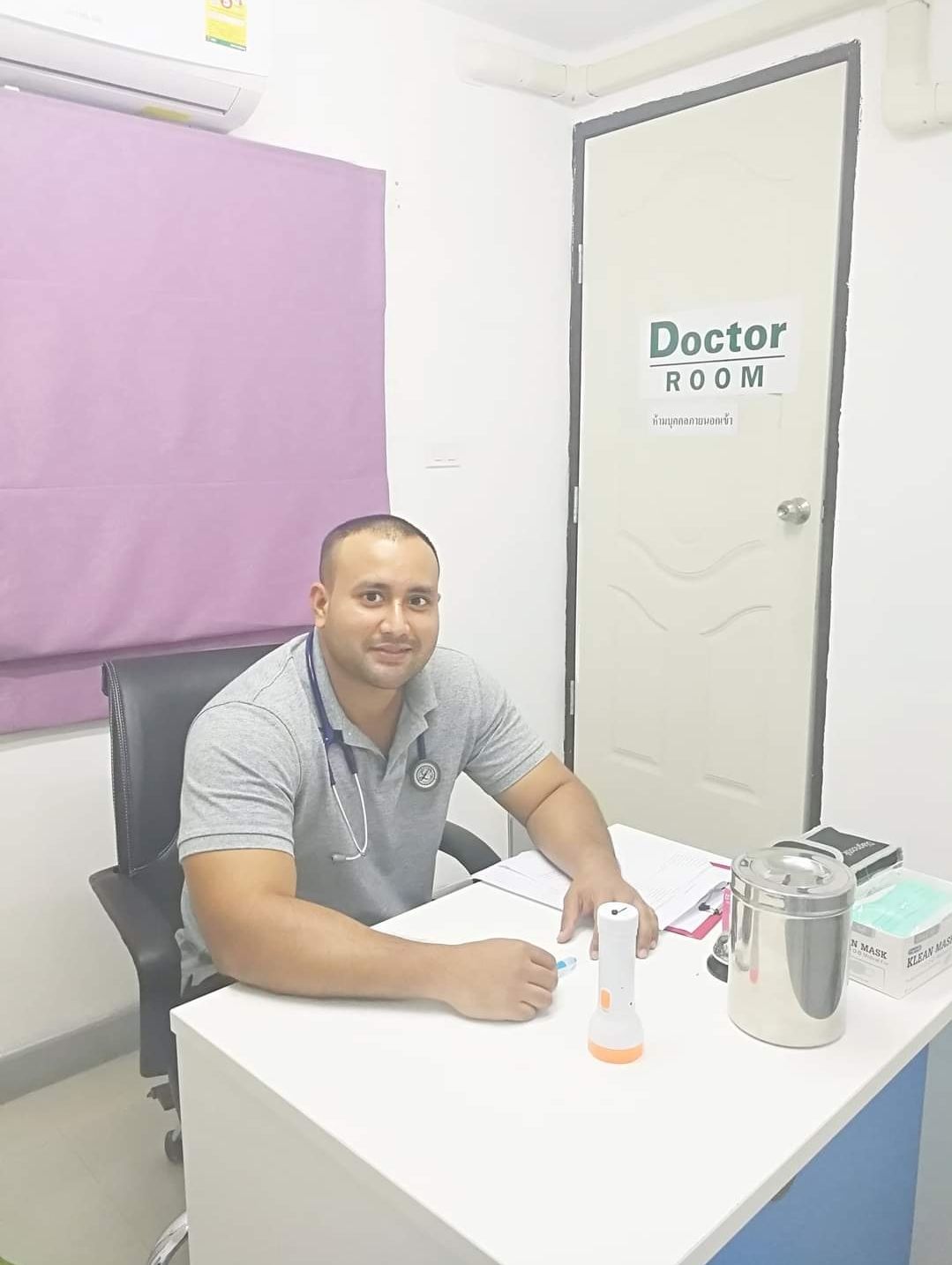
Dr. Ponlawat Pitsuwan is a physician at Doctor Bangkok, a private clinic in central Bangkok. He sees expats, residents, and medical tourists for general medicine, wellness consultations, and IV therapy. His focus is straightforward, evidence-based care delivered in plain language.