
Clinically reviewed by Dr. Ponlawat Pitsuwan, Physician, Doctor Bangkok. Last reviewed: July 2026
Hidden sugar is everywhere in a Bangkok diet. A single Thai iced tea can contain up to 13 teaspoons of sugar, more than double the WHO daily limit. Most people eating street food, shopping at convenience stores, or ordering at cafés have no idea how much they are actually consuming. Getting a blood sugar check is the fastest way to see what your diet has already done to your body.
A lot of expats come to me a few months into their Bangkok life saying the same thing: "I don’t understand why I’ve gained weight. I’m eating Thai food, it seems light, I’m not drinking that much." Then we look at what they are actually having each day. The cha yen. The fruit smoothies. The pad see ew. The afternoon bubble tea. The picture becomes very clear very fast.
Hidden sugar is not a myth. It is in almost every Thai sauce, most bottled drinks, a lot of what gets marketed as healthy, and plenty of things that do not taste sweet at all. This article will show you where it hides, how to spot it on a label, what it does to your body over time, and when it is worth coming in to actually check your numbers.

Why Bangkok Makes the Hidden Sugar Problem Worse
The WHO recommends no more than around 6 teaspoons of added sugar per day for an average adult. Thai Health Promotion Foundation data suggests national consumption runs more than four times that amount. Bangkok, with its café culture, street food density, and a convenience store on every corner, sits at the sharp end of that problem.
This is not about Thai food being unhealthy. It is about volume and visibility. Palm sugar goes into stir-fries, curries, and papaya salad sauces. Oyster sauce, sweet soy, and nam prik pao each carry significant sugar loads. None of it tastes obviously sweet, which is exactly why it catches people out.
Thailand introduced a sugar tax on sweetened beverages in 2017, which pushed some manufacturers to reformulate. But a large number of drinks on shelves at 7-Eleven and Family Mart still carry 10 to 13 teaspoons of sugar per bottle. When you grab one on the way to the BTS every morning, your entire daily budget is gone before 9am.
The Drinks That Hit You Hardest
Drinks are where most hidden sugar enters a Bangkok diet. Food gives you some chewing time and some fullness signals. Drinks go straight through with almost no warning.
Thai iced tea (cha yen) is the most obvious offender. A standard street portion made with sweetened condensed milk and syrup sits at 8 to 13 teaspoons. A bottled green tea from any convenience store fridge can hit 10 teaspoons. Fruit smoothies from mall kiosks, which feel like a healthy choice, routinely have added syrup on top of the fruit’s natural sugar.
Bubble tea is another one I talk to patients about constantly. A medium milk tea with tapioca at full sweetness lands at around 10 to 14 teaspoons depending on the shop. Asking for 25 or 50 percent sweetness does help, but most people do not think to ask.
| Drink | Approximate Sugar (teaspoons) |
|---|---|
| Thai iced tea (cha yen), street portion | 8 to 13 |
| Bottled green tea (500ml) | 9 to 13 |
| Fruit smoothie, mall kiosk | 8 to 12 |
| Bubble milk tea, medium, full sweetness | 10 to 14 |
| Bottled iced coffee, convenience store | 6 to 10 |
| Coconut water, bottled (500ml) | 5 to 7 |
| Fresh orange juice, 400ml | 7 to 9 |

Street Food and Supermarket Traps You Probably Did Not Expect
Once you know about the drinks, the food is the trickier part. Pad Thai contains palm sugar in the sauce. Som tam has sugar in the dressing. Stir-fried vegetables often get a splash of oyster sauce and sweet soy. Each addition is small. Across a full day of eating Thai food, those small amounts stack into something significant.
At the supermarket, the traps are the products marketed as healthy. Low-fat flavoured yoghurt drinks. Fruit juice pouches. Cereal bars. Light crackers. Low-fat labelling is one of the most persistent pieces of food marketing misdirection around. When fat comes out, sugar usually goes in to keep the flavour. A low-fat yoghurt drink from Tops or Villa Market can carry 6 to 8 teaspoons of sugar per serving.
Granola, which many expats eat for breakfast because it sounds wholesome, often has 4 to 6 teaspoons per 100g serving depending on the brand. The brands available in Bangkok are not always the same formulation as what you are used to at home. Check the label before you buy.
How to Read a Thai Food Label for Sugar
Most expats shop by recognition, grabbing what looks familiar or has English on the front. The back of the packet, where the actual nutrition information is, is often in Thai only. That is a problem when you are trying to track your intake.
Thai food labels follow a similar structure to Western ones. The nutrition table lists น้ำตาล, which means total sugar per serving. The ingredients list shows what is in the product in order of volume, with the highest-volume ingredient listed first.
Here are the Thai-language sugar names worth knowing: น้ำตาล (sugar), กลูโคส (glucose), ฟรักโทส (fructose), มอลโตส (maltose), ซูโครส (sucrose), and น้ำเชื่อม (syrup). If two or three of these appear early in an ingredients list, the product has a significant added sugar load regardless of what the front of the packet says.
In English, common sugar aliases include dextrose, maltose, high-fructose corn syrup, agave nectar, rice syrup, evaporated cane juice, and fruit juice concentrate. Manufacturers often split sugar across several ingredient names so no single one appears high on the list, while the total sugar load stays significant.
What Hidden Sugar Is Actually Doing to Your Body
You do not feel a single teaspoon of excess sugar. That is the problem. The effects are cumulative and mostly invisible until they are not.
When blood glucose spikes repeatedly over months and years, your cells can become less responsive to insulin. This is called insulin resistance, and it is the foundation of type 2 diabetes. Many people with insulin resistance feel completely normal. The only way to know is to test.
Beyond blood sugar, high added sugar intake raises triglycerides, builds fat around the abdomen, and has a well-documented link to cardiovascular disease. What I see clinically, day to day, is the energy pattern: afternoon crashes, strong carbohydrate cravings, and weight gain despite what feels like reasonable eating. These are the everyday signs that your body is working harder than it should.
When to See a Doctor
If you have been in Bangkok for more than three to six months, eat out regularly, and have never had your blood sugar checked, that is a reasonable time to do it. Not because you should be alarmed, but because prediabetes and early insulin resistance are common, silent, and very manageable when caught early.
A standard metabolic screen at Doctor Bangkok includes a fasting blood glucose test and an HbA1c, which gives a three-month average of your blood sugar levels. We also check your lipid panel, because raised triglycerides are often the first metabolic marker to shift when hidden sugar intake is high. A full wellness check takes one appointment and gives you a clear picture of where you actually stand.
Fasting blood glucose under 100 mg/dL is normal. Between 100 and 125 suggests prediabetes. Above 125 on two separate tests is diagnostic for diabetes. Most people who come in for a screen are surprised to find themselves somewhere in that middle range. Not diabetic, but no longer where they were when they left home.
You do not need symptoms to benefit from a check. That is the whole point of preventive medicine. Come in when you are well, not when you are already dealing with a problem.
Concerned about how much hidden sugar you have been consuming in Bangkok? Doctor Bangkok offers a wellness screening that includes fasting blood glucose, HbA1c, and a metabolic panel, all in one appointment. English-speaking physicians, BTS accessible, no referral needed. Book your health check at doctorbangkok.co.th/wellness/ and see where your numbers actually sit.
FAQ
How much hidden sugar is in Thai iced tea and other popular Bangkok drinks?
A typical cha yen from a street stall or café contains 8 to 13 teaspoons of sugar per serving, mostly from sweetened condensed milk and syrup. That alone exceeds the WHO’s recommended daily limit of around 6 teaspoons. Bottled green tea from convenience stores can reach a similar number before you have eaten a single meal.
What Thai-language words for sugar should I look for on food labels?
The key ones are น้ำตาล (sugar), กลูโคส (glucose), ฟรักโทส (fructose), มอลโตส (maltose), and น้ำเชื่อม (syrup). If any of these appear near the top of an ingredients list, the sugar content is high. The same rule applies as in Western labelling: ingredients listed first are present in the largest amounts.
Can I gain weight from hidden sugar even if my Thai diet seems light?
Yes, and this is one of the most common things I see with expats in Bangkok. Dishes like som tam, stir-fried vegetables, and soups all contain added palm sugar and sweet sauces that add up across the day. Add one or two sweetened drinks and you can easily exceed 50 grams of added sugar without noticing.
What is the difference between natural sugar and added sugar?
Natural sugars occur in whole fruit and dairy and come with fibre and nutrients that slow how quickly they affect your blood sugar. Added sugars are put in during food processing and deliver calories with nothing else. The health risks, including raised blood glucose, insulin resistance, and weight gain, come almost entirely from added sugars. Focus on the added sugar figure on a label rather than total sugar when one is listed separately.
How do I know if my sugar intake has already affected my health?
Most people with early insulin resistance or prediabetes feel completely normal, which is why testing matters more than waiting for symptoms. A fasting blood glucose and HbA1c test give you a clear read on where you stand. At Doctor Bangkok, these are part of a standard wellness screen you can book without a referral and get results from quickly.
Are low-fat or "healthy" labelled foods in Thai supermarkets actually lower in sugar?
Not reliably. Low-fat products frequently have added sugar to replace the flavour that fat provides. This applies to flavoured yoghurt drinks, light crackers, cereal bars, and fruit juice pouches common in Bangkok supermarkets like Tops and Villa Market. Always check the nutrition label on the back rather than trusting the front of the packet.
Is there a quick rule for spotting high-sugar products without reading every Thai label?
Look at two things: the total sugar per serving in the nutrition table, and where sugar or its aliases appear in the ingredients list. If total sugar per 100g is above 10g, the product is moderately high in sugar. Manufacturers often use a small serving size to make the numbers look better than they are, so always check what counts as one serving.
Dr. Ponlawat Pitsuwan
Physician, Doctor Bangkok
a private medical clinic in central Bangkok. He sees expats, residents, and medical tourists for general health consultations, wellness screening, metabolic health assessment, and preventive care. His focus is straightforward, evidence-based care delivered in plain language.
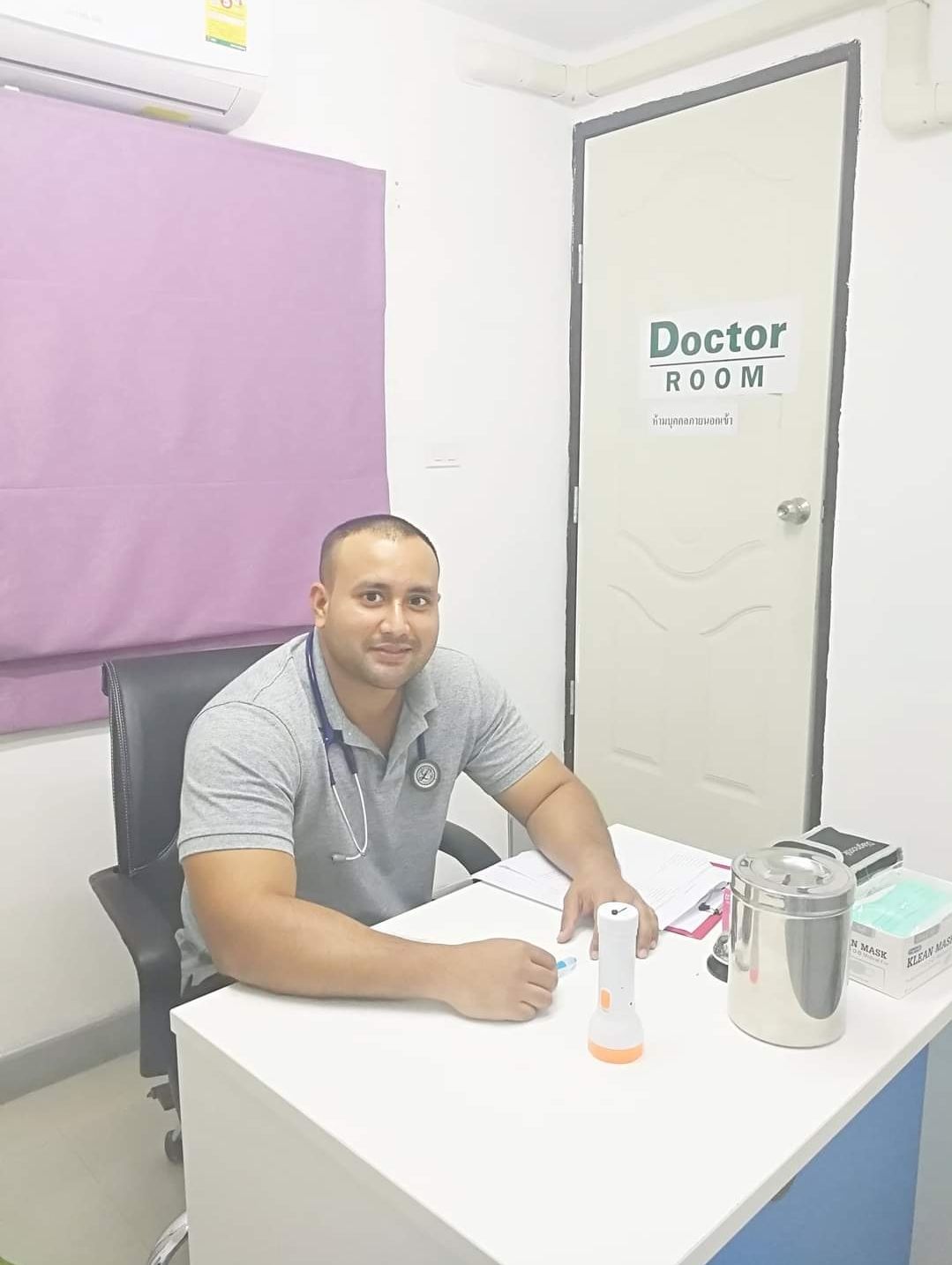
Dr. Ponlawat Pitsuwan is a physician at Doctor Bangkok, a private clinic in central Bangkok. He sees expats, residents, and medical tourists for general medicine, wellness consultations, and IV therapy. His focus is straightforward, evidence-based care delivered in plain language.