

Clinically reviewed by Dr. Ponlawat Pitsuwan, Physician, Doctor Bangkok. Last reviewed: July 2026
Hormones control your energy, mood, weight, sleep, and sex drive. When they fall out of balance, everything feels harder. Most mild imbalances respond well to changes in sleep, diet, and stress management. But if your symptoms have lasted more than four to six weeks and are getting worse, a blood test is the fastest way to know what is actually going on.
A lot of my patients arrive at the clinic saying they feel off. Tired all the time. Moody. Weight creeping up without obvious reason. Libido gone. They have already Googled their symptoms, tried eating better, and nothing has shifted. Many have been living in Bangkok for a few months and assume it is just adjustment. Sometimes it is. But often, something hormonal is happening, and the sooner we identify it, the faster they feel better.
Hormones are chemical messengers made by glands throughout your body. They control almost everything. When one tips out of range, it pulls others with it. The good news is that lifestyle changes genuinely move the needle for most people. But there is a point where natural strategies are not enough, and you need data. This article will help you figure out which side of that line you are on.

Signs Your Hormones May Be Out of Balance
These are the patterns I see most often. Persistent fatigue that sleep does not fix. Weight gain around the belly even with a reasonable diet. Mood swings or anxiety that feel out of proportion. Poor sleep despite being exhausted. Low sex drive. In women, irregular, painful, or missing periods. In men, reduced muscle mass, brain fog, and low motivation.
None of these symptoms alone confirms a hormonal problem. But if several are happening together and have been going on for more than a few weeks, that is worth taking seriously. Conditions like PCOS, thyroid dysfunction, and perimenopause can sit behind these symptoms and will not resolve with lifestyle changes alone. They need a diagnosis first.
Which Hormones Are We Actually Talking About
Cortisol is your stress hormone. It is supposed to spike in the morning and taper off by evening. When stress is chronic, cortisol stays high, and that suppresses everything else.
Thyroid hormones regulate your metabolism and energy. Too little, and you feel slow, cold, and foggy. Too much, and you feel wired, anxious, and lose weight without trying. Estrogen and progesterone govern the female reproductive cycle but also affect sleep, mood, and bone density. Testosterone matters in both men and women. Low levels cause fatigue, low drive, and difficulty building muscle. Insulin controls blood sugar, and when cells stop responding to it well, that ties directly to weight gain and hormonal disruption.

Why Bangkok Can Disrupt Your Hormones
This is the part that most general health websites miss entirely. Bangkok is not a neutral environment for your hormonal system.
Chronic heat and humidity elevate cortisol. Your body treats sustained heat as a physical stressor and responds accordingly. High cortisol then suppresses sex hormones and disrupts sleep. If you arrived from a cooler climate, give your body two to four weeks to adapt before assuming the symptoms are purely medical.
Long-haul travel and time zone shifts throw off your internal clock, which controls when hormones like cortisol and melatonin are released. Many expats arrive already sleep-deprived and compound it with irregular hours. Add the expat social culture around alcohol, which disrupts estrogen metabolism and lowers testosterone, and you have a recipe for hormonal disruption that has nothing to do with an underlying disease.
Natural Strategies That Actually Help
Sleep is the most underrated hormonal intervention there is. Seven to nine hours is not a suggestion. It is a biological requirement. In Bangkok, with the heat and noise, this takes real effort. Blackout curtains and a cool room temperature make a significant difference.
Managing stress consistently matters more than occasional relaxation. I tell patients to pick one thing they can do every day, a ten-minute walk, a short breathing practice, anything that interrupts the cortisol cycle. Consistency beats intensity here.
Diet plays a real role. Healthy fats from avocado, oily fish, eggs, and coconut oil provide the building blocks for hormone production. Cruciferous vegetables like broccoli and kale support estrogen metabolism. Mackerel and sea bass, both widely available in Bangkok, are rich in omega-3s that reduce inflammation linked to hormonal disruption. Cutting back on refined sugar and alcohol is not optional. Both spike insulin and stress the liver, which clears excess estrogen from the body.
Exercise helps, but more is not always better. Intense daily training without enough recovery raises cortisol. Strength training two to three times per week combined with daily walking is the combination I recommend most often.
What About Supplements and Adaptogens
Ashwagandha has moderate evidence for lowering cortisol and improving thyroid markers in people under chronic stress. Magnesium supports sleep and reduces cortisol. Omega-3 supplements are worth taking if you are not eating oily fish regularly. These three have reasonable evidence behind them.
Seed cycling is widely discussed online. The evidence is limited. It is not harmful, but I would not rely on it as a primary strategy. Talk to a doctor before starting any supplement if you have a thyroid condition or are on medication, as some adaptogens interact with hormonal treatments.
Hormonal Imbalance in Men — Not Just a Women’s Issue
I want to say this plainly because most content out there ignores male patients entirely. Low testosterone is common among male expats in their thirties and forties. The symptoms are fatigue, reduced motivation, difficulty building muscle, low libido, and mood changes. These are often brushed off as stress or lifestyle.
Chronic sleep deprivation, high alcohol intake, excess body fat, and sustained psychological stress all lower testosterone. These are all features of the Bangkok expat lifestyle. A blood test will tell us whether testosterone is actually low or whether another hormone is driving the symptoms. Without the data, you are guessing.
The Difference Between a Normal Lab Result and Feeling Well
This comes up in my clinic often. A patient brings in results from another clinic and says everything was normal, but they still feel terrible. Normal reference ranges are wide. They are designed to include most of the population, not to identify your personal optimal.
A testosterone level that is technically within range can still be low for you. Thyroid results that pass the standard cutoff can still explain fatigue and weight changes if the pattern is suboptimal. Numbers without clinical context are only half the picture. This is why I always look at results alongside the person sitting in front of me, not in isolation.
When Natural Strategies Are Not Enough
Give lifestyle changes six weeks of genuine, consistent effort. If symptoms are stable and gradually improving, stay the course. If they are worsening, or affecting your work, relationships, or mental health, stop waiting and get tested.
Come in sooner if your periods have stopped or become severely irregular, if you have significant unexplained weight changes or heart palpitations, or if you suspect PCOS. These conditions will not improve with diet and sleep alone. If you are a male patient with worsening fatigue and low libido despite three months of better sleep, less alcohol, and regular exercise, that pattern warrants a hormone panel.
What to Expect from a Hormone Consultation in Bangkok
A lot of patients are nervous about navigating healthcare here, especially in a second language. Consultations at Doctor Bangkok are in English, and the process is straightforward.
You come in for a consultation first. We talk through your symptoms, history, and what has already been tried. Based on that, we draw blood for a hormone panel covering thyroid function, sex hormones, adrenal markers, and metabolic indicators including fasting insulin and glucose. More targeted panels can add prolactin, DHEA, or thyroid antibodies. We schedule morning blood draws for the most accurate cortisol reading.
Results typically come back within one to three days. We then go through them together and decide on next steps, whether that is refined lifestyle strategies, targeted supplementation, or medical treatment. You get a clear plan, not just a printout of numbers. For more information, see our wellness and hormonal health consultations page.
Struggling with fatigue, mood changes, or symptoms that just do not improve? Doctor Bangkok offers hormone blood testing and wellness consultations with English-speaking physicians in central Bangkok, close to the BTS. If you have been managing symptoms on your own and are not getting better, a blood panel is the fastest way to get real answers. Book a consultation at doctorbangkok.co.th.
Frequently Asked Questions
Can Bangkok’s heat and climate actually affect my hormone levels?
Yes, and this is something I explain to a lot of new arrivals. Chronic heat elevates cortisol, which then suppresses sex hormones and disrupts sleep. Give your body two to four weeks to adjust when you first arrive. If symptoms persist past that window, they are worth investigating.
How do I know when I need a blood test rather than just lifestyle changes?
If you have made consistent changes to sleep, diet, and stress management for six weeks and symptoms are still getting worse, get tested. The same applies if symptoms are affecting your work or relationships, or if you suspect a specific condition like PCOS or thyroid dysfunction. Guessing without data costs you time.
What does a hormone blood test in Bangkok actually check?
A standard panel covers thyroid function, sex hormones, adrenal markers like cortisol, and metabolic indicators including insulin and glucose. More targeted panels can add prolactin or thyroid antibodies. Ask for a panel rather than a single marker, and book a morning appointment for the most accurate cortisol result.
Are there foods available in Bangkok that support hormone balance?
Several. Mackerel and sea bass are widely available and rich in omega-3s. Morning glory and kai lan support estrogen metabolism. Avocado, eggs, and coconut provide the fats your body uses to make hormones. Be cautious with high-sugar Thai drinks and large amounts of soy, which can affect estrogen levels when consumed in excess.
Can the stress of moving to Bangkok cause a hormonal imbalance?
Yes. Relocation is a recognised physical and psychological stressor. Sustained high cortisol from that stress can suppress thyroid function, disrupt menstrual cycles in women, and lower testosterone in men. If you have been in Bangkok for more than two months and still feel consistently off, a check-in with a doctor makes sense.
Is hormonal imbalance something men need to worry about too?
Absolutely. Low testosterone is common in male expats, particularly those dealing with poor sleep, high alcohol intake, and chronic stress. Fatigue, low motivation, and reduced sex drive in men are hormonal symptoms until proven otherwise. A blood test takes the guesswork out of it.
Do I need to see a specialist, or can a general practitioner help?
For most patients, a GP consultation with blood testing is the right first step. A good general physician can order a full hormone panel, interpret results in context, and refer you if something requires specialist input. Our hormone and wellness consultations at Doctor Bangkok are designed exactly for this.
Dr. Ponlawat Pitsuwan
Physician, Doctor Bangkok
a private medical clinic in central Bangkok. He sees expats, residents, and medical tourists for general health, wellness consultations, and hormone-related concerns. His focus is straightforward, evidence-based care delivered in plain language.
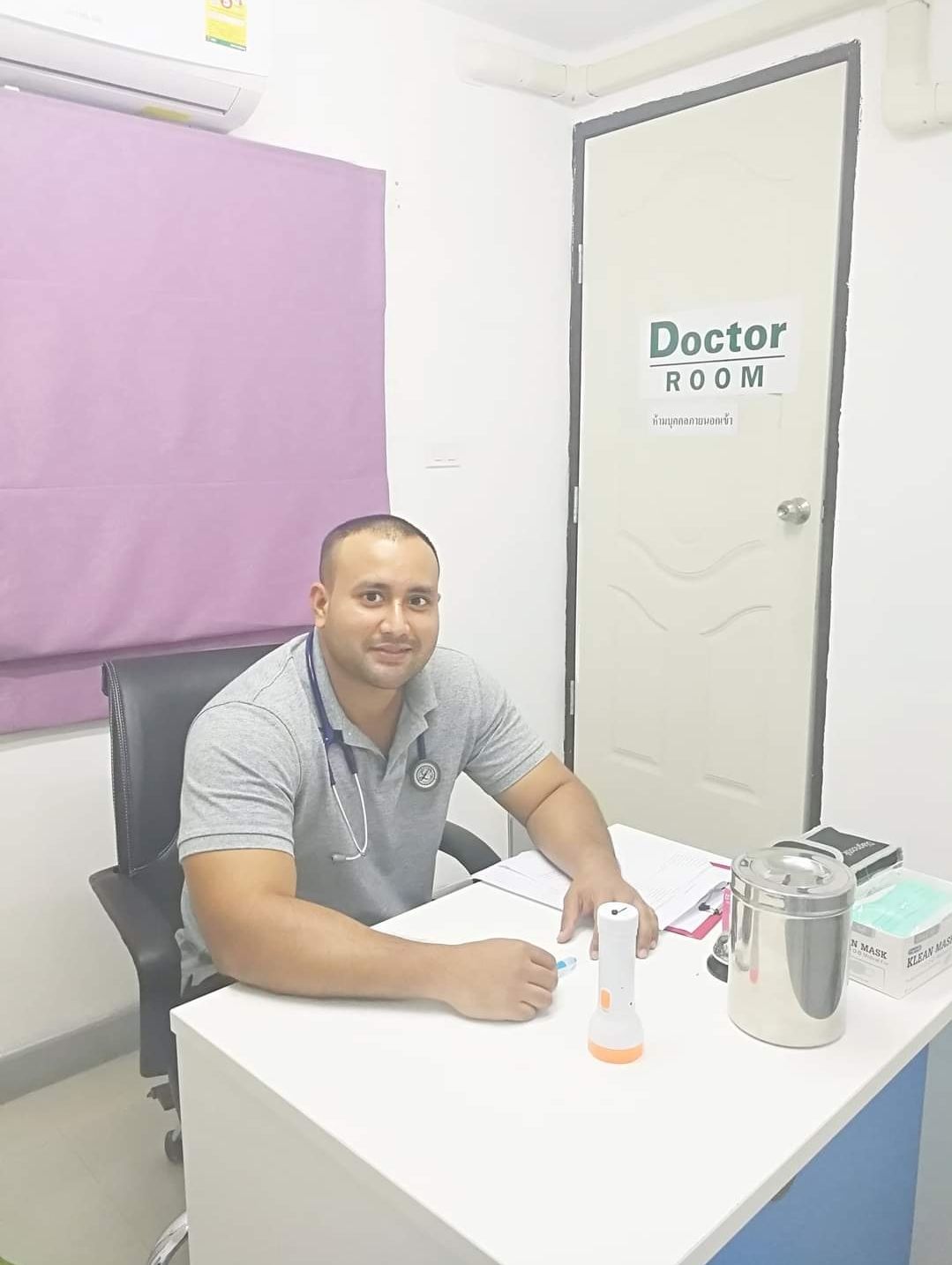
Dr. Ponlawat Pitsuwan is a physician at Doctor Bangkok, a private clinic in central Bangkok. He sees expats, residents, and medical tourists for general medicine, wellness consultations, and IV therapy. His focus is straightforward, evidence-based care delivered in plain language.