
Clinically reviewed by Dr. Ponlawat Pitsuwan, Physician, Doctor Bangkok. Last reviewed: July 2026
Aqua exercise uses water’s natural buoyancy and resistance to give your body a real workout while taking stress off your joints. It suits a wide range of people, from those recovering from injury to anyone looking for an effective, low-impact fitness option. In Bangkok’s heat, it is one of the most practical and medically sensible ways to stay active year-round.
If you have been putting off exercise because your knees hurt, the Bangkok heat is brutal, or you just came out of a medical procedure, someone has probably already told you to "try the pool." That advice usually comes without any real explanation of why water works, who it actually suits, and when you should check with a doctor first. This article gives you the clinical picture in plain language.
Aqua exercise covers anything from gentle water walking to high-intensity aquatic interval training. It is not just for older adults or post-surgery patients, though it works well for both. Understanding what it does for your body helps you decide whether it fits your situation and how to get started safely.

The Physics of Water: Why It Works
Three forces explain most of the benefit, and you do not need to be a scientist to understand them.
Buoyancy is the big one. When you are submerged to your waist, water supports roughly half your body weight. Chest-deep, it supports closer to 75 to 80 percent. For someone with painful joints or recovering from surgery, that reduction in load makes movement feel manageable when it would otherwise be too painful on land.
Water is also far denser than air, which means every movement pushes against real resistance. Your muscles work harder in every direction without needing weights or machines. That is how you build muscular endurance in a pool without lifting anything at all.
The third force is hydrostatic pressure, which is simply the pressure water puts on your body from all sides. It gently compresses the tissues, which helps reduce swelling in the legs and feet. It also changes how your heart responds during exercise, which is worth knowing before you get in if you have a cardiac history.
Why Aqua Exercise Makes Particular Sense in Bangkok
Bangkok’s midday heat index regularly exceeds 45 degrees Celsius. Add humidity above 70 percent and outdoor midday exercise becomes a genuine health risk, not just uncomfortable. Heat exhaustion does not care how experienced a runner you are.
Indoor or shaded pool-based aqua exercise sidesteps this problem entirely. The water keeps your core temperature down, your heart is not fighting heat stress on top of exercise stress, and you are not losing dangerous amounts of fluid through sweat before you have even warmed up. For expats still acclimatising, or visitors here for a short time, this matters a lot.
I see patients at Doctor Bangkok who have stopped exercising almost entirely because of the climate. Their weight climbs, their mood suffers, and they feel stuck. Getting into a pool, even just for water walking three times a week, changes that picture quickly.

Aqua Aerobics versus Hydrotherapy: They Are Not the Same Thing
People use these terms interchangeably, but they mean different things with different goals.
Aqua exercise is fitness-focused. You are working on cardiovascular fitness and muscular endurance, the same goals as any gym session, just in water. Classes are group-based or self-directed.
Hydrotherapy uses warm water, usually between 33 and 36 degrees Celsius, in a clinical setting. Movements are slower and more controlled, and the goal is therapeutic: reducing pain, restoring range of motion, or supporting recovery after injury or surgery. A physiotherapist leads it.
If your doctor or physio has recommended aquatic therapy, they should also direct what it involves. If you are browsing pool classes in Bangkok on your own, you are most likely looking at aqua exercise or aqua aerobics, which suits most people, but it is worth knowing the difference before you start.
Types of Aqua Exercise: From Gentle to Intense
Water walking is the starting point for most beginners. You walk through chest or waist-deep water at low intensity, which is genuinely effective for circulation, joint mobility, and getting your body used to aquatic movement.
Deep-water running uses a flotation belt to keep you upright while you run in water too deep to stand. It mirrors land running in terms of cardiovascular demand without any ground impact. Athletes recovering from lower limb injuries often use this to stay fit while they heal.
Aquatic HIIT sits at the intense end, using high-effort intervals against water resistance, flotation equipment, or resistance gloves. It is a real cardiovascular and muscular challenge, appropriate for people who are already fit and want to maintain intensity while reducing joint strain.
Core and balance work in water is underused but valuable. The unstable environment forces your smaller stabilising muscles to work constantly, which helps people working on balance or recovering from a lower limb injury.
Who Benefits Most
Osteoarthritis is the condition most associated with aqua exercise, and for good reason. Reducing load on inflamed joints while keeping them moving is exactly what the evidence supports for knee and hip osteoarthritis specifically, with good research behind both pain reduction and improved function.
People recovering from orthopaedic surgery, such as joint replacements or ligament repairs, often use pool-based exercise as part of structured rehabilitation. Buoyancy allows movement earlier than land-based exercise would permit, which helps prevent muscle loss and maintain joint mobility during recovery.
Pregnancy is another area with solid evidence. Reduced joint loading, better temperature regulation, and low fall risk make aqua exercise one of the safer choices in the second and third trimester. Clearance from an obstetrician should come before joining any class, not after.
For people with obesity, aqua exercise allows cardiovascular training at an intensity that would be painful or impossible on land. The joint protection is obvious, but the benefit of pain-free movement on confidence and motivation is just as real.
Neurological conditions including mild stroke recovery, Parkinson’s disease, and multiple sclerosis have shown benefit from aquatic exercise in research, with improvements in balance and coordination. This is a specialist area and warrants clinical guidance before starting.
Post-cardiac-event patients are sometimes introduced to supervised aquatic rehabilitation as part of recovery. Because water immersion changes how your heart rate and blood pressure respond during exercise, this group specifically needs medical input before getting in a pool.
Mental Health and the Case for Getting in the Pool
Exercise releases endorphins. Water adds something else. Consistent research shows that aquatic exercise, particularly in group settings, improves mood, reduces anxiety symptoms, and supports stress resilience.
For expats managing the pressures of relocation, or anyone going through a difficult stretch, the social and sensory aspects of pool-based exercise offer something a treadmill does not. I am not overstating this. Patients who come to me burnt out or struggling with low mood in Bangkok often respond well to structured physical activity. Aqua exercise is accessible, not intimidating, and the barrier to starting is low. Sometimes that is what matters most.
Who Should Be Cautious: Medical Red Flags
Not everyone should jump straight in without a health check first.
Uncontrolled hypertension is a real concern. Water immersion changes how the cardiovascular system responds, and if your blood pressure is not well managed, this creates unpredictable risk. Controlled hypertension is generally fine.
Open wounds or active skin infections are absolute contraindications. Pool water introduces infection risk to broken skin, and this is non-negotiable.
Uncontrolled seizure disorders carry obvious water-specific risk. If seizures are not well controlled on current medication, a pool is not a safe exercise environment.
Unstable cardiac conditions, meaning unresolved chest pain, a recent heart attack, or poorly managed heart failure, require medical clearance before any exercise programme, aquatic or otherwise. Active ear infections can also be worsened by water immersion, a minor point but one I mention often because it is easy to overlook.
Getting Started: What a Pre-Exercise Assessment Should Cover
"Check with your doctor" is the advice every fitness article gives. Here is what that actually means in practice.
A sensible pre-exercise assessment covers your blood pressure and resting heart rate, a review of any current medications, your musculoskeletal history if you have joint concerns, any skin conditions or open wounds, and a general cardiovascular risk overview. It takes around 20 to 30 minutes and gives you a clear baseline before you start.
This matters most for expats who have not had a medical check since leaving their home country, and for older adults or anyone with a chronic condition starting a new activity. At Doctor Bangkok, consultations are in English, the clinic is centrally located near BTS Sukhumvit, and a wellness check before starting a fitness programme is exactly the kind of practical appointment we are set up for. You can find out more about our wellness consultations on the Doctor Bangkok website.
Thinking about starting aqua exercise in Bangkok? If you have a joint condition, cardiac history, high blood pressure, or simply have not had a medical check recently, a pre-exercise wellness consultation at Doctor Bangkok is a sensible first step. We offer English-speaking consultations near BTS Sukhumvit. Book online at doctorbangkok.co.th or contact us directly to arrange an appointment.
Is aqua exercise safe if I have high blood pressure?
For well-controlled hypertension, aqua exercise is generally appropriate and can support long-term blood pressure management. The concern is uncontrolled hypertension, where water immersion can produce unpredictable cardiovascular responses. If you are on blood pressure medication or have not had a recent reading, a quick wellness check before you start is the right call.
Do I need to know how to swim?
No. Most aqua aerobics and water fitness classes run in waist-to-chest-deep water with your head above the surface throughout. If you are in deeper water, a flotation belt gives you stability and confidence. Always confirm pool depth with the facility before attending.
How is aqua exercise different from hydrotherapy?
Aqua exercise is fitness-focused, working on cardiovascular fitness and muscular endurance, the same goals as any gym session but in water. Hydrotherapy uses warm water in a clinical setting with slower, therapeutic movements, usually guided by a physiotherapist. If you are choosing a pool class on your own in Bangkok, you are most likely looking at aqua exercise.
Is aqua exercise a good option given Bangkok’s heat and humidity?
Genuinely, yes. Bangkok’s midday heat index regularly exceeds 45 degrees Celsius, which makes outdoor exercise a real risk for heat exhaustion for much of the year. Pool-based exercise keeps your core temperature down and removes the dehydration and heat stress risks that outdoor training carries. For expats still acclimatising, it is one of the most climate-rational fitness choices available.
Should I see a doctor before starting aqua exercise in Bangkok?
If you have a cardiovascular condition, uncontrolled blood pressure, diabetes, a recent injury, or you have not had a medical check in a while, then yes. Water immersion changes how your heart and circulation respond, and conditions like open wounds or active skin infections are absolute contraindications to pool use. Doctor Bangkok’s wellness consultations are practical, fast, in English, and designed for exactly this kind of pre-activity health screening.
Does aqua exercise burn enough calories to matter?
Yes, with reasonable evidence behind it. Water resistance means your muscles work in every direction, which increases calorie expenditure compared to low-effort land exercise. Aquatic HIIT can match the calorie burn of comparable land-based interval sessions. Water walking burns fewer calories than running but more than most people expect, and the joint protection means you can sustain it far more consistently over time.
Can I do aqua exercise while pregnant?
Aqua exercise has good evidence for safety in the second and third trimester, with benefits including joint protection, temperature regulation, and low fall risk. Clearance from your obstetrician is the right first step before joining any pool class. If you are in Bangkok and need a pre-activity assessment, Doctor Bangkok can provide that as part of a general wellness consultation.
Dr. Ponlawat Pitsuwan
Physician, Doctor Bangkok
a private medical clinic in central Bangkok. He sees expats, residents, and medical tourists for general health consultations, wellness assessments, pre-exercise screening, and a wide range of travel and occupational health needs. His focus is straightforward, evidence-based care delivered in plain language.
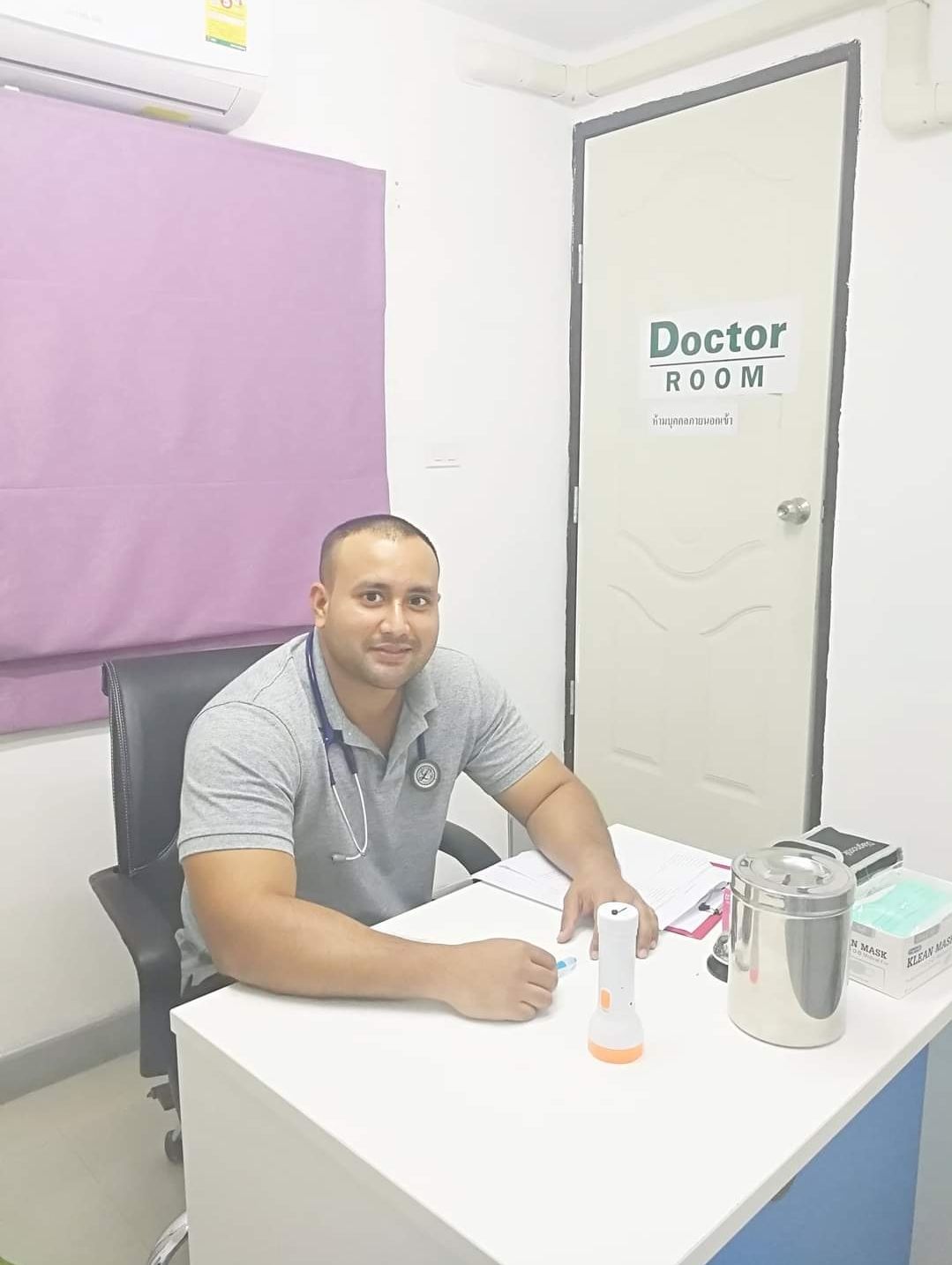
Dr. Ponlawat Pitsuwan is a physician at Doctor Bangkok, a private clinic in central Bangkok. He sees expats, residents, and medical tourists for general medicine, wellness consultations, and IV therapy. His focus is straightforward, evidence-based care delivered in plain language.