
Clinically reviewed by Dr. Ponlawat Pitsuwan, Physician, Doctor Bangkok. Last reviewed: July 2026
Yes, you can get vaccinated against dengue in Bangkok. The vaccine available here is called Qdenga. It requires two doses, given three months apart, and you do not need a blood test or prior dengue infection to qualify. It is approved for ages 4 to 60 and is one of the most practical preventive steps a Bangkok resident can take.
If you are living in Bangkok and you have started asking questions about dengue, something probably prompted it. Maybe a colleague was hospitalised. Maybe someone just told you a vaccine now exists. Whatever brought you here, the answer is simpler than most people expect.
Dengue is common in Bangkok. It circulates year-round, and most expats underestimate their personal risk because they live in an air-conditioned apartment and eat at clean restaurants. The mosquito that carries dengue does not care about any of that. This article covers what the dengue vaccine actually is, who should get it, when to get it, and how to do that in Bangkok.

What Is the Real Dengue Risk for Expats in Bangkok?
Most expats think of dengue as something that happens to backpackers or people in rural areas. That is not accurate. Bangkok is one of the highest-transmission urban dengue environments in Southeast Asia. The mosquito responsible, Aedes aegypti, breeds in small collections of standing water: air-conditioning drip trays, potted plants, construction puddles. These are everywhere in the city.
The risk for long-stay expats is different from short-term tourists. The longer you live here, the more cumulative exposure you have. Residents accumulate meaningful exposure over time, even those who spend most of their day indoors.
There are four dengue strains circulating in Thailand. Your first infection with any one of them gives you lifelong immunity to that strain only. That distinction matters a great deal, and I will come back to it.
Why the Second Dengue Infection Is the Dangerous One
Your first dengue infection is usually manageable. High fever, bone pain, exhaustion. Most people recover at home with fluids and rest. It feels awful, but it is rarely life-threatening in otherwise healthy adults.
The second infection is different. If a different strain enters your bloodstream, your immune system can respond in a way that amplifies the disease. This is where severe dengue and dengue shock syndrome can occur. These require hospitalisation and, in serious cases, intensive care.
For an expat who has been in Bangkok for a year or two and picked up one strain without knowing it, a second infection is where the real danger lies. This is the core reason I recommend the vaccine for long-stay residents, not just travellers.

Bangkok’s Dengue Season — and Why There Is No Safe Month
Bangkok’s rainy season runs roughly May to October, and dengue cases rise with it. Bangkok specifically tends to peak later than the rest of Thailand, often October into November. If you are thinking about vaccination timing, this matters.
If you start your first Qdenga dose in June or July and return for your second dose three months later, you reach full immunity roughly four weeks after that second dose. That puts you protected right as Bangkok’s highest-risk window arrives.
That said, there is no zero-risk month in Bangkok. Dengue does not disappear in the dry season. If you have not been vaccinated yet, today is still a reasonable time to start.
Qdenga vs Dengvaxia — Which Dengue Vaccine Is Available in Bangkok?
Two dengue vaccines exist globally. Only one is the right choice for most expats in Bangkok right now.
| Qdenga (TAK-003) | Dengvaxia | |
|---|---|---|
| Available in Bangkok | Yes | Limited |
| Prior dengue infection required | No | Yes |
| Doses | 2 doses, 3 months apart | 3 doses, over 12 months |
| Age range | 4 to 60 years | 9 to 45 years |
| Blood test required before vaccination | No | Yes |
| Risk if given to someone with no prior dengue | None identified | Increased risk of severe dengue |
| Efficacy against hospitalisation | Around 90% | Varies by prior infection status |
Dengvaxia was the first dengue vaccine approved. It requires proof of a prior dengue infection before it can be safely given. If you give it to someone who has never had dengue, it can increase their risk of severe disease. Qdenga does not carry this restriction. It works regardless of your prior dengue history, which makes it far more practical for expats. At Doctor Bangkok, Qdenga is what we offer, and it is what I recommend.
Who Should Get the Dengue Vaccine in Bangkok?
My short answer: most healthy expats aged 4 to 60 who are planning to stay in Bangkok for more than a year. The vaccine is also sensible for anyone spending extended time in other dengue-endemic parts of Thailand.
School-age children who attend Bangkok schools are a particularly good fit. Surveillance data consistently shows children aged 5 to 14 carry a high dengue burden in Thailand. If your children are in school here and playing outside, they are being bitten.
Adults who work partly outdoors, travel regularly within Thailand, or live near green space and standing water should treat this as a priority, not an optional extra.
Who Should Not Get the Dengue Vaccine?
Not everyone can receive Qdenga. If you are pregnant, wait until after delivery. If you are breastfeeding, speak with a doctor before proceeding.
Qdenga is a live attenuated vaccine, meaning it contains a weakened but live form of the virus. It is not suitable for people with weakened immune systems, including those on certain cancer treatments, immunosuppressive medications, or conditions that significantly reduce immunity. If this applies to you, a consultation is the right first step.
Anyone with a known severe allergy to a vaccine component should also discuss this with a doctor first. Side effects are generally mild: some soreness at the injection site, mild fatigue, or a low-grade fever lasting one to two days. Serious reactions are rare.
How Long Does the Dengue Vaccine Protect You?
Current trial data shows protection lasting at least four years from the two-dose course. Longer-term data is still being collected. Whether a booster will eventually be needed is not yet confirmed.
Completing the two-dose schedule gives you strong, durable protection through the period when most long-stay Bangkok expats face their highest cumulative risk.
Practical Considerations — Cost, Insurance, and Timing in Bangkok
Qdenga is typically priced at around 2,500 baht per dose at private clinics in Bangkok. Two-dose packages at larger hospital networks run from roughly 5,800 to over 7,000 baht depending on the facility.
Insurance coverage is inconsistent. Many international health insurance plans do not cover preventive vaccinations unless a wellness rider is included. Check your policy before assuming it is covered.
A dengue hospitalisation at a Bangkok private hospital commonly costs 50,000 baht or more, depending on severity and length of stay. Two doses of Qdenga look like a straightforward financial decision when you frame it that way.
No blood test is required before vaccination. You come in, have a brief consultation, and receive the first dose. Three months later you return for dose two.
Doctor Bangkok offers the Qdenga dengue vaccine at our central Bangkok clinic, with English-speaking physicians and no long wait times. If you are unsure whether the vaccine is right for you, start with a consultation. We will go through your health history, answer your questions, and get your first dose scheduled the same day if you are eligible. We are BTS accessible and open to expats, residents, and visitors. Book your vaccination appointment or learn more about our vaccination services at doctorbangkok.co.th/vaccination/.
Do I need the dengue vaccine if I live in Bangkok but stay mostly indoors?
I hear this often, and I understand the logic, but it does not quite hold. Aedes mosquitoes bite during the day and thrive in urban residential environments. Commuting, eating outside, or spending any time in semi-outdoor settings all create exposure. The longer you live in Bangkok, the more your cumulative risk adds up.
Can I get the dengue vaccine if I have already had dengue fever before?
Yes. Qdenga is safe for people with or without a prior dengue infection, and no blood test is required to confirm your history. If you have recently recovered from dengue, I would suggest waiting at least six months before getting vaccinated. Come in for a consultation and we can advise based on your specific situation.
How much does the dengue vaccine cost in Bangkok?
Qdenga is generally around 2,500 baht per dose at private clinics in Bangkok, with full two-dose packages at hospital networks ranging from roughly 5,800 to over 7,000 baht. Many insurance plans do not cover preventive vaccines unless you have a wellness benefit, so check your policy in advance. Weighed against the cost of a private hospital dengue admission, vaccination is often the more cost-effective option.
When is the best time of year to get vaccinated in Bangkok?
Starting in June or July means your second dose lands around September or October, and full immunity follows roughly four weeks later. That puts you protected right at Bangkok’s peak transmission window in October and November. That said, dengue occurs year-round here, so there is no bad time to start.
Is the dengue vaccine safe for my children who go to school in Bangkok?
Qdenga is approved for ages 4 to 60 and does not require a blood test or prior dengue history. Children aged 5 to 14 consistently appear as one of the highest-risk groups in Thai dengue surveillance data, which makes school-age expat children a clear priority. A brief consultation at Doctor Bangkok will confirm there are no individual contraindications before we proceed.
What happens if I only get one dose and miss the second?
The two-dose schedule matters. The first dose primes your immune system and the second produces strong, lasting protection. One dose alone gives partial and likely incomplete immunity. If your second dose is overdue, come in as soon as possible rather than restarting from scratch. We can advise on the right approach at the clinic.
Is Qdenga a live vaccine, and does that mean anything for me?
Yes, Qdenga is a live attenuated vaccine, meaning it contains a weakened form of the virus. For healthy adults and children it is safe and well-tolerated. The main group for whom this matters are people with weakened immune systems, either from a medical condition or from certain medications. If that applies to you, please mention it at your consultation before receiving the vaccine.
Dr. Ponlawat Pitsuwan
Physician, Doctor Bangkok
a private medical clinic in central Bangkok. He sees expats, residents, and medical tourists for travel medicine consultations, vaccinations including dengue and typhoid, fever assessment, and general medical care. His focus is straightforward, evidence-based care delivered in plain language.
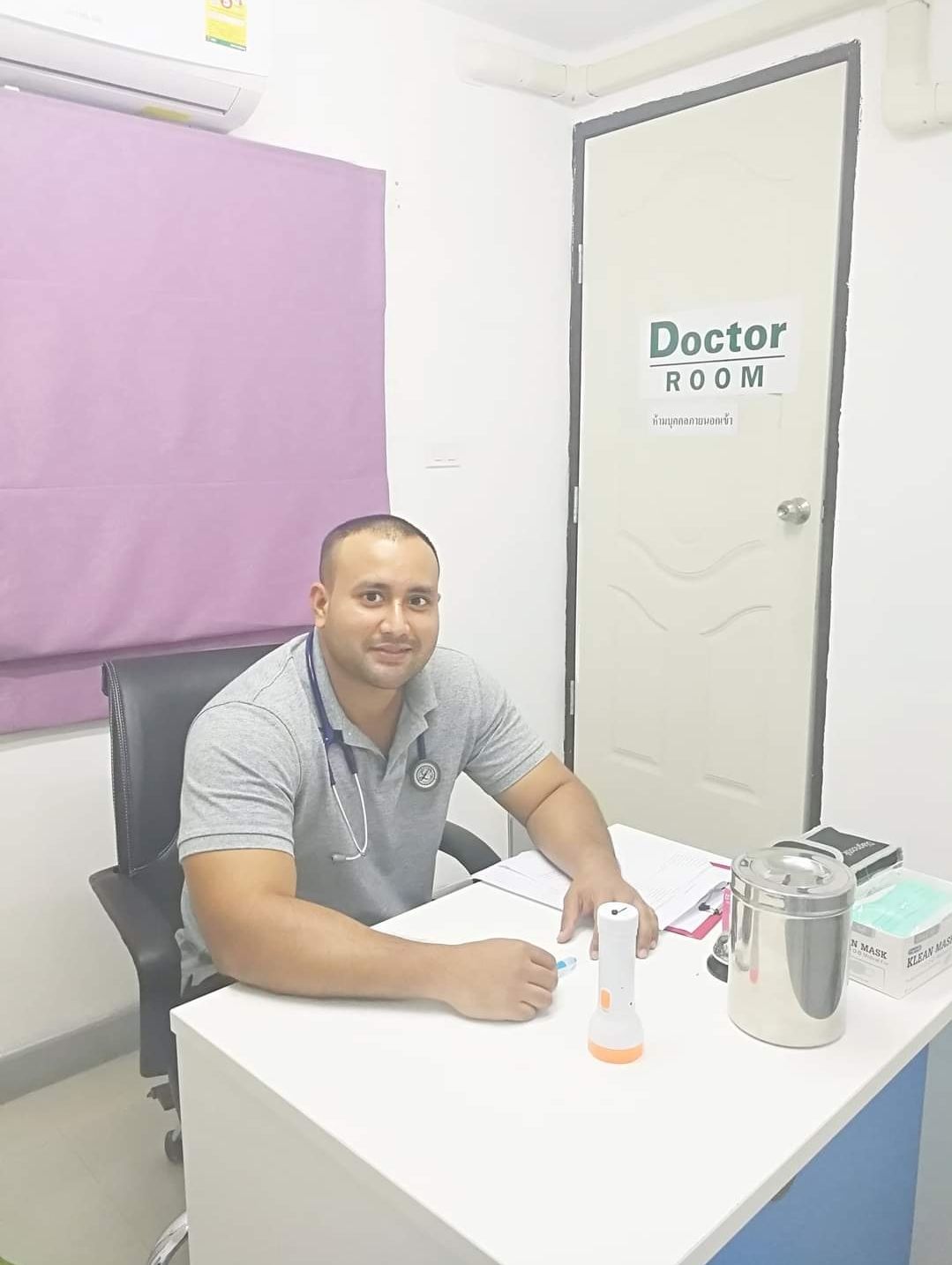
Dr. Ponlawat Pitsuwan is a physician at Doctor Bangkok, a private clinic in central Bangkok. He sees expats, residents, and medical tourists for general medicine, wellness consultations, and IV therapy. His focus is straightforward, evidence-based care delivered in plain language.