


Clinically reviewed by Dr. Ponlawat Pitsuwan, Physician, Doctor Bangkok. Last reviewed: July 2026
Most adults need four core vaccines for Thailand: hepatitis A, typhoid, tetanus-diphtheria-pertussis (Tdap), and MMR if not previously given. Long-term Bangkok residents should also consider rabies pre-exposure shots, hepatitis B, and the dengue vaccine Qdenga. If you have no vaccination records, start with a review consultation before booking any jabs.
If you are moving to Bangkok or planning a longer stay, vaccine questions come up fast. Which ones are actually necessary? Which ones did you probably get as a child? And what if you genuinely have no idea what you have had? These are the questions I hear almost every week in clinic, and this article will give you clear answers.
The short version: a short-stay visitor needs a different set of vaccines than someone living here year-round. Bangkok carries real health risks that change the longer you stay. Getting this right before you arrive, or shortly after, is one of the most practical things you can do for your health here.

The Three Categories Every Adult Should Understand
There are three types of vaccines to think about. Routine vaccines are the ones you should have had in childhood, like measles, mumps, rubella, and tetanus. Travel vaccines are recommended based on where you are going and what you will be doing. Required vaccines are the ones some countries demand as a legal condition of entry.
Thailand does not require any vaccine for entry unless you are arriving from a country where yellow fever is present. In that case, you need a yellow fever certificate. Beyond that, everything is a clinical recommendation, not a border rule.
Routine Vaccines First
Before we talk about travel-specific jabs, check your routine vaccines. Many adults are years behind on these and do not realise it.
Tetanus, diphtheria, and pertussis (Tdap) needs a booster every ten years. If you cannot remember your last one, you probably need it. Measles, mumps, and rubella (MMR) should be two doses total across your lifetime. Anyone born before routine vaccination became widespread may have only had one dose, or none. Chickenpox is worth checking if you never had the illness or the vaccine as a child.

Core Travel Vaccines for Thailand
Hepatitis A
This is the one I recommend to almost everyone coming to Thailand. Hepatitis A spreads through contaminated food and water, and even careful eaters get caught out here. Two doses give long-term protection, with the first shot starting to work within two weeks.
Typhoid
Typhoid is another food-and-water illness common in Southeast Asia. The vaccine is either a single injection or a course of oral capsules. Protection is not perfect, but it meaningfully reduces your risk. This is especially relevant if you eat street food regularly, which most Bangkok expats do.
Hepatitis B
This one surprises a lot of British and Australian patients. The UK did not include hepatitis B in its routine childhood schedule until 2017, and Australia only added it universally in 2000. If you grew up before then and were not specifically vaccinated, you are likely unprotected. Hepatitis B spreads through blood and sexual contact, including during medical procedures. In a country where you may need local healthcare at some point, this matters.
Tetanus, Diphtheria, and Pertussis Booster
If your last Tdap was more than ten years ago, Thailand is a good reason to get it sorted. It is a single injection and takes about ten minutes.
Bangkok-Specific Risks That Should Change Your Thinking
Rabies
This is the one people underestimate most. In late 2025, health authorities issued a rabies alert covering multiple Bangkok districts. Stray dogs are everywhere in this city. So are monkeys in parks and temple areas. Bats are common in older buildings.
Pre-exposure rabies shots are a course of three injections. They do not eliminate the need for treatment if you are bitten. What they do is make that treatment simpler and far less urgent. Without pre-exposure shots, a bite requires rabies immunoglobulin, which is expensive, sometimes hard to obtain quickly, and must be given within hours. With pre-exposure shots, you still need two follow-up doses after a bite, but the time pressure is much lower. For anyone living in Bangkok long-term, I recommend this vaccine.
Dengue
Dengue is genuinely common in Bangkok, especially between May and October. A vaccine called Qdenga is available in Thailand and does not require a confirmed prior dengue infection, unlike the older Dengvaxia. It is a two-dose course for people aged 4 to 60. If you have been in Bangkok through a rainy season, this is worth a conversation with your doctor.
Japanese Encephalitis
Most online resources get this wrong. Japanese encephalitis is spread by mosquitoes in rural rice-growing areas and around pig farms. In Bangkok itself, the risk is very low. If you are based in the city and not regularly travelling to rural provinces, this vaccine is not a priority. If you travel upcountry often, or plan to spend time in rural northern or northeastern Thailand, that changes the picture.
Why Long-Term Residents Need a Different Conversation
A tourist in Bangkok for ten days has limited exposure. Someone living here for three years eats local food hundreds of times, encounters stray animals regularly, and may need local healthcare at some point. Cumulative risk is real.
Long-term residents should treat their vaccine list more like a local resident’s health plan than a travel checklist. That means hepatitis B if unvaccinated, rabies pre-exposure shots, a dengue vaccine discussion, and keeping all routine vaccines current. This is the framing I use at Doctor Bangkok when I see a new expat patient for the first time.
What To Do If You Have No Vaccination Records
This situation is far more common than people think. Many expats have changed countries, changed doctors, or simply lost track of paperwork. If you do not know what you have had, do not guess.
A blood test called an antibody titre test can check your immunity to specific diseases, including measles, hepatitis B, and chickenpox. For vaccines where no reliable titre test exists, like typhoid or Tdap, a catch-up dose is safe and the right call. You do not need to have everything redone just because you cannot find your records.
A Word on Cost and Insurance
Vaccine pricing at Bangkok private clinics is generally lower than equivalent costs in the UK, US, or Australia. Costs vary depending on which vaccines you need and whether you require a titre test first. Some international health insurance policies cover preventive vaccines, but many do not. Check your policy before your appointment, and ask for itemised documentation at the clinic so you can submit a reimbursement claim if needed.
Not sure where to start with your vaccines in Bangkok? Doctor Bangkok offers vaccination consultations with English-speaking physicians in central Bangkok, close to BTS. Whether you need a single booster, a full catch-up schedule, or a titre test to check existing immunity, we can help. Walk-ins are welcome, or book an appointment at doctorbangkok.co.th.
Frequently Asked Questions
Which vaccines do you need if you are living in Bangkok long-term rather than just visiting?
Long-term residents face higher cumulative exposure than short-stay tourists. Beyond the core travel vaccines, rabies pre-exposure shots, hepatitis B if you were not vaccinated in childhood, and a discussion about Qdenga are all worth adding to your list. The longer you are here, the more your risk profile looks like a local resident’s rather than a visitor’s.
I have no idea which vaccines I have had. Where do I start?
Start with a vaccination review consultation. A titre blood test can confirm your immunity to measles, hepatitis B, and chickenpox without needing paper records. For vaccines that cannot be reliably checked by blood test, a catch-up dose is safe. Doctor Bangkok can run the relevant tests and build a schedule based on your actual immune status.
Is the rabies vaccine necessary if I live in Bangkok and do not work with animals?
Yes, I recommend it for long-term Bangkok residents. Stray dogs, temple monkeys, and bats in urban areas all carry rabies risk, and a 2025 rabies alert covered multiple Bangkok districts. Pre-exposure shots do not replace post-bite treatment, but they remove the need for rabies immunoglobulin, which can be hard to source quickly in an emergency.
Can I get the dengue vaccine in Bangkok, and do I need it?
Yes, Qdenga is available in Thailand and does not require a confirmed prior dengue infection. It is a two-dose course suitable for ages 4 to 60. Bangkok’s rainy season brings real dengue risk in urban areas. Whether you need it depends on your history and circumstances, which is worth discussing with a doctor.
Does Thailand require any vaccine for entry?
The only required vaccine is yellow fever, and only if you are arriving directly from a country where yellow fever is a risk. Thailand does not require any other vaccine for entry. Everything else is a medical recommendation based on your personal risk profile, not a border rule.
How much do vaccines cost in Bangkok, and will my insurance cover them?
Bangkok private clinic prices are generally lower than equivalent costs in the UK, US, or Australia. Whether your insurance covers preventive vaccines depends on your specific policy, so check before your appointment. Ask for itemised documentation at the clinic so you can submit a reimbursement claim if your policy allows it.
Do I need the Japanese encephalitis vaccine for Bangkok?
If you are based in Bangkok and not travelling to rural areas, the risk is low and the vaccine is usually not recommended. If you regularly travel to rural or agricultural parts of Thailand, especially the north or northeast, the picture changes. Tell your doctor your travel patterns and they can advise you properly.
Dr. Ponlawat Pitsuwan
Physician, Doctor Bangkok
a private medical clinic in central Bangkok. He sees expats, residents, and medical tourists for travel medicine, vaccinations, and general health consultations. His focus is straightforward, evidence-based care delivered in plain language.
Part of our guide to travel vaccinations for Thailand.
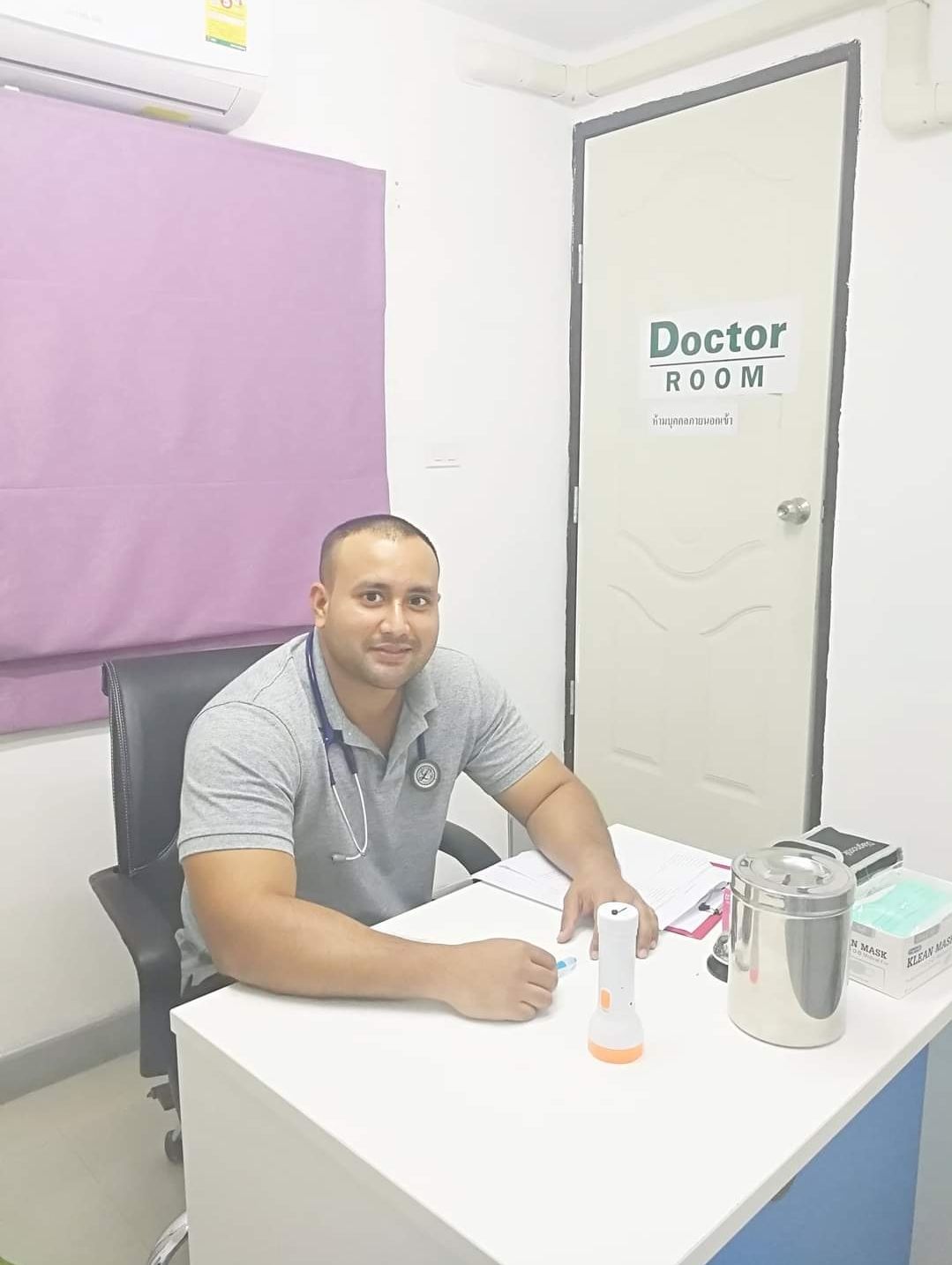
Dr. Ponlawat Pitsuwan is a physician at Doctor Bangkok, a private clinic in central Bangkok. He sees expats, residents, and medical tourists for general medicine, wellness consultations, and IV therapy. His focus is straightforward, evidence-based care delivered in plain language.