


Clinically reviewed by Dr. Ponlawat Pitsuwan, Physician, Doctor Bangkok.
Last reviewed: November 2026
Tinea versicolor is a fungal skin condition caused by an overgrowth of Malassezia, a yeast that lives on everyone’s skin. It produces uneven white, pink, or brown patches, most often on the chest, back, and shoulders. The patches are not dangerous, but they do not fade on their own. Treatment with antifungal shampoos or creams clears the infection, though skin colour can take months to even out after the fungus is gone.
You are back in Bangkok after a long weekend and your back looks like someone drew a map on it. Pale patches, slightly uneven, not itchy, not infected. Regular washing has not touched them.
That is tinea versicolor. Bangkok’s year-round heat and humidity create ideal conditions for it, and it shows up reliably in expats and visitors who had clear skin back home. It responds well to treatment. The part that takes longer is getting your skin tone back to even, and that is what most patients ask about first.

What Tinea Versicolor Is
Tinea versicolor, also called pityriasis versicolor, is caused by Malassezia, a yeast that lives on healthy skin without causing trouble. Under the right conditions it multiplies faster than it should and disrupts the way your skin produces pigment. The result is patches that are lighter or darker than your normal skin tone.
You do not catch it from someone else. It is an overgrowth of something already on your own skin. The trigger is almost always a change in environment: more heat, more humidity, more sweat.
Why Bangkok Triggers It
Bangkok does not have a cool, dry season. Humidity stays high all year. When you add daily sweat and sunscreen residue to oil-rich skin on the chest, upper back, and shoulders, you create ideal conditions for Malassezia to overgrow. Many people who have never had tinea versicolor at home develop it within months of moving here.
Stress, oily skin, and immunosuppressive medications can also tip the balance. Tight synthetic clothing that traps heat and moisture makes it worse. If you have had it before in a temperate climate and it stayed under control, Bangkok tends to bring it back more forcefully.

Symptoms and Where It Appears
The patches are flat and slightly scaly. They can be white, pale pink, light tan, or darker brown depending on your skin tone and how much sun you have had. On darker skin they tend to look lighter than the surrounding area. On lighter skin they may look pink before sun exposure, then lighter after tanning. The chest, upper back, shoulders, and upper arms are the most common sites.
Mild itching is possible, but many people have no itch at all. That absence of symptoms is part of why tinea versicolor goes unnoticed for weeks.
If you are unsure whether you are looking at tinea versicolor, vitiligo, or something else, a doctor can confirm it quickly. A skin scraping examined under a microscope takes minutes. Under a Wood’s lamp, a UV light used in clinic, Malassezia-affected skin may show a yellow to copper-orange fluorescence, though not all lesions fluoresce reliably. At Doctor Bangkok, we carry out both assessments at the clinic or during a hotel visit.
Tinea Versicolor vs Vitiligo vs Pityriasis Alba
This is where patients most often get confused, especially when they have never seen any of these before. Tinea versicolor patches have a slight powdery scale if you scratch them gently. They may be white, pink, or tan, not purely white. They respond to antifungal treatment.
Vitiligo patches are stark white, have sharp edges, and do not respond to antifungals at all. Pityriasis alba tends to appear on the face in children and young adults, is linked to mild eczema, and fades without antifungal treatment.
Getting the right diagnosis before you treat matters. Using antifungal products on vitiligo will not help. Missing tinea versicolor means the patches keep spreading. If you are not sure, come in and get it confirmed before you start anything.
Tinea Versicolor Treatment in Bangkok
Antifungal Shampoos and Creams
First-line treatment is topical. Ketoconazole shampoo or cream, selenium sulfide shampoo, and pyrithione zinc soap are all effective options. These are applied to the affected area, left on for a few minutes, then washed off. Some are available over the counter at pharmacies in Bangkok. Prescription-strength formulations are more concentrated and generally produce faster results.
Topical treatment clears the fungal overgrowth well. It does not speed up skin colour recovery, but it stops the discolouration from spreading further.
Tablets for Widespread Patches
When patches cover a large area or keep returning despite topical treatment, oral antifungals are an option. Oral azoles are generally considered a second-line treatment, used when topical therapy is insufficient. A doctor needs to assess suitability, as oral antifungals are not appropriate for everyone. People with liver conditions, those taking certain other medications, and pregnant women should not take oral azoles without specialist guidance. Itraconazole and fluconazole are the preferred choices for Malassezia.
One point that often surprises patients: terbinafine, commonly used for ringworm and athlete’s foot, does not work well for tinea versicolor. Malassezia is a yeast, not a dermatophyte, and terbinafine has poor activity against it. If you have been using it for weeks without improvement, that is likely why. Oral ketoconazole appears in older guidelines but regulatory authorities including the EMA and UK MHRA advise against using oral ketoconazole for fungal skin infections due to the risk of serious liver injury. Itraconazole or fluconazole are the preferred oral options.
A doctor needs to prescribe these. Doctor Bangkok can do this on the same visit, at the clinic on Sukhumvit Soi 13 or during a hotel visit anywhere in Bangkok.
Why Skin Colour Takes Months to Even Out
This is the question almost everyone asks after finishing treatment. The antifungal clears the yeast, but the skin discolouration is a separate process. Malassezia disrupts melanin production, the pigment that gives skin its colour. Even after the fungus is gone, the affected skin cells need time to replenish normal melanin levels.
Sun exposure speeds up tanning in the surrounding skin, which makes the lighter patches look more obvious by contrast. Using SPF 30 or higher sunscreen daily prevents the surrounding skin from darkening further and allows the discoloured areas to even out more quickly. Full recovery can take several months. That does not mean the treatment failed. It means the skin is catching up.
Preventing Tinea Versicolor From Coming Back
Tinea versicolor has a high recurrence rate in tropical climates. In Bangkok, that risk is year-round rather than seasonal. Using a ketoconazole or selenium sulfide shampoo as a monthly body wash, even when there are no visible patches, can reduce the chance of relapse. This is a well-supported maintenance approach for people living in persistently humid environments.
Practical steps that help: wear loose, breathable fabrics, change out of damp gym clothes promptly, avoid heavy oily body products, and use a non-greasy sunscreen. For people who relapse frequently despite good maintenance hygiene, a doctor may consider a short preventive course of oral itraconazole. That decision should be made with your doctor based on your history.
If you want to build a plan that fits your life in Bangkok, that conversation belongs at a clinic. A pharmacist can sell you the shampoo. A doctor can tell you whether you need more than that.
If you are also managing broader skin or health concerns while based in Bangkok, the travel health service at Doctor Bangkok covers skin conditions alongside vaccinations, STI screening, and general expat health needs.
Tinea versicolor is straightforward to diagnose and treat, but the right diagnosis comes first. Doctor Bangkok is open 24 hours. Same-day assessment is available at our walk-in clinic on Sukhumvit Soi 13, or our doctor-on-call service brings a physician to your hotel or condo anywhere in Bangkok within one hour. We confirm the diagnosis, prescribe treatment on the spot, and help you put a maintenance plan in place. If you have travel insurance, we provide documentation for reimbursement. Book a same-day visit or request a hotel call at doctorbangkok.co.th.
FAQ
Dr. Ponlawat Pitsuwan
Physician, Doctor Bangkok
a private medical clinic in central Bangkok, open 24 hours, with a doctor-on-call service that comes to your hotel or condo within one hour. He sees expats, residents, and medical tourists for skin conditions including tinea versicolor, fungal infections, rashes, and general dermatological concerns. His focus is evidence-based care delivered in plain language.
References
- Leung AK, Lam JM, Leong KF, et al. Tinea versicolor: an updated review. Drugs Context. 2022;11:2022-9-2.
- Gupta AK, Foley KA. Antifungal treatment for pityriasis versicolor. J Fungi (Basel). 2015;1(1):13-29.
- NHS. Pityriasis versicolor. NHS.uk.
- UK Medicines and Healthcare products Regulatory Agency. Oral ketoconazole: do not prescribe or use for fungal infections — risk of liver injury outweighs benefits. GOV.UK Drug Safety Update, 2013.
- Actas Dermosifiliogr. Wood’s light in dermatology: indications and fluorescence patterns. 2024.
The information in this article is for educational purposes only and does not constitute medical advice. It should not be used to self-diagnose or replace a consultation with a qualified physician. If you have concerns about your health, contact a licensed medical professional. For appointments at Doctor Bangkok, visit doctorbangkok.co.th.
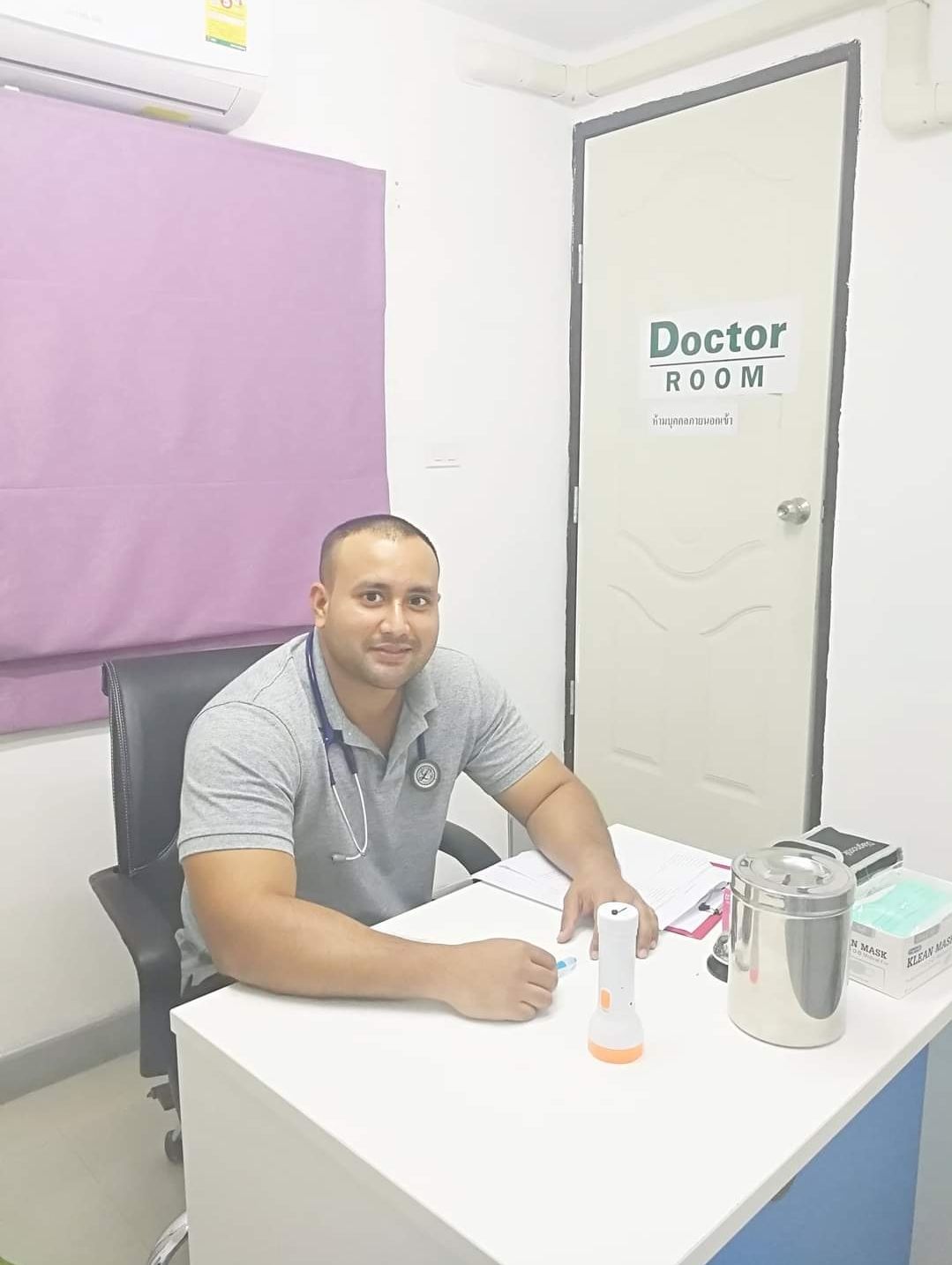
Dr. Ponlawat Pitsuwan is a physician at Doctor Bangkok, a private clinic in central Bangkok. He sees expats, residents, and medical tourists for general medicine, wellness consultations, and IV therapy. His focus is straightforward, evidence-based care delivered in plain language.