
Clinically reviewed by Dr. Ponlawat Pitsuwan, Physician, Doctor Bangkok. Last reviewed: July 2026
A pre-travel health check covers your vaccines, any medications you need to pack, and the specific health risks of where you are going. For Thailand, most travellers need hepatitis A, typhoid, and an updated tetanus at minimum. Book at least six to eight weeks before you fly. If you are leaving next week, still come in. There is still a lot we can do.
Most people who walk into a travel medicine appointment have already Googled "do I need vaccines for Thailand" and found a list that made them more confused. Do you actually need rabies shots? Malaria tablets? What about that chikungunya vaccine? The honest answer is: it depends on where you are going, what you will be doing, and how long you will be there. That is exactly what a pre-travel health check is for.
If you are an expat already living in Bangkok and heading somewhere else in Southeast Asia, this applies to you too. You probably have some vaccinations sorted, but there are almost always gaps. Either way, the goal is simple: make sure you are protected for your specific trip, not a generic version of Thailand.

What actually happens at a pre-travel health check
The appointment is a conversation, not a production line. I ask where you are going, for how long, what you will be doing, and whether you have any existing health conditions. I look at your vaccination history if you have it. If you do not, we go through what is likely covered and what probably is not.
Bring any vaccination records you have, a list of your current medications, and your passport or a note of your nationality. Vaccine schedules differ by country, and some of what your home country gave you in childhood may not cover you anymore.
The consultation usually takes around twenty to thirty minutes. By the end, you leave with a clear plan: which vaccines you need today, which require a follow-up dose, and what to pack in your travel kit.
How far in advance do you need to get travel vaccines before Bangkok?
Six to eight weeks is the standard advice. Some vaccines require more than one dose spread over time. Rabies pre-exposure protection needs three doses over three to four weeks. The hepatitis B series takes even longer if you are starting from scratch.
That said, some of the most important vaccines can be given much closer to departure. Typhoid and hepatitis A both offer protection within a couple of weeks. If your trip is next week, come in anyway.
Your itinerary matters more than most people realise. Bangkok city itself carries no malaria risk at all. If your trip is entirely Bangkok, Chiang Mai, Pattaya, or the main tourist islands, you do not need malaria tablets. That changes if you are heading to forested border areas near Myanmar, Cambodia, Laos, or Malaysia.
In 2025, chikungunya is worth raising. Case numbers in Thailand roughly doubled compared to 2024, according to NaTHNaC surveillance data. This is a mosquito-borne illness, and Bangkok is not exempt. There is now a licensed chikungunya vaccine, and depending on your trip length and risk profile, it is worth discussing. Dengue remains a risk too. Strong insect repellent with DEET is non-negotiable for both. Mpox vaccination is also now part of the travel consultation conversation for travellers with potential exposure risk.

What medications should you actually pack for a trip to Thailand?
This is the part most travellers do not think about until they are already sick. A basic travel kit should cover the three most common problems: stomach trouble, pain and fever, and skin issues.
For stomach issues, oral rehydration salts are the single most useful item you can pack. Traveller’s diarrhoea is common here, and dehydration in tropical heat hits fast. Depending on your situation, I sometimes prescribe standby antibiotics so you have something to take if symptoms become severe, rather than hunting for a pharmacy at midnight in an unfamiliar city.
For pain and fever, paracetamol is the right choice. I do not recommend ibuprofen as a first option here, particularly during dengue season. Dengue can lower your platelet count, and ibuprofen increases bleeding risk. Use paracetamol until dengue is ruled out.
An antihistamine, antifungal cream, and a full supply of any personal prescription medications round out the basics. The tropical heat and humidity make skin infections and fungal problems more common than back home.
Bringing prescription medications into Thailand
This is where I see travellers get into genuine trouble. Thailand’s FDA has clear rules, and they are enforced.
Standard prescription medications are generally fine to bring with original packaging and a doctor’s letter. Bring a thirty-day supply at most. If you need more than thirty days’ worth, you will need to obtain medication locally.
Controlled substances are a different matter. This includes codeine, morphine, oxycodone, fentanyl, and many ADHD medications. These require a Form IC-2 import permit from the Thai FDA, which you must apply for at least fourteen days before you arrive. Travellers have been detained at Thai customs for medications that were legitimately prescribed back home.
If you carry any controlled medications, a pre-travel consultation gives you the chance to get a proper physician letter and understand the customs rules for your specific drugs. Store all medications in your carry-on, in original packaging, and keep copies of your documentation separate from the medication itself.
Health checklist for first-time visitors to Thailand
Vaccines to confirm or get: hepatitis A, hepatitis B, typhoid, tetanus booster, MMR if not fully vaccinated. Discuss with your doctor: rabies pre-exposure, Japanese encephalitis for rural stays, chikungunya, and influenza.
Medications to pack: oral rehydration salts, paracetamol, antihistamine, antifungal cream, any standby antibiotics your doctor prescribes, and a full supply of personal prescriptions with documentation.
Insect protection: DEET-based repellent at 30 percent or higher. Long sleeves at dawn and dusk. A mosquito net if you are in rural areas.
If you have asthma or a respiratory condition, note that December through February is Bangkok’s worst period for PM2.5 air pollution. Bring your inhalers and know where your nearest English-speaking clinic is. Doctor Bangkok is in central Bangkok, BTS accessible, and sees patients with respiratory flare-ups regularly during this season.
Thailand does not require a yellow fever certificate for most travellers. If you are arriving from a yellow fever endemic country, you may need proof of vaccination at the border. Check current entry requirements before you fly.
Finally, health insurance. Many visitors arrive underinsured. Make sure your policy covers hospitalisation in private hospitals in Thailand, because that is almost certainly where you will end up if something serious happens.
Planning a trip to or from Thailand? Doctor Bangkok offers pre-travel health checks with English-speaking physicians at our central Bangkok clinic, a short walk from the BTS. We cover travel vaccines, personalised risk assessment based on your itinerary, and physician letters for medications. Same-day appointments are available when possible. Book online at doctorbangkok.co.th or walk in.
Frequently asked questions
How long before my trip should I book a pre-travel health check?
Six to eight weeks is ideal because some vaccine series need multiple doses over time. That said, even if you are flying out next week, come in. We can still give you the most important vaccines, prescribe travel medications, and make sure you know what to watch for on the ground.
Do I need malaria tablets if I am only visiting Bangkok?
No. There is no malaria transmission in Bangkok, Chiang Mai, Pattaya, or the main tourist islands. Malaria prophylaxis only applies if your itinerary includes forested border regions near Myanmar, Cambodia, Laos, or Malaysia. Your pre-travel consultation will look at your actual route and give you a specific answer.
Can I bring my prescription medications into Thailand?
Most standard medications are fine with original packaging and a doctor’s letter covering a thirty-day supply. Controlled substances, including codeine, opioids, and many ADHD medications, require a Thai FDA Form IC-2 permit applied for at least fourteen days before arrival. Get advice before you fly, because customs enforcement here is real.
What vaccines do I need for Thailand that are not on my home vaccination schedule?
The most commonly added ones are hepatitis A, typhoid, and rabies pre-exposure. Japanese encephalitis is worth discussing for rural or longer stays. Given the current chikungunya situation in Thailand in 2025, that vaccine is now part of our standard conversation for most travellers. Your doctor will tailor this to your specific trip.
I live in Bangkok already. Do I still need a pre-travel health check before trips in Southeast Asia?
Yes, and this is something I see expats overlook regularly. Long-term Bangkok residents often have gaps in rabies pre-exposure, typhoid, or Japanese encephalitis coverage that become relevant for regional travel to Cambodia, Vietnam, Laos, or Indonesia. A consultation at Doctor Bangkok covers all of that, including physician letters for any medications you carry.
What should I do if I get sick after returning from a trip in Southeast Asia?
See a doctor promptly and tell them where you travelled, for how long, and what you were doing. Dengue, typhoid, and intestinal infections can present days to weeks after you return. We see post-travel patients regularly and can run the relevant tests quickly.
Dr. Ponlawat Pitsuwan
Physician, Doctor Bangkok
a private medical clinic in central Bangkok. He sees expats, residents, and international travellers for travel medicine consultations, vaccinations, and general health assessments. His focus is straightforward, evidence-based care delivered in plain language.
Part of our guide to travel health in Bangkok.
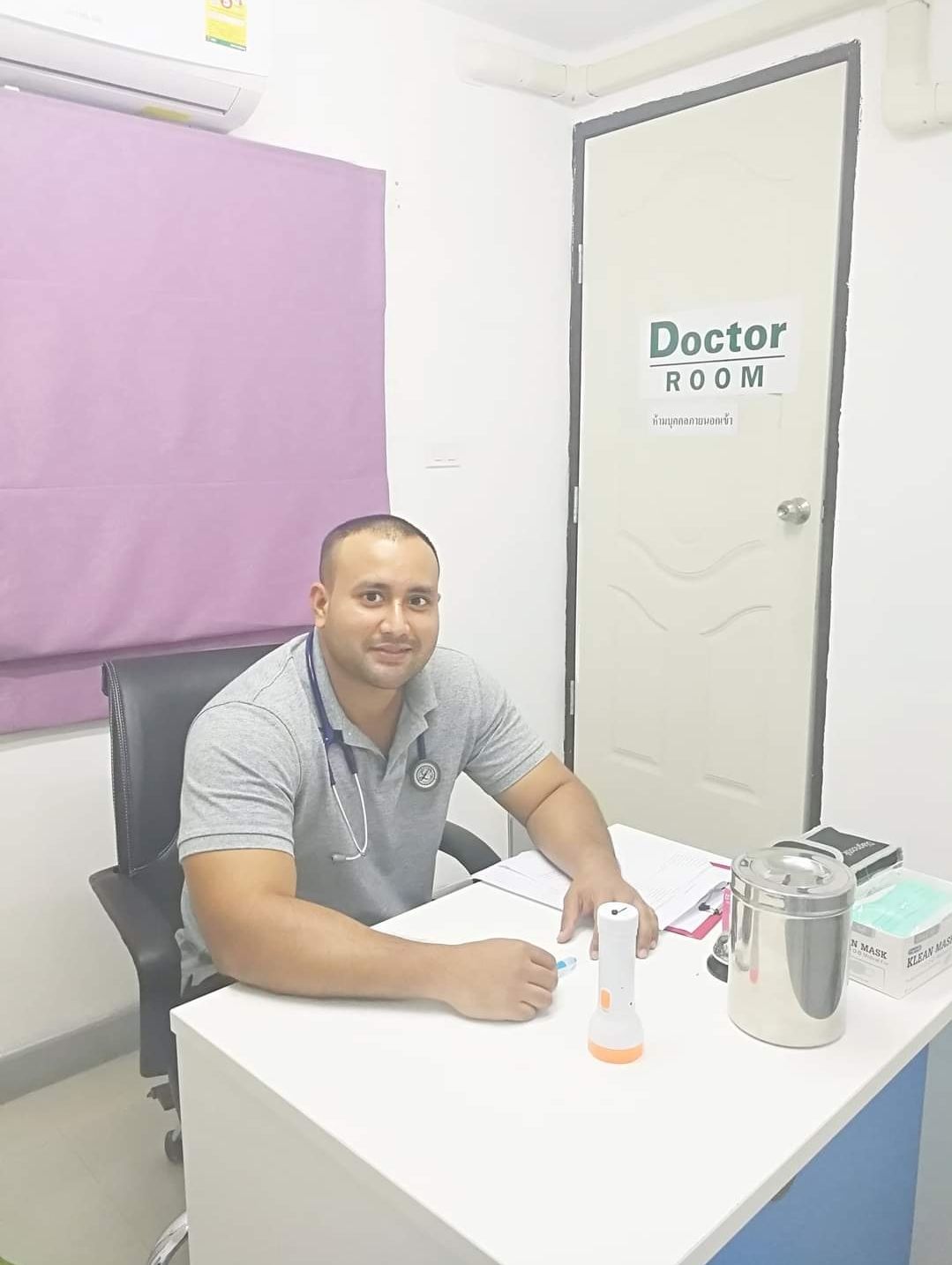
Dr. Ponlawat Pitsuwan is a physician at Doctor Bangkok, a private clinic in central Bangkok. He sees expats, residents, and medical tourists for general medicine, wellness consultations, and IV therapy. His focus is straightforward, evidence-based care delivered in plain language.