

Clinically reviewed by Dr. Ponlawat Pitsuwan, Physician, Doctor Bangkok. Last reviewed: July 2026
Bangkok tap water is treated at the source but is not safe to drink straight from the tap. Pipes and rooftop storage tanks in many buildings introduce contamination after treatment. Stick to bottled or filtered water for drinking. Ice at restaurants and bars throughout Bangkok is factory-made and safe. Street food is generally fine if it is freshly cooked and served hot.
If you just arrived in Bangkok and you are standing at the sink wondering whether to fill a glass, the answer is no. Bangkok does treat its water, but the water travels through old pipes and rooftop storage tanks before it reaches your tap. That journey is where contamination happens, and it is the part most travel guides skip.
This matters more than usual right now. Between January and April 2026, Thai health authorities recorded 672 confirmed hepatitis A cases nationally, with Bangkok among the hardest-hit areas. That shifts this from general travel advice to something more urgent.

Is Bangkok tap water safe to drink, brush your teeth with, or cook with?
Do not drink tap water in Bangkok. Use bottled water, a filter jug, or one of the coin-operated vending machines you will find on almost every street corner. Those machines use reverse osmosis filtration and are cheap, reliable, and what many locals use every day.
For brushing your teeth, most healthy adults are fine using tap water briefly. The main variable is your building’s storage tank. Older apartment blocks with poorly maintained rooftop tanks carry a higher risk of secondary contamination. If your building is old or you are unsure, use bottled water for the first few weeks.
Cooking with tap water is generally fine once the water reaches a full boil. Showering and washing your face are not a problem for most people. Contact lens wearers are the exception: never rinse lenses or a lens case with tap water. Tap water can carry organisms that cause serious eye infections.
Is street food in Bangkok actually safe to eat?
Most of the time, yes. I tell patients the same things every week: eat food that is cooked fresh in front of you, served hot, and coming from a stall with a visible queue of locals. High turnover means the food is not sitting out.
The risk goes up with a few specific things. Food left in open trays at room temperature is a problem in Bangkok’s heat. Raw shellfish, raw garnishes on salads, and anything pre-cooked and kept warm for hours are the main culprits I see when patients come in with food poisoning.
Your first week or two carries the highest risk. Your gut has not yet adjusted to the local bacterial environment, and mild loose stools in that first week are common. After a few months, most expats eat street food daily without issue. That adjustment is real, but it does not protect you against hepatitis A, typhoid, or a contaminated batch of something.

Is ice safe in Bangkok restaurants and bars?
This is one of the most common questions I get. The answer, for restaurants, cafes, bars, and hotels throughout Bangkok, is yes. Ice is factory-produced from purified water. You can identify it easily: it comes as cylinders with a hollow centre, or as uniform rectangular blocks. That is factory ice, and it is safe.
The one exception is large block ice at very remote, low-footfall roadside stalls. That is rare in Bangkok itself. If you are deep in the provinces and a stall is chipping ice from a large block, that is a different situation.
Iced coffee, fruit shakes, cocktails, and cold drinks throughout central Bangkok use factory ice. Drink them with confidence.
Which fruits and vegetables are safe to eat in Bangkok?
Whole fruit you peel yourself is low risk: mango, papaya, pineapple, watermelon, rambutan, longan. Anything you peel before eating is fine.
Pre-cut fruit at market stalls is where I see problems. It sits in the heat, sometimes in standing water, and is often washed in tap water before display. If you are in your first week here or your stomach is already unsettled, skip the pre-cut bags.
Raw garnishes and uncooked greens at street stalls may be washed in tap water, so a little caution is reasonable. Cooked vegetables carry essentially no risk.
How to avoid food poisoning in Bangkok: what actually works
The practical rules are simple. Eat freshly cooked food served hot. Avoid raw shellfish. Be cautious with pre-cut fruit in your first few weeks. Drink bottled or filtered water. These four things cover the majority of risk.
One thing most people do not know: if you try to treat yourself with antibiotics, the strain you have may not respond. Resistant bacteria that do not respond to common travel antibiotics like ciprofloxacin are widespread in Thailand. If your symptoms are not improving after 48 hours, come in and get tested rather than self-medicating.
Dehydration is the immediate risk to manage at home. Oral rehydration salts are at every 7-Eleven, and you will find a 7-Eleven within walking distance of almost anywhere in Bangkok. Start those early.
When should you see a doctor for food poisoning or Bangkok belly?
Most mild food poisoning resolves in 24 to 48 hours with fluids and rest. You do not need to come in for mild loose stools and no fever.
Come in if you have diarrhoea more than four or five times a day, blood in your stool, a fever above 38.3 degrees Celsius, vomiting so persistent you cannot keep fluids down, or symptoms not improving after 48 to 72 hours. Severe dehydration from persistent vomiting and diarrhoea is one situation where we move quickly: IV fluids make a real difference and most patients feel significantly better within a few hours.
At Doctor Bangkok, we run a blood test and, where appropriate, a stool test to identify what you are dealing with before prescribing anything. That matters here because of the antibiotic resistance picture.
Can you get hepatitis A from eating street food in Thailand?
Yes. Thai health authorities confirmed 672 hepatitis A cases in the first four months of 2026, with Bangkok among the most affected areas. The highest-risk foods are raw or undercooked shellfish, raw salads, and pre-cut fruit washed in contaminated water.
Hepatitis A causes fatigue, jaundice, and liver inflammation. Symptoms can appear two to seven weeks after exposure. There is no treatment once you have it; your body clears it over several weeks, and the process can be severe.
Vaccination works extremely well. A single dose gives strong protection for at least a year, and two doses give long-term protection. The CDC, WHO, and NaTHNaC all recommend hepatitis A vaccination for anyone travelling to or living in Thailand. If you are not vaccinated, that is a straightforward thing to fix. Typhoid vaccination is also worth discussing if you have not had it.
Vaccinations worth getting before you eat your way through Bangkok
If you have just arrived or you have never checked your vaccination history, start with two: hepatitis A and typhoid. Both spread through contaminated food and water. Both are preventable.
At Doctor Bangkok, we offer both vaccinations with same-day appointments. If you are unsure what you have had, a brief travel health consultation is a good starting point. Bring whatever vaccination records you have and we will work out what is missing.
Feeling sick after eating in Bangkok, or not sure if you need treatment? Doctor Bangkok is an English-speaking private clinic in central Bangkok, accessible by BTS. We see patients for food poisoning assessment, IV drip rehydration, hepatitis A and typhoid vaccinations, and travel health consultations. Walk-ins welcome. Book online at doctorbangkok.co.th.
FAQ
Is it safe to brush your teeth with tap water in Bangkok?
For most healthy adults, yes. The exposure is brief and the risk is low. The bigger variable is your building’s rooftop storage tank: older buildings with poorly maintained tanks carry a higher chance of contamination. If you are unsure, bottled water for brushing is a simple precaution. Contact lens wearers should always avoid tap water for anything lens-related.
How do I know if the ice in a Bangkok restaurant is safe?
Factory-produced ice is the standard at all restaurants, bars, cafes, and hotels in Bangkok, and it is safe. Look for cylindrical ice with a hollow centre or uniform rectangular blocks: those come from a factory using purified water. The only situation I would be cautious about is large block ice at a very remote roadside stall with no other customers, and that is rare in Bangkok itself.
Can you really get hepatitis A from street food in Bangkok?
Yes. Thai health authorities confirmed 672 hepatitis A cases in the first four months of 2026, with Bangkok among the most affected areas. The highest-risk foods are raw shellfish, uncooked garnishes, and pre-cut produce washed in contaminated water. Vaccination gives highly effective protection and is recommended by the CDC and WHO for anyone in Thailand. Doctor Bangkok offers this vaccination with same-day availability.
What should I do if I get food poisoning in Bangkok?
Start oral rehydration salts immediately: they are available at any 7-Eleven. Rest, avoid solid food until the nausea settles, and monitor closely. Come in if you develop a fever above 38.3 degrees Celsius, blood in your stool, persistent vomiting, or symptoms not improving after 48 hours. Do not self-treat with antibiotics without being tested first, as resistant strains are common in Thailand and the wrong antibiotic will not help.
Do long-term Bangkok expats eventually stop getting sick from food and water?
Some tolerance does build over months as your gut adjusts to the local environment, and most long-term expats eat street food daily without problems. But this is not full immunity. Hepatitis A, typhoid, and contaminated batches of food can still affect you regardless of how long you have lived here. Vaccinations matter whether you arrived last week or five years ago.
Is filtered or bottled water safe in Bangkok?
Both are safe for drinking. Bottled water from sealed, recognised brands at any convenience store is fine. The street-corner vending machines using reverse osmosis filtration are also reliable and very cheap: locals use them regularly. A quality filter jug works well at home if you want to reduce plastic waste.
Dr. Ponlawat Pitsuwan
Physician, Doctor Bangkok
a private medical clinic in central Bangkok. He sees expats, residents, and medical tourists for food poisoning assessment, travel health consultations, vaccinations, and general medical care. His focus is straightforward, evidence-based care delivered in plain language.
Part of our guide to travel health in Bangkok.
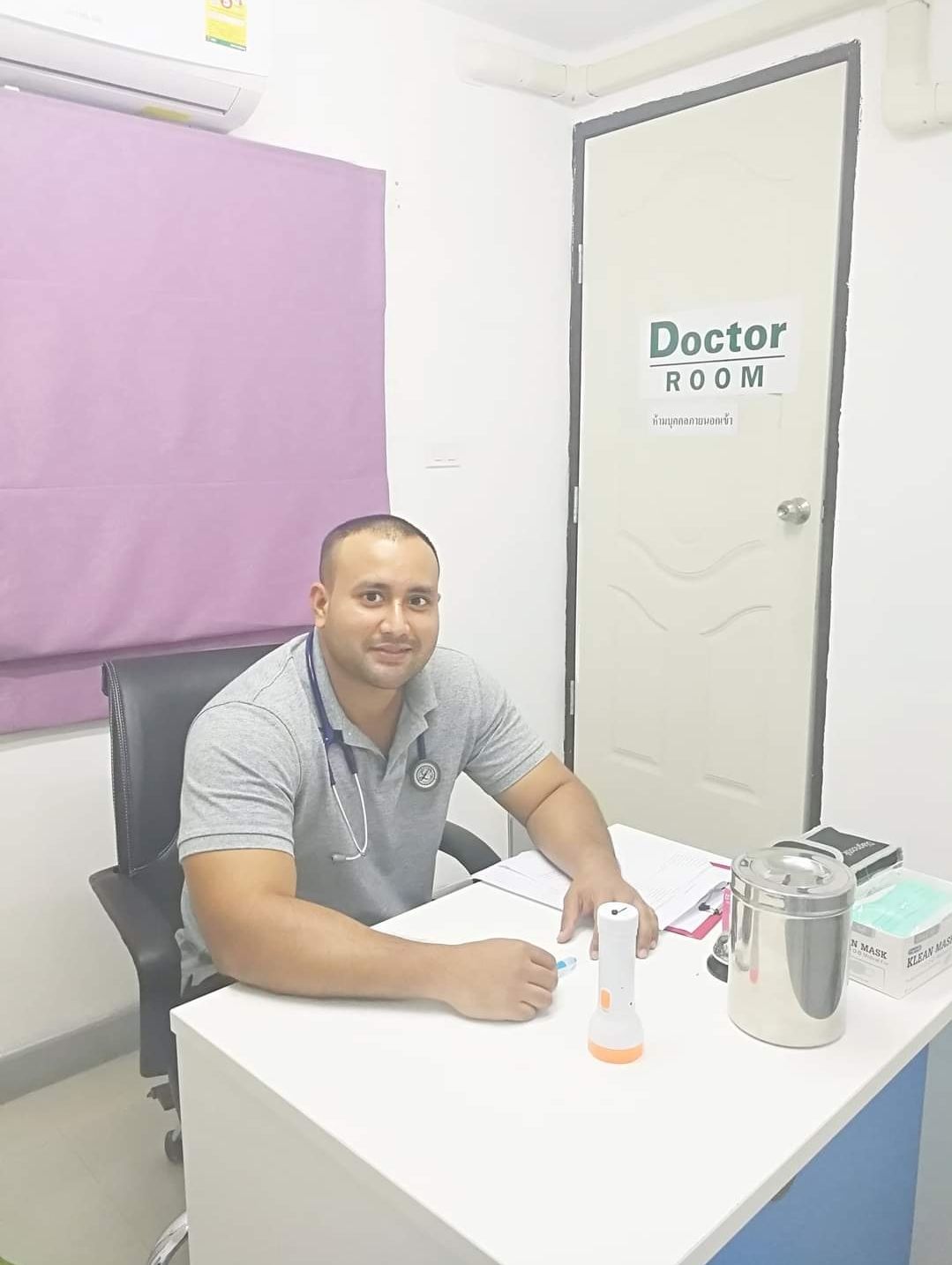
Dr. Ponlawat Pitsuwan is a physician at Doctor Bangkok, a private clinic in central Bangkok. He sees expats, residents, and medical tourists for general medicine, wellness consultations, and IV therapy. His focus is straightforward, evidence-based care delivered in plain language.