
Clinically reviewed by Dr. Ponlawat Pitsuwan, Physician, Doctor Bangkok. Last reviewed: July 2026
As of mid-2026, no confirmed Nipah virus cases have ever been detected in Thailand. Thai health authorities tested hundreds of encephalitis patients over the past decade, all negative. If you are in Bangkok and feeling unwell after recent travel to South Asia, the risk is low, but your travel history matters. Get assessed by a doctor who can take a proper history and rule out other causes.
If you have seen the headlines about Nipah outbreaks in India and you are now sitting in Bangkok wondering whether to worry, I understand. This virus sounds terrifying because the numbers are serious. The good news is that Thailand has not had a single confirmed case, and the risk for most expats and visitors in Bangkok is genuinely low right now.
That said, low risk is not zero risk. Nipah is on the WHO priority pathogen list for a reason. If you have recently traveled from West Bengal, Kerala, or Bangladesh and you are now developing a fever with any neurological symptoms, that warrants a clinical assessment. This article tells you what Nipah actually is, which symptoms matter, and exactly what to do if you are worried.

The Current Situation in Thailand
Thailand has been watching Nipah closely for years. Between 2015 and 2025, Thai health authorities tested 478 patients with encephalitis, which is brain inflammation, for Nipah virus. Every result came back negative.
In January 2026, after a cluster of cases was reported in West Bengal, the Department of Disease Control issued a heightened alert. Airport health screening was activated at Suvarnabhumi, Don Mueang, and Phuket international airports for passengers arriving from affected regions.
Around that time, social media posts claimed that Indian nationals had been quarantined at a hospital in Phuket for Nipah. Thai public health authorities confirmed this was false. No Nipah cases existed in Phuket or anywhere else in Thailand at that time. You can disregard those posts.
Researchers also collected fruit bat samples from colonies near Pattaya as part of ongoing wildlife surveillance. Results confirmed related bat coronaviruses but not Nipah. Surveillance is ongoing.
How Nipah Virus Spreads and Why Bangkok Tourists Face Low Risk
Nipah originates in large fruit bats, sometimes called flying foxes. The virus lives in their saliva, urine, and droppings. Human exposure comes through a few specific routes.
Eating raw date palm sap that bats have fed on is the most common route in Bangladesh. Eating fruit with bite marks from infected bats is another. Direct contact with a sick animal or a severely ill human case is a third. Casual contact, sharing a meal, riding the BTS, or sitting near someone in a restaurant, does not transmit Nipah.
Human-to-human transmission does happen, but it requires close, prolonged contact with the blood or body fluids of someone who is already severely ill. This is mainly a risk for household caregivers and healthcare workers in outbreak settings.
For someone living in Bangkok, eating at restaurants, using public transport, or going to work, the practical risk is negligible. The risk becomes relevant only if you have had direct exposure in a known outbreak area.

Nipah Virus Symptoms: Early Signs Versus Severe Warning Signs
This is the part that actually matters, because the early symptoms of Nipah look exactly like dozens of other infections I see every week. Fever, headache, muscle aches, sore throat, vomiting. You cannot tell from those symptoms alone.
What makes Nipah different, and dangerous, is what can happen next. Within days of the initial fever, some patients develop neurological symptoms: drowsiness, confusion, seizures, or loss of consciousness. This can progress fast.
There is also a less common respiratory form, seen more often in Bangladesh, where patients develop cough and breathing difficulty alongside or instead of the neurological symptoms. I want to be clear: this form appears to spread more easily between people.
If you have a fever and any neurological symptoms after recent travel to an affected area, do not wait. That combination needs same-day assessment.
Is There a Treatment or Vaccine for Nipah Virus?
There is currently no approved vaccine for public use and no licensed antiviral treatment. That is the honest answer. Treatment is supportive, meaning doctors manage symptoms with fluids, breathing support, seizure control, and fever management.
Monoclonal antibody therapies are under active investigation, and ribavirin has been used in some outbreak settings as an experimental option, though evidence for its effectiveness remains limited. None are approved yet.
What this means for you is simple. Early presentation to a healthcare provider matters. The sooner supportive care begins, the better the outcome. Waiting at home with severe symptoms is the wrong call.
What to Do If You Feel Unwell in Bangkok After Recent Travel
Here is the practical answer most travel health pages do not give you.
If you have mild symptoms, fever, headache, body aches, and you have recently returned from West Bengal, Kerala, or Bangladesh in the past two to three weeks, go to an English-speaking clinic for a proper assessment. You do not need to go straight to an emergency room. What you need is a doctor who takes a thorough travel and exposure history, because that history changes everything.
At Doctor Bangkok, this is exactly what we do for travel-related illness. We take your history, assess your symptoms, and arrange blood tests to rule out other causes like dengue or typhoid. If there is any clinical concern, we coordinate referral for specialist testing including RT-PCR, which detects the virus’s genetic material in a blood or throat sample.
If you have severe symptoms, seizures, confusion, loss of consciousness, or significant breathing difficulty, call 1669 for emergency services or go directly to the nearest emergency department. Do not drive yourself.
When you see any doctor, disclose your travel history upfront. Tell them exactly where you traveled, when you returned, and whether you had contact with animals or with someone who was seriously ill. This information directs the entire clinical assessment.
You can also call the Department of Disease Control hotline on 1422 at any hour. They can advise on current outbreak alerts and testing pathways.
Practical Prevention for Expats in Bangkok
In Bangkok itself, there is nothing specific you need to change about your daily life right now. No Nipah circulation has been detected in the city or surrounding areas.
If you are traveling to rural areas near large bat colonies, avoid consuming raw date palm sap, a traditional drink in some parts of Southeast Asia. Avoid fruit that shows signs of animal bites. Caves and roosting sites for large fruit bats carry the highest risk of direct exposure.
If you are arriving in Thailand from India or Bangladesh and you feel unwell, fill in health declaration form T.8 at the airport honestly and follow instructions from airport health officers. These screenings protect everyone.
Good hand hygiene remains relevant wherever you are. Washing your hands before eating and after contact with animals reduces risk for a wide range of infections, not just Nipah. Our travel health service can help you prepare for any upcoming trips to higher-risk regions.
Feeling unwell after travel to South Asia? Worried about fever or neurological symptoms in Bangkok? At Doctor Bangkok, our English-speaking physicians can assess your travel history, run the appropriate blood tests, and arrange urgent referral if needed. We are BTS accessible and see patients without long waits. Book a consultation at doctorbangkok.co.th or visit our travel health page.
Frequently Asked Questions
Has anyone in Thailand ever been diagnosed with Nipah virus?
No. Thai health authorities tested 478 patients with encephalitis for Nipah between 2015 and 2025, and every result was negative. The social media claims about quarantine cases in Phuket in early 2026 were false and were denied by Thai public health officials. Thailand remains Nipah-free as of mid-2026, though active surveillance continues.
What are the first symptoms of Nipah and how do they differ from flu?
Early Nipah symptoms look identical to flu or dengue: fever, headache, muscle aches, sore throat, and vomiting. The red flag that sets Nipah apart is neurological deterioration, specifically drowsiness, confusion, or seizures appearing days after the fever starts, particularly when combined with recent travel to an affected area. Travel history is what changes the clinical picture.
Can I catch Nipah virus from another person in Bangkok?
Human-to-human transmission requires close, direct contact with the blood or body fluids of someone who is severely ill. Casual contact in public spaces, on transport, or over shared meals does not carry a meaningful risk. With no active cases in Thailand, the risk of person-to-person spread in Bangkok is currently negligible.
Should I go to a hospital or a private clinic if I am worried about Nipah symptoms?
For mild symptoms with a relevant travel history, an English-speaking clinic can take a thorough history, assess your risk, and arrange blood tests or referral for specialist testing if warranted. For severe symptoms including seizures, confusion, or breathing difficulty, go directly to an emergency department or call 1669. Never self-monitor severe neurological symptoms at home.
Is there a vaccine or specific treatment for Nipah virus?
No approved vaccine exists for public use, and there is no licensed antiviral treatment. Doctors manage Nipah with supportive care including fluids, respiratory support, and seizure control. Monoclonal antibody therapies are under investigation, and ribavirin has been used experimentally in some outbreaks, though evidence remains limited. Presenting early to a healthcare provider gives the best chance of a good outcome.
I just flew from West Bengal to Bangkok and I have a fever. What should I do?
Do not panic, but do not ignore it either. Go to an English-speaking clinic today and tell the doctor your exact travel history, including where you went, when you returned, and whether you had any contact with animals or sick people. Most fevers arriving from South Asia are dengue, typhoid, or a respiratory infection, all manageable. Your travel history is what allows the doctor to assess the right risk and arrange the right tests.
Dr. Ponlawat Pitsuwan
Physician, Doctor Bangkok
a private medical clinic in central Bangkok. He sees expats, residents, and medical tourists for travel-related illness, infectious disease assessment, fever evaluation, and general medical consultations. His focus is straightforward, evidence-based care delivered in plain language.
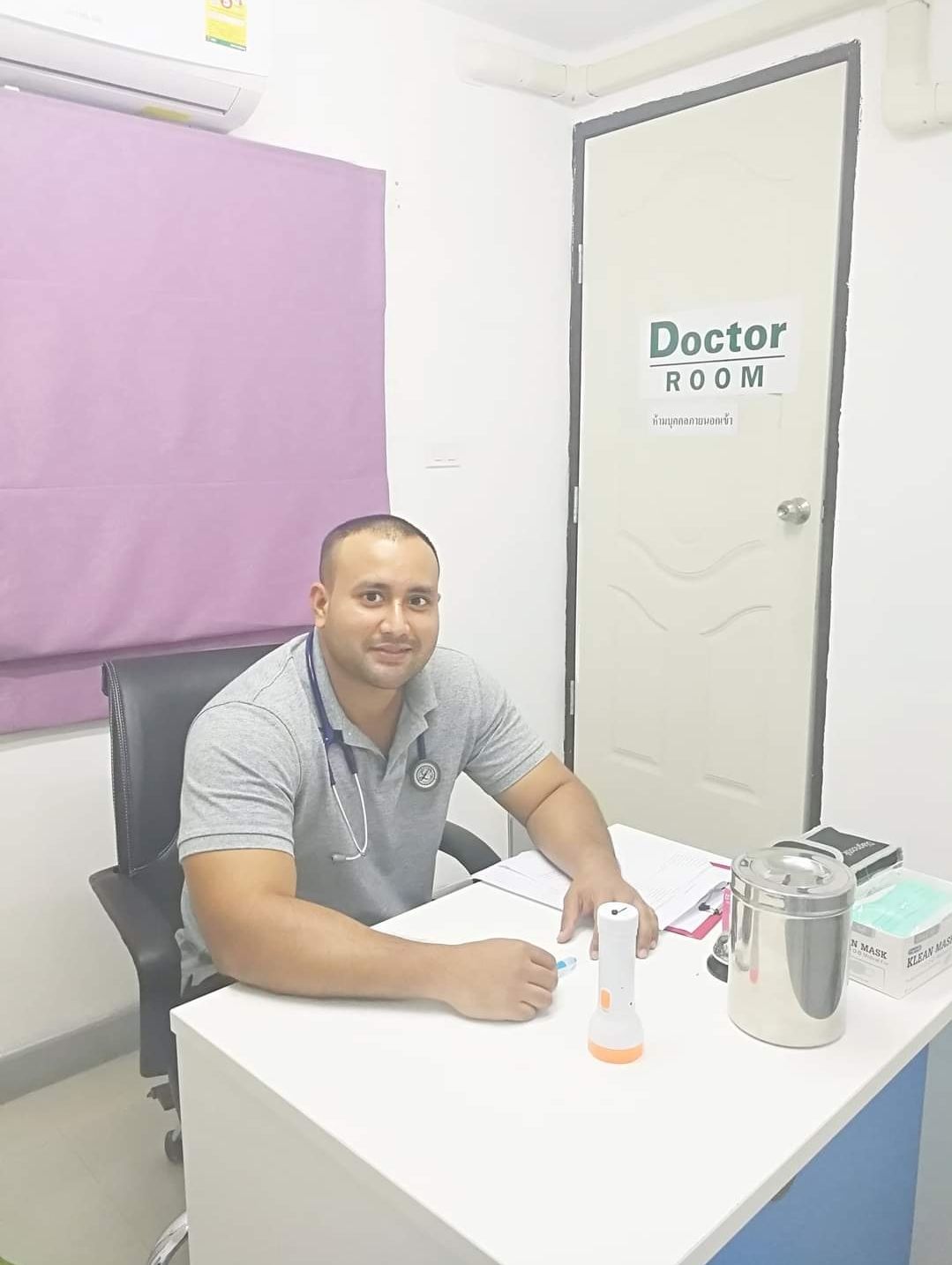
Dr. Ponlawat Pitsuwan is a physician at Doctor Bangkok, a private clinic in central Bangkok. He sees expats, residents, and medical tourists for general medicine, wellness consultations, and IV therapy. His focus is straightforward, evidence-based care delivered in plain language.