


Clinically reviewed by Dr. Ponlawat Pitsuwan, Physician, Doctor Bangkok. Last reviewed: July 2026
Nipah virus is a rare but serious infection spread mainly through contact with infected bats, pigs, or people. No confirmed human cases have been reported in Thailand. The biggest risk for Bangkok residents is imported cases from travellers arriving from active outbreak zones, particularly West Bengal and Bangladesh. If you have fever, headache, or neurological symptoms within three weeks of travel to a high-risk area, see a doctor and tell them where you have been.
If you are an expat living in Bangkok and you have been following news about Nipah outbreaks in India, you are probably wondering how worried you actually need to be. That is a fair question, and I want to give you a straight answer.
If you live and work in central Bangkok and have not recently travelled to rural South Asia, your risk right now is very low. But if you have just come back from West Bengal, Bangladesh, or Kerala and you are running a fever, that changes things. This article is for both groups.

What Is Nipah Virus and Where Does It Come From
Nipah is a virus that starts in animals and can jump to humans. Fruit bats, specifically large flying foxes, are the natural host. The virus lives in them without making them sick.
Humans get exposed in a few main ways. Direct contact with infected bats or their urine, saliva, or droppings is one route. Drinking raw date palm sap contaminated by bats is a well-documented cause of outbreaks in Bangladesh. In some outbreaks, pigs served as a middle host before spreading the virus to people.
Human-to-human transmission does happen, and this is what makes Nipah different from many other animal-origin viruses. Close contact with a sick person’s bodily fluids, particularly in a hospital or home care setting without protective equipment, has driven cluster outbreaks in India.
Symptoms — Early Warning Signs and How Fast Things Can Change
This is the part I want you to pay close attention to. Nipah starts looking like almost anything else.
The first few days bring fever, headache, muscle pain, sore throat, and sometimes vomiting. Nothing about that picture tells you it is Nipah. It looks like flu, dengue, or a bad travel stomach. Most patients and many clinicians would not suspect Nipah at this stage.
What happens next is where it becomes serious. In a significant number of cases, the disease moves into the brain within five to seven days. Patients develop confusion, drowsiness, seizures, and in severe cases, coma. This can escalate fast.
There is one more thing most patients do not know. Some people who survive Nipah can develop delayed brain inflammation months or even years later. This is not common, but it is documented. Do not wait to see if a fever improves on its own when you have a relevant travel history.

Why Nipah Virus Is Taken So Seriously
The death rate varies between outbreaks but has ranged from roughly 40 to 75 percent in documented cases, according to the WHO. That is extraordinarily high for any infectious disease.
Nipah is classified as a biosafety level 4 pathogen, the same category as Ebola. It is also on the WHO priority pathogen list, meaning global health authorities consider it one of the diseases most likely to cause a future public health emergency.
There is currently no licensed vaccine and no proven antiviral treatment. High lethality, no specific treatment, and some human-to-human spread is exactly why public health systems monitor it so closely.
Nipah Virus and Thailand — What the Risk Actually Looks Like Here
Thailand has never reported a confirmed human case of Nipah virus. Thai fruit bats do carry the virus, but at a much lower rate than bats in India and Bangladesh. Thai authorities, including the Department of Disease Control, have established buffer zones around pig farms in areas with high bat activity, specifically to prevent the transmission chain that triggered the original Malaysian outbreak in the late 1990s.
The more realistic Bangkok risk is not local transmission. It is imported cases. Direct flights from Kolkata to Suvarnabhumi, Don Mueang, and Phuket airports run regularly. During active outbreaks in West Bengal or Bangladesh, Bangkok is effectively the first Southeast Asian arrival point for travellers who may have been exposed. Airport screening, including thermal imaging and health declarations, is designed to catch exactly this.
The Thai Department of Disease Control runs a dedicated hotline at 1422 for official guidance. For a clinical assessment from an English-speaking doctor, Doctor Bangkok is a practical first stop.
How Nipah Virus Is Diagnosed
Nipah testing is not something you can self-refer for. The process starts with a doctor taking your history, specifically your travel history and symptom timeline, and deciding whether testing is warranted.
If a clinician suspects Nipah, testing uses a method called RT-PCR, which looks for the virus’s genetic material in throat swabs, blood, or urine. Thailand’s national reference laboratory at the Department of Medical Sciences can process these samples, with results available within approximately eight hours of receipt.
If you come to Doctor Bangkok with fever after travel to a high-risk area, we take a full travel and exposure history, assess your symptoms, and coordinate referral through the appropriate public health channels if Nipah is a clinical concern. This is not a situation where you want to work through the system alone.
Treatment — What Happens If You Are Infected
There is no specific licensed treatment for Nipah. I tell patients this not to alarm them, but because honest information leads to better decisions.
Supportive care is the standard approach. That means managing fever, keeping the body hydrated, controlling seizures if they occur, and providing breathing support in severe cases. When this is delivered early and in an appropriate clinical setting, outcomes are better.
Several treatments are under active investigation. Monoclonal antibody therapy targeting Nipah has shown early promise in research settings. Remdesivir, which many people know from COVID-19, has shown protective effects in animal studies. Neither is approved for routine use as of now, but trials are ongoing.
The absence of a specific treatment is a reason to get assessed early, not a reason to delay. Early supportive care makes the most difference.
When to See a Doctor in Bangkok — Making the Decision Simple
If you have fever, headache, or any neurological symptoms within 21 days of returning from West Bengal, Bangladesh, Kerala, or any area with an active Nipah alert, contact a doctor today. Tell the clinic where you have been. That travel history is the most important piece of information we have.
If you visited rural parts of Thailand with heavy bat populations and had direct contact with bats or animals, and you now have a fever, come in. The risk is lower than in South Asia, but it is not zero.
If you live and work in central Bangkok and have not travelled to any of the above, your risk is low. Standard hygiene and awareness are enough. No need for panic.
Our travel health service at Doctor Bangkok is the right starting point for any of these situations. We can do a proper assessment, rule out other causes of fever, and make sure the right steps happen in the right order.
Prevention — Practical Steps That Actually Apply to You
For most Bangkok expats, the advice is straightforward. Avoid contact with bats and their environments, especially in caves or rural fruit orchards. Do not drink raw date palm sap if you travel to Bangladesh or rural India. Wash and peel fruit when travelling in rural South Asia.
If you are going to a region with known Nipah activity, check the DDC and WHO travel advisories before you leave. Know the symptoms. Have a plan for where to go if you feel unwell on return.
For healthcare workers or caregivers in close contact with a potentially infected patient, proper protective equipment is essential. Human-to-human transmission in Nipah outbreaks has occurred almost entirely in this setting, without adequate protection.
Before and after travel to high-risk regions, our travel health service at Doctor Bangkok can provide a pre-travel briefing and post-travel assessment as part of a routine travel medicine consultation.
Using the Doctor Bangkok Nipah Virus Symptoms Checklist
If you are unsure whether your symptoms warrant a visit, the Doctor Bangkok travel health page includes a Nipah virus symptoms checklist designed to help you do a quick, honest self-assessment.
It covers key early warning signs, red-flag neurological symptoms that need urgent attention, and the travel history factors that raise clinical concern. It is not a diagnostic tool and does not replace a doctor’s assessment. But it gives you a structured way to think through what you are experiencing before you call or book.
If the checklist flags concern, call us. Do not sit on it.
Returned from India, Bangladesh, or another high-risk area and feeling unwell? Our English-speaking doctors at Doctor Bangkok are experienced in travel medicine and infectious disease assessment. We take a full travel history, assess your symptoms properly, and make sure the right steps follow. BTS accessible, central Bangkok. Book a consultation at doctorbangkok.co.th or visit our travel health clinic in Bangkok to learn more.
Has Nipah virus ever been detected in humans in Thailand?
No confirmed human cases of Nipah virus have ever been reported in Thailand. Thai fruit bats carry the virus, but at a lower rate than bats in India and Bangladesh. The DDC has implemented pig-farm buffer zones in high-risk provinces to prevent animal-to-human spread. The main concern for Bangkok residents is imported cases via direct flights from outbreak zones, which is why airport screening remains active.
What are the first symptoms of Nipah virus and how fast do they progress?
Nipah starts with fever, headache, muscle aches, sore throat, and sometimes vomiting, which is easy to confuse with flu or dengue. Within five to seven days, a significant number of cases escalate to confusion, seizures, and coma. If you have these symptoms and a recent travel history from a risk zone, use the Nipah virus symptoms checklist at Doctor Bangkok as a first step, then come in.
I just returned from India with a fever. What should I do in Bangkok?
Tell your doctor where you have been and when symptoms started. Thailand’s DDC advises anyone with symptoms within 21 days of arriving from a risk zone to seek medical attention promptly and disclose their travel history. Doctor Bangkok’s English-speaking clinicians can take a proper exposure history, assess whether further testing or public health referral is needed, and guide you clearly through the process. You can also call the DDC hotline at 1422 for official guidance.
How is Nipah virus diagnosed, and can I get tested at a private clinic in Bangkok?
Early diagnosis uses RT-PCR testing on throat swabs, blood, or urine, and Thailand’s national reference laboratory can return results within approximately eight hours. Nipah testing is not a standard private clinic walk-in test. The right first step is a clinical assessment at a clinic like Doctor Bangkok, where a doctor takes your history and determines whether referral for confirmed testing through public health channels is appropriate.
Is there a vaccine or treatment for Nipah virus?
There is no licensed vaccine or specific antiviral for Nipah as of now. Treatment is supportive, covering fever, hydration, seizures, and breathing. Investigational options including monoclonal antibodies and remdesivir are under study and showing early promise. Early supportive care in a proper clinical setting is associated with better outcomes, which is a strong reason not to delay seeking help.
Should Bangkok expats be worried about Nipah virus right now?
If you live and work in central Bangkok without recent travel to an active outbreak zone, your risk is genuinely low. Nipah has never caused a human case in Thailand, and local transmission conditions are not favourable. If you have recently returned from West Bengal, Bangladesh, or Kerala, a prompt assessment is the right call. Awareness is sensible. Panic is not warranted.
Dr. Ponlawat Pitsuwan
Physician, Doctor Bangkok
a private medical clinic in central Bangkok. He sees expats, residents, and medical tourists for travel medicine consultations, fever assessment, infectious disease concerns, and general medical care. His focus is straightforward, evidence-based care delivered in plain language.
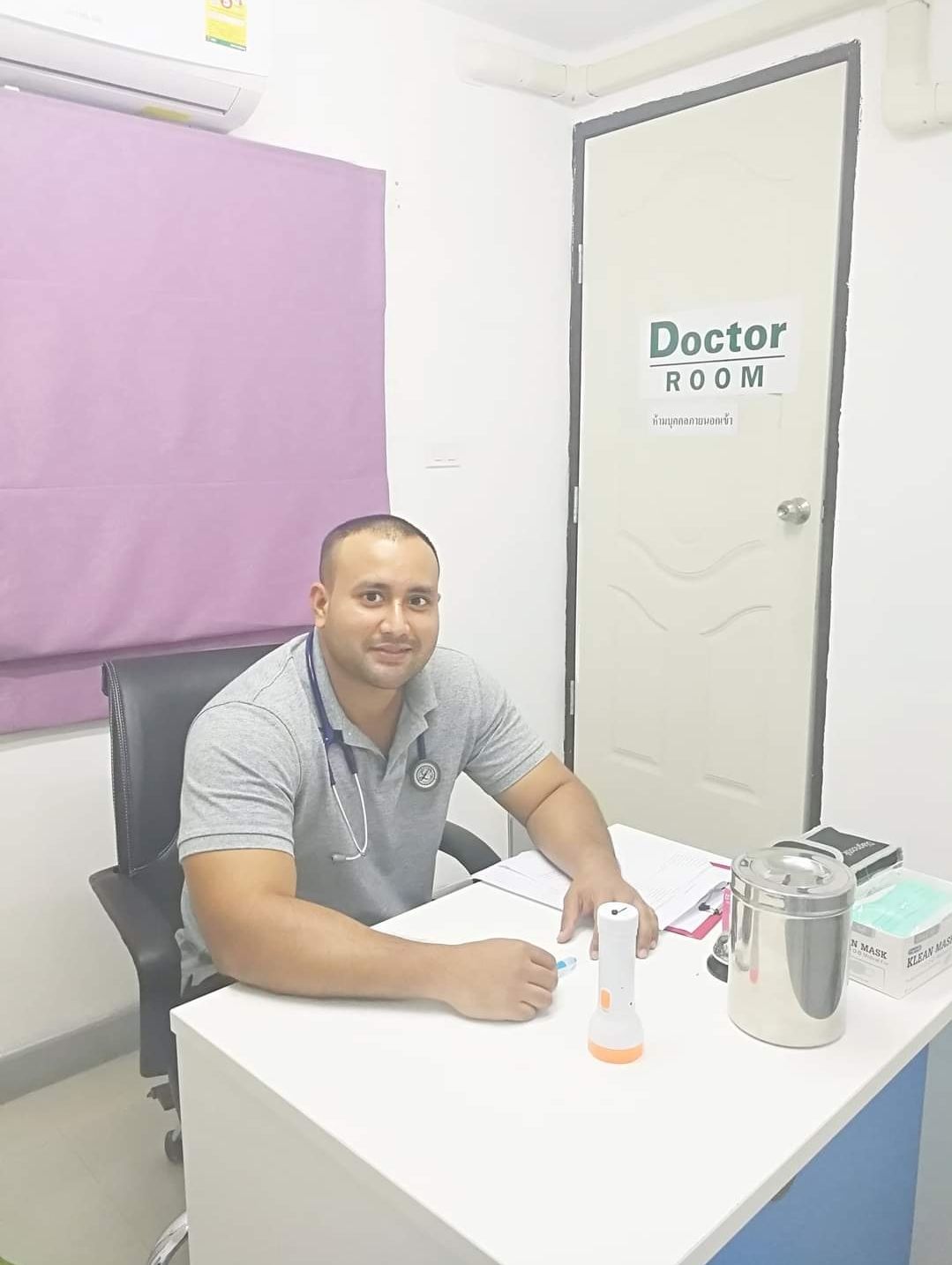
Dr. Ponlawat Pitsuwan is a physician at Doctor Bangkok, a private clinic in central Bangkok. He sees expats, residents, and medical tourists for general medicine, wellness consultations, and IV therapy. His focus is straightforward, evidence-based care delivered in plain language.