


Clinically reviewed by Dr. Ponlawat Pitsuwan, Physician, Doctor Bangkok. Last reviewed: August 2026
Nipah virus is a rare but serious infection that kills between 40 and 75 percent of people who catch it. There is no approved vaccine and no specific treatment. Outbreaks keep recurring in India, most recently in Kerala and West Bengal. If you are an expat or traveller in Bangkok who has recently visited India and you develop fever, headache, or any neurological symptoms, see a doctor and tell them exactly where you have been.
If you are reading this after a trip to India, or because a news alert about another outbreak caught your eye, you are in the right place. Nipah virus is one of those infections that sounds alarming in headlines and genuinely is serious. But the actual risk to most travellers is much lower than the coverage suggests.
Here is what matters upfront: Thailand has recorded zero human Nipah cases. The risk to expats in Bangkok is currently very low. That said, Nipah is on the WHO priority pathogen list for good reason. It spreads from animals to humans, it kills a high proportion of people it infects, and it has no approved treatment. Knowing what to watch for, and when to act, is worth your time.

What the Recent Nipah Virus Outbreak in India Actually Looks Like
India has seen multiple Nipah outbreaks over the years, mostly in Kerala and West Bengal. The 2025 Kerala outbreak was notable because it was the first time cases appeared in Palakkad District. Four people were infected between April and July 2025. Two died.
In January 2026, WHO confirmed new cases among healthcare workers in West Bengal. This is a pattern that repeats: a patient arrives with severe encephalitis, staff are exposed before Nipah is suspected, and the outbreak spreads inside the hospital before contact tracing begins. It is one of the reasons this virus is taken so seriously by public health authorities.
The outbreaks have been geographically contained so far. India’s response, including rapid contact tracing and isolation, has prevented wider spread each time.
Why India’s Nipah Outbreaks Keep Recurring
The short answer is ecology. India is home to large colonies of Pteropus fruit bats, the primary animal reservoir for Nipah. In parts of Kerala and West Bengal, these bats live close to human settlements and fruit orchards.
India carries the NiV-B strain of the virus. This strain has a case fatality rate between 40 and 75 percent and is the one behind every recent Indian outbreak.
Date palm sap is another route that matters in this region. Bats contaminate open sap containers overnight. People drink the raw sap in the morning and get infected. This spillover keeps the virus cycling back into human populations.

How Nipah Virus Spreads
You get Nipah by coming into close contact with an infected animal or person, or by consuming something contaminated by infected bats.
After the first spillover from bats, the virus can pass between people through direct contact with body fluids including saliva, urine, or respiratory secretions. This is why healthcare workers are disproportionately affected once an outbreak starts.
What is reassuring: casual contact does not spread Nipah. You do not catch it from being in the same country, city, or building as an infected person. You need close, unprotected contact with someone who is actively ill, or direct exposure to bat-contaminated food or environments.
Nipah Virus Symptoms — From Early Warning Signs to Severe Complications
Early symptoms look like a bad flu: fever, headache, muscle pain, vomiting, and sore throat. This is why it gets missed at first.
The warning sign to remember is neurological deterioration. Dizziness, confusion, and altered consciousness can follow within days of the initial fever. This can progress to encephalitis, which is brain inflammation, or coma, within 24 to 48 hours in severe cases.
The incubation period is typically 3 to 14 days after exposure, and in rare cases up to 45 days. That window matters for anyone returning from an outbreak area. About 20 percent of survivors experience lasting effects including memory problems, personality changes, and seizures.
No Vaccine, No Approved Antiviral — What Treatment Actually Looks Like
There is no approved vaccine and no specific antiviral treatment for Nipah as of 2026. What doctors can do is support the body while it fights the infection.
That means intensive care: oxygen, ventilator support if breathing fails, IV fluids, seizure management, and close neurological monitoring. Some patients have received experimental therapies on a case-by-case basis, but none are approved for standard clinical use.
This is why early recognition matters so much. The sooner a patient is isolated and in a facility equipped to manage severe encephalitis and respiratory failure, the better the outcome.
Nipah Virus and Thailand — What Bangkok Residents and Expats Should Know
Thailand has not recorded a single confirmed human Nipah case. Some local fruit bats carry the virus, but this has never led to human infection here.
Thai health authorities are not complacent. Airport screening at Suvarnabhumi, Don Mueang, and Phuket is active for arrivals from India and Bangladesh, with travel history checks for symptomatic passengers. These are standard protocols for an emerging infection at outbreak-level activity in a nearby country.
For expats and residents in Bangkok, your real risk from Nipah is very low. After travel to India, dengue, typhoid, and other infections are far more likely causes of illness. But if you have visited an outbreak area and feel unwell, do not wait.
When Should You See a Doctor in Bangkok After Visiting India?
If you have returned from India in the last 45 days and you develop fever with any of the following, come in: severe headache, muscle pain and vomiting together, dizziness or confusion, or any change in how alert you feel.
The statistical probability of Nipah is very low. But a post-travel fever needs proper assessment regardless, because dengue, typhoid, and other travel-related infections all need prompt testing and treatment too.
When you see any doctor, tell them exactly where you went in India, how long you were there, whether you had contact with animals or bat habitats, and whether you were near anyone who was seriously ill. That travel history changes how your symptoms are evaluated.
Doctor Bangkok offers fever assessment and travel medicine consultations at our Sukhumvit Soi 13 clinic, with English-speaking physicians available. We take a full travel history, order appropriate blood work, and coordinate with infectious disease specialists when needed. Most patients leave with a clear clinical picture the same day.
If your symptoms include altered consciousness, seizure, or rapid neurological decline, go directly to a hospital emergency department or call an ambulance. That is not a clinic situation.
Returned from India with a fever, headache, or symptoms you are not sure about? Doctor Bangkok’s English-speaking physicians at Sukhumvit Soi 13 offer same-day fever assessment and travel medicine consultations. We take a full travel history, run appropriate blood tests, and give you a clear answer fast. Visit doctorbangkok.co.th or call the clinic directly to book.
Is Thailand at risk from the Nipah virus outbreak in India?
Thailand has confirmed zero human Nipah cases to date, and current risk for residents and expats in Bangkok is considered very low. Some local fruit bats carry the virus, but this has never led to human infection here. Airports including Suvarnabhumi and Don Mueang are running enhanced screening for arrivals from India and Bangladesh.
What are the early warning signs of Nipah virus?
Early symptoms are fever, severe headache, muscle pain, vomiting, and sore throat, usually appearing 3 to 14 days after exposure. The red flag is rapid neurological change: dizziness, confusion, or altered consciousness following the initial fever. If you have recently visited India and develop these symptoms together, see a doctor and give your full travel history.
Is there a Nipah virus vaccine or treatment available?
No approved vaccine or specific antiviral exists for Nipah as of 2026. Treatment is supportive care in an intensive setting, including ventilator support and neurological monitoring. Early recognition and isolation remain the most important factors in patient outcome.
Should I see a doctor in Bangkok after returning from India with a fever?
Yes, particularly if fever comes with headache, vomiting, or any neurological symptoms. Nipah is statistically unlikely, but dengue, typhoid, and other travel-related infections need prompt assessment regardless. Tell your doctor your complete travel itinerary and any animal or patient contact. Doctor Bangkok offers same-day travel fever assessments at our Sukhumvit Soi 13 clinic.
Can Nipah virus spread through casual contact or air travel?
No. Casual contact does not transmit Nipah. You need close, direct contact with the body fluids of someone who is actively infected, or exposure to bat-contaminated food or environments. Sitting near someone on a flight or being in the same country as an outbreak does not put you at meaningful risk.
How is Nipah different from Japanese Encephalitis?
Both cause serious brain inflammation, but Japanese Encephalitis is mosquito-borne and vaccine-preventable. Nipah is bat-borne with no approved vaccine and carries a higher fatality rate. Because early symptoms overlap, travel history is essential for any doctor assessing a patient with fever and neurological signs after travel to South or Southeast Asia.
Dr. Ponlawat Pitsuwan
Physician, Doctor Bangkok
a private medical clinic in central Bangkok. He sees expats, residents, and medical tourists for fever assessment, travel medicine, infectious disease evaluation, and general medical consultations. His focus is straightforward, evidence-based care delivered in plain language.
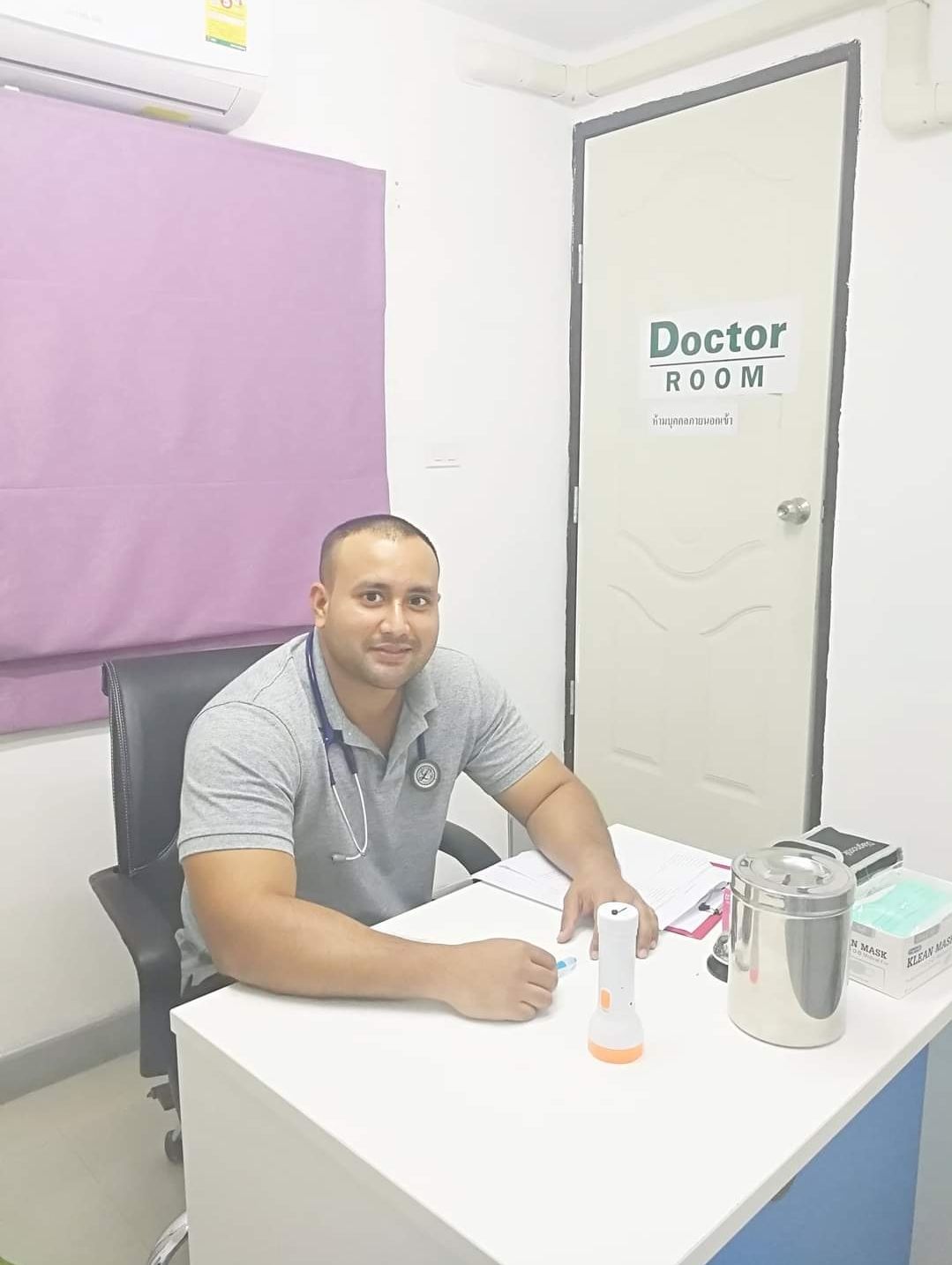
Dr. Ponlawat Pitsuwan is a physician at Doctor Bangkok, a private clinic in central Bangkok. He sees expats, residents, and medical tourists for general medicine, wellness consultations, and IV therapy. His focus is straightforward, evidence-based care delivered in plain language.