


Clinically reviewed by Dr. Ponlawat Pitsuwan, Physician, Doctor Bangkok. Last reviewed: August 2026
Nipah virus starts like a bad flu: fever, headache, muscle aches, vomiting. Within days it can cause confusion, seizures, and coma. No confirmed human cases have ever been reported in Thailand, but regional outbreaks in India and Bangladesh mean this is a virus any Bangkok expat or traveller should know how to recognise. If you have a fever plus neurological symptoms after travel from South Asia, get assessed today.
If you are reading this after a trip to India or Bangladesh, or because you saw a headline about an outbreak, I understand. Most of the time, a fever in Bangkok is dengue or flu. But nipah virus symptoms are different enough, and serious enough, that you should know what to look for before you decide what to do next.
Nipah does not spread easily the way flu does, but when it does spread, it moves fast. The case fatality rate sits between 40 and 75 percent depending on the outbreak. That number alone should make you take any post-travel fever seriously.

Nipah Virus Symptoms and How They Progress
Most patients do not arrive looking like a textbook case. They arrive looking like someone with a bad flu. The difference is in what happens next.
In the first few days you get fever, headache, muscle aches, sore throat, and vomiting. That is the window where almost everyone assumes it is dengue, flu, or food poisoning. At this stage, it is genuinely hard to tell without a travel history and a blood test.
By the end of the first week, some patients start showing neurological signs: confusion, disorientation, difficulty staying awake. This is the red flag. Flu does not do this. Dengue can cause confusion in severe cases, but it usually comes with a rash and a specific blood picture. Encephalitis from Nipah moves faster and more aggressively than most fevers we see in Bangkok.
In severe cases, the patient progresses to seizures, coma, and breathing difficulty. This can happen within 7 to 10 days of the first symptom. If someone is deteriorating this fast, this is not a wait-and-see situation.
How Nipah Differs From Dengue, Flu, and Other Bangkok Fevers
This is the question I would want answered if I were a worried expat at 2am.
| Feature | Nipah Virus | Dengue Fever | Influenza |
|---|---|---|---|
| Fever onset | Sudden | Sudden | Sudden |
| Headache | Severe | Severe, behind eyes | Moderate to severe |
| Muscle aches | Yes | Severe (breakbone pain) | Yes |
| Rash | Rare | Common by day 3 to 5 | Rare |
| Vomiting | Common | Common | Sometimes |
| Neurological signs | Yes, often rapid | Only in severe dengue | No |
| Confusion or seizures | Yes, hallmark sign | Rare | No |
| Respiratory symptoms | Sometimes | Rare | Yes, prominent |
| Travel risk factor | Bat or pig exposure, South Asia outbreak zone | Mosquito exposure anywhere in Thailand | Sick contacts anywhere |
| Speed of deterioration | Very fast, days | Usually gradual | Usually gradual |
The biggest clinical clue is neurological deterioration in someone with a travel history from an active outbreak region. That combination needs urgent assessment, not paracetamol and rest.
One practical point: do not take ibuprofen or other anti-inflammatory painkillers until dengue has been ruled out. Dengue can cause dangerous bleeding, and those medications make that worse. Paracetamol is safe while you wait to be seen.

How Nipah Virus Spreads
Nipah jumps from animals to humans. The primary animal hosts are Pteropus fruit bats, also called flying foxes, which shed the virus in their urine, saliva, and droppings.
In Bangladesh, one documented route is drinking raw date palm sap that bats have contaminated overnight. In India, recent outbreaks in Kerala and West Bengal have involved direct bat contact or person-to-person spread in healthcare settings.
Human-to-human transmission requires prolonged close contact with body fluids. You are not going to catch Nipah on the BTS or sitting next to someone in a hotel lobby. The risk is in caregiving without proper protection. That is a critical distinction.
Nipah Virus Risk in Thailand and Bangkok
No confirmed human Nipah cases have ever been reported in Thailand. That is the honest answer.
Thai fruit bats do carry the Henipavirus family, and the Department of Disease Control monitors this. But Thailand has had no documented spillover to humans. Bangkok’s urban environment carries very low risk. You are far more likely to have dengue.
The risk scenario worth flagging is this: someone who has recently arrived from Kerala, West Bengal, or Bangladesh during an active outbreak, and who develops fever with neurological symptoms within 21 days of travel. Suvarnabhumi airport has had thermal screening in place during regional outbreak periods, but screening misses early-stage cases.
If you have arrived from one of those regions and feel unwell, tell your doctor immediately. The travel history changes everything about how we assess you.
Testing and Treatment for Nipah Virus
At Doctor Bangkok, the most important diagnostic tool we have at the early stage is a detailed travel history. We take that before anything else.
Testing is done by RT-PCR on a throat swab, blood, or urine sample. Results are not instant, and in a suspected outbreak-related case, samples are coordinated with national laboratory systems.
There is no licensed antiviral for Nipah and no approved vaccine. An investigational monoclonal antibody called m102.4 has shown promise in early research and has been used in some cases under compassionate access, but it is not a standard option.
What we can do is supportive care, and starting it early matters. That means managing fever, maintaining fluid balance, controlling seizures, and supporting breathing in severe cases. The patients who do best get to clinical monitoring early rather than waiting three days to see if things improve.
Long-Term Effects After Nipah Infection
Surviving Nipah does not always mean a clean recovery. This is something most people do not think about.
A meaningful proportion of survivors develop persistent neurological effects: recurrent seizures, memory problems, and personality changes that can last months or longer. The brain takes a hit it does not always fully recover from.
There is also a documented pattern of relapsing encephalitis, where a person appears to recover and then develops brain inflammation again weeks or months later. It is rare, but it is real.
If a family member survived Nipah and is now experiencing personality changes or new seizures, they need specialist neurological follow-up. Recovery from the acute illness is not the same as full recovery.
When to See a Doctor in Bangkok for Nipah Symptoms
Fever plus confusion after travel from South Asia means see a doctor today. Do not wait.
The cases I take most seriously are the ones where a neurological symptom sits alongside the fever, even something subtle like being slightly slower to answer questions or saying they feel "strange." That is not normal fever behaviour. That is a red flag.
With most Bangkok fevers, a day or two does not change the outcome significantly. With nipah virus symptoms, that window matters more. Early assessment, early diagnosis, early supportive care.
If you have fever, headache, and any neurological symptom after travel from an active outbreak region, contact Doctor Bangkok. If you are not sure whether your region was active, come in anyway and bring your travel history. We will take it from there.
Fever after travel and not sure what you are dealing with? At Doctor Bangkok, our English-speaking physicians assess travel-related fevers including dengue, typhoid, and emerging infectious diseases like Nipah. We are centrally located in Bangkok and BTS accessible. Same-day appointments available. Visit doctorbangkok.co.th or contact us directly to book.
Is there a risk of catching Nipah virus in Bangkok?
No confirmed human cases have ever been reported in Thailand. Bangkok’s urban environment carries very low risk. The relevant scenario is someone who has recently arrived from an active outbreak zone in South Asia and develops fever with neurological symptoms within 21 days of travel. If that is you, come in and tell us your travel history.
How do I know if my fever is Nipah rather than dengue or flu?
Early symptoms overlap heavily. The key difference is neurological deterioration: confusion, seizures, and altered consciousness are hallmarks of Nipah and are not typical in flu or early dengue. If you have fever plus any neurological symptom after travel from India or Bangladesh, get assessed rather than waiting. Do not take ibuprofen until dengue has been ruled out.
Can Nipah spread on the BTS or in a hotel?
No. Nipah does not spread through casual contact or shared air the way flu does. Transmission requires prolonged close contact with the body fluids of an infected person, typically in a caregiving setting. Normal Bangkok daily life carries negligible transmission risk.
What should I do if I have symptoms after travelling from India or Bangladesh?
Keep away from others, avoid NSAIDs, and contact a doctor immediately. Tell them your travel history and the exact regions you visited. Doctor Bangkok offers same-day assessments. Early testing and supportive care make a real difference.
Are there long-term effects if you survive Nipah virus?
Yes, for some survivors. Persistent seizures, memory problems, and personality changes can develop and last months. A small number of survivors have experienced relapsing encephalitis weeks or months after apparent recovery. Anyone who has survived Nipah encephalitis needs ongoing neurological follow-up, not just a discharge and a handshake.
Is there a treatment or vaccine for Nipah virus?
No licensed antiviral or approved vaccine currently exists. An investigational treatment called m102.4 has been used in some cases under compassionate access but is not a standard option. Treatment is supportive care, and starting it early is what changes outcomes.
Dr. Ponlawat Pitsuwan
Physician, Doctor Bangkok
a private medical clinic in central Bangkok. He sees expats, residents, and medical tourists for fever assessment, travel medicine, infectious disease concerns, and general medical consultations. His focus is straightforward, evidence-based care delivered in plain language.
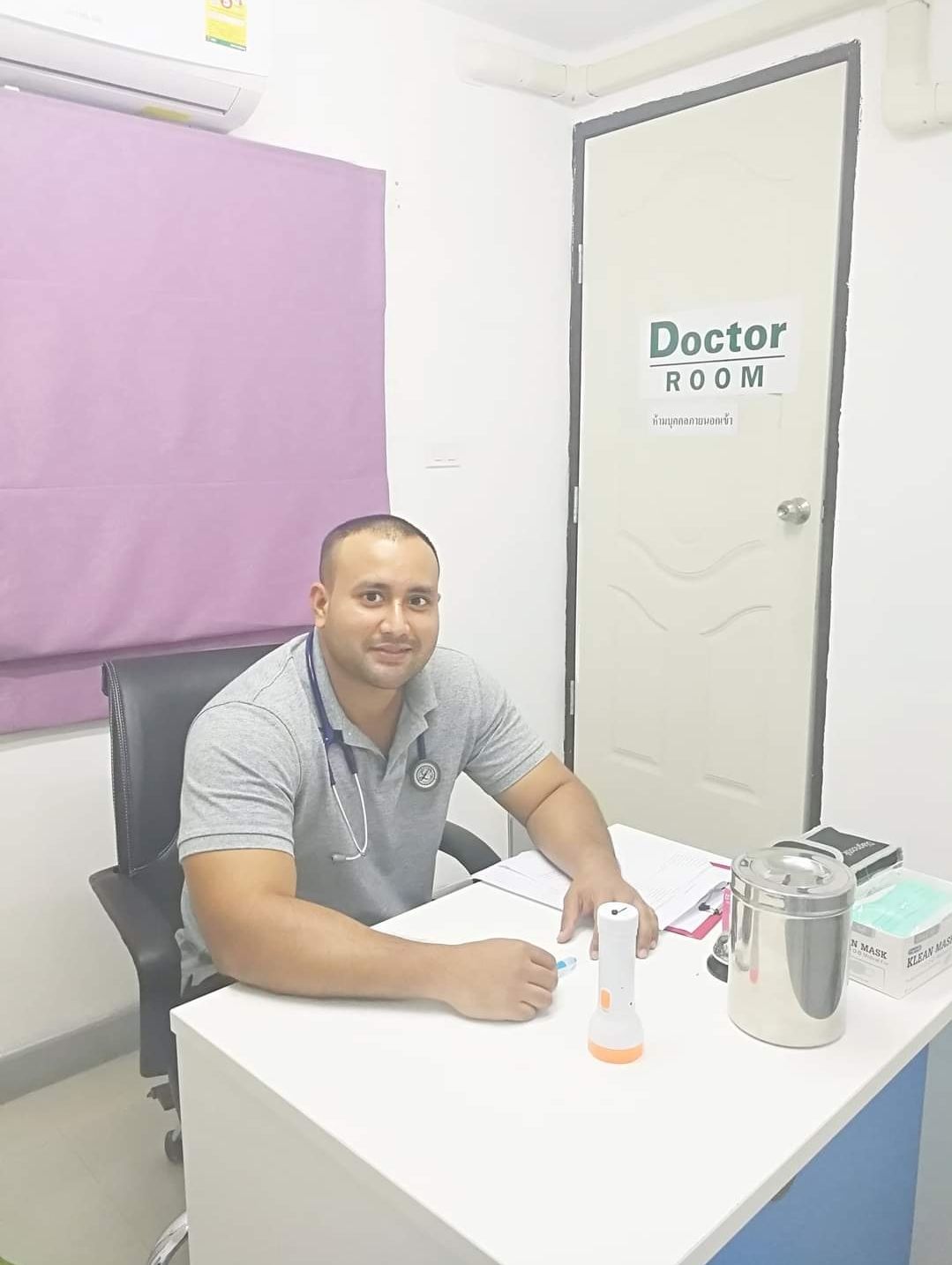
Dr. Ponlawat Pitsuwan is a physician at Doctor Bangkok, a private clinic in central Bangkok. He sees expats, residents, and medical tourists for general medicine, wellness consultations, and IV therapy. His focus is straightforward, evidence-based care delivered in plain language.