
Clinically reviewed by Dr. Ponlawat Pitsuwan, Physician, Doctor Bangkok. Last reviewed: October 2026
There are three main types of stem cell transplant: autologous (using your own cells), allogeneic (using a matched donor’s cells), and haploidentical (using a half-matched family member’s cells). Each carries different risks, benefits, and donor requirements. The right type depends on your diagnosis, your overall health, and who is available to donate. A specialist consultation should guide that decision.
A patient sits down with a recent blood cancer diagnosis and two weeks of online reading behind them. They know the words. What they do not know is which option actually applies to them, or what to ask next. That gap is what this article is for.
The three types of stem cell transplant each work differently. Autologous uses your own stored cells, so there is no rejection risk. Allogeneic uses a fully matched donor, which adds an immune benefit but also a complication called graft-versus-host disease. Haploidentical uses a half-matched family member, which sounds risky but has become a clinically sound option for patients who cannot find a full match. Understanding the difference matters before any treatment decision is made.
How a Stem Cell Transplant Actually Works
Here is the basic sequence. Your existing bone marrow, the tissue that makes blood cells, is cleared out using chemotherapy, sometimes combined with radiation. Then donor or stored stem cells are infused into your bloodstream. They travel to your bone marrow and begin producing new blood cells. This is called engraftment.
Engraftment typically takes two to four weeks. During that window, your immune system is very vulnerable. After engraftment, the new cells gradually rebuild your immune defences. How long this takes, and how smoothly it goes, depends heavily on which transplant type you receive.
Autologous Stem Cell Transplant — Using Your Own Cells
This is the most common type for conditions like multiple myeloma and certain lymphomas. The cells come from you, collected before your conditioning treatment begins. Your blood is passed through a machine that separates and collects stem cells, then the cells are frozen until needed.
Because the cells are your own, your immune system does not recognise them as foreign. There is no rejection and no graft-versus-host disease. Recovery tends to be faster, and the risk of serious immune complications is lower.
The limitation is that this approach resets your immune system rather than replacing it. For conditions like leukaemia, where the disease is embedded in the bone marrow itself, using your own cells risks reintroducing the cancer. That is where allogeneic transplants become the better choice.
Allogeneic Stem Cell Transplant — Donor-Based Treatment
An allogeneic transplant uses stem cells from another person. The donor must be HLA matched, meaning their immune proteins closely match yours. A well-matched sibling is the first choice. When no sibling match exists, doctors search large international databases of volunteer donors.
For expats in Bangkok, this raises a practical issue. Donor registry access typically runs through your home country’s healthcare system. If you are managing a diagnosis far from home, coordinating with a transplant centre abroad takes planning. An independent medical consultation early in the process is worth doing.
The key advantage of allogeneic transplants is the graft-versus-tumour effect. The donor’s immune cells recognise your cancer cells as foreign and attack them. This is a therapeutic benefit, not a side effect. It is the main reason allogeneic transplants are preferred for aggressive leukaemias and other blood cancers where the disease needs to be destroyed by a new immune system.
The trade-off is graft-versus-host disease, or GvHD. This happens when donor immune cells attack your own healthy tissues. It can be mild or severe, acute or chronic. Modern prevention strategies have reduced GvHD rates significantly, but it remains the most serious complication of this transplant type.
Haploidentical Stem Cell Transplant — A Half-Match Can Be Enough
A haploidentical transplant uses a donor who is a half-match, typically a parent, child, or sibling. Most people have at least one half-matched family member available. This option has opened the door for patients who cannot find a fully matched donor.
For years, haploidentical transplants carried a much higher GvHD risk. That changed with the wider use of post-transplant cyclophosphamide, known as PTCy. This is a drug given in the days after transplant that selectively reduces the immune cells most likely to cause GvHD. With PTCy, outcomes from haploidentical transplants are now comparable to matched-donor transplants in many clinical settings.
Immune recovery after a haploidentical transplant can take longer than after a matched allogeneic transplant, so close follow-up during recovery is essential. For patients living abroad without easy access to a national donor registry, haploidentical transplants offer a realistic path. The science supporting this approach has matured considerably over the past decade.
Stem Cell Sources — Bone Marrow, Peripheral Blood, and Cord Blood
Stem cells can be collected from three places, and the source affects how quickly engraftment happens and how the immune system recovers.
Peripheral blood is the most common source today. Stem cells are mobilised from the bone marrow into the bloodstream using medication, then collected. Engraftment is faster with peripheral blood, though chronic GvHD rates can be slightly higher in allogeneic settings.
Bone marrow collection is a surgical procedure done under anaesthesia. It is used less often now but remains the preferred source for some paediatric transplants and certain haploidentical protocols.
Umbilical cord blood is donated at birth and stored in cord blood banks. It requires less strict HLA matching, which makes it useful when no matched adult donor exists. The limitation is cell dose: cord blood units contain fewer stem cells, which can slow engraftment and increase early complications.
Comparing the Three Types of Stem Cell Transplant
| Feature | Autologous | Allogeneic | Haploidentical |
|---|---|---|---|
| Cell source | Patient’s own cells | Fully matched donor | Half-matched family member |
| GvHD risk | None | Moderate to high | Managed with PTCy |
| Graft-versus-tumour benefit | No | Yes | Yes |
| Donor needed | No | Yes — registry or matched sibling | Yes — parent, child, or sibling |
| Common diagnoses | Multiple myeloma, lymphoma | Leukaemia, MDS, aplastic anaemia | Patients without a matched donor |
| Engraftment speed | Faster | Moderate | Moderate to slower |
| Rejection risk | None | Low with good HLA match | Managed with conditioning |
A tandem transplant, where two sequential transplants are performed, is used in some high-risk cases, typically two autologous transplants for multiple myeloma. This is a specialist decision and not a standard first-line approach.
Syngeneic transplants use an identical twin as the donor. These are rare. There is no GvHD risk, but also no graft-versus-tumour benefit, since the immune systems are genetically identical.
Questions to Ask Before Committing to a Transplant Programme
Most patients I see have already been told they need a transplant. What they have not done is ask the right questions before signing on to a programme. A few matter more than others.
Ask whether the transplant type recommended matches your specific diagnosis, not just what the centre performs most often. Ask whether the conditioning regimen is full intensity or reduced intensity, and what that means for your recovery given your age and current health. Ask what GvHD prevention protocol the centre uses and what their outcomes look like.
If you are an expat in Bangkok coordinating care across borders, ask how your records will be transferred and who manages your care between cycles. Ask what happens if complications arise while you are back in Thailand. These are not difficult questions. They are the right ones.
At Doctor Bangkok, we offer pre-treatment medical consultations for patients at exactly this stage. You bring your records and your questions. We go through your transplant type options, help you evaluate the centres you are considering, and give you an honest clinical read in English before you commit to anything. You can find out more on our stem cell therapy page.
If you have been told you need a stem cell transplant and you are trying to understand your options before committing to a centre, Doctor Bangkok offers pre-treatment medical consultations in English in central Bangkok, with same-day and next-day availability. We will review your records, explain your transplant type options clearly, and help you ask the right questions before any decision is made. Visit doctorbangkok.co.th or contact us directly to book.
FAQ
Dr. Ponlawat Pitsuwan
Physician, Doctor Bangkok
a private medical clinic in central Bangkok. He sees expats, residents, and medical tourists for pre-treatment consultations, general medical assessments, and health checks, including patients navigating complex diagnoses such as blood cancers and bone marrow conditions. His focus is straightforward, evidence-based care delivered in plain language.
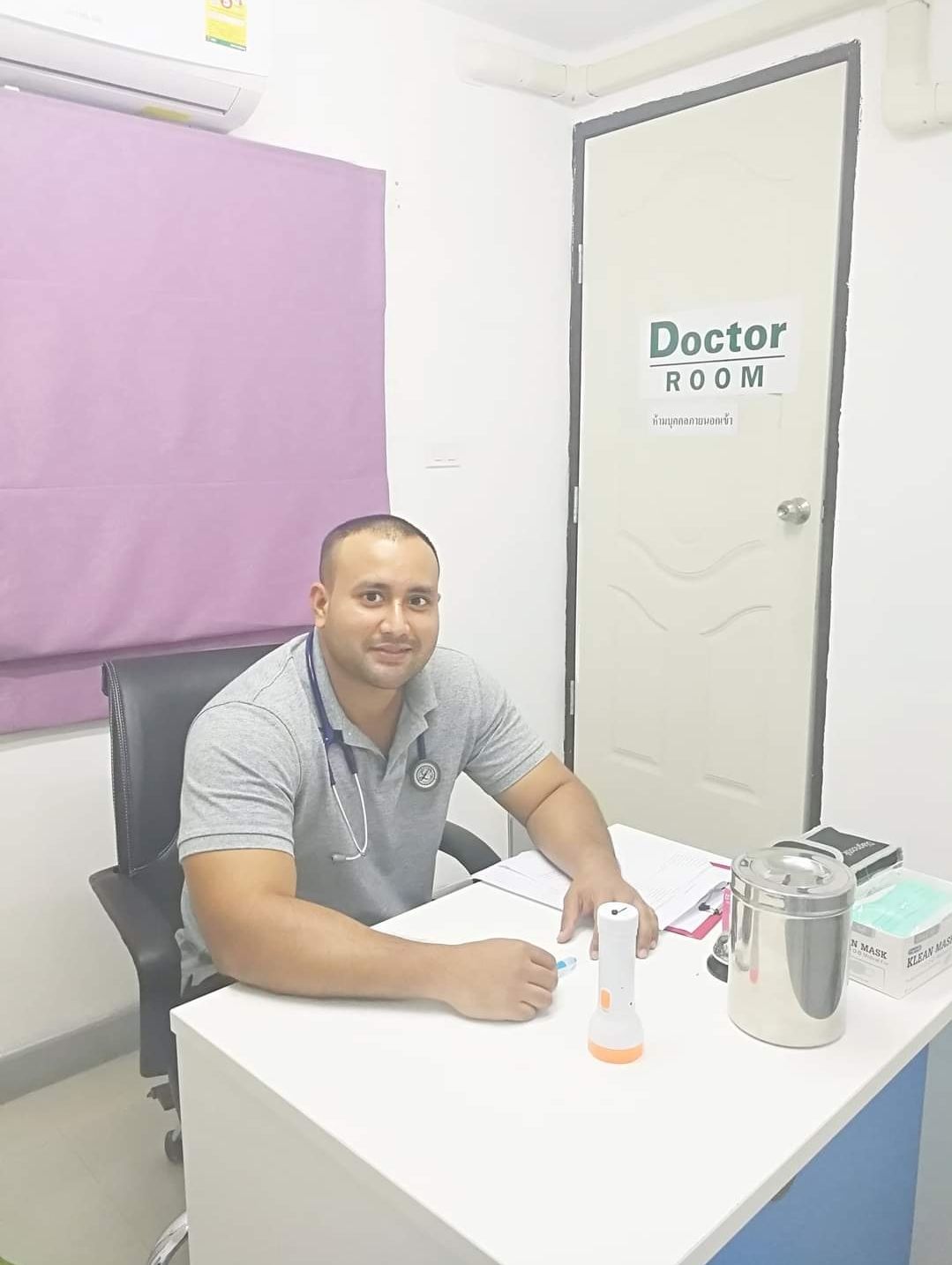
Dr. Ponlawat Pitsuwan is a physician at Doctor Bangkok, a private clinic in central Bangkok. He sees expats, residents, and medical tourists for general medicine, wellness consultations, and IV therapy. His focus is straightforward, evidence-based care delivered in plain language.