
Clinically reviewed by Dr. Ponlawat Pitsuwan, Physician, Doctor Bangkok.
Last reviewed: October 2026
Stem cell transplant side effects range from short-term reactions like fatigue, nausea, and low blood counts to longer-term complications including graft-versus-host disease, cognitive changes, and secondary malignancy risk. What you experience depends on your transplant type, your conditioning regimen, and the quality of care you received. Most acute side effects peak in the first 100 days. Some late effects appear months or years later.
A lot of patients come to me after a procedure abroad, or before one, wanting a straight answer about what to actually expect. Not a brochure. Not a liability checklist. Just: what is going to happen, and when should I worry?
The honest answer is that side effects vary a lot depending on what type of transplant you had and where you are in the process. Some are predictable and manageable. Others are rare but serious, and worth knowing about before they catch you off guard. If you are an expat in Bangkok preparing for treatment, recovering from one, or trying to make sense of ongoing symptoms, this gives you the clinical picture without the noise.

Autologous vs Allogeneic: Why Your Transplant Type Changes Everything
The type of transplant you had shapes your risk profile more than almost any other factor. I see patients who have been handed the same generic side effect list regardless of which procedure they actually had. That is not useful.
An autologous transplant uses your own stem cells, collected before high-dose chemotherapy and returned to you afterward. Because the cells are yours, your immune system does not fight them. Your main risks are infection during the period when your counts are very low, and the effects of the conditioning chemotherapy itself.
An allogeneic transplant uses cells from a donor. This introduces a risk that autologous patients simply do not face: graft-versus-host disease, or GVHD. The donor’s immune cells can attack your body’s own tissues. This is the most significant difference between the two types, and it is why allogeneic recipients need longer, more intensive follow-up.
Stem Cell Transplant Side Effects in the First 100 Days
The first 100 days are the most medically active. Your body is engrafting, meaning the new stem cells are settling into your bone marrow and beginning to produce blood cells again. Until that process is complete, you are vulnerable.
Fatigue is almost universal. It is not ordinary tiredness. Most patients are surprised by how heavy and persistent it is in the first weeks. Your white blood cell count drops sharply after conditioning, a period called neutropenia. During this window, even a minor infection can escalate fast. Fever above 38°C at this stage is not something to monitor at home. It needs prompt clinical review.
Mouth sores, nausea, vomiting, and diarrhoea are common with high-dose conditioning regimens. Platelet counts fall, raising your bruising and bleeding risk. These effects are typically worst in the first two to four weeks, then ease gradually as engraftment takes hold.
What Happens During the Infusion Itself
If your cells were stored frozen, they were preserved using a compound called DMSO. When the cells are infused, most patients notice a garlic-like taste or smell within seconds. Some experience nausea, flushing, chills, a headache, or a brief drop in blood pressure during or just after the infusion.
Your urine may appear red-tinged in the first 24 hours. This is expected and usually temporary. What is not expected: fever lasting beyond 24 to 48 hours, a severe allergic reaction, or chest tightness. Those need urgent review. If you are in Bangkok and need same-day assessment after an infusion, Doctor Bangkok can see you and advise in English.
Graft-Versus-Host Disease: What to Watch For
GVHD only applies to allogeneic transplants. If you had your own cells returned to you, this section does not apply. If you had donor cells, read it carefully.
Acute GVHD typically appears in the first 100 days. The first sign is often a flat red rash on the chest, palms, or soles of the feet. If it progresses, you may develop jaundice, significant diarrhoea, or abdominal cramping. These signal that donor immune cells are targeting your liver, gut, or skin.
Chronic GVHD appears after day 100 and can affect the eyes, mouth, throat, lungs, liver, and joints. It can present as dryness, stiffness, or changes in skin texture. These symptoms are easy to attribute to other causes. If you had an allogeneic transplant and notice any of these changes, they need clinical evaluation, not a wait-and-see approach.
Serious but Less Common Complications
These are not the most frequent side effects, but they are the ones most worth knowing about before they happen.
Sinusoidal obstructive syndrome affects small blood vessels in the liver. It causes rapid weight gain from fluid retention, pain in the upper right abdomen, and jaundice. It can progress quickly and requires urgent management.
A rare condition called transplant-associated thrombotic microangiopathy involves damage to small blood vessels throughout the body, sometimes affecting the kidneys and brain. Early signs can include fatigue, reduced urine output, and confusion.
Lung inflammation, called pneumonitis, can develop weeks after the procedure and may not be obvious at first. Secondary malignancy is a documented long-term risk following high-dose conditioning regimens. I raise these not to alarm anyone, but because most Bangkok-facing content on this topic simply leaves them out.
Long-Term and Late-Onset Side Effects That Patients Often Miss
Many patients assume that once they pass the 100-day mark, the difficult part is over. That is often true, but not always.
Fatigue can persist for up to two years. Cognitive changes, sometimes called chemobrain, are common and underreported. Patients describe difficulty concentrating, memory gaps, and slower thinking. This is a recognised consequence of high-dose chemotherapy, not something imagined, and it is worth raising with a physician if it is affecting daily function.
Infertility is a significant and often unexpected late effect, particularly in younger patients who received conditioning chemotherapy. It is a conversation worth having before treatment, not after. Osteoporosis, dental problems, and cataracts have also been documented as late effects, particularly after prolonged immunosuppression.
Structured follow-up over years, not just months, is the right approach. That includes watching for secondary malignancy, which is documented by major oncology bodies but rarely mentioned in Bangkok-facing content.
Why Clinic Standards in Bangkok Directly Affect Your Side Effect Risk
Bangkok has excellent regulated medical facilities. It also has providers operating with very little oversight. Peer-reviewed literature has documented serious outcomes, including multi-organ failure, linked to unregulated stem cell clinics in Thailand.
Before committing to any stem cell programme here, ask specific questions. Is the laboratory accredited? How are the cells sourced, processed, and stored? Is the facility GMP-certified? Who are the physicians and what are their credentials? A clinic that cannot answer these questions clearly is not a clinic you want delivering cells into your bloodstream.
This is also where an independent pre-treatment consultation adds real value. The physicians at Doctor Bangkok can review your planned treatment, assess your current health, and give you an honest clinical opinion before you proceed anywhere. There is no conflict of interest in your treatment choice.
How Doctor Bangkok Supports Recovery and Monitoring After Your Procedure
Post-procedure follow-up is almost entirely absent from Bangkok-focused medical content. That is a problem for expats who received treatment abroad or locally and now need clinical continuity.
At Doctor Bangkok, we see patients who are in Bangkok for treatment and need monitoring between sessions, those who completed a transplant overseas and returned here, and expats managing ongoing symptoms without a regular GP. We are centrally located, BTS accessible, and our physicians communicate in English.
Monitoring after a stem cell transplant involves regular blood tests, watching for signs of infection, and catching early signs of GVHD or organ complications. For patients who had their procedure at an unmonitored clinic, we can help establish a baseline and identify anything that needs further attention. You can find out more about our approach on our stem cell therapy in Bangkok service page.
If you are preparing for a stem cell transplant, recovering from one, or managing side effects in Bangkok, Doctor Bangkok offers same-day consultations with English-speaking physicians at our central clinic. We provide pre-treatment health assessments, post-procedure blood monitoring, and straightforward clinical advice with no waiting list. BTS accessible. Walk-ins welcome. Contact us to book your consultation.
How long do stem cell transplant side effects last?
Acute side effects, including low blood counts, fatigue, and infection risk, are most intense in the first 100 days. Fatigue can persist for up to two years. Some late effects, including cognitive changes, secondary malignancy risk, and chronic GVHD, can appear or continue well beyond that. If you are in Bangkok without a regular doctor, the physicians at Doctor Bangkok can monitor your recovery and flag anything that needs attention.
What is graft-versus-host disease and how do I know if I have it?
GVHD only occurs after allogeneic transplants, where donor cells are used. Early signs include a flat red rash on the chest, palms, or soles of the feet, with jaundice or diarrhoea possible if it progresses. Chronic GVHD can affect the eyes, mouth, liver, and joints months after the procedure. If you had a donor transplant and notice any of these changes, get a clinical assessment promptly rather than waiting to see if it resolves.
What should I expect in the first 48 hours after a stem cell infusion?
Common reactions include fever, chills, nausea, flushing, and headache, often from DMSO, a preservative used in frozen cell preparations. Your urine may appear reddish for the first 24 hours. These reactions are usually brief, but fever continuing beyond 24 to 48 hours or any sign of a severe allergic reaction needs urgent medical review. Doctor Bangkok offers same-day appointments for post-infusion assessment in English.
Is stem cell therapy in Bangkok safe, and how do I choose a clinic?
Bangkok has both accredited medical facilities and unregulated providers, and serious adverse outcomes linked to unaccredited clinics here are documented in medical literature. Before committing to any programme, ask about GMP certification, laboratory accreditation, cell sourcing, and physician credentials. If you want an independent clinical opinion before proceeding, Doctor Bangkok can assess your situation without any stake in which clinic you ultimately choose.
Can stem cell therapy cause cancer or long-term organ damage?
Secondary malignancy is a recognised long-term risk after high-dose conditioning regimens, and potential organ effects include liver, lung, kidney, and heart involvement, as well as cataracts and bone loss over time. These risks are best managed through structured long-term follow-up with a physician who knows your history. For expats based in Bangkok, that ongoing oversight is something we provide at Doctor Bangkok.
I had a stem cell procedure at a Bangkok clinic three months ago and I still feel exhausted. Is that normal?
Fatigue this far out is common and does not necessarily mean something is wrong, but it should be assessed rather than assumed away. Low blood counts, thyroid changes, or early signs of a complication can all present as persistent tiredness. A blood test and a brief consultation will give you a clearer picture. If you are near Sukhumvit or anywhere on the BTS line, Doctor Bangkok is an easy same-day option.
Dr. Ponlawat Pitsuwan
Physician, Doctor Bangkok
a private medical clinic in central Bangkok. He sees expats, residents, and medical tourists navigating stem cell therapy assessments, post-procedure recovery, and general health consultations. His focus is straightforward, evidence-based care delivered in plain language.
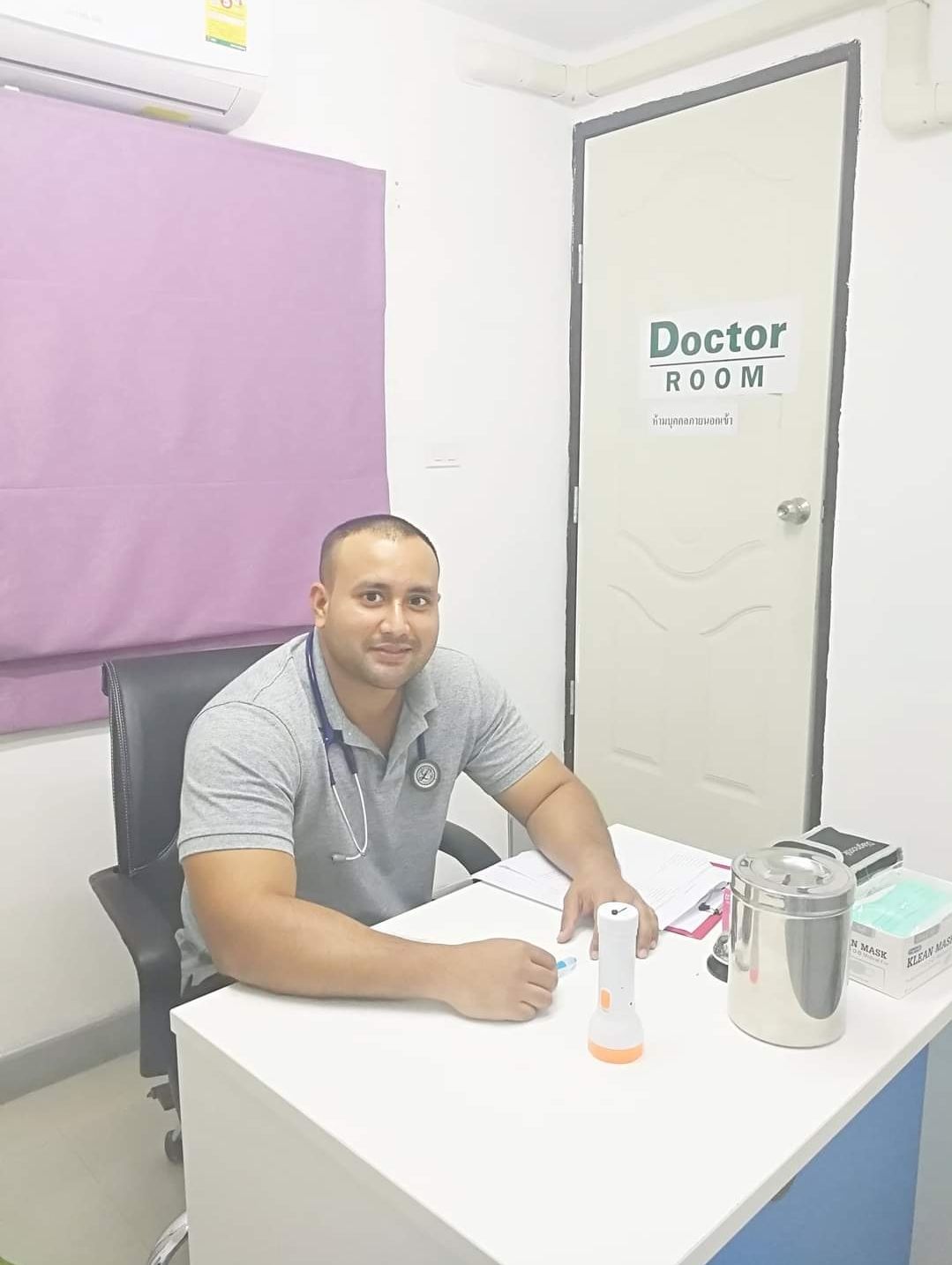
Dr. Ponlawat Pitsuwan is a physician at Doctor Bangkok, a private clinic in central Bangkok. He sees expats, residents, and medical tourists for general medicine, wellness consultations, and IV therapy. His focus is straightforward, evidence-based care delivered in plain language.