
Clinically reviewed by Dr. Ponlawat Pitsuwan, Physician, Doctor Bangkok. Last reviewed: October 2026
Stem cell supplements cannot deliver living stem cells to your body through a capsule or drink. Most contain plant extracts that claim to support your own stem cells indirectly, but the clinical evidence for these claims is weak. If you are considering spending money on these products, read this first.
At least once a week, a patient pulls out their phone and shows me a supplement they bought online or spotted at a pharmacy near Asok. The label says something like "activates your stem cells" or "cellular regeneration support." They want to know if it is worth taking. The honest answer is: probably not in the way the label implies.
This article is not here to dismiss everything in the wellness category. Some individual ingredients in these products have genuine antioxidant research behind them. But the gap between what the label promises and what the science actually supports is significant. Here is what you need to know before spending your money.

What Stem Cell Supplements Claim to Do
Most of these products claim to increase the number of circulating stem cells in your blood, slow cellular aging, or help your body repair tissue more efficiently. The marketing language is usually striking: "mobilises your stem cells," "supports regenerative capacity," "activates dormant cells."
What they actually contain is a combination of plant extracts, antioxidants, and sometimes marine-derived compounds. None of them contain actual human stem cells. The claim is that these ingredients encourage your body’s own stem cells to become more active.
The Biggest Problem Nobody Talks About
Even if an ingredient had solid evidence behind it, there is a fundamental obstacle: your digestive system. Stomach acid and digestive enzymes break down most compounds before they reach your bloodstream in useful amounts.
For living cells, this is not even a question. No living cellular material survives oral ingestion intact. Any product claiming to deliver actual stem cells through a capsule is making a claim that basic biology does not support.
Even well-studied compounds like resveratrol, found in red wine and many supplements, have notoriously poor absorption. The dose that produced effects in lab studies is rarely achievable through an oral supplement at a safe or practical amount.

Common Ingredients and What the Evidence Actually Shows
The most frequently listed ingredients in stem cell supplements include fucoidan from brown seaweed, resveratrol, AFA blue-green algae extract, and various antioxidant blends.
Fucoidan has some early-stage research behind it. The evidence is preliminary, mostly from cell cultures or animal studies, not from robust human trials. Resveratrol tells a similar story: interesting in the lab, inconsistent in people.
AFA algae is often cited in proprietary blends, with one small study frequently referenced in supplement marketing. That study has not been independently replicated at scale, which means the claim is still speculative.
Antioxidants do support cellular health by reducing damage from unstable molecules that build up over time. That is real. But "supports cellular health through antioxidants" and "activates your stem cells" are very different claims.
What the Labels Do Not Tell You
This is where I tell patients to slow down. Many of these products use proprietary blend labelling. That means multiple ingredients are listed under one umbrella name with no individual doses disclosed. You have no way of knowing whether each ingredient is present at a meaningful amount or a token one.
Look for this pattern: a long ingredient list, a single combined weight, and no breakdown per ingredient. This is a red flag, not because every manufacturer is dishonest, but because you cannot assess what you are actually taking.
Third-party testing marks matter too. Organisations like NSF International or USP verify that what is on the label is actually in the capsule, at the stated dose, without contamination. Without that, you are taking the manufacturer’s word for it.
Are Stem Cell Supplements Safe? The Risks Competitors Ignore
Most supplement articles skip this part. I will not. The safety profile of compounds marketed as stem cell activators is not well studied, and that matters.
One concern worth flagging is around products claiming aggressive stem cell mobilisation. Stem cells are tightly regulated in the body for good reason. In people with undiagnosed pre-cancerous conditions, interfering with that regulation is not without theoretical risk. This is not a reason to panic, but it is a reason to speak to a doctor before taking anything that makes strong mobilisation claims.
Drug interactions are also a real concern with proprietary blends. If you are on blood thinners, immunosuppressants, or medication for a chronic condition, some botanical compounds can interfere. I see this regularly with patients who assume that "natural" means safe alongside their prescriptions.
Stem Cell Supplements vs Regulated Stem Cell Therapy in Bangkok
These are not the same category of thing, and the difference matters clinically. A supplement is an oral product that is not required to prove it works before going on sale. It sits in the food supplement category, not the medical drug or advanced therapy category.
Regulated stem cell therapy involves medically administered living cells, typically delivered by IV infusion under clinical supervision. In Thailand and internationally, these fall under advanced therapy medicinal products, which must meet safety and efficacy standards before clinical use.
At Doctor Bangkok, our stem cell therapy protocols use UC-MSCs, which are mesenchymal stem cells sourced from umbilical cord tissue. These are administered under physician supervision, not sold over a counter. The goal, the mechanism, and the regulatory framework are entirely different from anything in a supplement bottle.
When a Supplement Might Be Reasonable and When It Is Not
I am not here to tell every patient to avoid supplements entirely. If you are otherwise healthy, buying a well-labelled antioxidant product with transparent dosing and third-party testing, and you understand that the stem cell claims are speculative, that is a reasonable personal choice. The risk is likely low if the product is clean.
Where I draw the line is when patients use supplements instead of addressing something that needs clinical attention. Fatigue, cognitive fog, slow recovery from illness: these are symptoms that deserve a proper assessment, not a supplement purchase.
If you are wondering whether a supplement is a budget alternative to stem cell therapy, the honest answer is no. They are not comparable. What I recommend is a consultation first, so we can assess whether your goals are better served by lifestyle changes, targeted supplementation, or a clinical protocol.
Ready to get a straight answer on stem cell supplements or stem cell therapy in Bangkok? At Doctor Bangkok, we offer medical consultations in plain English for expats and medical tourists. We can review any supplements you are taking, check for interactions with your current medications, and explain whether a clinical stem cell therapy protocol suits your situation. Walk in or book ahead at our central Bangkok clinic, BTS accessible and open seven days.
FAQ
Dr. Ponlawat Pitsuwan
Physician, Doctor Bangkok
a private medical clinic in central Bangkok. He sees expats, residents, and medical tourists for general medical consultations, wellness assessments, and questions about stem cell therapy and regenerative health. His focus is straightforward, evidence-based care delivered in plain language.
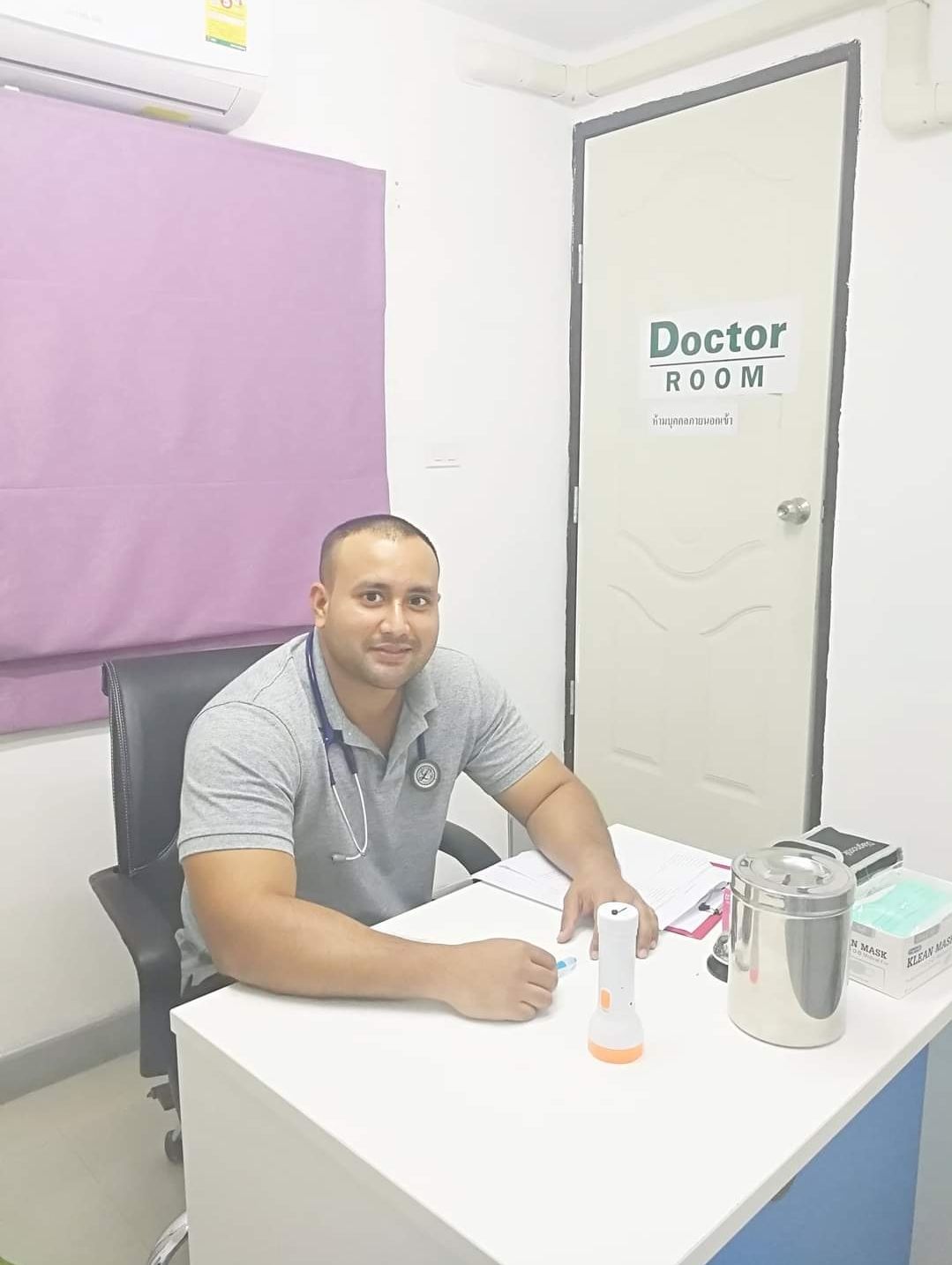
Dr. Ponlawat Pitsuwan is a physician at Doctor Bangkok, a private clinic in central Bangkok. He sees expats, residents, and medical tourists for general medicine, wellness consultations, and IV therapy. His focus is straightforward, evidence-based care delivered in plain language.