
Clinically reviewed by Dr. Ponlawat Pitsuwan, Physician, Doctor Bangkok.
Last reviewed: October 2026
Plant stem cell skincare products do not contain living stem cells. They contain extracts from plant stem cell cultures, rich in antioxidants and phytochemicals. These compounds can protect skin from environmental damage and may support collagen production, but they work differently from clinical stem cell therapy. If you are unsure which option suits your skin concerns, a medical consultation is the right starting point.
A patient asked me last week whether her new stem cell serum was doing the same thing as a stem cell therapy she had read about online. She had spent a lot of money on both and was not sure either was working. I hear this at least once a fortnight, usually from expats who have been in Bangkok long enough to notice how fast the skin ages here, and how many products promise to fix it.
The honest answer is that plant stem cell products and clinical stem cell therapy are not even in the same category. One is a cosmetic with botanical extracts. The other is a medical procedure. Both can be useful, but they do completely different things, and confusing them costs people time and money.

What Plant Stem Cells in Skincare Actually Are
The name is the problem. "Stem cell" sounds biological and powerful, and in medicine it is, but not in the way most product labels imply. Plant stem cells are the cells in a plant that allow it to regenerate. When used in cosmetics, they are not transplanted into your skin. They are grown in a lab, processed, and broken down into an extract. What ends up in your serum is a mix of antioxidants, polyphenols, and other plant compounds, not living cells.
This distinction matters. A cream cannot deliver a functional, living stem cell into your dermis. The extract it delivers can still do useful things, but those things are antioxidant and anti-inflammatory, not cellular regeneration in any medical sense.
What Plant Stem Cell Extracts Can Genuinely Do for Skin
The news is not all bad. Plant stem cell extracts contain real compounds that act on the skin’s surface and upper layers. Antioxidants neutralise free radicals, which are the unstable molecules that speed up skin ageing. Some phytochemicals found in these extracts may support the skin’s collagen-making process.
There is also reasonable evidence that certain extracts support the skin barrier, helping skin hold moisture and resist irritants. These are not trivial benefits, especially in Bangkok’s climate. But they are surface-level effects, not deep cellular repair.

What the Research Actually Shows
Swiss apple stem cell extract has the most cited data in this space. One small study found the extract reduced the appearance of wrinkles in a group of volunteers and showed promising effects on skin cell lifespan in a lab setting. The results were encouraging. They were also from a small, industry-funded trial, and the lab work was done on cells in a dish, not on living human skin.
Grape stem cell extracts show potential for UV protection. Lilac stem cell extract has shown anti-inflammatory properties in early research. All of this evidence is preliminary. Polyphenols and plant-derived compounds are genuinely active ingredients, but the marketing on most products goes well beyond what the science currently supports.
Plant Stem Cell Skincare Versus Clinical Stem Cell Therapy
This is the distinction most patients need and most product pages never make. Plant stem cell extracts in a jar and mesenchymal stem cells administered by a physician are biologically unrelated.
Mesenchymal stem cells are living human cells with the ability to signal tissue repair and influence the behaviour of surrounding cells. They are used in clinical settings for skin rejuvenation, scarring, and other medical applications. A topical plant extract cannot replicate this. It does not contain living cells, it does not interact with the immune system the way clinical stem cells do, and it does not reach the dermal layers where that kind of therapy operates.
If you are reading label claims that sound clinical, they are almost certainly describing lab data, not a clinical outcome. Doctor Bangkok’s stem cell therapy service is a separate medical offering entirely. You can read more about what clinical treatment actually involves on the stem cell therapy Bangkok page.
Bangkok’s Environment and Why Antioxidant Actives Matter More Here
Bangkok has one of the highest UV indexes in the world year-round. Add PM2.5 pollution from traffic and construction, and you have a daily oxidative load on your skin that most expats from Europe or North America have never dealt with before. That combination accelerates ageing and breaks down the skin barrier faster than most people expect.
This is why antioxidant-rich actives are more relevant here than in many other cities. If a plant stem cell extract delivers a meaningful concentration of polyphenols and free radical scavengers, that is genuinely useful in this environment. Think of it as an extra layer of environmental defence, working alongside your SPF. No serum substitutes for sunscreen in Bangkok.
How to Read a Plant Stem Cell Label
Most products use "stem cell" as marketing shorthand without naming the plant source, concentration, or delivery system. A few things are worth checking when you are standing in a pharmacy on Sukhumvit or browsing online.
Look for the specific plant named on the label, such as apple, grape, or lilac. A product that just says "plant stem cell extract" without a source tells you very little. Concentration matters too, and most brands do not disclose it, which is itself a signal. A product with a transparent ingredient list and a named botanical source is more likely to contain a meaningful dose of active compounds. When in doubt, a skin consultation at Doctor Bangkok can help you separate useful products from expensive packaging.
When a Topical Product Is Not Enough
If you have been using a quality stem cell skincare serum consistently for three to four months and you are not seeing any change in texture, fine lines, or tone, that is useful information. It does not mean the product failed. It may mean your skin concerns are beyond what a topical can address.
Advanced sun damage, deep scarring, or significant loss of elasticity often need a clinical approach. A consultation at Doctor Bangkok lets you understand whether that is the case for you, and whether clinical stem cell treatment is appropriate. The first step is always a proper assessment, not another product switch.
Thinking about stem cell skincare but not sure whether a product or a clinical treatment is right for your skin? At Doctor Bangkok, our physicians assess your skin concerns and explain your options clearly, from evidence-based topical routines to clinical stem cell therapy in Bangkok. We see expats, residents, and medical tourists at our central Bangkok clinic, with English-speaking doctors and results-focused advice. Book a consultation today.
Frequently Asked Questions
Dr. Ponlawat Pitsuwan
Physician, Doctor Bangkok
a private medical clinic in central Bangkok. He sees expats, residents, and medical tourists for general health consultations, skin health assessments, and guidance on clinical aesthetic options including stem cell therapy. His focus is straightforward, evidence-based care delivered in plain language.
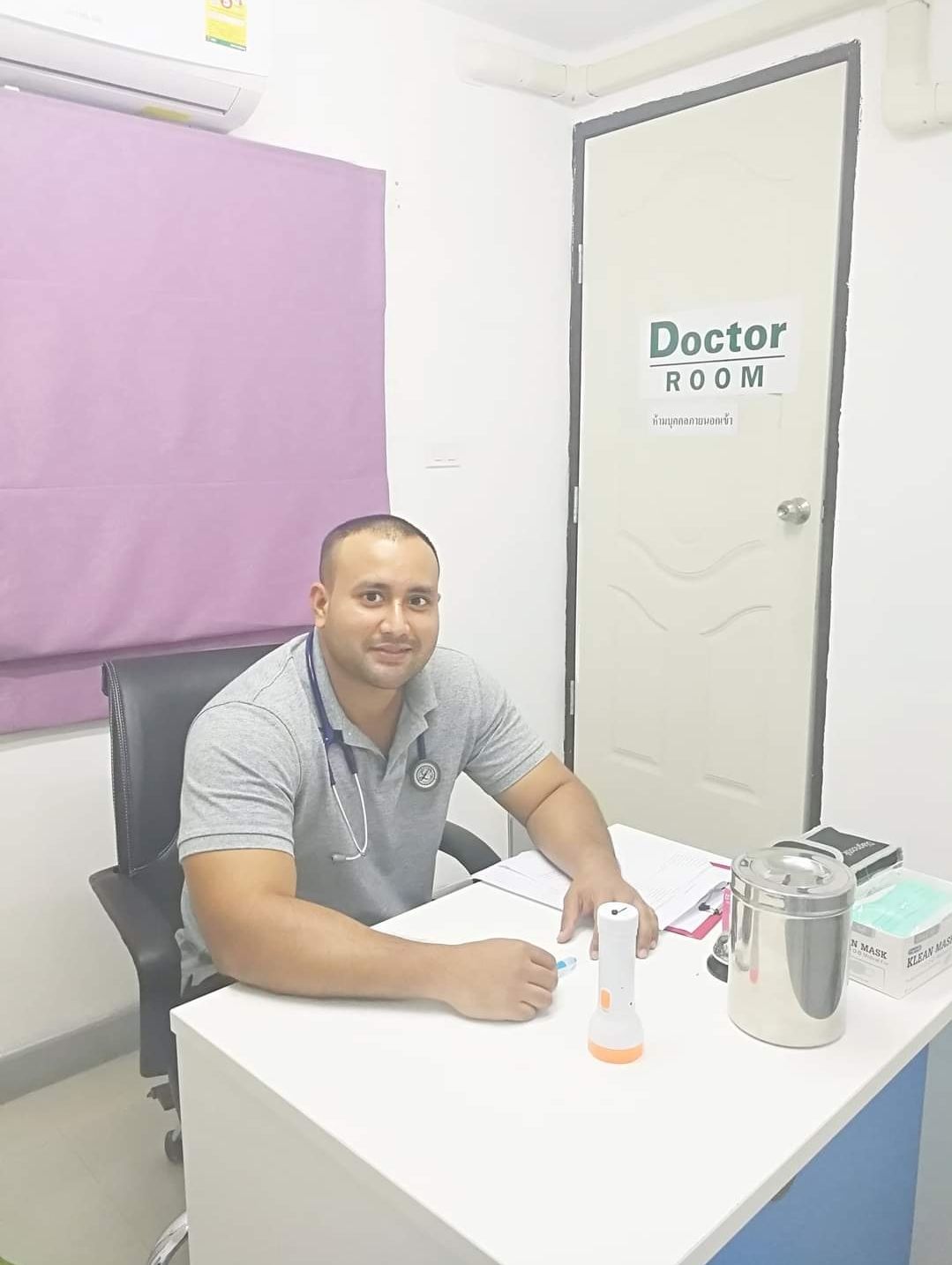
Dr. Ponlawat Pitsuwan is a physician at Doctor Bangkok, a private clinic in central Bangkok. He sees expats, residents, and medical tourists for general medicine, wellness consultations, and IV therapy. His focus is straightforward, evidence-based care delivered in plain language.