
Clinically reviewed by Dr. Ponlawat Pitsuwan, Physician, Doctor Bangkok.
Last reviewed: September 2026
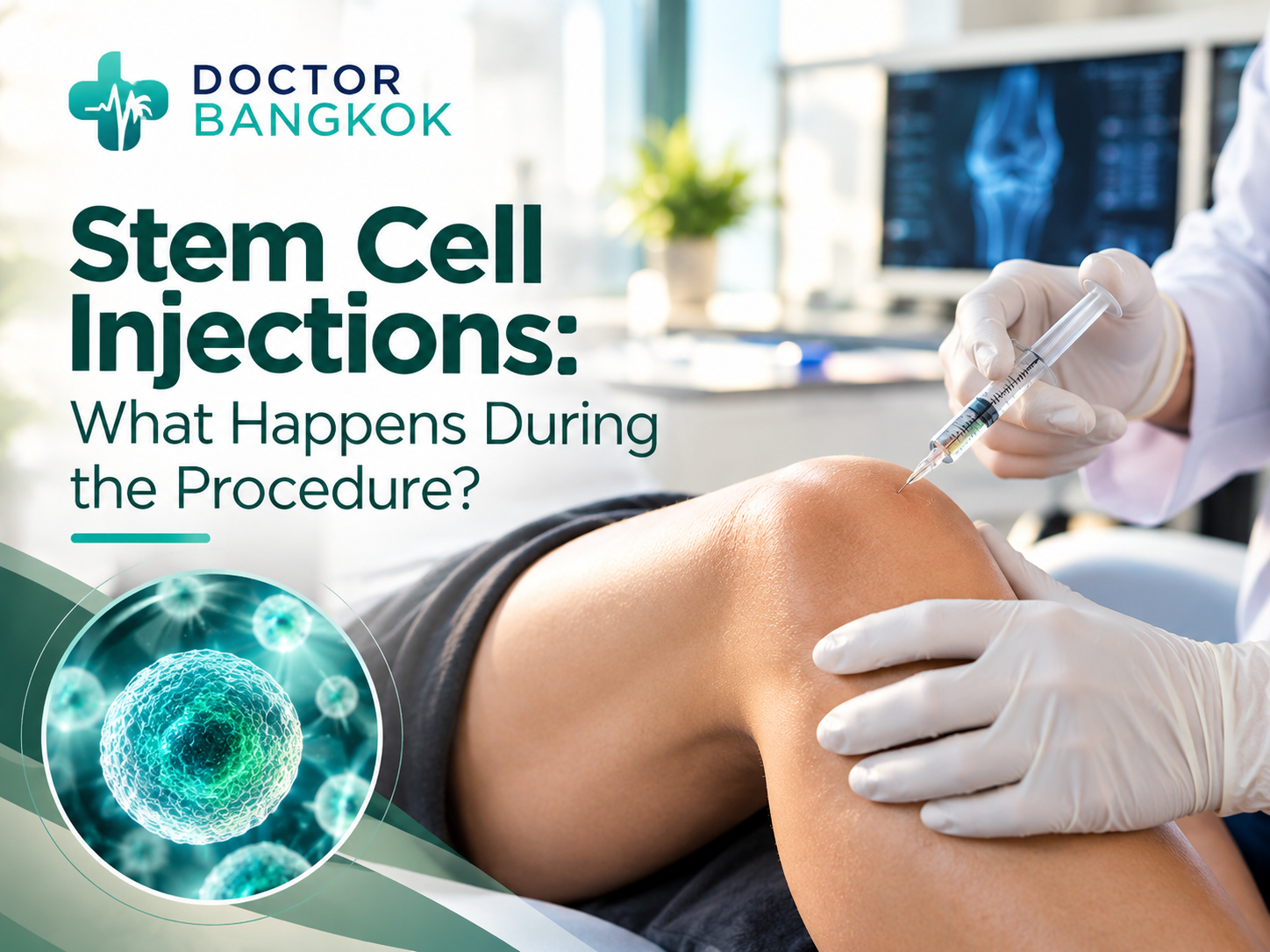
A stem cell injection procedure involves preparing stem cells, either from your own body or a donor source, and delivering them to a targeted area by guided injection or IV infusion. The appointment typically takes two to four hours from consultation to discharge. Most patients are treated the same day and leave the clinic on foot. Results develop gradually over weeks to months, not immediately after the procedure.
Most people who come in asking about stem cell therapy have already done a lot of reading. What they do not know is what actually happens on the day, what the needle feels like, how long they will be at the clinic, and whether Bangkok is a reasonable place to have this done. Those are the questions I will answer here.
Bangkok has become a genuine destination for regenerative medicine. Stem cell therapy is one of the most requested treatments I see from medical tourists and long-term expats alike. The options have expanded, and the standard of care at reputable clinics here is solid. But the information patients arrive with is often incomplete, or borrowed from clinics overselling the results. This article covers what the procedure involves, which types of cells are used, what recovery looks like, and what you should check before you book.

What Stem Cell Injections Are and Who They Are For
Stem cells can divide and develop into more specialised cell types. When concentrated and injected into a damaged or inflamed area, they release growth factors that support the body’s own repair process. The effect is less about replacing tissue directly and more about reducing inflammation and prompting the body to heal more effectively.
The patients I see most often are looking at this for joint pain, degenerative conditions, or anti-aging and longevity goals. Orthopedic applications, knees, hips, and shoulders, are the most common. Some patients are exploring stem cells for autoimmune conditions or chronic fatigue. Evidence varies considerably by condition, and I always tell patients which applications have stronger data and which are still in earlier research stages.
Types of Stem Cells Used in the Procedure
This is where a lot of patients get confused, and it matters clinically.
Autologous stem cells come from your own body, typically from bone marrow or fat tissue. There is no rejection risk. The downside is that cell quality and quantity can decline with age, so older patients may yield fewer viable cells.
Allogeneic stem cells come from a donor, most commonly umbilical cord tissue, which is rich in mesenchymal stem cells. These are processed in a certified laboratory before use and arrive in higher quantities with better viability than most autologous harvests. They are the most widely used allogeneic source at Bangkok clinics.
Adipose-derived stem cells, taken from your own fat tissue, sit somewhere in the middle. The harvest is less invasive than bone marrow aspiration, and fat tissue tends to yield a good cell count even in older patients.
The right type depends on your condition, your age, and what your doctor recommends after reviewing your case.

Delivery Methods: How the Cells Are Actually Given
The route of delivery depends on what we are treating.
Intra-articular injection means the cells go directly into a joint, the knee, shoulder, or hip. This is the most common method for orthopedic conditions. We use ultrasound guidance to place the needle precisely.
Intravenous infusion is used for systemic conditions or anti-aging protocols. The cells are delivered through a drip over around 30 to 90 minutes, allowing them to circulate broadly rather than target one specific area.
Intradermal and intramuscular injections are used less often, primarily for skin-related or localised applications. Your doctor will recommend the right method for your case.
Step-by-Step: What Actually Happens at Your Appointment
This is the section most patients wish they had found before they arrived.
The first step is consultation and review. Before anything is injected, your doctor goes through your medical history, any imaging, and relevant blood results. At Doctor Bangkok, this often happens at a prior visit, but for medical tourists we frequently combine it with the treatment day.
If autologous cells are being used, the harvest comes next. Bone marrow is drawn from the hip under local anaesthetic. Fat tissue is taken from the abdomen or thigh with a small cannula under local anaesthetic. This takes 30 to 60 minutes and is where most patients feel the most discomfort, pressure rather than sharp pain.
If allogeneic cells are being used, there is no harvest. Pre-processed cells arrive ready for administration, checked for cell dose and viability before use.
The injection itself, whether intra-articular or IV, takes 15 to 60 minutes depending on the method. You rest in the clinic throughout. After the procedure, you stay for observation, usually 30 to 60 minutes. Most patients walk out the same day with no need for assistance.
Recovery and Aftercare
Post-injection soreness is normal for the first one to three days, particularly with joint injections. The area may feel more inflamed before it feels better.
One thing I flag with every patient: avoid anti-inflammatory medications, NSAIDs like ibuprofen, for at least one to two weeks after the procedure. NSAIDs can interfere with the signals the stem cells use to trigger repair. If you need pain relief in that window, paracetamol is the safer option.
Keep activity light for the first week. No heavy loading on treated joints, no strenuous exercise. After that, a gradual return to normal activity is encouraged, with a specific timeline your doctor gives you based on your procedure type and condition.
Follow-up matters. Results are assessed at six to twelve weeks, sometimes with imaging. If a second session is needed, it is usually planned at least four to six weeks after the first.
Regulation and Safety in Thailand
Stem cell therapy in Thailand operates under Thai FDA oversight and is subject to ethical review at accredited medical institutions. Reputable clinics distinguish clearly between established protocols and treatments that are still under study.
Before you consent to any procedure, ask three things: Is the clinic using GMP-certified laboratory-processed cells? Is the doctor registered with the Thai Medical Council? Is there a formal informed consent process with documented risks?
If a clinic cannot answer those questions clearly, look elsewhere. The safety profile for MSC injections at well-run clinics is generally good. The most common adverse effects are temporary soreness, low-grade fever, and mild swelling at the injection site.
What Expats and Medical Tourists Need to Know
Bangkok is a practical place to have this done. Clinics are central, accessible by BTS, and English-speaking doctors are straightforward to find. For multi-session protocols, many patients plan a week-long stay to cover the consultation, the procedure, and initial recovery.
Cost depends on cell type, cell dose, number of sessions, and delivery method. Ask for a full breakdown before you book, not just a headline figure.
Insurance coverage is limited. Most international health insurance policies classify stem cell therapy as experimental and exclude it. Come prepared to pay privately, and ask your clinic for detailed invoices and procedure codes if you plan to seek reimbursement at home.
At Doctor Bangkok, we offer stem cell injection consultations with English-speaking physicians in central Bangkok, accessible by BTS. Whether you are an expat exploring regenerative medicine or a medical tourist planning a procedure visit, we will walk you through your options honestly, including which applications have the strongest evidence and which are still evolving. Contact us to book a consultation or ask a clinical question before you commit.
FAQ
Dr. Ponlawat Pitsuwan
Physician, Doctor Bangkok
a private medical clinic in central Bangkok. He sees expats, residents, and medical tourists for regenerative medicine consultations, stem cell therapy, general health assessments, and travel medicine. His focus is straightforward, evidence-based care delivered in plain language.
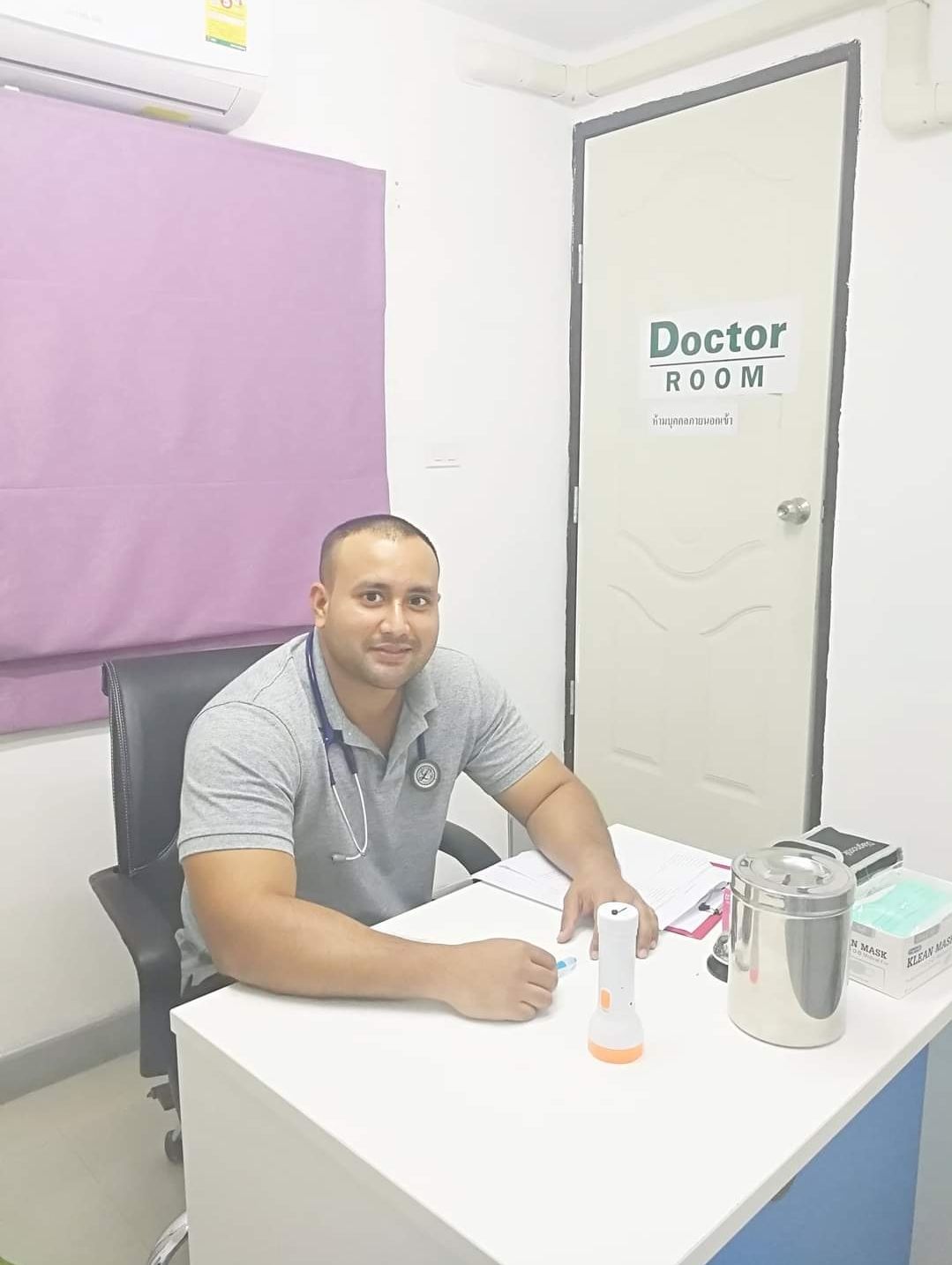
Dr. Ponlawat Pitsuwan is a physician at Doctor Bangkok, a private clinic in central Bangkok. He sees expats, residents, and medical tourists for general medicine, wellness consultations, and IV therapy. His focus is straightforward, evidence-based care delivered in plain language.