
Clinically reviewed by Dr. Ponlawat Pitsuwan, Physician, Doctor Bangkok.
Last reviewed: October 2026
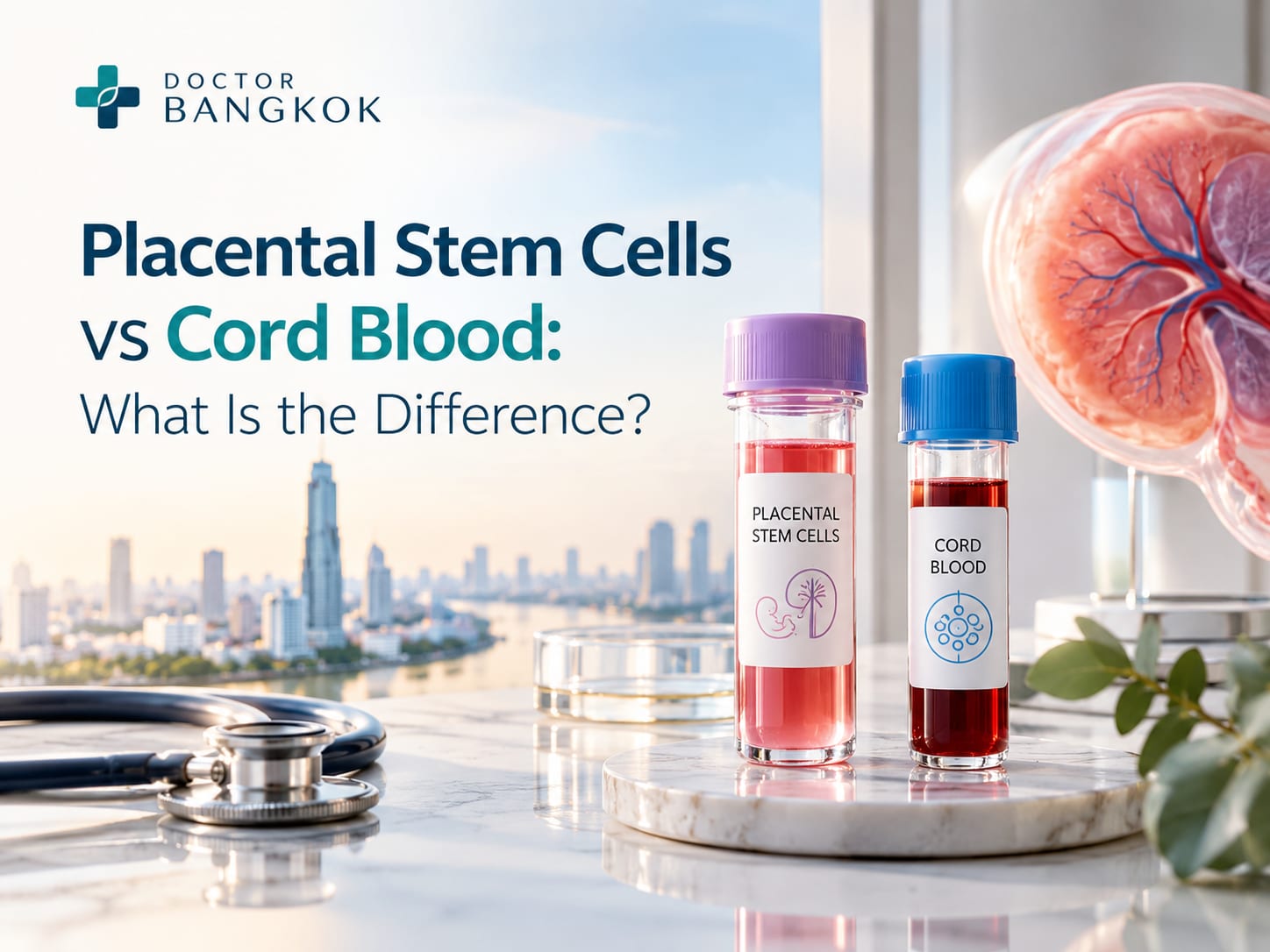
Cord blood is rich in hematopoietic stem cells that rebuild blood and immune systems, and is FDA approved for more than 80 conditions. Placental tissue provides mesenchymal stem cells, which reduce inflammation and support tissue repair, but most placental therapies are still investigational. These are two different biological sources with two different clinical roles. Knowing which applies to your situation is the starting point for any honest conversation about stem cell therapy.
Most people arrive at this question from one of two directions. Either they are parents who banked cord blood at birth and are wondering if it is still relevant, or they are adults in Bangkok researching stem cell therapy and trying to work out what clinics are actually offering them. Either way, the marketing often blurs a distinction that matters a great deal clinically.
The short version: cord blood and placental tissue are collected at the same time, after delivery, but they contain different cell types that do very different things. One is largely approved for treating blood diseases. The other is being studied for regenerative and anti-inflammatory uses, with real promise but far fewer confirmed answers. If you are making a decision about therapy in Bangkok, that distinction is everything.
What Each Source Actually Contains
Cord blood, collected from the umbilical vein after delivery, is rich in hematopoietic stem cells. These are the cells that produce blood and rebuild immune systems. They are what makes cord blood genuinely useful in treating leukaemia, sickle cell disease, and similar conditions.
Placental tissue contains a different cell type entirely: mesenchymal stem cells, or MSCs. These do not rebuild blood. They regulate immune responses, reduce inflammation, and support the repair of connective tissue, bone, and cartilage.
Some cord blood banks also harvest cells from Wharton’s jelly, the connective tissue inside the umbilical cord. Those cells are MSCs too, not hematopoietic stem cells. The terminology gets loose quickly in marketing materials, so ask exactly what cell type any clinic is offering you.
| Feature | Cord Blood | Placental Tissue |
|---|---|---|
| Primary cell type | Hematopoietic stem cells | Mesenchymal stem cells |
| Main clinical role | Rebuilds blood and immune system | Reduces inflammation, supports tissue repair |
| FDA-approved indications | 80+ blood and immune disorders | None currently approved |
| Evidence level | Strong for blood conditions | Moderate to limited; trials ongoing |
| Typical recipient | Child or matched sibling | Broader allogeneic use possible |
| Volume available | Limited by cord blood volume | Higher yield from placental tissue |
Volume and Yield — Why This Matters for Adults
This is something most banking brochures do not mention clearly. A single cord blood unit contains a finite number of cells. For a newborn or small child, that volume may be sufficient. For an adult, the dose required is often higher, and a single unit frequently falls short.
Placental tissue can yield significantly more MSC doses from a single donation. That scalability matters if you are an adult patient looking at a multi-session therapy programme. It is one reason why placental MSCs are increasingly the focus of adult regenerative protocols, even while cord blood remains the standard for blood disease treatment.
Compatibility and Who Can Actually Use Each Source
Cord blood banking at birth is primarily designed for the child or, in some cases, a closely matched sibling. Compatibility matching is strict. A mismatch raises the risk of graft-versus-host disease, where transplanted cells attack the recipient’s body. A child using their own banked cells avoids this problem entirely.
Placental MSCs behave differently. They tend to be better tolerated when given from a donor to an unrelated recipient. This is not a guarantee of zero immune reaction, but the research suggests they are less likely to trigger a severe immune response across mismatched profiles. That makes them more relevant for adult patients who did not bank their own cells at birth.
Clinical Applications — What Each Source Is Used For
Cord blood has a clear, well-established role. For more than 80 blood and immune conditions, including leukaemia, lymphoma, aplastic anaemia, and sickle cell disease, it is an approved treatment option with decades of data behind it.
Placental MSCs are being studied for a wider range of uses, including autoimmune conditions, inflammatory diseases, cartilage and bone repair, and certain neurological conditions. The science is genuinely interesting. But most of these applications are still in clinical trials, and I tell patients that directly. We are not at the stage where I can hand you a package insert with approved indications the way we can for cord blood.
The Regulatory Reality — What Expats in Bangkok Need to Know
Cord blood transplantation for blood diseases has FDA approval. That means the product, the process, and the clinical evidence have passed a rigorous regulatory review. Most placental MSC therapies have not reached that bar yet, though global trials are ongoing.
In Thailand, the Ministry of Public Health oversees cell-based therapies. A legitimate clinic should be able to tell you whether the product they are using is registered with the MOPH or being administered under an approved investigational protocol. If the answer is vague, that is a red flag. At Doctor Bangkok, we help patients review documentation from clinics offering these therapies before they commit. Our stem cell therapy page covers what FDA approval actually means in practice and how to evaluate the evidence behind any specific offer.
Cord Blood Banking — What Expats Should Know Before Deciding
If you are an expat in Bangkok expecting a child, the cord blood banking question will come up. Private banking keeps the unit reserved for your family. Public banking donates it to a registry where it can help any matched patient.
The honest answer on private banking: the statistical chance that your child will need their own banked cord blood is low. Public banking increases the likelihood the unit actually gets used. For families with a known genetic blood disorder, private banking has a stronger clinical rationale. If you banked cord blood in your home country and are now wondering whether you can use it for adult stem cell therapy in Bangkok, the answer involves both the cell volume in your stored unit and the regulatory pathway for importing biological material into Thailand. A consultation is the right first step, not an assumption.
Getting Assessed in Bangkok Before You Commit
I see patients who have already paid deposits at stem cell clinics before speaking to an independent physician. That is the biggest mistake I see in this space. Marketing for both cord blood and placental stem cell therapies can be persuasive, and not all of it is grounded in current evidence.
Before you commit to any programme, ask the clinic three things. What exact cell type are you administering? Is this product registered with the Thai Ministry of Public Health or offered under an approved investigational protocol? What peer-reviewed evidence supports using this therapy for my specific condition? If the answers are unclear, an independent consultation at Doctor Bangkok gives you a clinical second opinion with no stake in which programme you choose. You can book a consultation here and bring any documentation you already have.
Thinking about stem cell therapy in Bangkok and not sure where to start? Doctor Bangkok offers independent medical consultations for patients evaluating cord blood or placental stem cell options. We can review your existing documentation, explain the evidence behind any therapy you are considering, and help you ask the right questions before you commit. English-speaking physicians, central Bangkok, BTS accessible.
FAQ
Dr. Ponlawat Pitsuwan
Physician, Doctor Bangkok
a private medical clinic in central Bangkok. He sees expats, residents, and medical tourists for general medical consultations, health assessments, and evaluations related to regenerative medicine and stem cell therapy options. His focus is straightforward, evidence-based care delivered in plain language.
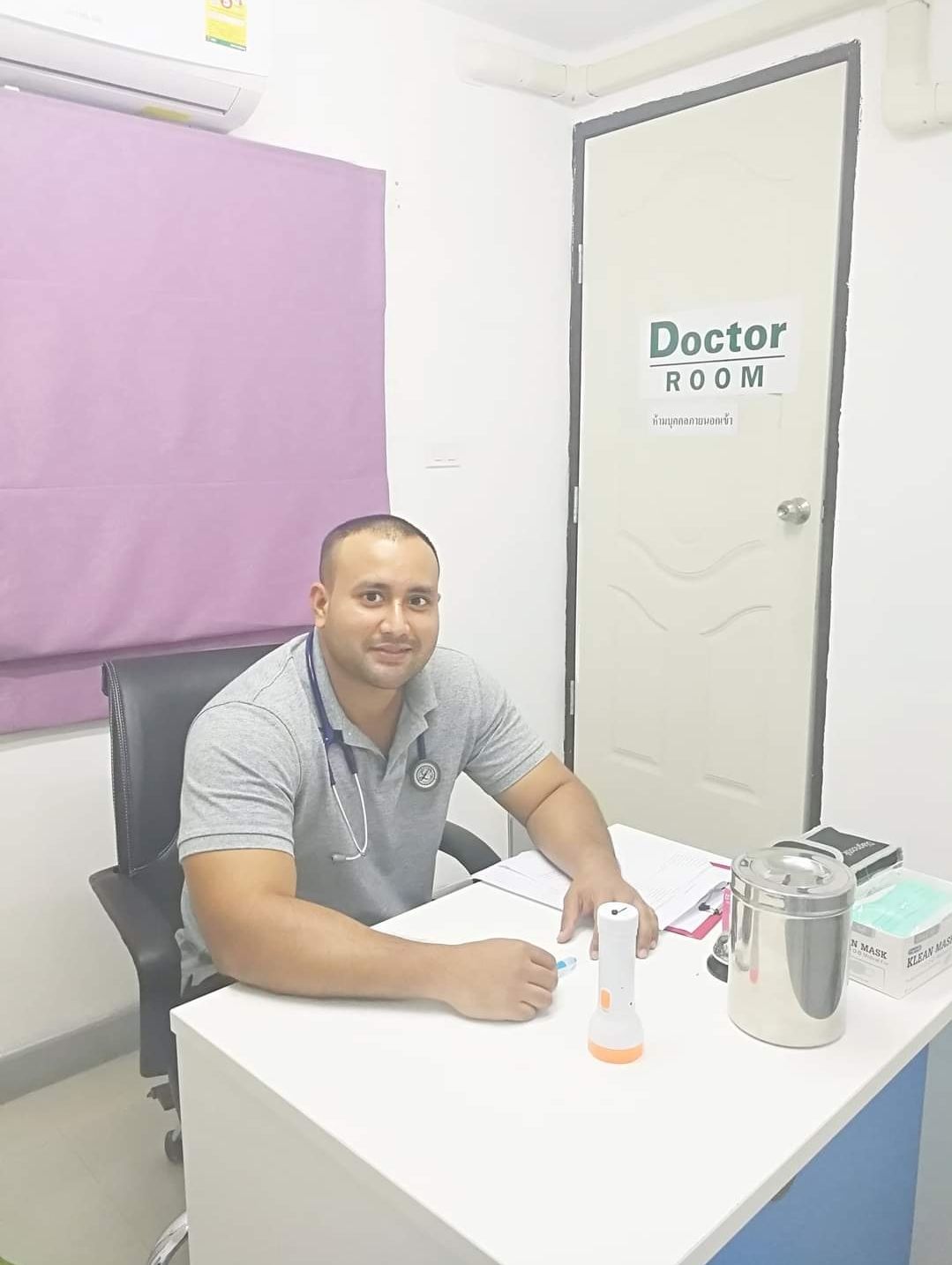
Dr. Ponlawat Pitsuwan is a physician at Doctor Bangkok, a private clinic in central Bangkok. He sees expats, residents, and medical tourists for general medicine, wellness consultations, and IV therapy. His focus is straightforward, evidence-based care delivered in plain language.