
iPSC stem cells (induced pluripotent stem cells) are adult cells reprogrammed to behave like embryonic stem cells. They can theoretically become almost any cell type in the body. Researchers are investigating them for conditions including Parkinson’s disease, macular degeneration, heart failure, and certain blood disorders. No iPSC therapy is currently approved for routine clinical use anywhere in the world. Most applications remain in clinical trials or early research stages.
Patients ask about stem cells more often than you might expect at a general practice clinic in Bangkok. Usually it comes up during a health check, or after someone has seen an advertisement from one of the private wellness centres operating in the city. The question is almost always the same: is this real, and is it safe?
The honest answer is more complicated than most of those advertisements suggest.

What iPSC Stem Cells Actually Are
You do not need the biology textbook version. Here is what matters clinically.
iPSC stands for induced pluripotent stem cell. Scientists take ordinary adult cells, usually from skin or blood, and reprogram them so they can develop into many different cell types. The appeal is obvious. Unlike embryonic stem cells, iPSCs can theoretically be made from your own tissue, which removes some of the ethical debate and may reduce rejection risk.
The technology was first described in 2006 by Japanese researcher Shinya Yamanaka, who won the Nobel Prize for it in 2012. That was nearly two decades ago. The fact that we are still largely in the research phase tells you something important about how difficult the clinical application actually is.
What Conditions Are Researchers Investigating?
This is where patients usually want a clear list, and it is fair to ask for one.
The most advanced human trials involve age-related macular degeneration, which is a form of vision loss. Japan has run several small trials using iPSC-derived retinal cells with cautiously promising early results. Parkinson’s disease is another active area, with trials exploring iPSC-derived dopamine-producing cells. Heart failure research is ongoing, looking at whether iPSC-derived cardiac cells can repair damaged heart muscle.
Blood disorders, including certain leukaemias and sickle cell disease, are also being studied. Some spinal cord injury research is underway. Diabetes researchers are investigating iPSC-derived insulin-producing cells.
These are all legitimate research directions. None of them are ready for you to book next Thursday.

What Is Not Proven, and What Is Being Sold in Bangkok
This is the part that matters most if you are in Bangkok reading clinic advertisements.
Several private wellness and longevity clinics in Bangkok and across Thailand market stem cell treatments directly to health tourists. Some of these involve iPSC technology. Some use other cell types. Pricing is typically high, documentation is often thin, and the treatments sit in a regulatory grey area under Thai law.
The Thai Food and Drug Administration has issued guidance restricting unapproved stem cell therapies, but enforcement is inconsistent, and clinics continue to operate in this space. If a clinic in Bangkok is offering you an iPSC treatment today, you should ask some direct questions. What specific cell type are they using? Has it cleared any regulatory approval, in Thailand or elsewhere? What published trial data supports this specific protocol? What are the known risks?
Tumorigenicity is a genuine concern with iPSC therapy. Because these cells are reprogrammed to be highly flexible, there is a risk they can develop abnormally if the process is not tightly controlled. This is one of the main reasons regulators have moved carefully. It is not a reason to dismiss the technology, but it is a reason to be sceptical of any clinic that does not raise it with you.
The Regulatory Picture Right Now
No iPSC-based therapy has received full approval from the US FDA, the European Medicines Agency, or Japan’s PMDA for routine clinical use as of early 2025. Japan has a conditional approval pathway called the Act on the Safety of Regenerative Medicine, which has allowed some limited iPSC applications to proceed under strict monitoring. This is not the same as full approval, and it does not apply to unregistered clinics in Bangkok.
If someone tells you the treatment is approved, ask approved by whom, for what indication, and at what dosage. Vague answers are a warning sign.
What You Can Do at Doctor Bangkok
iPSC therapy is not something we offer, and it is not something a general practice clinic should be advising on at a clinical protocol level. What we can do is help you think clearly about your health before you make expensive decisions in this space.
If you are considering any kind of cellular or regenerative treatment, a thorough baseline health assessment makes sense first. Blood panels, inflammatory markers, liver and kidney function, metabolic screening. These give you an honest picture of where you are starting from, and they give any specialist you see afterward useful data to work with.
We also see patients after they have had treatments elsewhere and have questions or concerns. That is a conversation we are always willing to have.
Doctor Bangkok offers health checks, blood testing, and general medical consultations, including for expats and medical tourists who want a second opinion or a clinical baseline before pursuing specialist treatments in Thailand.
Questions Worth Asking Any Stem Cell Clinic
Do not walk into any consultation without these.
What specific cells are being used, and how were they prepared? What is the evidence base for this treatment in this condition? What are the known adverse effects, including long-term risks? Is this treatment registered or approved under Thai law? What follow-up monitoring is included? What happens if something goes wrong?
A clinic that handles all of these questions clearly and without defensiveness is a better sign than one that leads with testimonials and price packages.
If you want a clinical baseline before pursuing any specialist treatment in Bangkok, or if you have questions after seeing another provider, book a consultation at Doctor Bangkok. We offer blood panels, health checks, and straightforward medical advice for expats and medical tourists.
Frequently Asked Questions
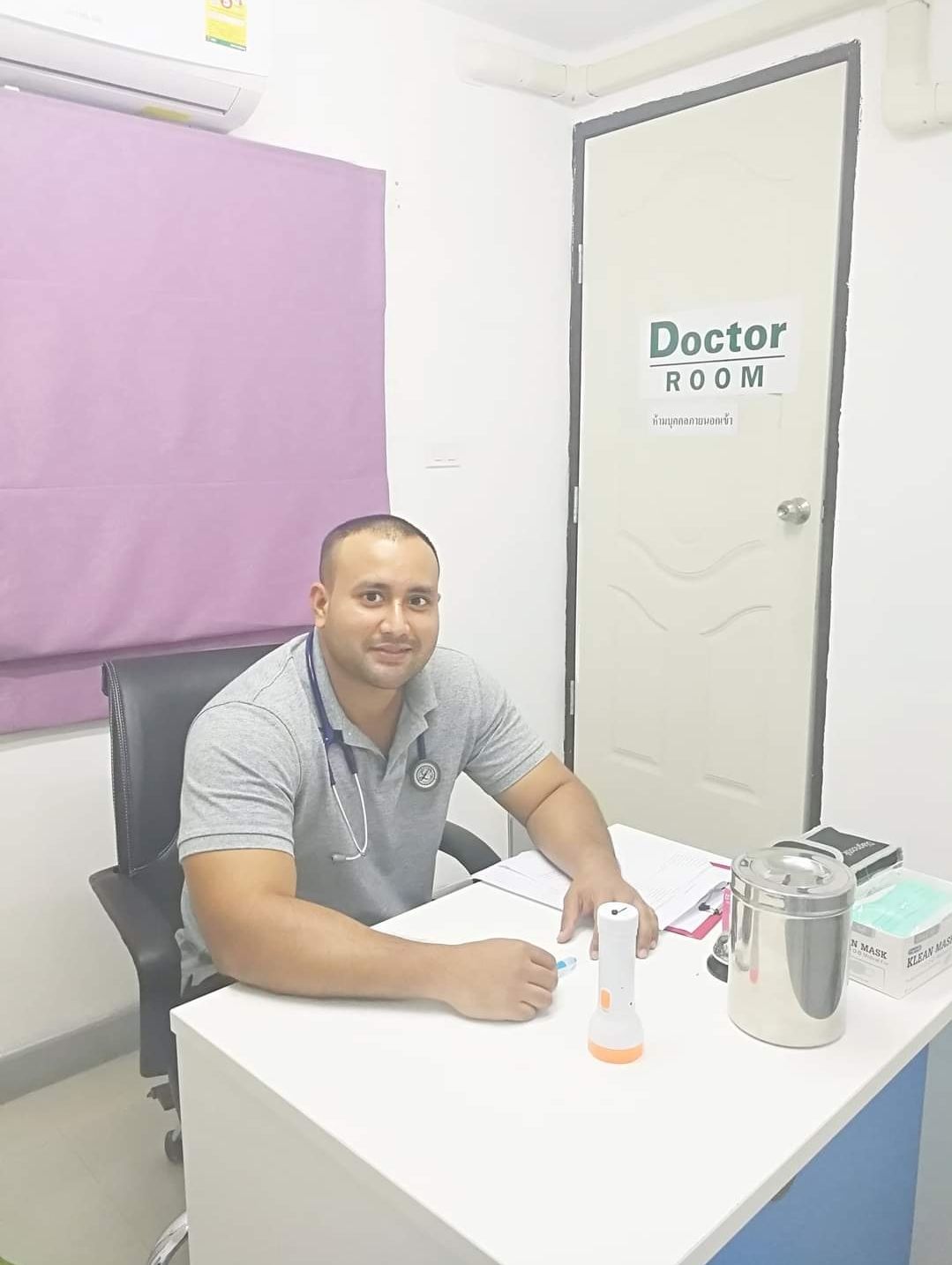
Dr. Ponlawat Pitsuwan is a physician at Doctor Bangkok, a private clinic in central Bangkok. He sees expats, residents, and medical tourists for general medicine, wellness consultations, and IV therapy. His focus is straightforward, evidence-based care delivered in plain language.