
Clinically reviewed by Dr. Ponlawat Pitsuwan, Physician, Doctor Bangkok. Last reviewed: September 2026
Induced pluripotent stem cells are adult cells, usually from skin or blood, that scientists reprogram back into an early stem-cell-like state. From there, they can be directed to become almost any cell type in the body. iPSC-based therapies remain largely experimental, with most genuine clinical trials happening in Japan and a few other countries. What most Bangkok clinics currently offer is a different type of stem cell therapy altogether.
If you are reading this after seeing a Bangkok clinic advertise stem cell therapy and wondering whether it involves iPSCs, you are asking exactly the right question. Most clinics here are not offering iPSC therapy. The distinction matters more than the marketing suggests.
iPSC science is real and genuinely exciting. But where the technology actually sits right now, in Bangkok clinics, in Thailand, and globally, is a very different story from what most wellness websites will tell you. Here is the honest picture.

What Induced Pluripotent Stem Cells Actually Are
Every cell in your body contains the same DNA. What makes a skin cell different from a liver cell is which genes are switched on. In 2006, Japanese scientist Shinya Yamanaka discovered you could reverse that process.
By introducing four specific proteins into an ordinary adult cell, you can essentially hit a reset button. The cell loses its specialised identity and reverts to a pluripotent state. Pluripotent means capable of becoming almost any cell type in the body. The result is an induced pluripotent stem cell, and it behaves very much like an embryonic stem cell, with one key difference: it came from an adult, not an embryo.
How Reprogramming Works, Without the Jargon
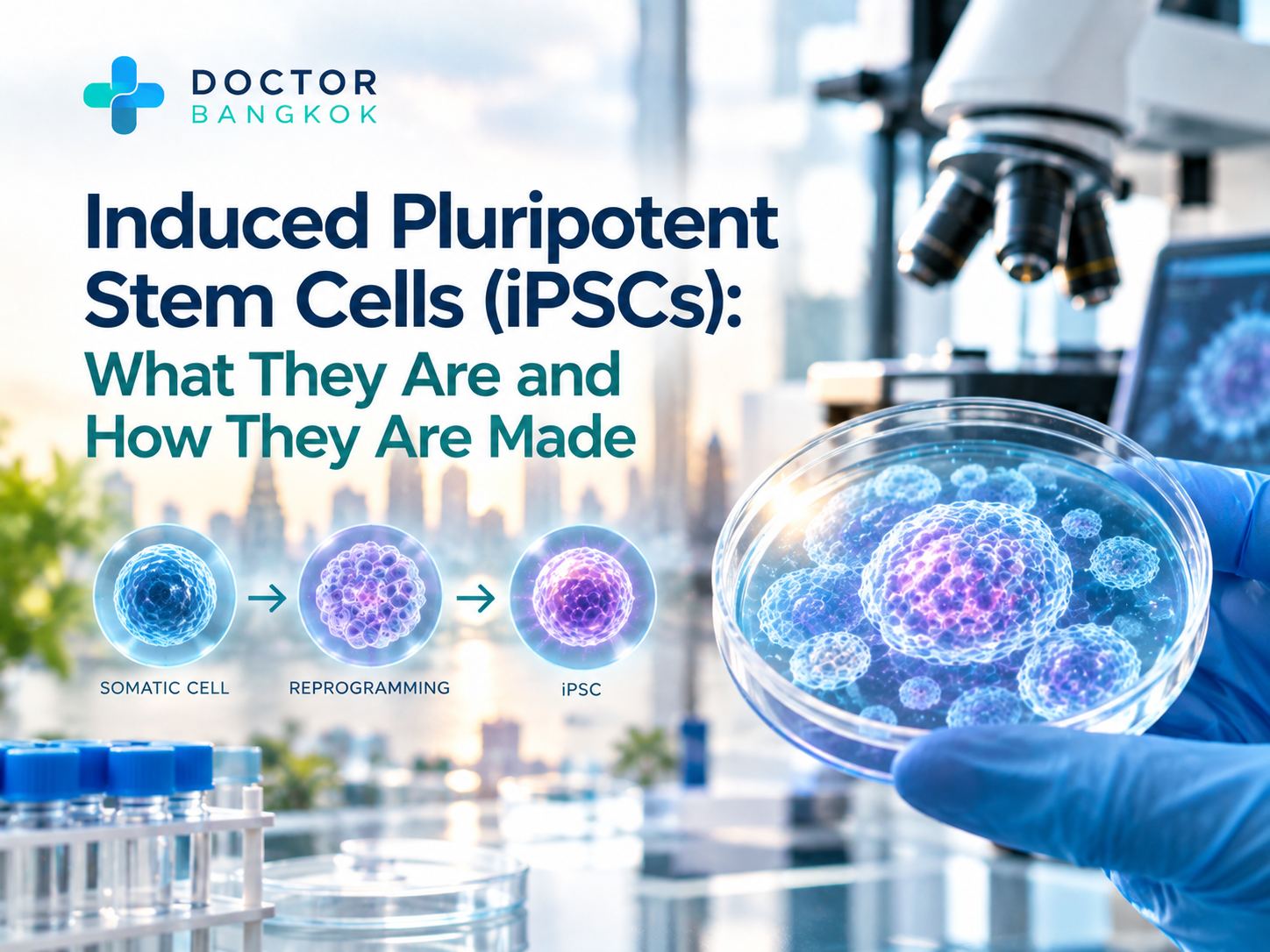
A small sample of skin or blood is taken. The four reprogramming proteins are introduced, and over several weeks the cells revert to that early state. Successfully reprogrammed cells are selected and grown in controlled conditions.
One practical challenge is that the reprogrammed cell sometimes retains faint traces of its original identity, which can affect how well it performs later. Once stable iPSCs are established, scientists can guide them toward specific cell types: cardiac cells, nerve cells, insulin-producing cells, retinal cells. The direction depends on which signals the cells receive during a second phase of guided development.

iPSCs Versus Embryonic Stem Cells, and Why the Difference Matters
Embryonic stem cells come from human embryos, which raises serious ethical concerns for many patients. iPSCs sidestep that entirely. They come from your own body, which means no embryo is involved and, in theory, no immune rejection because the cells are genetically yours.
Immune rejection is one of the biggest challenges with any transplanted tissue. Because iPSCs can be made from the patient’s own cells, the body is much less likely to attack them. Researchers are also working on what are sometimes called off-the-shelf iPSCs, engineered to be compatible with a wide range of patients without personalised production. This approach would make iPSC therapy far more scalable, but it is still being refined.
What Conditions Are iPSCs Being Researched For?
The most advanced research involves a handful of specific conditions. Parkinson’s disease is one of the furthest along, with trials in Japan using iPSC-derived brain cells to replace the specific neurons that Parkinson’s destroys. Age-related macular degeneration, a leading cause of vision loss, has seen early trials using iPSC-derived retinal cells.
Heart failure research is active too, with iPSC-derived heart muscle cells tested in early-phase repair studies. Type 1 diabetes, spinal cord injury, and certain blood disorders are also being studied. None of these are standard treatments yet. They are trials, mostly in tightly controlled research settings in Japan, the United States, and Europe. Realistic timelines for most to reach routine clinical practice are measured in years, not months.
iPSCs Versus MSC Therapy, and What Bangkok Clinics Are Actually Offering
This is the part most Bangkok clinic websites do not explain clearly, and it is the most important thing to understand before you book anything.
MSCs, or mesenchymal stem cells, are adult stem cells typically taken from umbilical cord tissue or fat. They are not pluripotent. They cannot become any cell type. Their main proposed benefit is anti-inflammatory and tissue-supportive. MSC-based therapies are what the vast majority of private stem cell clinics in Bangkok currently provide.
iPSC therapy is fundamentally different. It requires reprogramming adult cells back to pluripotency and directing them toward a specific therapeutic cell type. This requires sophisticated laboratory infrastructure and is currently only available in authorised clinical trials. If a Bangkok clinic is advertising iPSC therapy without referencing a registered trial, ask detailed questions before you go any further.
The Real Risks of iPSC Therapy
The most serious risk is tumorigenesis. iPSCs that are not fully or correctly developed before transplant can continue dividing in uncontrolled ways, potentially forming tumours called teratomas. This is not a theoretical concern. It is the reason iPSC therapies require extensive safety testing before they go near a patient.
There are also risks from cells developing into the wrong tissue type, or from immune reactions even to the patient’s own cells. In legitimate clinical trials, these risks are managed through strict protocols, safety monitoring, and careful patient selection. Any clinic offering iPSC therapy without raising these risks in the informed consent process is giving you an incomplete picture.
iPSC Therapy in Thailand, and What the Regulations Say
Thailand’s FDA classifies cell-based therapies, including any iPSC-derived treatments, as advanced therapy medicinal products requiring specific regulatory approval before clinical use. This is similar in principle to European and US approaches.
A legitimate iPSC therapy in Thailand would need to be administered within an approved clinical trial at a licensed institution, with full regulatory oversight. A private wellness clinic offering iPSC infusions outside of a registered trial is operating in regulatory grey territory at best. Japan is currently the most advanced country for regulated iPSC clinical trials, partly due to legislation designed to accelerate approval for regenerative therapies. Thailand is still developing equivalent infrastructure, and that gap matters when you are evaluating what any Bangkok provider is actually offering.
Beyond Therapy, Disease Modelling and Drug Discovery
Much of the current real-world value of iPSCs is not in treating patients directly. It is in the laboratory. Researchers can take iPSCs from a patient with a rare genetic condition, grow them into the affected cell type, and study exactly what goes wrong and when.
iPSCs are also used to grow organoids, tiny three-dimensional tissue structures that replicate aspects of real organs. A drug that might damage heart cells can be tested on iPSC-derived heart muscle cells before it ever reaches a human. This research value is substantial and largely absent from wellness clinic marketing.
How to Evaluate Any Stem Cell Clinic in Bangkok
Ask specifically what cell type is being used and where it comes from. Ask whether it is an iPSC-derived therapy or an MSC-based therapy, and whether the treatment is part of a registered clinical trial with a verifiable trial registration number.
Ask what safety characterisation data exists for the cells. Ask about the informed consent process and how tumorigenesis risk is managed. Ask to see Thai FDA licensing documentation for the specific therapy. A reputable provider will answer all of these without hesitation. If you feel uncertain about any of the answers, an independent physician consultation before you commit is the right call.
Where iPSCs Fit in Your Longevity and Cellular Health Picture
iPSC research has deepened our understanding of how cells age, how DNA repair works, and what drives decline in cellular energy production over time. These are the same biological pathways that evidence-based longevity medicine is working with right now, even outside of stem cell therapy.
While iPSC therapy itself remains experimental, there are interventions available today that support cellular health through mechanisms this research has helped clarify. Staying on top of your baseline health through regular biomarker tracking gives you a clearer picture of where your cellular health actually stands. At Doctor Bangkok, the starting point for any conversation about regenerative or longevity medicine is honest baseline assessment: knowing your numbers, understanding what they mean, and making decisions based on real data rather than wellness marketing.
If you have questions about stem cell therapy options in Bangkok, want a second opinion before booking any regenerative treatment, or want to understand your current cellular health baseline, Doctor Bangkok offers English-speaking physician consultations at our clinic in central Bangkok. We see expats, residents, and medical tourists, and we will give you a straight answer, not a sales pitch. BTS accessible, with same-day appointments available. Contact us to book.
FAQ
Dr. Ponlawat Pitsuwan
Physician, Doctor Bangkok
a private medical clinic in central Bangkok. He sees expats, residents, and medical tourists for general medical consultations, health screening, and guidance on regenerative and longevity medicine options in Thailand. His focus is straightforward, evidence-based care delivered in plain language.
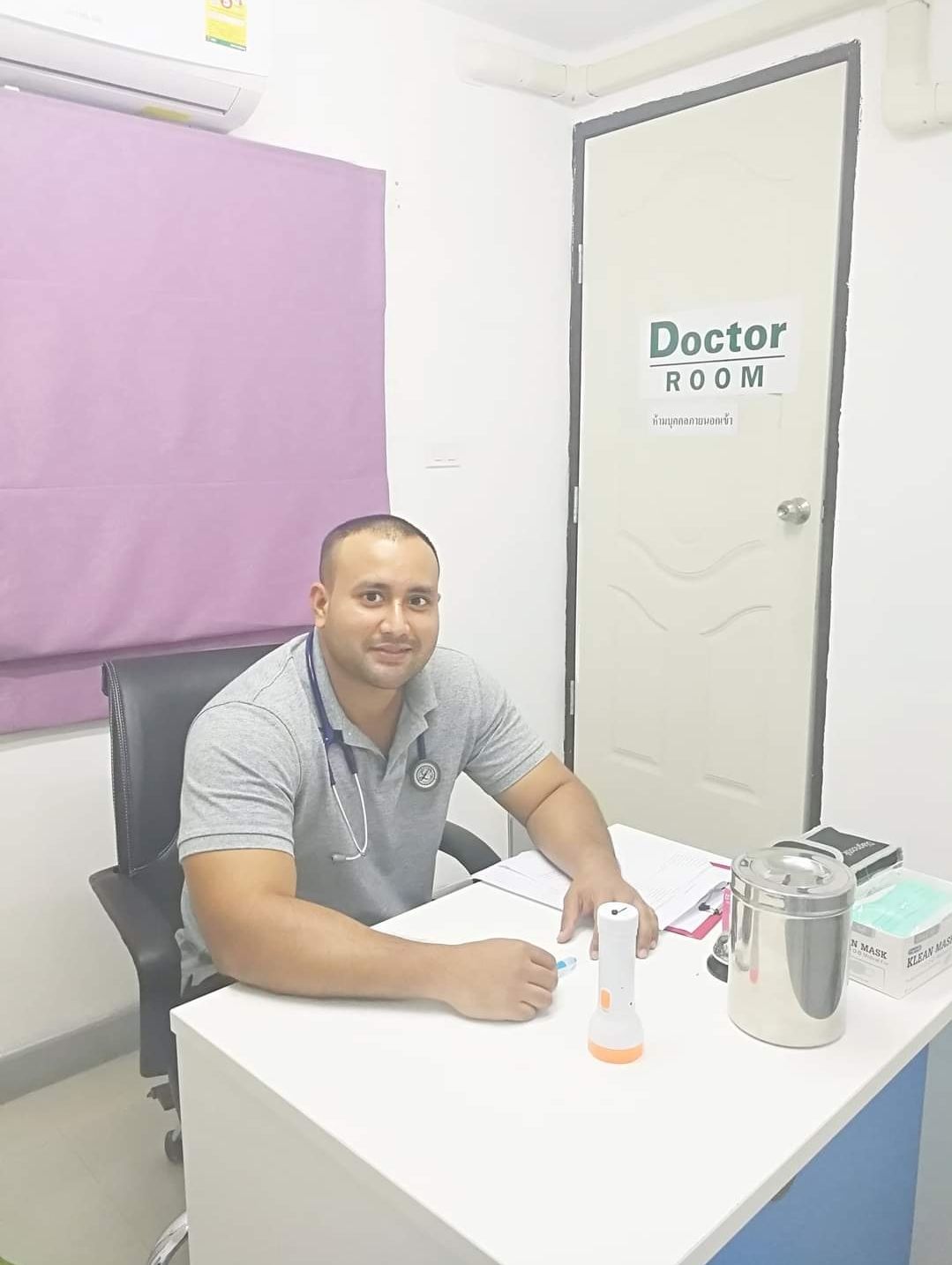
Dr. Ponlawat Pitsuwan is a physician at Doctor Bangkok, a private clinic in central Bangkok. He sees expats, residents, and medical tourists for general medicine, wellness consultations, and IV therapy. His focus is straightforward, evidence-based care delivered in plain language.