
Clinically reviewed by Dr. Ponlawat Pitsuwan, Physician, Doctor Bangkok. Last reviewed: September 2026
Does stem cell therapy work? For blood cancers and bone marrow failure, yes, with decades of strong clinical evidence. For joint pain, autoimmune disease, and anti-aging, the evidence is early and often mixed. Whether it is right for you depends entirely on your condition, the clinic’s regulatory standing, and the quality of cells being used.
I get asked about stem cell therapy once or twice a week in Bangkok. Usually it is someone who has been offered a protocol at a nearby wellness clinic, or a medical tourist who spotted it while researching anti-aging options before flying in. The question is almost always the same: does it actually work, or is this just expensive hope?
The honest answer is: it depends on what you are treating. Stem cell therapy is not one thing. It covers a wide range of treatments with very different evidence behind them. Some are proven. Some are promising. Some are not yet backed by enough solid data to justify the cost or the risk. Here is exactly which is which.

Where Does Stem Cell Therapy Have Proven Results?
For blood cancers, this is not a debate. Stem cell transplants that replace damaged blood-forming cells with healthy donor cells have been used for leukaemia, lymphoma, and bone marrow failure for decades. The evidence here is strong and well-documented.
Multiple sclerosis and Type 1 diabetes show genuine promise in trial settings. There are placebo-controlled trials running and early results worth watching. Parkinson’s disease is at a similar stage. The data is not yet mature, but it is real research in real trial conditions, not marketing material.
Anti-aging protocols are a different story. The evidence for using stem cells to reverse biological aging is currently limited. There are clinics in Bangkok offering these protocols, some of them sophisticated and well-run, but long-term placebo-controlled trial data does not yet exist to call this proven. That does not make it automatically wrong. It makes it a personal decision, taken with eyes open.
What the Latest Research Actually Shows
The 2025 Cochrane review on stem cell therapy for knee osteoarthritis found only low-certainty benefit. One of the more rigorous trials in this space showed the placebo group performing comparably to the stem cell group on several measures. No Bangkok clinic website I have seen mentions this, and you deserve to know.
Publication bias is real in this field. Positive trial results get published. Neutral and negative ones often do not. This creates an impression that regenerative medicine is further ahead than it actually is for certain conditions.
That said, this is a fast-moving field. What matters is that any clinic you visit can tell you exactly what the current evidence shows for your specific condition, not just the headline wins from unrelated applications.

What Types of Stem Cells Are Used, and Why It Matters
Most Bangkok clinics use mesenchymal stem cells, usually called MSCs. These come either from the patient’s own tissue or from a donor. The most common donor source here is umbilical cord tissue, specifically the material inside the cord known as Wharton’s Jelly.
Your own cells carry no rejection risk, but they require a harvest procedure. If your health is already compromised, your own cells may not be in ideal condition. Donor cells from umbilical cord tissue tend to have higher viability and require no procedure on you, but immune compatibility needs to be considered.
Some clinics also offer iPSC therapy. These are adult cells reprogrammed to an earlier state and are mostly still in research settings. If a clinic is offering iPSC therapy as a routine commercial treatment, ask hard questions before you proceed.
What Are the Risks of Stem Cell Therapy?
The risks vary significantly by cell type, how they are given, and the quality of the lab processing the cells. The most common side effects are mild: fever, chills, and fatigue in the hours after treatment. These usually pass quickly.
More serious reactions, including infection, blood clots, and immune complications, are documented, particularly with donor cell transplants. Abnormal tissue growth from poorly processed cells is a known concern with certain cell types, which is the main reason some therapies remain in trial settings. With properly processed MSCs from a certified laboratory, this risk is very low but not zero.
The biggest safety risk in Bangkok is not the biology. It is the clinic. Cells processed in a substandard facility, stored incorrectly, or given without physician oversight create risks that good cells from a proper lab simply do not.
Is Stem Cell Therapy Legal and Regulated in Bangkok?
Thailand’s Ministry of Public Health regulates stem cell therapy. Clinics must hold specific licensing to offer these treatments, and cell processing must meet defined standards. This is real regulation, not a rubber stamp.
In practice, a licensed clinic will have a certified laboratory for cell processing, physician-led protocols, and documented informed consent procedures. They will show you their licensing status if you ask. A clinic that hesitates on that question is a clinic I would leave.
Bangkok has both genuinely advanced biomedical facilities and providers operating in grey areas. The regulatory framework exists, but enforcement requires patients to ask the right questions. Do not assume a polished website or a wellness hotel setting means the clinic is properly licensed.
How to Choose a Safe Stem Cell Clinic in Bangkok
Ask whether the clinic holds Ministry of Public Health licensing specifically for stem cell therapy, not just general clinic registration. Ask where the cells are processed and whether the lab meets certified manufacturing standards. Ask what percentage of cells are alive at the point of administration. A good clinic will have a clear answer. A vague one is a red flag.
Informed consent should be a proper documented process, not a form you sign in two minutes at reception. The physician should explain what is known, what is not known, and what realistic outcomes look like for your condition. Any clinic guaranteeing results is telling you something no evidence currently supports.
Green flags: a physician leads every consultation, the lab is on-site or formally affiliated, and the clinic engages honestly with the current evidence. Red flags: guaranteed outcomes, nurse-only protocols, no mention of clinical trial data, and pressure to commit on the first visit.
How Stem Cell Therapy Fits Into a Bangkok Longevity Protocol
Some patients come to Bangkok specifically to build a longevity protocol across several days or weeks. Stem cell therapy is increasingly being combined with NAD+ IV infusions, high-dose vitamin C, and ongoing biomarker monitoring. The evidence for combination approaches is early, but each component has its own established safety profile when given correctly.
If you are considering this kind of protocol, timing and sequencing matter and must be directed by the treating physician, not a wellness coordinator. At Doctor Bangkok, we recommend a proper medical consultation before committing to any multi-therapy plan. We can review your bloodwork, assess what is clinically appropriate, and refer you to licensed specialists where stem cell therapy is indicated.
Thinking about stem cell therapy in Bangkok and want an honest clinical opinion first? At Doctor Bangkok, we offer medical consultations for expats and medical tourists who want to understand their options before committing to any treatment. We can review your health history, discuss what the current evidence shows for your condition, and help you ask the right questions of any clinic you are considering. We are centrally located in Bangkok, accessible by BTS, and all consultations are with English-speaking physicians. Contact us to book.
Frequently Asked Questions
Dr. Ponlawat Pitsuwan
Physician, Doctor Bangkok
a private medical clinic in central Bangkok. He sees expats, residents, and medical tourists for general health consultations, health checks, travel medicine, and wellness assessments including pre-treatment evaluations for regenerative and longevity therapies. His focus is straightforward, evidence-based care delivered in plain language.
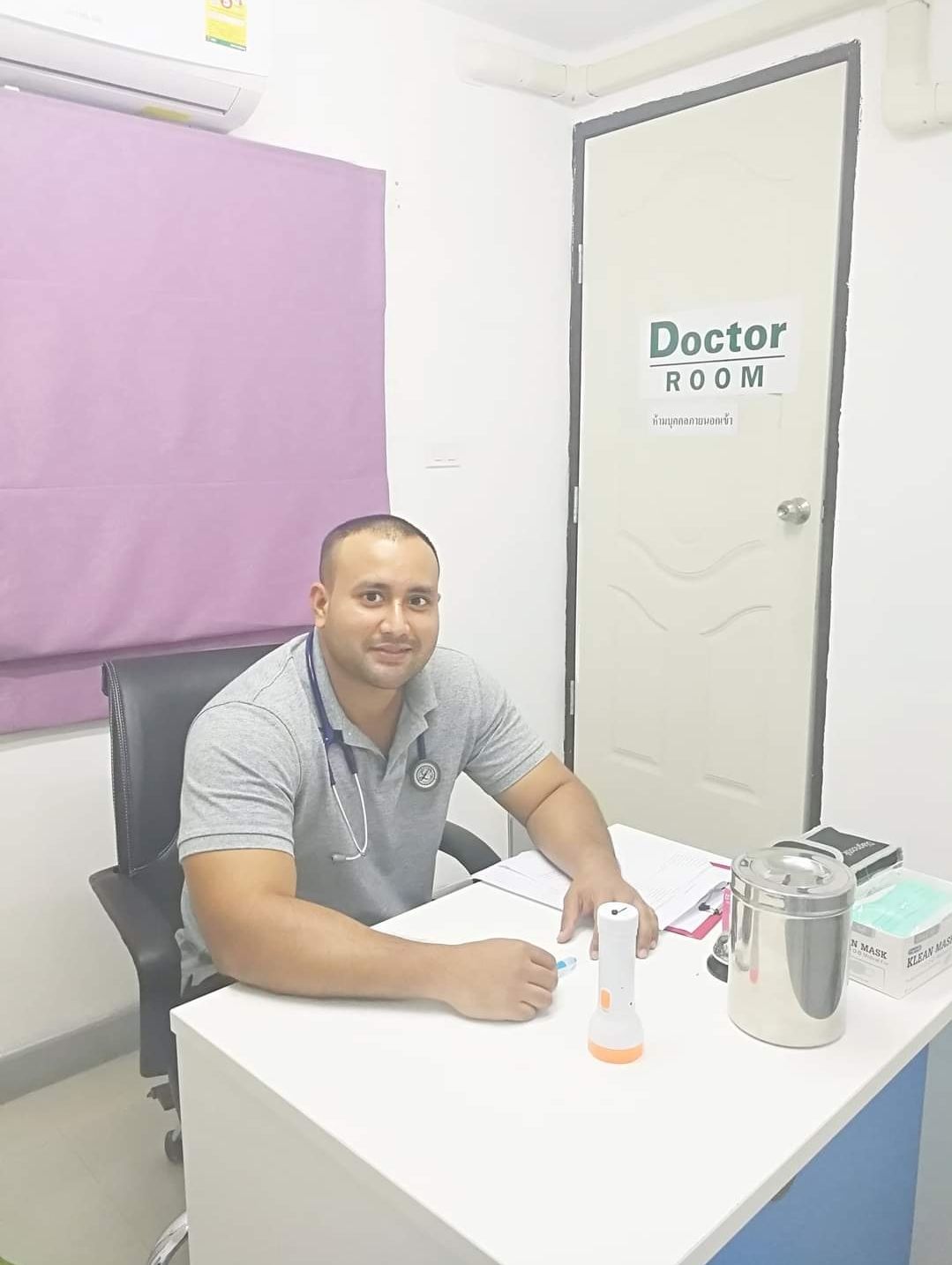
Dr. Ponlawat Pitsuwan is a physician at Doctor Bangkok, a private clinic in central Bangkok. He sees expats, residents, and medical tourists for general medicine, wellness consultations, and IV therapy. His focus is straightforward, evidence-based care delivered in plain language.