
Clinically reviewed by Dr. Ponlawat Pitsuwan, Physician, Doctor Bangkok. Last reviewed: August 2026
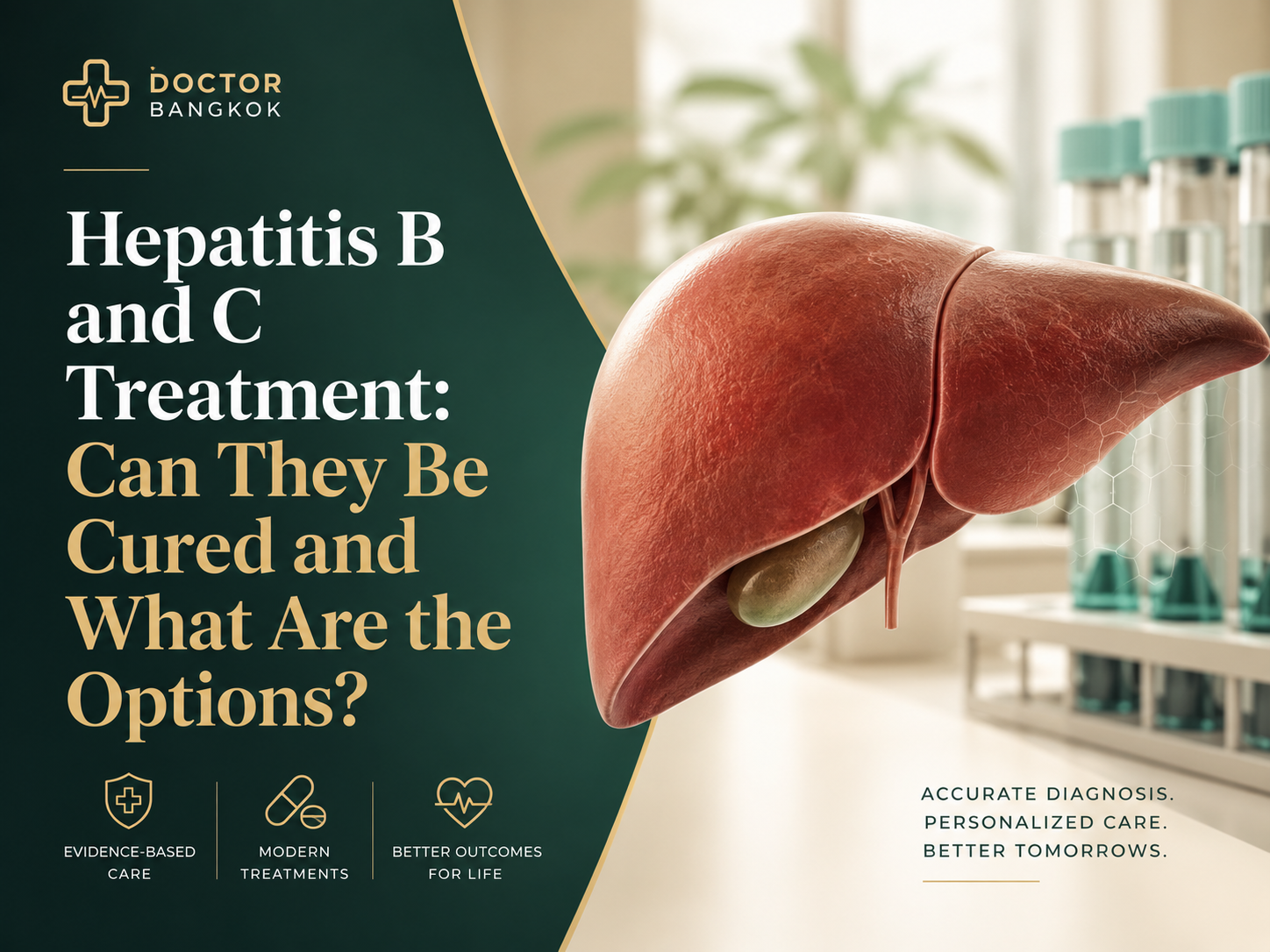
Hepatitis C can be cured in more than 95% of cases with a short course of oral antivirals. Hepatitis B cannot be cured but can be managed long-term with medication that protects your liver. Hepatitis A clears on its own in most adults. The key is knowing which type you have and getting the right test first.
You found out through a routine health check. Nobody explained what the result meant, and weeks have passed. This is one of the most common situations I see at the clinic, and it is fixable.
Bangkok has a hepatitis B prevalence of around 7 to 8 percent in the general population. That is well above what most expats are used to at home. Hepatitis A risk is real here too, tied to food and water. And hepatitis C, which is now genuinely curable, barely gets mentioned at clinics focused only on testing. This article covers all three: what each type means, how to treat hepatitis depending on which type you have, and what you can do today.

What Type of Hepatitis Do You Have?
This matters more than anything else. The treatment path for hepatitis A is completely different from hepatitis B or C. Getting the type wrong means getting the approach wrong.
Hepatitis A and E spread through contaminated food and water. They are acute, meaning they come on fast and, in healthy adults, clear on their own. Hepatitis B, C, and D are blood-borne or sexually transmitted and can become chronic. Hepatitis D only occurs alongside hepatitis B, so managing B also covers D.
Autoimmune and alcohol-related hepatitis are not caused by a virus at all. They need a different kind of assessment and a different treatment approach.
How Hepatitis Is Diagnosed in Bangkok
You do not need a referral letter or a hospital appointment that takes weeks to arrange. At Doctor Bangkok, we can run a same-day hepatitis panel covering the main types.
For hepatitis B, we check your HBsAg (hepatitis B surface antigen), which tells us if the virus is currently active. We also look at past exposure markers and how infectious you are. For hepatitis C, we start with an antibody test, and if that comes back positive, we follow up with a viral load test to confirm active infection. We also run liver function tests, which show how much inflammation or damage, if any, is happening right now.
Rapid results come back within an hour. Viral load and confirmatory tests usually take one to three days. Everything is in English.

Treating Hepatitis A — When Rest Is Enough
Most adults with hepatitis A recover fully without any specific medication. The virus clears within a few weeks if you rest, stay hydrated, and avoid alcohol completely.
That said, I do want to see you in person if you have hepatitis A symptoms. Jaundice, very dark urine, or pain in the upper right side of your abdomen all warrant a clinical check. Severe cases, though uncommon in healthy adults, can cause liver complications that need monitoring.
If you picked this up from street food or water in Bangkok, the practical advice is straightforward: rest, stay hydrated, no alcohol, avoid high-dose paracetamol, and get a follow-up blood test to confirm your liver enzymes are returning to normal.
Treating Chronic Hepatitis B — Antivirals, Monitoring, and Living With It
Here is what most patients do not hear clearly. Around 95% of adults who catch hepatitis B acutely will clear it within six months without treatment. Their immune system handles it. But around 5% develop chronic hepatitis B, and that is a different situation.
Chronic hepatitis B cannot be cured. It can, however, be managed effectively. The two most commonly used antivirals are entecavir and tenofovir. Both suppress the virus to very low or undetectable levels, protect the liver from ongoing damage, and reduce the risk of cirrhosis and liver cancer. Not every patient with chronic hepatitis B needs to start antivirals immediately. The decision depends on your viral load, your liver enzyme levels, and whether there are signs of liver fibrosis.
This is why monitoring matters, even when you feel completely well. At Doctor Bangkok, we can assess where you are in that process and refer you to a specialist for ongoing management if needed. Living with chronic hepatitis B is manageable. Ignoring it is not.
Treating Hepatitis C — The Cure Most People Do Not Know About
This is the one I want every expat in Bangkok to know. Hepatitis C is now curable in more than 95% of cases. It is one of the most significant advances in medicine in recent years, and it still barely gets mentioned in routine clinic conversations here.
The treatment is a short course of oral antiviral tablets taken daily for eight to twelve weeks. A combination commonly used in Thailand is sofosbuvir and velpatasvir. Side effects are generally mild. The goal is an undetectable virus level six months after treatment ends, at which point you are considered cured.
If you have never been tested for hepatitis C, or you have a positive antibody result sitting in a file somewhere with no follow-up, come in. A confirmatory viral load test is straightforward. If active infection is confirmed, Doctor Bangkok can discuss your treatment options and coordinate your care from there.
Non-Viral Hepatitis — Autoimmune and Alcohol-Related Types
These two are often overlooked, particularly in expat patients who do not fit the typical hepatitis risk profile.
Autoimmune hepatitis happens when your immune system attacks your own liver cells. It is not contagious and is not caused by a virus. Treatment usually involves corticosteroids to calm the immune response, sometimes alongside other medications. It requires ongoing management rather than a fixed course.
Alcohol-related liver disease is something I see regularly in Bangkok, particularly in long-term expats. The liver can absorb a significant amount of damage before any symptoms appear, which makes early screening genuinely useful. The primary treatment is stopping or significantly reducing alcohol. In early stages, the liver can recover well. In advanced stages, damage may be permanent.
Post-Exposure Prophylaxis — What to Do After a Hepatitis B Exposure
If you think you have just been exposed to hepatitis B, whether through unprotected sex, a needlestick, or a blood exposure, do not wait until morning.
Hepatitis B immunoglobulin combined with the first vaccine dose needs to be given as soon as possible, ideally within 24 hours and no later than 72 hours after exposure. After that window, the protective effect drops significantly. Doctor Bangkok can assess you and administer post-exposure treatment same day. If you are unvaccinated and had a potential exposure today, call us now.
Symptoms That Mean See a Doctor Today
Most hepatitis symptoms are vague early on. Fatigue, nausea, and mild discomfort can wait a few days for a routine appointment. These cannot.
Yellow skin or yellow whites of the eyes, dark brown urine, severe pain under the right ribcage, or a swollen abdomen all need clinical assessment today, not next week. These symptoms suggest significant liver involvement. If you are in Bangkok and unsure whether to go to a clinic or a hospital emergency department, contact Doctor Bangkok first. We will tell you honestly which level of care you need.
If you have a hepatitis result you do not understand, symptoms you are worried about, or a potential exposure that happened recently, Doctor Bangkok is here to help. We offer same-day hepatitis testing, English-speaking physicians, and clear guidance on your next steps. We are centrally located in Bangkok and accessible by BTS. Walk-ins are welcome and appointments can be booked online at doctorbangkok.co.th.
Can hepatitis C actually be cured, and can I get that treatment in Bangkok?
Yes. Modern antivirals cure more than 95% of hepatitis C infections in eight to twelve weeks. These medications are available in Bangkok through private clinics and hospitals. Doctor Bangkok can run the confirmatory test and help coordinate your treatment from there.
I had unprotected sex in Bangkok and I am not vaccinated against hepatitis B. What should I do?
Come in today. Post-exposure prophylaxis must be given within 72 hours of exposure, ideally within 24. This is not a situation to sleep on. Doctor Bangkok can assess and treat you same day.
What hepatitis tests can I get in Bangkok and how quickly will I have results?
We can run a full hepatitis panel same day, covering hepatitis B surface antigen, hepatitis B core antibody, hepatitis C antibody, and liver function tests. Rapid results take 30 to 60 minutes. Confirmatory viral load tests take one to three days, with all results and explanations provided in English.
Do I need to worry about hepatitis if I am living in Bangkok long-term?
More than you would at home, yes. Thailand has a hepatitis B prevalence of around 7 to 8 percent. Hepatitis A risk is elevated due to food and water exposure. If you have not had a baseline hepatitis screen since arriving, it is worth doing. Vaccination for hepatitis A and B is available at Doctor Bangkok.
Is hepatitis B treatable or is it a lifelong condition?
Acute hepatitis B clears on its own in about 95% of adults. If it becomes chronic, it cannot be cured but it can be managed with antivirals like entecavir or tenofovir, which suppress the virus and protect your liver. Manageable does not mean ignorable.
What is the difference between acute and chronic hepatitis?
Acute hepatitis is a short-term infection, usually lasting less than six months, and the body often clears it without treatment. Chronic hepatitis persists beyond six months and requires ongoing monitoring and sometimes long-term medication. The distinction matters because the management approach is completely different.
Can I get a hepatitis A and B vaccine together in Bangkok?
Yes. The combined hepatitis A and B vaccine, known as Twinrix, is available at Doctor Bangkok. It is a good option if you are new to Bangkok, unvaccinated, or overdue for a booster. Three doses over six months provides strong, long-lasting protection against both types.
Dr. Ponlawat Pitsuwan
Physician, Doctor Bangkok
a private medical clinic in central Bangkok. He sees expats, residents, and medical tourists for hepatitis testing, antiviral management, post-exposure care, and general infectious disease concerns. His focus is straightforward, evidence-based care delivered in plain language.
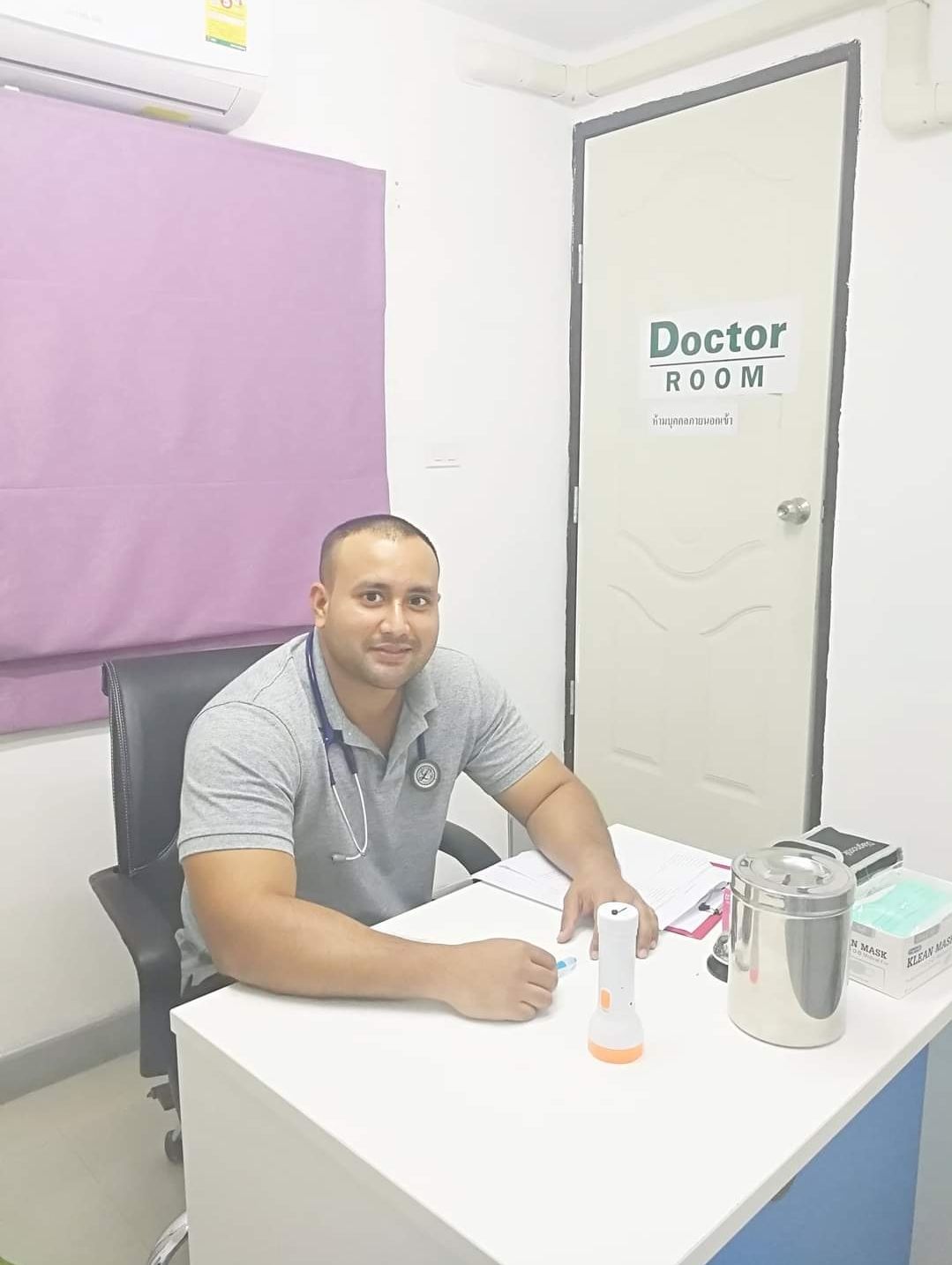
Dr. Ponlawat Pitsuwan is a physician at Doctor Bangkok, a private clinic in central Bangkok. He sees expats, residents, and medical tourists for general medicine, wellness consultations, and IV therapy. His focus is straightforward, evidence-based care delivered in plain language.