


Clinically reviewed by Dr. Ponlawat Pitsuwan, Physician, Doctor Bangkok. Last reviewed: July 2026
A gout attack usually starts at night with sudden, intense pain in one joint, most often the big toe. The pain peaks within 6 to 12 hours and is often described as burning, crushing, or throbbing. The joint becomes red, swollen, and so sensitive that even a bedsheet touching it is unbearable. Without treatment, an attack typically lasts 3 to 10 days.
You went to bed fine. You woke up at 3am with your big toe on fire. It is red, swollen, and so painful you cannot put weight on it. Your first thought might be that you rolled your foot in your sleep, or that you have an infection.
If you are an expat in Bangkok and this is your first time experiencing this, it can feel alarming, especially when you do not know where to go or what is happening. The short answer is: if the pain came out of nowhere, peaked within hours, is centred on one joint, and that joint looks angry and inflamed, gout is near the top of my list. A sprain follows a different pattern. So does an infection. Getting this right matters because the treatments are completely different.

What a Gout Attack Actually Feels Like, Hour by Hour
Most people who have had gout will tell you they have never felt anything quite like it. The best descriptions I hear from patients: "like my toe is being crushed," "like boiling water under the skin," or "I thought I had broken something in my sleep."
In the first few hours, the pain builds fast. You might notice a dull ache or some warmth before bed. By 2 or 3am, you are wide awake, and the joint is already swollen, red, and hot to the touch.
By 6 to 12 hours in, the pain is at its worst. The skin over the joint may look shiny and stretched. Most patients cannot wear a shoe. Even the weight of a bedsheet feels intolerable.
Around day 3 or 4, the pain usually starts to ease on its own, though swelling may linger. As the attack resolves, the skin sometimes peels around the joint. This sounds strange but is completely normal.
Gout vs a Sprain — the Key Differences
A sprain has a story behind it. You twisted your ankle, you fell, you stepped off a kerb badly. Gout has no story. You just woke up with it. That single fact rules out a lot of alternative explanations.
| Feature | Gout | Sprain |
|---|---|---|
| Cause | Uric acid crystals in the joint | Ligament stretching or tearing |
| Onset | Sudden, often overnight | Follows a physical event |
| Peak pain | 6 to 12 hours | Immediate or within hours of injury |
| Skin appearance | Red, shiny, warm | Bruising common, less redness |
| Fever | Possible | Uncommon |
| Common joints | Big toe, ankle, knee, wrist | Ankle most common |
A sprain usually hurts more when you move or press the joint. Gout often hurts even at rest, even without touching it. If you have swelling and redness with no injury, and the pain started overnight, do not assume you sprained something in your sleep.

Where Gout Strikes — and Why the Big Toe
The big toe joint is the classic site. The medical term for gout in the big toe is podagra. It tends to strike here first because the extremities are cooler, and uric acid crystals form more easily in cooler tissue.
Gout does not always stay in the big toe. I see it in the ankle, the knee, the wrist, and less often the elbow. When it hits the ankle or knee, patients often think it is a sports injury or infection. Location matters, but the pattern of onset matters more.
Could It Be Something Else?
This is the question that matters most, and it is the one most people skip when they are Googling at 2am.
Cellulitis is a skin infection that causes redness, warmth, and swelling — almost identical to gout from the outside. The difference is that cellulitis tends to spread across the skin in a diffuse pattern rather than staying tightly centred on a joint. This one genuinely needs a doctor to sort out, because the treatment is completely different: antibiotics for cellulitis, anti-inflammatory medication for gout.
Pseudogout feels almost identical to gout but involves calcium crystals rather than uric acid crystals. It tends to affect larger joints like the knee, and it is more common in older patients. A blood uric acid level alone will not diagnose this one.
Septic arthritis is an infected joint, and it is the one I do not want you to miss. The joint is very swollen and hot, you usually have a significant fever, and you feel genuinely unwell. If you have a very swollen joint, high fever, and feel sick overall, come in or go to an emergency department. Do not wait.
What Triggers a Gout Attack in Bangkok?
Bangkok is a genuinely high-risk environment for gout flares, and most people do not realise this until they have already had their first attack.
The heat is the first factor. Sweating in Bangkok’s humidity causes dehydration, which concentrates uric acid in the blood. Many expats drink far less water than they think they need. If you have had a gout attack before, heat and under-hydration can bring the next one on faster than any food.
Thai food is the second factor. Shellfish such as prawns, crab, and clams are common triggers. Fermented fish products including fish sauce, pla-ra, and dried anchovies are also high in purines — the compounds your body converts to uric acid. Organ meats, found in some street food dishes, rank among the highest-purine foods there are. None of this means you cannot eat Thai food. It means portion size and frequency matter, especially if your uric acid is already elevated.
Beer is the third factor. Beer raises uric acid more than most other drinks. Regular beer consumption on top of a purine-rich diet and mild chronic dehydration creates a reliable recipe for a flare.
Treatment — What Helps and What Does Not
During an attack, the goal is to reduce inflammation fast. Anti-inflammatory tablets such as ibuprofen or naproxen help with pain and swelling. Colchicine, a prescription medication, is most effective when taken at the very first sign of a flare. Ice wrapped in a cloth on the joint, resting with the foot elevated, and drinking plenty of water all help.
What does not help during an attack: starting uric acid-lowering medication like allopurinol. This surprises people. Starting that medication mid-flare can make the attack worse. It is for the long term, begun only after the acute attack has fully settled.
The long-term goal is keeping uric acid low enough that crystals do not form. Allopurinol is the standard medication for this, and it works well. One thing worth knowing: in the first few months of starting it, flares can temporarily increase as the body adjusts. This is normal, not a sign the treatment is failing. It is the most common reason patients stop too soon, so make sure your doctor warns you about it.
When to Come In, and What to Expect at the Clinic
If this is your first attack, come in. Do not assume and self-treat. You need a confirmed diagnosis before starting any long-term medication, and some conditions that look like gout need different treatment urgently.
At Doctor Bangkok, we check your blood uric acid level, a full blood count, and inflammatory markers. Results are usually available the same day. In some cases we can perform a joint aspiration, where a small amount of fluid is taken from the joint and tested for crystals. This is the most reliable way to confirm gout.
The biggest mistake I see is people managing flares for months with over-the-counter painkillers and never checking their uric acid. Gout is one of the most manageable forms of arthritis. Left untreated, attacks become more frequent, involve more joints, and eventually cause permanent damage. If you want to learn more about long-term gout management in Bangkok, our gout treatment page covers the options in detail. Get the diagnosis, get the number, and make a plan.
Woke up with sudden severe joint pain in Bangkok and not sure what it is? Doctor Bangkok offers same-day gout assessment, uric acid blood testing, and treatment for acute flares at our central Bangkok clinic. BTS accessible and English-speaking throughout. Book your appointment at doctorbangkok.co.th/gout-treatment-bangkok/
Frequently Asked Questions
How do I know if my foot pain is gout or something like cellulitis?
Gout pain is centred tightly on one joint and peaks within 6 to 12 hours. Cellulitis tends to spread across the skin rather than staying joint-specific. Both can cause fever, so fever alone cannot tell you which it is. A doctor can sort this out quickly with a blood test and physical examination, and getting it right matters because the treatments are completely different.
Can a gout attack really wake you up at night?
Yes, and this is one of its most recognisable features. Joint temperature drops slightly during sleep, which makes uric acid crystals more likely to trigger sudden inflammation. Most first attacks start between midnight and early morning, and patients often describe waking to find the joint already swollen before the worst of the pain has even set in.
How long does a gout attack last, and what should I do in the first 24 hours?
Without treatment, most attacks peak within 24 hours and last 3 to 10 days. In the first 24 hours, rest the joint, elevate it, apply ice wrapped in a cloth, and drink plenty of water. Anti-inflammatory medication works best when taken early. If you have a fever, the pain is not improving after 48 hours, or this is your first episode, see a doctor rather than waiting it out.
Can Thai food trigger a gout attack?
Yes, and this is something I discuss with expat patients regularly. Shellfish, fermented fish products such as fish sauce and pla-ra, dried anchovies, and organ meats are all high in purines and common in Thai cooking. Beer adds to the risk. On top of that, Bangkok’s heat causes dehydration, which raises uric acid concentration in the blood. The combination of diet, alcohol, and heat makes Bangkok a high-risk environment for people prone to gout.
What happens if I ignore gout and never treat the underlying uric acid level?
Attacks become more frequent and start affecting more joints. Over time, uric acid crystals accumulate as hard lumps under the skin and inside joints — a condition called tophaceous gout — which causes permanent deformity and bone damage. High uric acid is also linked to kidney stones and cardiovascular risk. Gout is one of the most controllable forms of arthritis, but only when managed early.
Why did my gout get worse when I started allopurinol?
This is very common and catches many patients off guard. When you start urate-lowering medication, shifting uric acid levels can temporarily dislodge crystals in the joints and trigger more flares in the first few months. It does not mean the medication is failing. Your doctor will often prescribe a low-dose anti-inflammatory alongside it to reduce this risk. The key is not to stop the allopurinol, which is the most common mistake I see.
Dr. Ponlawat Pitsuwan
Physician, Doctor Bangkok
a private medical clinic in central Bangkok. He sees expats, residents, and medical tourists for gout assessment, joint pain evaluation, and chronic disease management including uric acid monitoring and long-term prevention. His focus is straightforward, evidence-based care delivered in plain language.
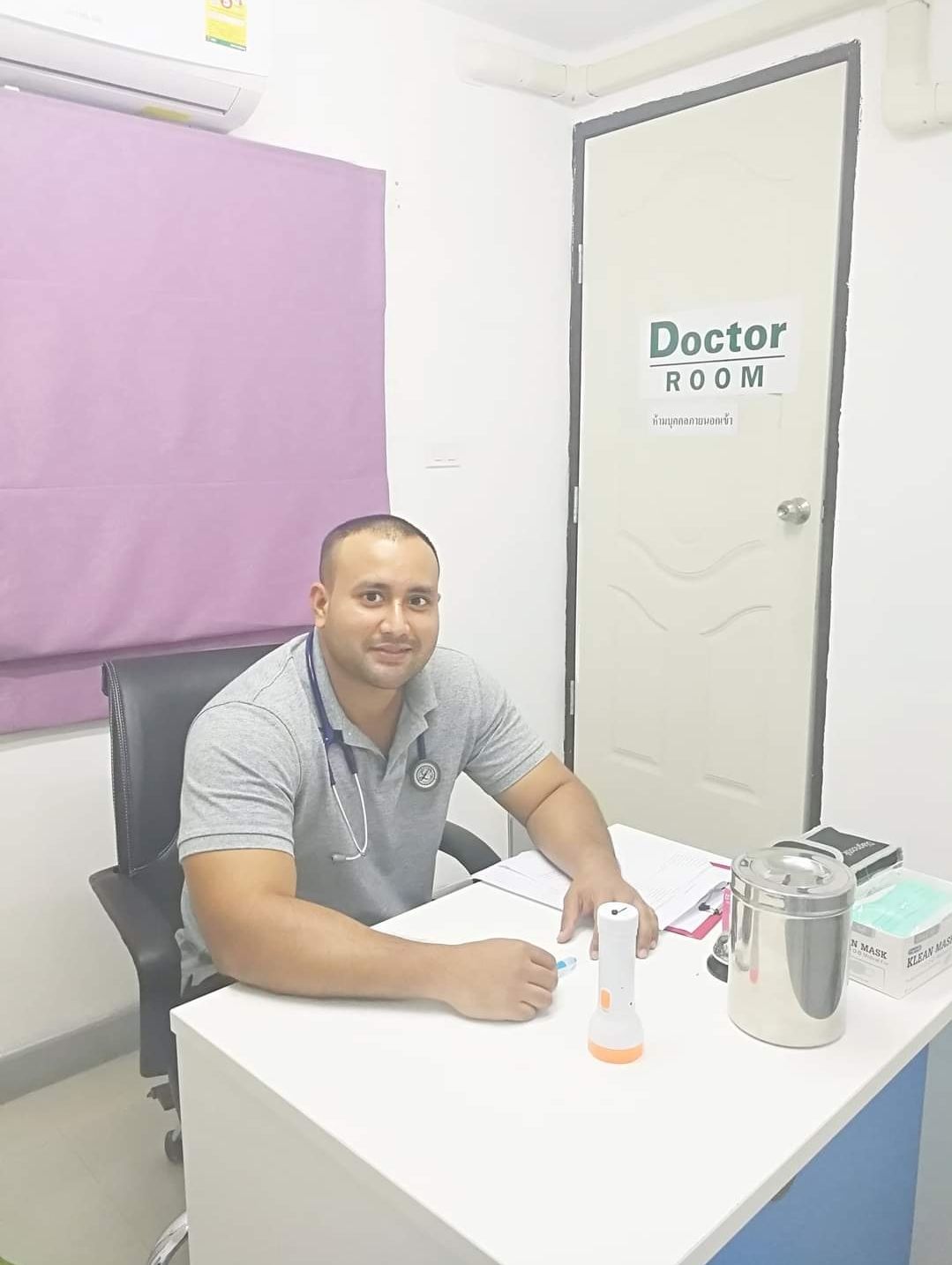
Dr. Ponlawat Pitsuwan is a physician at Doctor Bangkok, a private clinic in central Bangkok. He sees expats, residents, and medical tourists for general medicine, wellness consultations, and IV therapy. His focus is straightforward, evidence-based care delivered in plain language.