


Clinically reviewed by Dr. Ponlawat Pitsuwan, Physician, Doctor Bangkok. Last reviewed: July 2026
Gout cannot be cured in the traditional sense, but it can be put into lasting remission. With consistent urate-lowering medication and the right lifestyle changes, most patients stop having flares entirely. The underlying tendency to build up uric acid remains, but it can be controlled well enough that gout becomes a non-issue for most people.
If you are reading this after a gout attack, you already know how bad it can be. The joint swelling, the heat, the kind of pain that wakes you up at 3am and makes a bedsheet on your foot feel unbearable. You want to know if this is going to keep happening, or if there is a way to actually fix it.
Here is the honest answer: gout does not have a permanent cure the way a bacterial infection does. But for most patients, it can be controlled so well that flares stop completely. That is not the same as being stuck with it forever. It means getting on the right treatment, hitting a measurable target in your blood, and staying there.

What Gout Actually Is and Why the Word "Cure" Gets Complicated
Gout happens when uric acid builds up in your blood and forms sharp crystals inside your joints. Your body reacts to those crystals with intense inflammation. That is the flare.
A permanent cure is not possible because most people with gout either make too much uric acid or do not clear it well enough through their kidneys. That tendency does not go away. But here is what does go away with good treatment: the crystals, and the flares they cause.
Think of it like high blood pressure. We cannot permanently fix the mechanism that drives it up, but we can control it completely with the right medication. Gout works the same way.
The Four Stages of Gout
Knowing where you are matters, because it changes what treatment looks like.
The first stage is high uric acid with no symptoms yet. Many people spend years here without knowing it. The second stage is an acute flare, which is what most people come to the clinic with. Sudden, severe pain in a joint, usually the big toe, ankle, or knee, peaking within 24 hours.
The third stage is the quiet period between flares. You feel fine, but uric acid crystals are still there. Without treatment, flares come back, usually worse and more frequent each time. The fourth stage is chronic gout, where lumps called tophi form under the skin around joints. This is what happens when gout goes unmanaged for years, and joint damage at this point can become permanent.

Medications That Control Gout Long-Term
The goal of long-term gout treatment is to bring your serum uric acid below 6 mg/dL. At that level, existing crystals dissolve over time and new ones stop forming. Most patients who hold that target consistently stop having flares within a year.
The most commonly used medication is allopurinol. It reduces how much uric acid your body produces. The dose is increased gradually based on your blood results, and starting it without checking kidney function first is genuinely risky. Febuxostat is sometimes used when allopurinol is not well tolerated. A different class of medication helps your kidneys clear more uric acid and has a role in certain patients.
One thing that surprises many patients: starting urate-lowering therapy can trigger a flare in the first few months. This is expected, not a sign that the medication is failing. A low dose of colchicine, taken alongside the main medication, is used to prevent this. At Doctor Bangkok, we walk patients through exactly what to expect so those first months are not alarming.
Managing Gout in Bangkok: Diet, Drink, and the Local Food Environment
Bangkok is genuinely one of the harder cities to manage gout in, and not enough people talk about this.
Thai food is built around ingredients that are high in purines, the compounds your body breaks down into uric acid. Organ meats appear in many dishes. Shellfish and crab are cheap, abundant, and everywhere. Fermented fish-based sauces are used as base flavours in food you would not even suspect. Beer is the other big one. Even one night of heavy drinking can trigger a flare if your levels are already close to the threshold.
Sugary drinks are also a problem. Fructose, the sugar in most soft drinks and fruit juices sold here, raises uric acid in a way most patients do not expect. It is not just alcohol you need to watch. Bangkok is hot, you sweat more than you realise, and if you are not drinking enough water, your uric acid concentrates. I tell every gout patient here: aim for at least two to three litres of water a day.
The foods that are genuinely safer include low-fat dairy, eggs, most vegetables, and low-purine proteins like chicken breast. Coffee appears to have a modest protective effect based on current evidence.
What Happens If Gout Goes Untreated
Most people treat their flares with anti-inflammatories and then wait for the next one. That is the worst approach for your long-term health.
Without urate-lowering therapy, flares become more frequent and affect more joints. Eventually you reach tophaceous gout, with visible lumps and permanent joint damage. What most patients do not know is that uncontrolled gout is also linked to kidney stones, chronic kidney disease, high blood pressure, and heart disease. This is not a condition to just tolerate.
Treating a flare with painkillers alone without addressing the underlying uric acid level does not prevent any of this.
Getting a Gout Diagnosis and Treatment in Bangkok
If you have not been formally diagnosed, that is the first step. We start with a blood test to check your serum uric acid and kidney function, and we rule out other causes of joint inflammation, because not every swollen joint is gout.
At Doctor Bangkok, a first gout appointment covers a clinical assessment, blood testing, and a clear treatment plan. If you are already on allopurinol from home and need to continue, we can review your dose and run monitoring bloods. You do not need to start from scratch. Getting the right dose always depends on how your kidneys are working. Taking the wrong dose without knowing your kidney status is one of the most common mistakes I see.
If your flares are frequent or your levels are high, we start treatment that visit. If you are between flares and just want a check, we do the bloods and plan from there. You can book a gout consultation at Doctor Bangkok online or walk in during clinic hours.
Dealing with a gout flare or high uric acid levels in Bangkok? Doctor Bangkok offers uric acid blood testing, kidney function panels, and full gout treatment plans with English-speaking physicians in central Bangkok. Same-week appointments available. Visit doctorbangkok.co.th/gout-treatment-bangkok/ to book or learn more.
Frequently Asked Questions
Can gout be cured permanently, or will I always need medication?
There is no permanent cure in the way we think of curing an infection, but many patients achieve complete remission where flares stop entirely. The underlying tendency to accumulate uric acid remains, so stopping medication usually causes levels to rise again and flares to return. The realistic goal is indefinite remission, not a one-time fix.
Is Thai food bad for gout? What should expats in Bangkok watch out for?
The Bangkok food environment is genuinely high-risk for gout. Shellfish, organ meats, fermented fish products, and beer are all significant triggers, and they appear constantly in Thai food and social settings. High-sugar drinks and dehydration from Bangkok’s heat add to the risk, so staying well hydrated every day matters as much as what you eat.
How long does it take for gout to go into remission with treatment?
Most patients reach their uric acid target within a few months of getting the dose right, but crystals already in your joints take longer to dissolve. Flare frequency typically drops significantly within the first year of consistent treatment. The first few months can actually involve more flares as crystals begin to break up, which is expected and manageable with colchicine.
What are the risks of leaving gout untreated?
Untreated gout progresses from occasional flares to permanent joint damage, visible tophi, and eventual disability in the affected joints. Beyond the joints, uncontrolled high uric acid is linked to kidney stones, chronic kidney disease, high blood pressure, and heart disease. Treating a flare with painkillers alone without addressing the underlying uric acid level does not prevent any of this.
Do I need a prescription to get gout medication in Bangkok?
Yes. Allopurinol and colchicine both require a prescription in Thailand, and allopurinol should only be started after a kidney function test to determine the right dose. Self-medicating or buying online without proper assessment carries real risks. A short appointment at Doctor Bangkok covers blood testing and a prescription in the same visit.
Can diet alone control gout without medication?
For mild cases with only slightly elevated uric acid, diet changes can sometimes bring levels into the safe range. For most patients, diet alone is not enough to reach the target of below 6 mg/dL and medication is needed. Diet still matters a great deal alongside medication, and the Bangkok food environment makes this harder than it is in most places.
Dr. Ponlawat Pitsuwan
Physician, Doctor Bangkok
a private medical clinic in central Bangkok. He sees expats, residents, and medical tourists for gout, joint pain, uric acid management, and related metabolic conditions. His focus is straightforward, evidence-based care delivered in plain language.
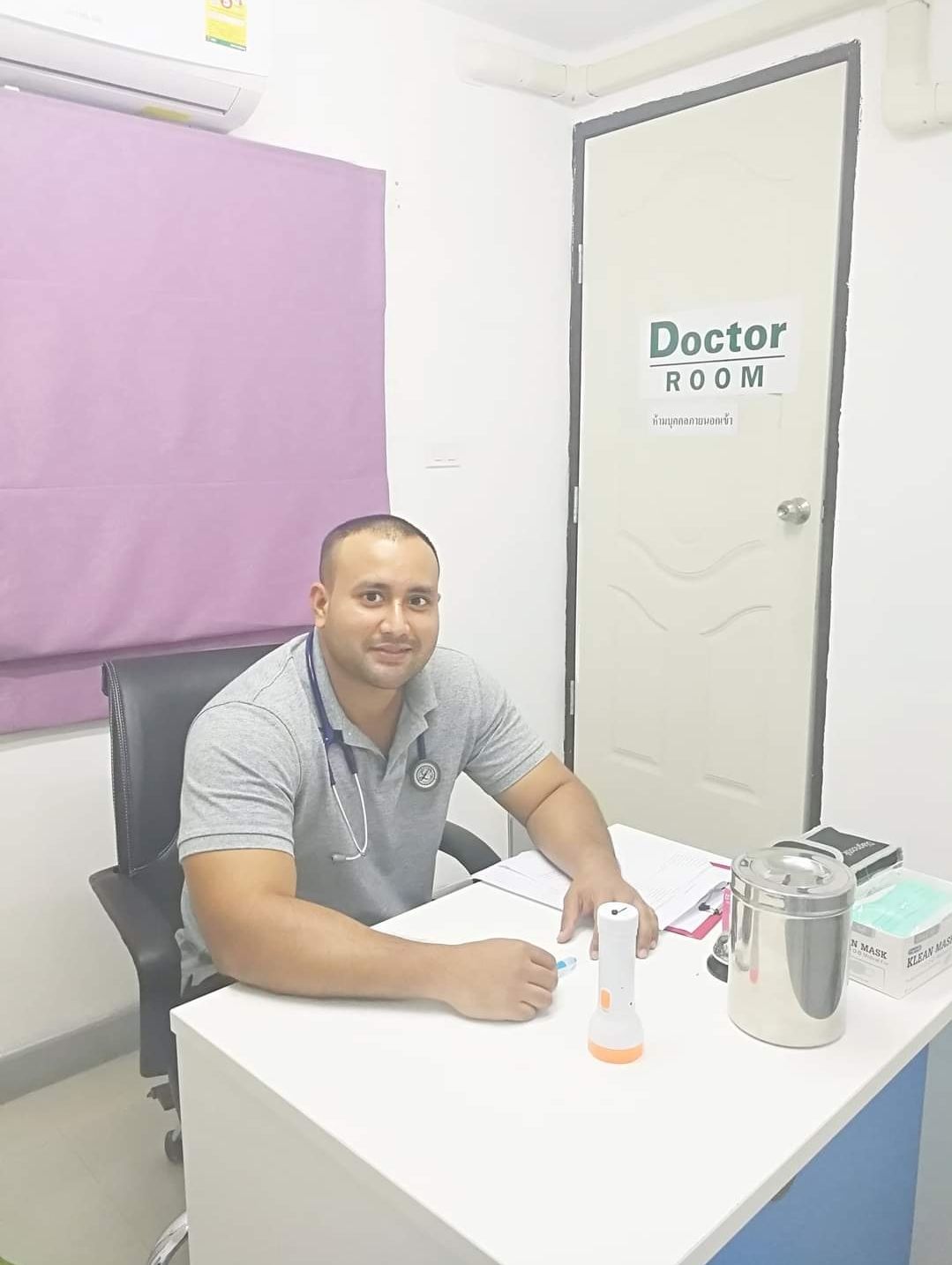
Dr. Ponlawat Pitsuwan is a physician at Doctor Bangkok, a private clinic in central Bangkok. He sees expats, residents, and medical tourists for general medicine, wellness consultations, and IV therapy. His focus is straightforward, evidence-based care delivered in plain language.