
Clinically reviewed by Dr. Ponlawat Pitsuwan, Physician, Doctor Bangkok. Last reviewed: June 2026
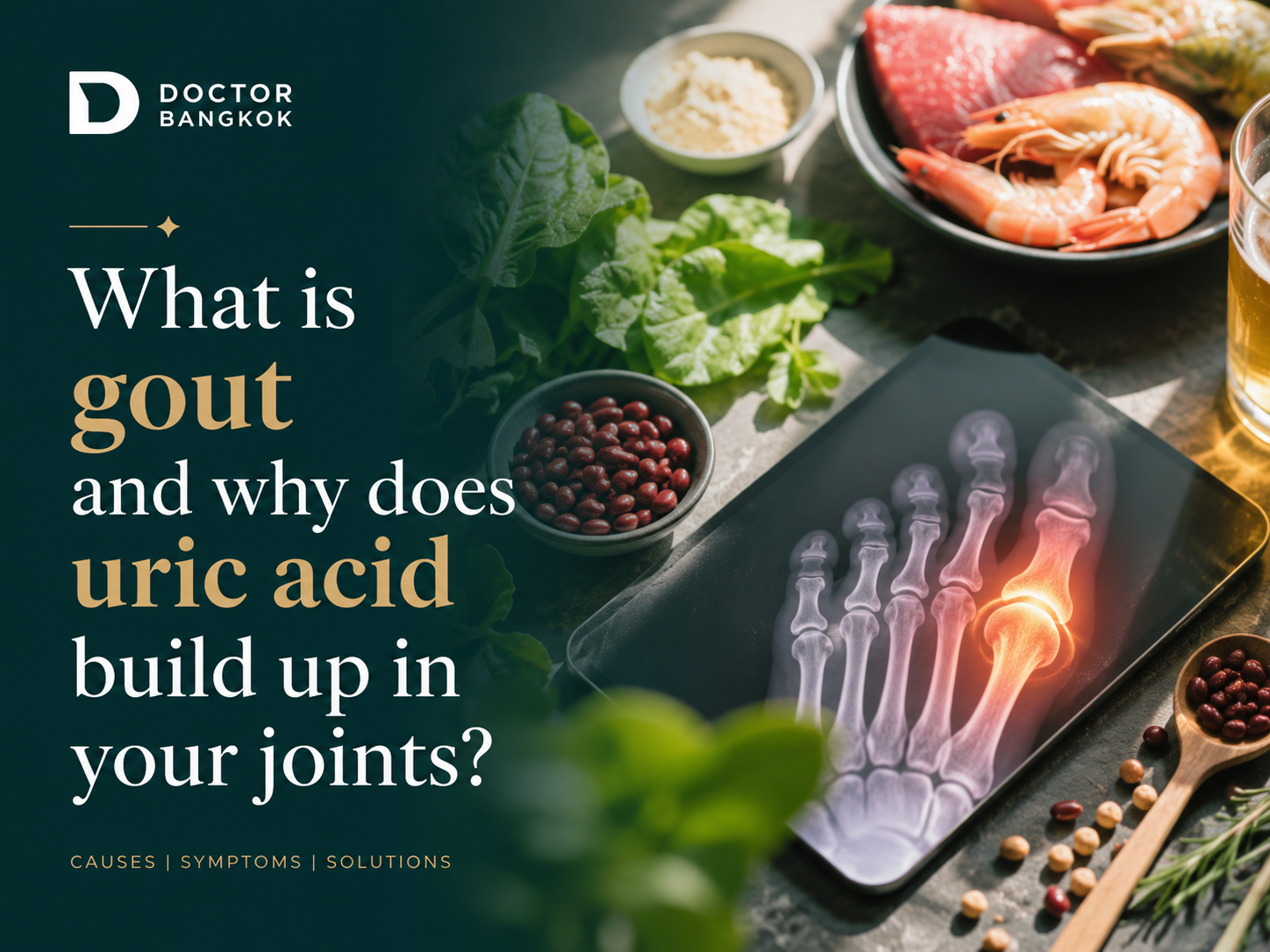
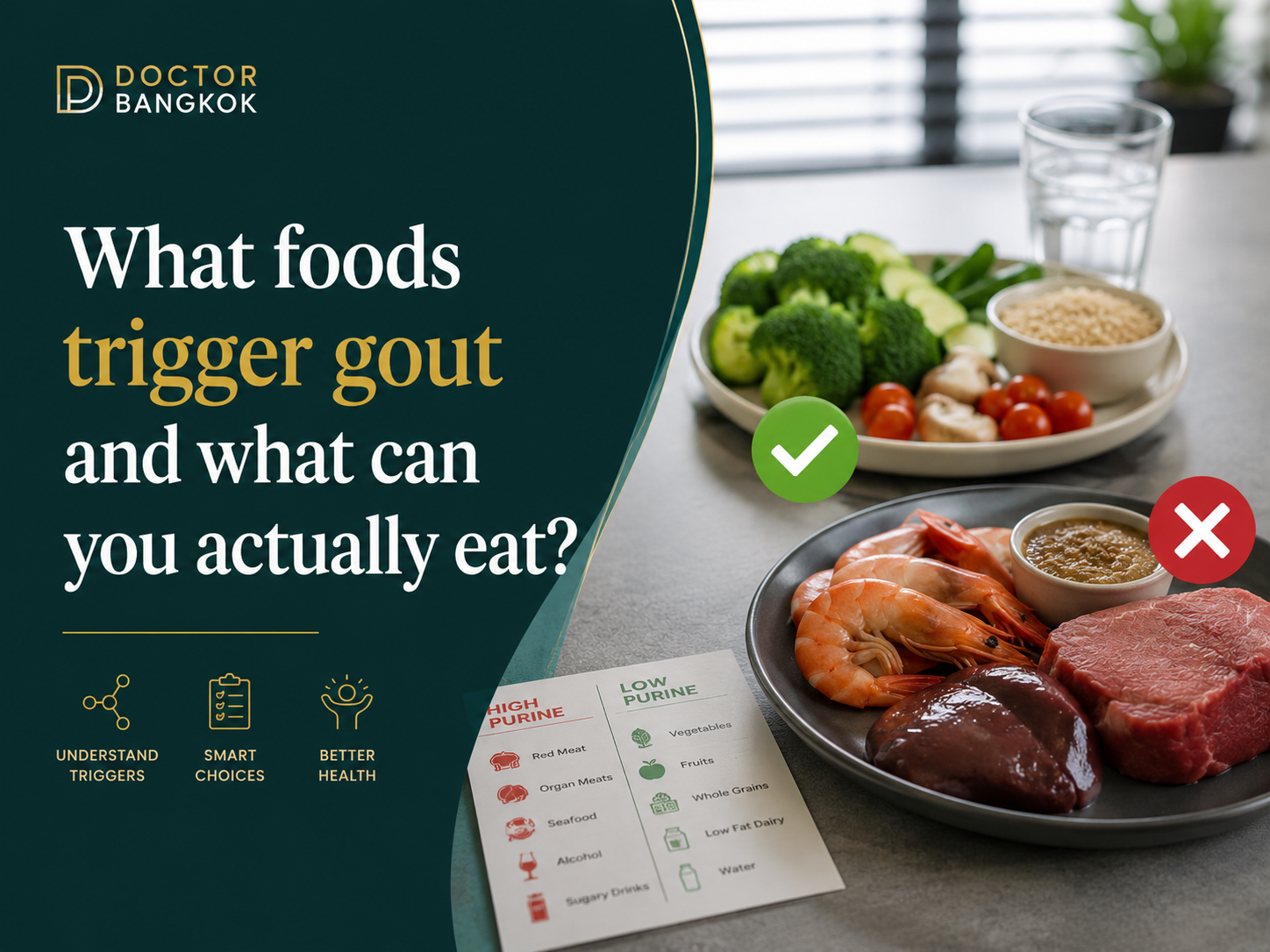
Gout flares are driven by uric acid build-up, and the foods you eat directly affect that. The biggest triggers are organ meats, processed pork products, shellfish, beer, and fructose-heavy drinks. Lean meats in small portions are usually fine. Diet helps, but most people with gout also need medical treatment to keep uric acid under control.
If you have ever woken up at 3am with your big toe on fire, you already know what gout feels like. What you want to know is what set it off, and whether you have to give up every food you enjoy. I get that question a lot, especially from expats in Bangkok who eat out most days and have no idea which Thai dishes are safe.
The honest answer is that gout is not a diet death sentence. There are real foods to cut, a few surprises in Thai cuisine that people miss, and plenty of reasonable choices you can keep. Here is what I tell patients.

Is pork bad for gout? Which meats are high in purines?
This is the question I get most often. Pork is everywhere in Bangkok, from morning rice soup to late-night khao kha moo, so it matters.
Lean pork, like loin or tenderloin, sits in the moderate range. A small portion once a day, counted as part of your total meat for that day, is workable for most people. The problem is processed pork. Bacon, ham, sausage, and pork belly are higher in purines and loaded with sodium. These are the ones to cut.
Organ meats are in a different category entirely. Pork liver, kidney, and intestines are among the highest-purine foods that exist. If you have gout, these need to come off the table completely, not just occasionally.
Chicken and turkey are lower in purines than red meat, which makes them a better daily protein choice. Think of one palm-sized portion as your ceiling across all meats combined for the day, not per meal.
How cooking method affects purine levels in meat
How you cook meat changes how much purine you actually consume. When you boil meat, purines leach out into the water. If you then drink that broth, you are getting a concentrated dose.
This is very relevant in Bangkok. Pork bone broth soups, khao kha moo cooking liquid, and slow-simmered noodle soups all fall into this category. The broth is the problem, not just the meat. Grilling, baking, and roasting do not push purines into a liquid you then drink, so those methods are safer.
If you are in a flare, or your uric acid is consistently high, be careful about the broth itself. You do not have to stop eating soup. Just leave most of the liquid.

Thai food and gout — what Bangkok expats need to know
Living in Bangkok with gout is manageable. But there are hidden triggers in Thai cuisine that most gout guides never mention, and my patients walk into them constantly.
Fish sauce is in almost everything here. Shrimp paste is the same story. These are not used in large quantities per dish, but eating Thai food three times a day means the cumulative effect adds up. Dishes heavy in both, like some curries and fermented seafood dipping sauces, are worth keeping occasional rather than daily.
Seafood-heavy dishes are a bigger concern. Shrimp, crab, and dried shrimp are all high in purines. Pad thai loaded with shrimp, fried shellfish from street stalls, and tom yum with shrimp are all triggers. Switching to tofu-based tom yum cuts the risk significantly.
The good news is that a lot of Thai food is fine. Plain jasmine rice, vegetable stir-fries, tofu dishes, and green papaya salad without dried shrimp are all low-risk. Pad pak, stir-fried greens, is one of the safest things you can order at any Thai restaurant. For more detail on managing gout day-to-day in Bangkok, see our gout treatment page.
Alcohol and gout — beer, spirits, and why it hits twice
Alcohol is a genuine problem for gout, and beer is the worst offender.
Beer both contains purines directly and blocks your kidneys from clearing uric acid. Your body is producing more uric acid from the beer while losing its ability to get rid of it. That is why a heavy night can trigger a flare within 24 hours. Spirits carry less purine load but still impair uric acid clearance. Wine in moderate amounts appears to carry lower risk than beer, based on available evidence, but no alcohol is safe during an active flare.
In Bangkok, where drinking socially is part of expat life for many people, I would rather be direct about this. If you are having regular gout attacks, alcohol is a variable worth taking seriously.
The fructose problem — sugary drinks and hidden sugar in Bangkok
Fructose, a type of sugar, triggers uric acid production in the body. This is separate from purines entirely.
In Bangkok, the picture looks different from what Western gout guides describe. Cha yen, Thai iced tea, is typically made with condensed milk and a large amount of sugar. Fruit shakes from street stalls often contain far more sugar than you expect. Energy drinks are popular and are a problem. Fresh fruit juice in large quantities, particularly mango and grape juice, carries meaningful fructose. Whole fruit is a much smaller concern and I do not tell patients to stop eating it.
If you are drinking two or three sweetened drinks a day, swapping most of them for water or black coffee is one of the highest-impact changes you can make for gout.
What you can actually eat
Gout does not mean surviving on plain rice. There is more on the safe side than most people expect.
Plant proteins are your best option. Tofu, tempeh, eggs, and beans are all low-risk. High-purine vegetables like spinach, mushrooms, and cauliflower do not carry the same risk as animal-source purines, so you can eat them freely. Low-fat dairy, particularly milk and yoghurt, is associated with lower uric acid levels. Cherries have some evidence behind them for reducing flare frequency, though the effect is modest. Staying well hydrated with plain water is one of the simplest things that helps.
Eating more plants and less processed meat is the practical takeaway. You do not need a rigid meal plan.
Diet alone is not enough — when you need medication
This is the part most online guides leave out, and I think that does patients a disservice.
Dietary changes are important, but they typically reduce uric acid levels by a modest amount. For many people with established gout, that is not enough to prevent flares or protect the joints over time. Urate-lowering therapy, usually allopurinol, works by reducing how much uric acid your body produces. Colchicine manages acute flares. These medications work. Diet supports them; it does not replace them.
I see patients who have been managing gout with diet alone for years, still getting flares, still in pain, when a blood test and a treatment plan would have sorted it out months ago. If your gout keeps coming back, please get assessed. Gout treatment at Doctor Bangkok includes a uric acid blood test, clinical assessment, and a treatment plan that addresses the underlying problem, not just the food.
Struggling with recurring gout flares in Bangkok? Doctor Bangkok offers same-day uric acid blood testing and gout treatment at our central Bangkok clinic, BTS accessible, with English-speaking physicians. A blood test and clinical review can tell you exactly where your uric acid level sits and what you need to do about it. Book at doctorbangkok.co.th or walk in.
Is pork completely off limits with gout, or can I eat it in small amounts?
Lean pork cuts like loin and tenderloin are moderate in purines and can fit into a gout diet in small portions. Think of one palm-sized serving as the ceiling for all meat combined in a day, not per meal. Processed pork, including bacon, ham, sausage, and organ meats like pork liver and kidney, should be avoided.
Is Thai food safe if I have gout?
A lot of it is fine. Jasmine rice, stir-fried vegetables, tofu dishes, and plain soups are low-risk. The hidden triggers are fish sauce, shrimp paste, shellfish dishes, and soups where you drink the bone broth. Ask for tofu instead of shrimp where you can, and go easy on heavy curry sauces and fermented seafood-based dips.
Can changing my diet alone control gout without medication?
Diet makes a real difference, but for most people it is not enough on its own. The reduction in uric acid from dietary changes is modest, and if you are already getting flares, your uric acid is likely high enough that medication is the more effective tool. Getting a uric acid blood test is the right first step. Our uric acid testing and gout clinic in Bangkok can give you a clear picture the same day.
Does beer make gout worse than other alcohol?
Yes, beer is the worst option. It contains purines and also blocks your kidneys from clearing uric acid, so it hits you twice. Spirits are less purine-heavy but still impair uric acid clearance. Wine in moderate amounts appears to carry less risk than beer, but no alcohol is safe during an active flare.
Does boiling pork or beef change the purine content?
Yes. Boiling causes purines to leach out of the meat into the water, so the broth itself becomes high in purines. Drinking pork bone broth or noodle soup liquid means consuming concentrated purines. Grilling and baking do not have this effect. In Bangkok, where bone broth soups are everywhere, this is a practical thing to know.
Are there drinks that help lower uric acid?
Plain water is the most useful thing you can drink. Staying well hydrated helps your kidneys clear uric acid more efficiently. Black coffee in moderate amounts has some evidence linking it to lower uric acid levels. What matters most is replacing sweetened drinks, energy drinks, and fruit juice with water, as these drive uric acid up.
Dr. Ponlawat Pitsuwan
Physician, Doctor Bangkok
a private medical clinic in central Bangkok. He sees expats, residents, and medical tourists for gout assessment, uric acid testing, and general medical consultations. His focus is straightforward, evidence-based care delivered in plain language.
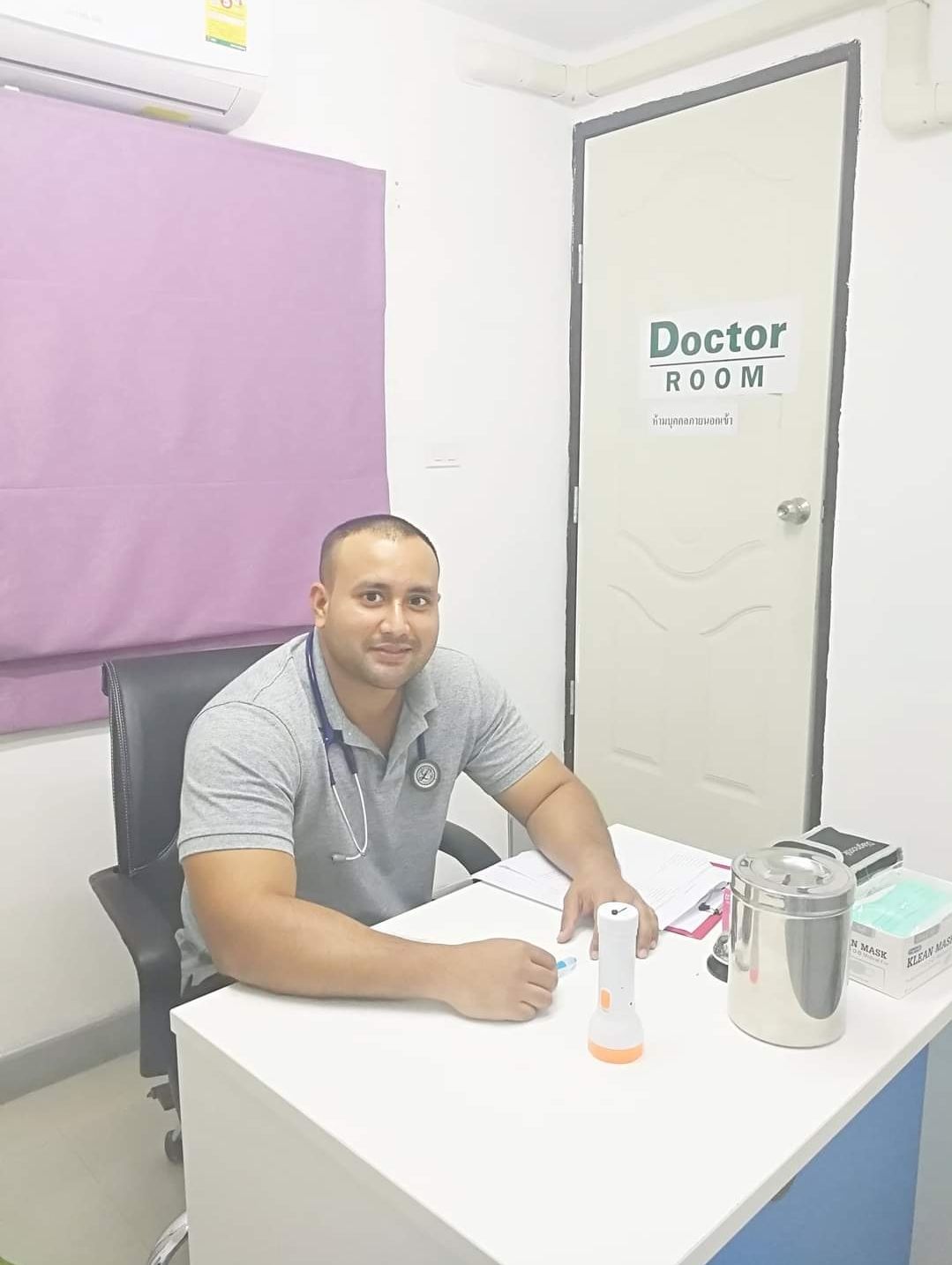
Dr. Ponlawat Pitsuwan is a physician at Doctor Bangkok, a private clinic in central Bangkok. He sees expats, residents, and medical tourists for general medicine, wellness consultations, and IV therapy. His focus is straightforward, evidence-based care delivered in plain language.