


Clinically reviewed by Dr. Ponlawat Pitsuwan, Physician, Doctor Bangkok. Last reviewed: June 2026
Tophi are hard lumps that form under the skin when gout has been under-treated for years. They are made of uric acid crystals and will not go away on their own. With the right medication, tophi can shrink and sometimes disappear, but it takes months to years of consistent treatment. If you have gout and notice lumps near your joints, get assessed sooner rather than later.
If you have had gout attacks on and off for years and now have a hard lump near a joint, you are probably wondering what it is and whether you should be worried. Most patients who come in with tophi tell me the same thing: they managed their flares with painkillers, felt fine between episodes, and figured things were under control. They were not.
Tophaceous gout is what happens when high uric acid goes untreated long enough for crystals to build up into solid deposits in the tissue. It does not happen overnight. It takes years. But by the time tophi appear, there is already significant uric acid overload in the body, and without proper treatment, the damage continues even when you feel no pain at all.

What is tophaceous gout and how is it different from a regular gout attack?
Most people know gout as that sudden, agonising pain in the big toe that appears overnight. That is a classic acute gout attack, and it sits earlier in a progression that ends, if untreated, in tophaceous gout. The final stage is when uric acid crystals accumulate into fixed, physical deposits called tophi. One deposit is a tophus.
Unlike a gout flare, which resolves on its own within days or weeks, tophi do not resolve. They sit there, growing slowly, and cause damage the whole time whether you feel them or not.
The biggest misconception I hear is that tophaceous gout is just a worse version of gout attacks. It is a different clinical situation entirely. Flares come and go. Tophi are permanent until treated. They are also a sign that your uric acid has been high enough, for long enough, to physically restructure tissue around your joints.
Where do tophi appear on the body and what do they look like?
Tophi are firm, whitish or yellowish lumps sitting just under the skin. They range from a few millimetres to several centimetres. The skin over them is sometimes stretched and shiny. In advanced cases, they can ulcerate and leak a chalky white paste, which is the uric acid deposit itself.
The most common places I see tophi are the outer ear, the back of the elbow, the knuckles, the fingers, the Achilles tendon, and the top of the foot near the toes. They tend to appear at cooler parts of the body, where uric acid crystals are more likely to solidify.
The ear is one that surprises patients. A small, firm nodule on the outer rim of the ear with no pain is often assumed to be a cyst or skin lesion. I have seen expats walk around with ear tophi for years before a doctor correctly identified them.
What complications can tophi cause if left untreated?
Painless tophi are still causing damage. The crystals drive a constant low-level inflammatory response in the surrounding tissue, which over time erodes bone. That bone erosion is permanent.
Large tophi near tendons can compress nerves, causing numbness, tingling, or weakness in the fingers or feet. Tophi that break through the skin create open wounds that are slow to heal and prone to infection. Near a joint, a large tophus can physically restrict movement and cause deformity that cannot be reversed even if the tophi later shrink.
This is where Bangkok context matters. I see expats who have gone years between proper check-ups, managing flares with ibuprofen from a pharmacy and feeling fine between episodes. The food here is excellent and also very high in purines. By the time they sit in front of me with tophi and a uric acid level of 10 or above, the joint damage on X-ray is already visible. Earlier treatment genuinely changes outcomes.
How is tophaceous gout diagnosed?
A blood test measuring your serum uric acid level is the first step. But a high uric acid result alone does not confirm tophaceous gout, and a normal result during a flare does not rule gout out either.
The most definitive way to confirm gout is drawing fluid from an affected joint and examining it under a microscope. Urate crystals have a very specific appearance that makes the diagnosis clear. For assessing tophi specifically, imaging matters. Standard X-rays can show characteristic bone erosion. Dual-energy CT, often called DECT, can map urate deposits in three dimensions and is available at well-equipped private clinics in Bangkok. It is particularly useful for tracking how deposits respond to treatment over time.
Tophi can sometimes be mistaken for rheumatoid nodules, ganglion cysts, or signs of joint infection. If there is any uncertainty, we investigate properly rather than assume.
How is tophaceous gout treated and can tophi actually disappear?
Yes, tophi can shrink and in many cases resolve completely. But it requires sustained, consistent treatment over months to years.
The treatment centres on urate-lowering medication. Allopurinol is the most commonly used option and works well when the dose is increased gradually to the right level. Febuxostat is an alternative for people who cannot tolerate allopurinol. For people with very heavy tophaceous burden who have not responded to oral medications, a specialist infusion treatment called pegloticase exists, though it is not first-line.
The target most patients are not told: for tophaceous gout, the uric acid goal is below 5 mg/dL. That is stricter than the standard 6 mg/dL target used for regular gout. The lower target is what drives crystal dissolution over time. Sitting at 5.5 and calling it good enough will not get your tophi to shrink meaningfully.
How long does it take? Expect six months to several years. Small tophi in patients who start treatment early may resolve within a year. Large, established deposits take longer. The key is not stopping medication because you cannot see progress. Dissolution happens gradually and is ongoing even when you cannot feel it.
During the early months of treatment, gout flares can temporarily increase as crystals begin to mobilise. This surprises patients, who sometimes think the medication is making things worse. It is not. We manage this with anti-inflammatory cover during the first few months.
Diet matters but it is not the main treatment. Cutting high-purine foods like organ meats, shellfish, and red meat helps, as does reducing alcohol, particularly beer. Staying well hydrated in Bangkok’s heat matters more than most patients realise. But diet changes alone will not dissolve established tophi. Medication does the real work.
Getting treatment for tophaceous gout in Bangkok
If you are an expat or visitor in Bangkok dealing with gout, whether active flares or lumps you are not sure about, you do not need to navigate the large hospital system to get proper care. Doctor Bangkok offers English-language consultations with physicians who manage gout as a chronic condition, not just a single episode.
A uric acid blood panel and full metabolic screen can be run quickly, and same-day results are often available. If imaging or specialist referral is needed, we coordinate that directly. Ongoing uric acid monitoring, which you need every few months on urate-lowering therapy, is straightforward here and does not require booking weeks in advance.
The biggest mistake I see with gout in Bangkok is people managing acute attacks and assuming that is enough. If you have had more than two or three flares, or if you have noticed firm lumps near your joints or on your ears, come in for a proper assessment. You can book a consultation for gout treatment at Doctor Bangkok directly through our website.
Concerned about gout lumps or recurring flares in Bangkok? Doctor Bangkok offers same-day blood testing, uric acid monitoring, and English-language GP consultations in central Bangkok, BTS accessible. Whether you have just had your first flare or have been managing gout for years, we can assess where you are and put a clear plan in place. Visit doctorbangkok.co.th to book your appointment.
FAQ
Are tophi painful, and should I see a doctor even if they are not hurting?
Tophi at rest are often painless, which is exactly why people leave them too long. They can become tender during a flare and can ulcerate or get infected over time. More importantly, painless tophi are still eroding bone, so the absence of pain does not mean the absence of damage. Get them assessed.
How long will it take for my tophi to go away with treatment?
Expect months to years, depending on how large and long-standing the deposits are. Small tophi in someone who starts treatment early may resolve within six to twelve months. The key is keeping uric acid consistently below 5 mg/dL and not stopping medication because you cannot see progress yet.
What is the difference between a gout attack and tophaceous gout?
A gout attack is a sudden, painful flare that typically resolves within days to weeks on its own or with anti-inflammatories. Tophaceous gout is an advanced stage where crystals have built up into permanent solid deposits in the tissue. Flares come and go. Tophi do not go without sustained treatment.
Can tophi be surgically removed in Bangkok?
Surgery is reserved for tophi that are disabling, infected, or compressing a nerve, and it is not the first approach. Most cases are managed with medication alone. At Doctor Bangkok, we assess whether your situation needs medical management, specialist referral, or surgical consideration.
Living in Bangkok, am I at higher risk of developing tophi?
The Bangkok lifestyle carries real risk factors: frequent meals with high-purine foods like seafood and organ meats, regular alcohol especially beer, heat-related dehydration, and the tendency among expats to go years without a regular GP. None of this is a judgment, just an honest picture of what I see in clinic regularly.
Can I just change my diet to treat tophaceous gout without medication?
Diet changes help and are worth making, but they will not dissolve established tophi on their own. The reduction in uric acid from dietary changes alone is modest. Medication is what drives crystal dissolution at the levels required. Diet and medication together give you the best outcome.
Dr. Ponlawat Pitsuwan
Physician, Doctor Bangkok
a private medical clinic in central Bangkok. He sees expats, residents, and medical tourists for gout management, joint pain assessment, and chronic disease monitoring. His focus is straightforward, evidence-based care delivered in plain language.
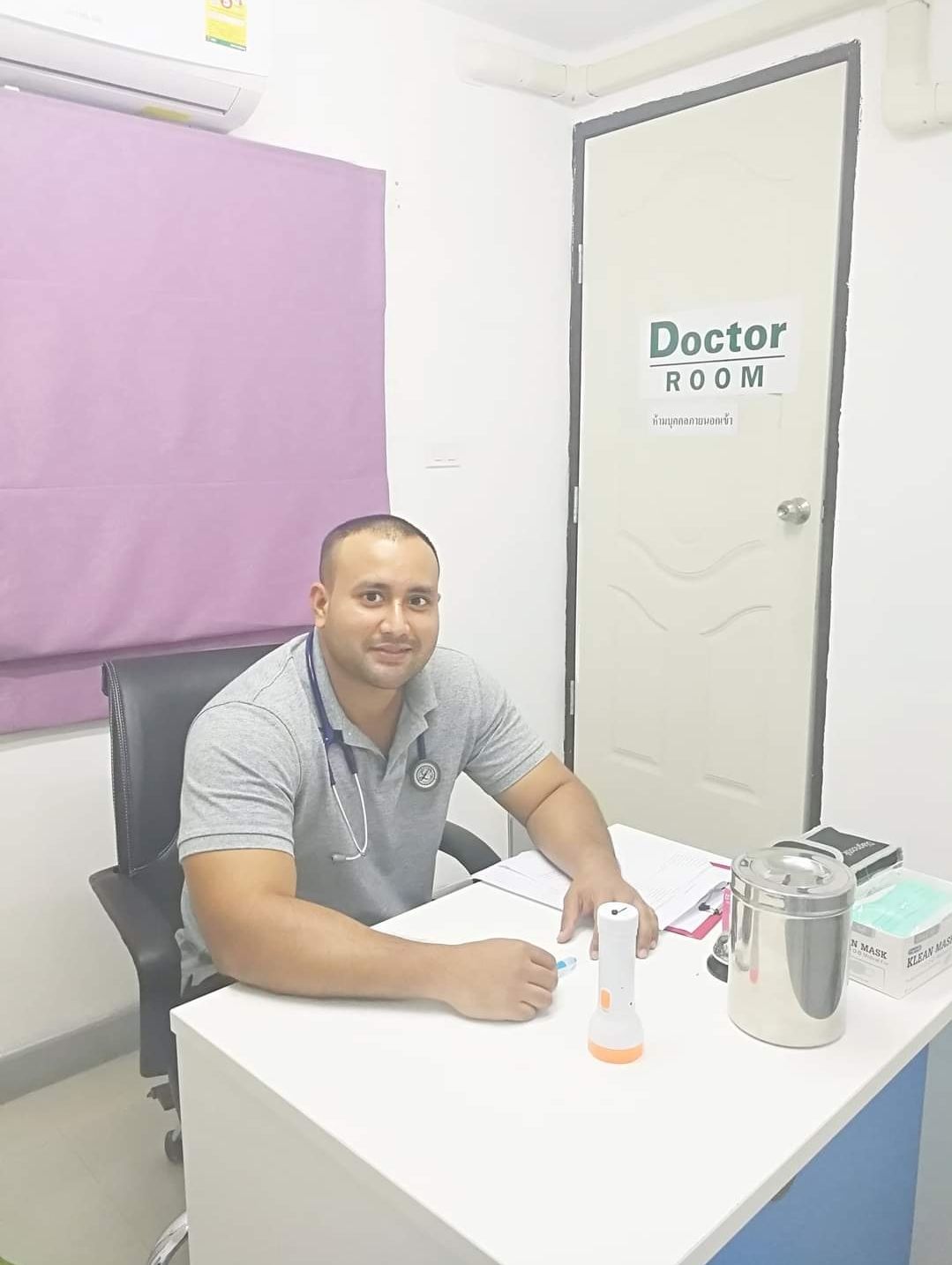
Dr. Ponlawat Pitsuwan is a physician at Doctor Bangkok, a private clinic in central Bangkok. He sees expats, residents, and medical tourists for general medicine, wellness consultations, and IV therapy. His focus is straightforward, evidence-based care delivered in plain language.