


Clinically reviewed by Dr. Ponlawat Pitsuwan, Physician, Doctor Bangkok. Last reviewed: July 2026
Dengue hemorrhagic fever is a severe form of dengue where fluid leaks out of your blood vessels and your platelet count drops dangerously low. The most deceptive moment is when your fever breaks and you feel better, usually around day four or five. That is not recovery. That is the start of the highest-risk phase, and it is the point where people get into serious trouble if they are not being monitored.
If you have been sick with fever for a few days in Bangkok and you are wondering whether this is just regular dengue or something worse, you are asking exactly the right question. Most dengue cases are miserable but manageable. Dengue hemorrhagic fever is different. It can become a medical emergency in less than 24 hours, and the warning signs are easy to miss if you do not know what to look for.
The good news is that if you catch it early and monitor it properly, the outcome is usually fine. The problem is that most expats either wait too long or feel better around day four and assume they are through it. This article tells you what to watch for and when to come in.

Classic dengue vs. dengue hemorrhagic fever — what actually makes them different
Most people who get dengue have what we call classic dengue fever. High temperature, bad headache, pain behind the eyes, muscle aches, sometimes a rash. It is rough, but the blood vessels stay intact and the platelets, the cells that help your blood clot, stay high enough to keep you safe.
In dengue hemorrhagic fever, the blood vessels become leaky. Fluid moves out of your bloodstream into the spaces around your lungs and abdomen. Your platelet count falls sharply. At that point you are at risk of serious bleeding and, if it goes far enough, circulatory shock.
The shift from one to the other is not always obvious from the outside. That is what makes this illness dangerous.
The three phases — and why phase two is the one that matters most
The febrile phase, roughly days one to three
This is when the fever hits hard, often 39 to 40 degrees Celsius. Muscle pain, joint pain, pain behind the eyes, sometimes a flushed rash across your chest or face. At this stage, classic dengue and dengue hemorrhagic fever look almost identical.
Get tested now, not later. A blood test can confirm dengue infection from day one. At Doctor Bangkok, we run this alongside a full blood count to get your baseline platelet level. That baseline matters.
The critical phase — days four to seven, and the defervescence trap
Here is the part most people get wrong. Around day four or five, the fever breaks. You feel noticeably better. You think the worst is over. It is not.
This is the most dangerous point in the illness. For patients with dengue hemorrhagic fever, this is exactly when fluid starts leaking out of the blood vessels and the platelet count crashes. If fluid leaks fast enough and blood pressure drops, it becomes dengue shock syndrome.
Do not stop monitoring just because you feel better. That is the rule I repeat to every dengue patient I see.
The recovery phase — days seven to ten
If you get through the critical phase safely, the leaked fluid gets reabsorbed and the platelet count starts to recover. Most patients feel much better within a week to ten days. The clinical team manages any complications during this stage.

Warning signs that mean you need to be seen immediately
These are the signs I tell patients to treat as an emergency. Do not wait for your next scheduled appointment. Come in.
Bleeding from any site, including gums, nose, urine, or stool, is a red flag. So is vomiting that will not stop, especially with blood in it. Severe abdominal pain that comes on suddenly, feeling faint or confused, and cold clammy skin with a fast pulse all warrant urgent assessment.
Petechiae are another warning sign. These are tiny red or purple pinpoint spots under the skin that do not fade when you press them. They look like a rash but they are actually small bleeds under the skin. If you see these during a dengue illness, get a blood test the same day.
Who is most at risk of dengue hemorrhagic fever in Bangkok
I see severe dengue in adults regularly, and long-term expat residents who have been through multiple rainy seasons are exactly the group I worry about most. DHF is significantly more likely if this is your second dengue infection with a different strain, and Bangkok has four strains circulating.
If you had dengue a few years ago, whether here or elsewhere in Southeast Asia, your immune system may respond to a new infection in a way that makes vascular leakage more likely. Adults with diabetes, heart disease, obesity, or conditions requiring immunosuppressive medication are also at higher risk of a severe course. This is not a children-only disease.
Dengue hemorrhagic fever season in Bangkok — what expats need to know
Bangkok’s rainy season runs roughly from May to October, and that is when dengue transmission peaks. The Aedes aegypti mosquito bites mainly around dawn and dusk and breeds in small amounts of standing water, including flower pots, blocked drains, and even the trays under potted plants. Urban Bangkok has breeding sites year-round, and I see dengue cases in my clinic every month.
The highest-risk months are June through September. Use a DEET-based repellent if you are outdoors at dawn or dusk, and eliminate standing water around your home. The Qdenga vaccine is now available in Thailand and may be appropriate for some patients, particularly those who have previously had dengue. Come in and we can advise whether it makes sense for you.
How dengue hemorrhagic fever is diagnosed
When you come in with suspected dengue, we run a blood test that detects the virus directly and works from the first day of symptoms. We also check your platelet count and haematocrit, which measures how concentrated your blood is. A rising haematocrit alongside a falling platelet count is one of the key signs of fluid leakage.
One blood test is not enough. We check your counts repeatedly over several days to see which direction things are moving. The trend matters as much as any single number.
Medications to avoid completely if you suspect dengue
Do not take ibuprofen, aspirin, naproxen, or any anti-inflammatory painkiller. These affect how your platelets work and increase bleeding risk. In a patient with dengue hemorrhagic fever, they can turn a manageable situation into a serious one.
Paracetamol is safe for fever and pain with dengue. That is the only painkiller I recommend until dengue has been ruled out. Many expats reach for ibuprofen as their default for fever and body aches, which makes sense in most situations. With dengue, it does not. Take paracetamol and get tested.
Treatment — what the management actually looks like
There is no antiviral drug that targets dengue directly. Management is about keeping you stable while your body clears the virus.
For mild dengue, that means rest, paracetamol, and enough fluid, ideally oral rehydration fluids rather than plain water. For dengue hemorrhagic fever, it means close monitoring and, in many cases, IV fluids to support your blood pressure during the critical phase. The threshold for hospital admission depends on your platelet count, your clinical signs, and how fast things are changing.
At Doctor Bangkok, we monitor patients closely and refer promptly when the picture warrants it. We do not manage severe dengue in an outpatient setting.
Worried about dengue or running a fever that will not break? Doctor Bangkok offers same-day dengue blood testing with English-speaking physicians in central Bangkok. We are BTS accessible and see expats, residents, and visitors without a referral. If you are in the critical window of a dengue illness and need monitoring, do not wait. Visit our fever treatment page or book an appointment at doctorbangkok.co.th.
Frequently asked questions
My dengue fever seems to be improving. Do I still need to see a doctor?
Yes, and this is urgent. When the fever drops around day four or five, that is the start of the critical phase, not the end. Your platelet count may be falling right now, and the apparent improvement is misleading. Get a blood test today, not tomorrow.
What is the difference between dengue fever, dengue hemorrhagic fever, and dengue shock syndrome?
Classic dengue is a severe flu-like illness that resolves on its own. Dengue hemorrhagic fever involves fluid leaking from blood vessels and a platelet count that drops below safe levels. Dengue shock syndrome is the most severe stage, where leakage is so significant that blood pressure collapses. They are points on the same spectrum, and the earlier you catch the shift, the better the outcome.
I had dengue before. Am I at higher risk if I get it again in Bangkok?
Yes, meaningfully so. A second infection with a different dengue strain can trigger a more severe immune response that makes plasma leakage more likely. Bangkok has four strains in circulation. If you have had dengue before, anywhere in Southeast Asia, treat any new dengue-like illness as potentially high risk and come in early.
Which medications should I avoid if I think I have dengue?
Avoid ibuprofen, aspirin, naproxen, and any anti-inflammatory medication. These affect platelet function and can increase bleeding risk significantly. Paracetamol is safe and is the only recommended option for fever and pain until dengue is ruled out.
When is dengue season in Bangkok, and how do I reduce my risk?
The rainy season from May to October is the peak period, with June through September carrying the highest risk. Year-round, the Aedes mosquito breeds in standing water around urban Bangkok. Use DEET repellent at dawn and dusk, eliminate standing water at home, and ask at Doctor Bangkok about the Qdenga vaccine if you have previously had dengue.
What blood tests are done for dengue hemorrhagic fever and how often?
We run a test to confirm dengue plus a full blood count to check your platelets and haematocrit. One test is not enough. We monitor with repeat blood counts, sometimes daily, to track whether your platelet count is dropping and how fast. The trend matters as much as the single number.
Dr. Ponlawat Pitsuwan
Physician, Doctor Bangkok
a private medical clinic in central Bangkok. He sees expats, residents, and medical tourists for fever assessment, dengue management, and general medical care. His focus is straightforward, evidence-based care delivered in plain language.
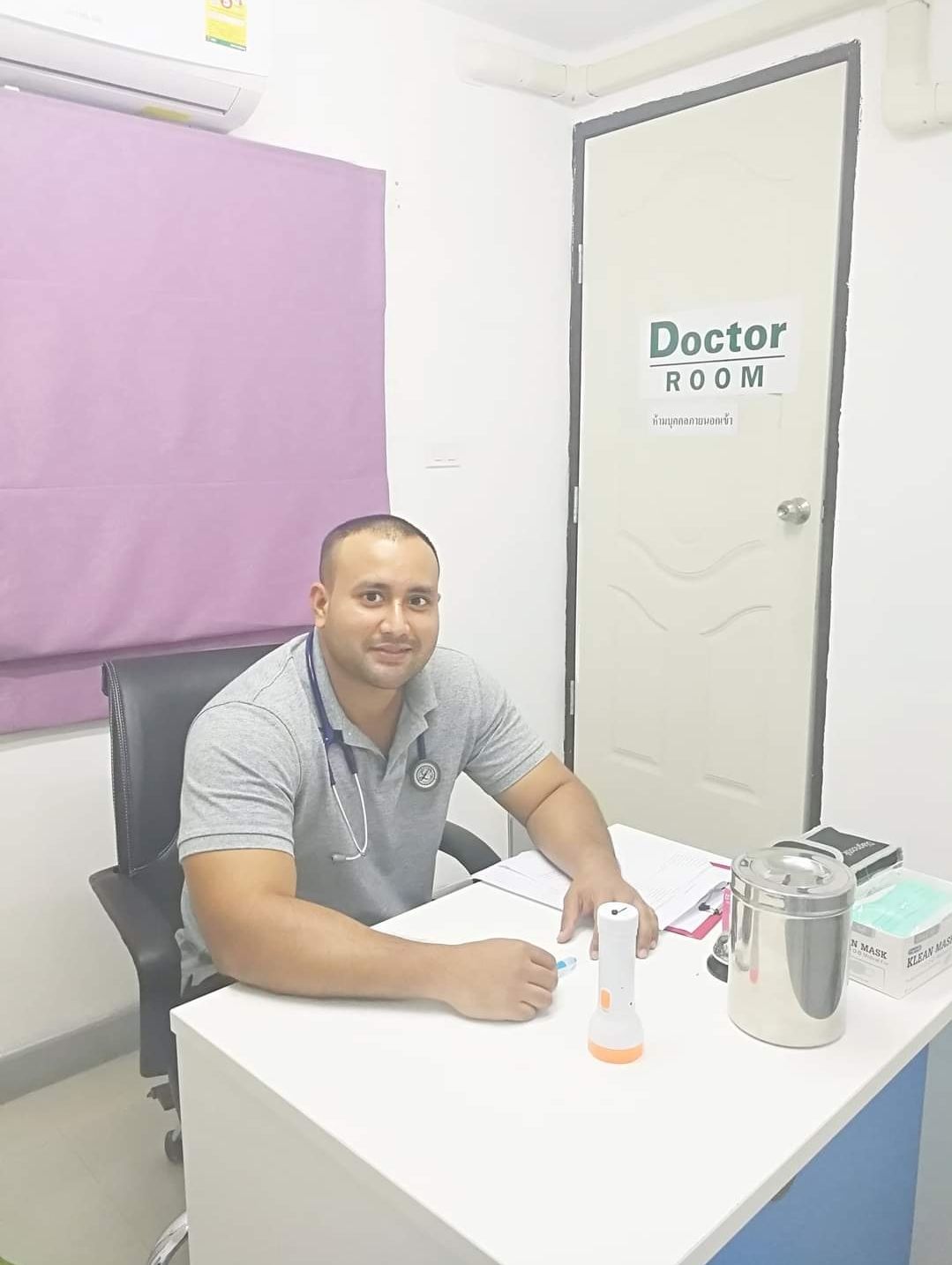
Dr. Ponlawat Pitsuwan is a physician at Doctor Bangkok, a private clinic in central Bangkok. He sees expats, residents, and medical tourists for general medicine, wellness consultations, and IV therapy. His focus is straightforward, evidence-based care delivered in plain language.