


Clinically reviewed by Dr. Ponlawat Pitsuwan, Physician, Doctor Bangkok. Last reviewed: July 2026
Glandular fever is caused by the Epstein-Barr virus and spreads through saliva. It causes a severe sore throat, swollen glands, and exhaustion that can last weeks to months. There is no cure, but with the right diagnosis and rest, most people recover fully. Blood tests at private clinics in Bangkok can confirm it the same day.
If you are in Bangkok with a brutal sore throat, swollen glands, and a tiredness that sleep does not fix, you might be wondering whether this is dengue, bad tonsillitis, or something else. Glandular fever, also called mono or the kissing disease, sits right in that confusing middle ground. It mimics a lot of other conditions, and in Bangkok, that confusion genuinely matters because the wrong treatment can make things worse.
The good news is that glandular fever can be confirmed with a blood test, usually on the same day you come in. Once you know what you are dealing with, the path forward is clear. This article covers what glandular fever actually feels like, how it gets diagnosed in Bangkok, what to avoid, and why recovery takes longer than most people expect.

What glandular fever actually feels like
Most patients who come in with glandular fever describe a sore throat unlike any they have had before. Swallowing is genuinely painful. The glands in the neck are swollen and tender, and many people also notice swelling under the arms or in the groin. What patients describe, in plain terms, is feeling like their whole body has seized up.
The fatigue is what surprises people most. It is not tired-after-a-long-day tired. It is the kind where you wake up after ten hours of sleep and still cannot get off the couch. Fever is usually present, sometimes high. Some people also develop a rash, particularly after taking amoxicillin. More on that shortly.
A smaller number of patients develop yellowing of the skin or eyes, called jaundice. This happens because the virus can cause mild liver inflammation. In Bangkok, yellow eyes in a febrile patient immediately raises concern about dengue or hepatitis, which is exactly why getting a clear diagnosis matters early.
Glandular fever or dengue? How to tell the difference in Bangkok
This is the most practically important question if you are sitting in Bangkok feeling unwell right now. Both conditions cause fever, fatigue, swollen lymph nodes, and sometimes a rash. Both can leave you completely floored. But they require different management.
The key difference is the sore throat. Dengue does not cause a severe sore throat. Glandular fever almost always does, and it is usually one of the worst sore throats a person has ever had. Dengue tends to bring sudden very high fever, severe pain behind the eyes, and deep muscle and joint aches. Glandular fever is more gradual, with the throat and neck glands front and centre.
The practical issue is pain relief. Ibuprofen and aspirin must be avoided when dengue is possible, because they increase bleeding risk. This is one reason not to manage a Bangkok fever alone with whatever is in your bag. A dengue NS1 antigen test and an EBV blood test can both be done at the same visit, and the result changes the plan.

How glandular fever is diagnosed in Bangkok
The most common test is the monospot test, also called the heterophile antibody test. It is quick and gives a result the same day. The limitation is that it can come back negative in the first week of illness, even when glandular fever is the cause. If your symptoms fit but the monospot is negative, a more specific EBV antibody panel is the next step. Both are available at Doctor Bangkok.
One thing I see regularly is patients who have already been given amoxicillin by a pharmacy or walk-in clinic for what looked like strep throat. If glandular fever is the actual diagnosis, this is a real problem. Amoxicillin and ampicillin trigger a widespread, intensely itchy rash in the majority of people with glandular fever. That rash then gets recorded as a penicillin allergy, which is not accurate, but the label tends to stick and limits antibiotic options for years. Always tell your doctor you suspect glandular fever before any antibiotic is prescribed.
A full blood count is also useful. It often shows a pattern that points toward a viral illness like this one, and it tells us whether your liver is involved. We can run these tests together and usually have results back the same day.
Treatment: what actually helps and what to avoid
There is no antiviral that cures glandular fever. The body clears the virus on its own. What we can do is manage symptoms and protect you from complications.
Paracetamol is the right choice for fever and throat pain. Rest is not optional. In Bangkok’s heat, staying hydrated matters more than it would in a cooler climate. Throat lozenges and salt water gargles help with comfort, and soft foods make eating easier.
Corticosteroids are occasionally used when the tonsils are so swollen they threaten the airway, or when there are significant blood changes. This is not routine, and it is a decision made in clinic based on how severe things look. Do not take steroids on your own.
The most important thing to avoid, beyond penicillin-type antibiotics, is alcohol. The virus causes liver inflammation in many patients, and alcohol adds further strain. I advise cutting it completely during the acute illness and for several weeks after.
The spleen, contact sport, and Bangkok expat life
This is the part that catches most people off guard. Glandular fever causes the spleen to enlarge in a significant number of cases. When it is enlarged, it becomes vulnerable to rupture from impact or physical strain. A ruptured spleen is a surgical emergency.
The risk is highest in weeks two and three, but the spleen can stay enlarged even after your fever resolves and you feel better. This matters enormously if you train at a Muay Thai gym, play football, or do any contact sport. The rule is simple: stop all contact activity for a minimum of four to eight weeks.
If sport is your livelihood or you want a clear answer before returning to training, an ultrasound to confirm the spleen has returned to normal size is the safest approach. Do not rely on how you feel. The spleen can be enlarged without causing any pain at all.
Recovery and what to expect in the weeks ahead
The worst of the sore throat and fever usually begins to ease within two to four weeks. But recovery is not a straight line. Fatigue is the last symptom to go, and it can persist for one to three months.
Around one in ten people experience prolonged fatigue that goes well beyond the initial illness. In a smaller number, this develops into something resembling chronic fatigue syndrome, where exhaustion and reduced tolerance for activity continue for six months or more. This is a real complication, and it is one reason I advise strongly against pushing too hard too soon.
Pacing is the word I use most in recovery conversations. Do a little more each week, but stop before you hit the wall. Bangkok’s heat adds an extra load, so rest in air conditioning and keep fluids up. If you are still exhausted after six to eight weeks, come back in. We check liver function, a full blood count, and thyroid function to rule out other reasons why recovery is slow.
When to see a doctor in Bangkok, and red flags to know
If you have a severe sore throat, swollen glands, and fever in Bangkok, come in and get tested. Do not wait to see if it passes. Knowing what you have on day three is far better than finding out on day fourteen after taking the wrong medications.
Some symptoms need urgent attention. Difficulty breathing or swallowing because your throat is so swollen is an emergency. Sudden severe pain in the upper left abdomen could mean a splenic rupture and needs immediate hospital care. Jaundice, a yellow tint to the skin or eyes, warrants same-day assessment.
For everything else, the path is straightforward. Come into Doctor Bangkok, we take a history, examine you, and run the relevant blood tests. You get a clear answer, a clear plan, and a doctor explaining it in English. You can find out more about how we handle fever assessment on our fever treatment page.
Worried about a sore throat, swollen glands, or persistent fever in Bangkok? Doctor Bangkok offers same-day blood tests for glandular fever, dengue, and other causes of fever. English-speaking physicians, BTS-accessible clinic, results you can understand. Book an appointment or walk in at doctorbangkok.co.th. Learn more about our approach to fever assessment or visit us to discuss your symptoms with a doctor today.
Frequently asked questions
How do I know if I have glandular fever or dengue fever in Bangkok?
The biggest clue is the sore throat. Glandular fever almost always causes a severe, painful sore throat, and dengue does not. Dengue tends to bring sudden very high fever, pain behind the eyes, and deep muscle aches. Both cause fever and swollen glands, so a blood test is the only reliable way to be sure. A dengue NS1 test and an EBV panel can be done at the same visit, and you should avoid ibuprofen until dengue is ruled out.
Can I get a glandular fever blood test in Bangkok without a referral?
Yes. Private clinics in Bangkok, including Doctor Bangkok, can arrange same-day EBV testing without any referral. The monospot test gives a quick result but can be falsely negative in the first week. If the result is negative but your symptoms fit, we move to a more specific EBV antibody panel, which is also available here.
Why should I avoid amoxicillin and ampicillin if I have glandular fever?
Glandular fever is viral, so antibiotics do not help at all. The bigger problem is that amoxicillin and ampicillin trigger a widespread, intensely itchy rash in most people with glandular fever. That rash then gets recorded as a penicillin allergy, which is inaccurate, but the label tends to stick. In Bangkok, amoxicillin is commonly prescribed for bad sore throats, so always mention glandular fever is suspected before any antibiotic is given.
How long until I can return to Muay Thai or contact sports?
At minimum four to eight weeks, and only after confirming your spleen has returned to normal size. The spleen enlarges during glandular fever and can stay enlarged even after you feel better. A rupture from impact is a surgical emergency. If contact sport matters to you, ask about an ultrasound before going back.
Can glandular fever cause long-term fatigue?
Yes, and this is more common than most people expect. Around one in ten people experience prolonged fatigue after glandular fever, and a small number develop symptoms similar to chronic fatigue syndrome. For most, fatigue resolves within three months. If you are still struggling after six to eight weeks, come in for a follow-up to check your liver, blood count, and thyroid.
Is it safe to fly if I have glandular fever?
Not during the acute phase, and not while the spleen may still be enlarged. Physical exertion in airports and the risk of impact in crowded spaces both add risk. If you have a flight planned and are in the middle of a glandular fever illness, come in for an assessment before you travel.
Dr. Ponlawat Pitsuwan
Physician, Doctor Bangkok
a private medical clinic in central Bangkok. He sees expats, residents, and visitors for fever assessment, infectious illness, general medical consultations, and travel-related health concerns. His focus is straightforward, evidence-based care delivered in plain language.
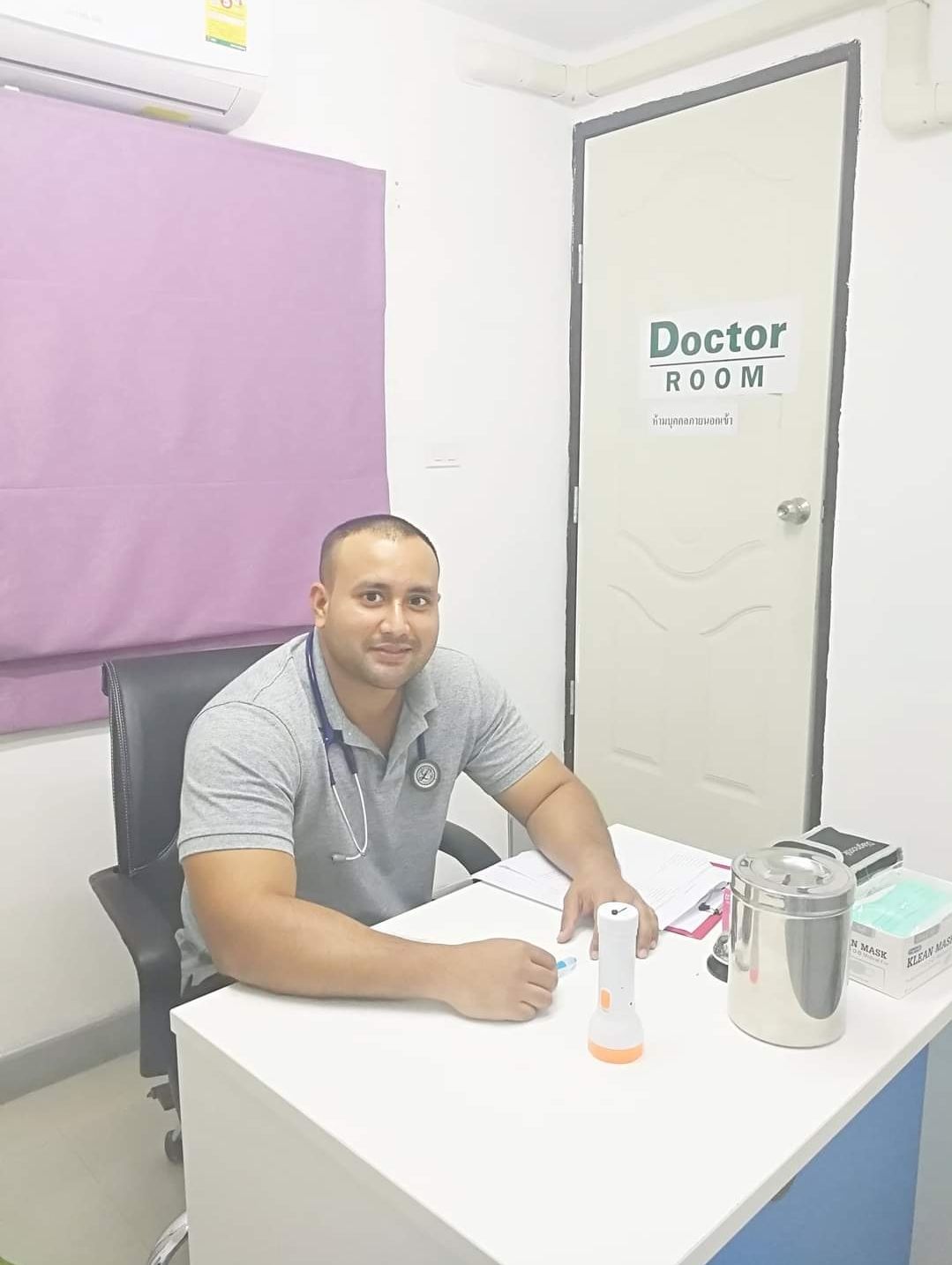
Dr. Ponlawat Pitsuwan is a physician at Doctor Bangkok, a private clinic in central Bangkok. He sees expats, residents, and medical tourists for general medicine, wellness consultations, and IV therapy. His focus is straightforward, evidence-based care delivered in plain language.