
Clinically reviewed by Dr. Ponlawat Pitsuwan, Physician, Doctor Bangkok. Last reviewed: July 2026
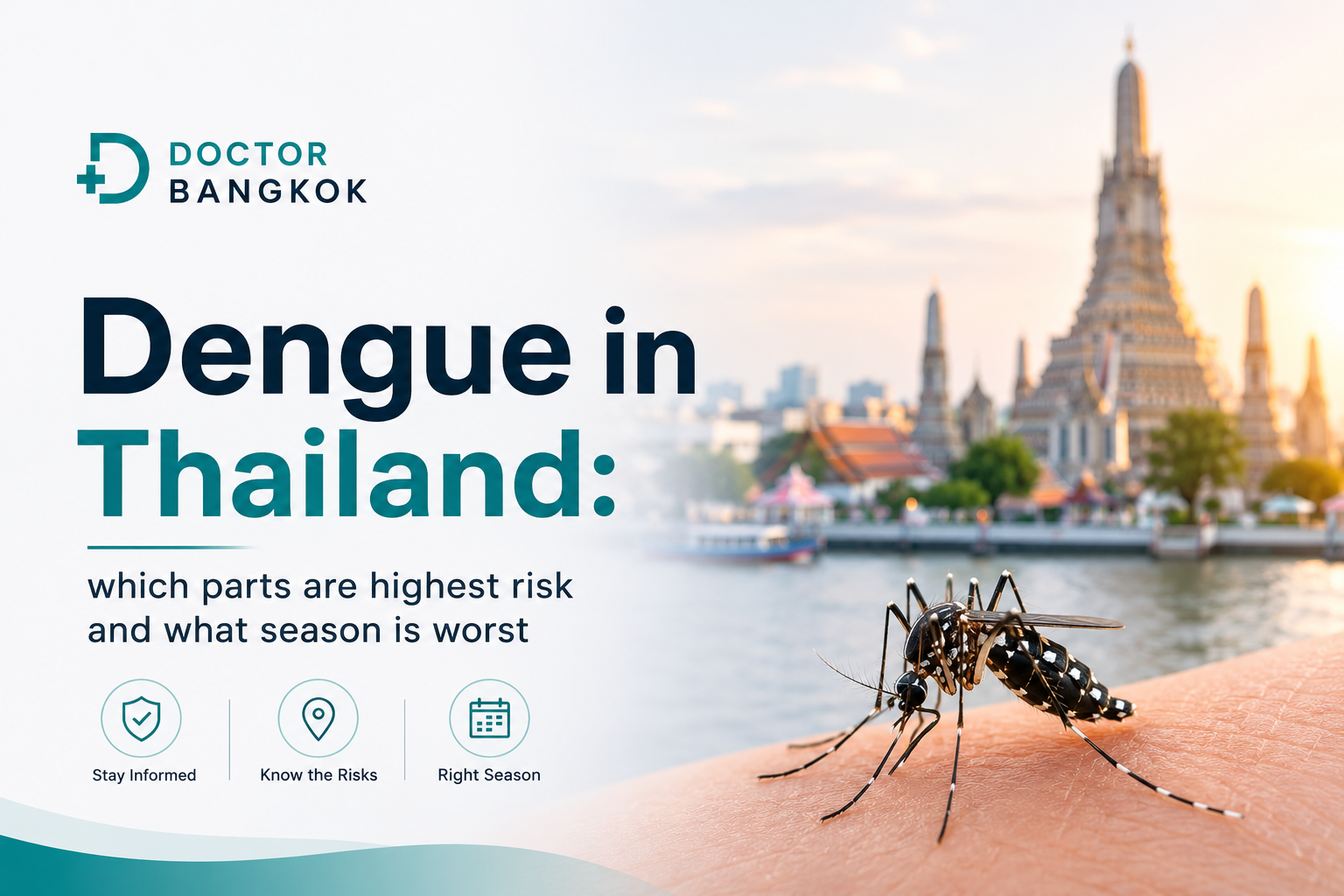
Dengue fever is a real and year-round risk in Bangkok, not just a rural or tourist concern. The city peaks later than most sources suggest, typically October to November, not May. If you have had a high fever for more than two days alongside severe muscle pain, eye pain, or a rash, get a blood test the same day. Do not wait to see if it passes.
If you are living in Bangkok or just arrived and running a high fever with every muscle aching, dengue is one of the first things I want to rule out. People call it "breakbone fever," and that name is earned. The pain is severe, the fever climbs fast, and it catches people off guard who had no idea they were at risk.
Most of what you read online about dengue in Thailand is written for tourists passing through Chiang Rai or the islands. If you live here, the picture is different. Bangkok has its own seasonal pattern, its own urban risk factors, and a large number of long-term expats who have quietly had dengue once already without knowing it. That second infection is where things can get serious, and almost nobody talks about it.

Where in Thailand Is Dengue Risk Highest
Every region of Thailand carries dengue risk. The north, the south, the central plains, and the Gulf islands all see cases every year. Bangkok and its surrounding provinces consistently report some of the highest case numbers in the country, simply because of population density and the sheer number of urban mosquito breeding sites.
The Aedes aegypti mosquito thrives in exactly the kind of environment Bangkok offers. It does not need a river or a rice paddy. It needs a bottle cap of standing water. It finds that in flower pot saucers, air-conditioning drip trays, construction site puddles, blocked roof gutters, and water storage jars outside older shophouses.
Rural northern Thailand and the deep south also carry risk, particularly near forested areas or with limited drainage. But if you are reading this because you are sick in your Bangkok condo, the city itself is the risk zone.
What Season Is Worst for Dengue in Thailand
Most sources say May to September. For Bangkok, that is not quite right.
The rainy season drives dengue because rain creates standing water, and standing water means more mosquito breeding. But Bangkok’s drainage patterns differ from the countryside. The city’s peak tends to arrive later, around October and November, sometimes stretching into December.
This matters because expats often relax their guard once October arrives, assuming dengue season is nearly over. In Bangkok, that is often exactly when it is peaking.
That said, dengue cases happen every month of the year in Thailand. There is no truly safe season. There are just higher-risk and lower-risk windows.

Why Dengue Is Different for Expats and First-Time Visitors
Most Thai adults have had dengue at least once. Their immune systems have met the virus. If this is your first time living in Southeast Asia, your immune system has no memory of dengue at all, and that first infection can hit harder.
There is also a real misdiagnosis problem. Dengue looks a lot like severe flu in the first two days: high fever, headache, muscle pain, fatigue. Patients sometimes call a doctor back home over video chat and are told to rest and drink fluids. By the time the rash appears or the platelet count drops, they have lost several days.
If you have a fever above 38.5°C lasting more than 48 hours and you are in Bangkok during rainy season, dengue needs to be excluded with a blood test. Not assumed away.
The Three Phases of Dengue and Why Feeling Better Can Be Misleading
Dengue moves through three phases, and the one where you feel better is often the most important to watch.
The first phase brings the worst symptoms: high fever, severe body aches, pain behind the eyes, nausea, and sometimes an early rash. This lasts around three to five days. Most people assume when the fever breaks, the worst is over.
It is not. The second phase, roughly days three to seven, is when dengue can become dangerous. The fever drops and patients feel briefly better, but this is when fluid can leak from blood vessels and platelet counts can fall sharply. If you develop any of the warning signs below during this window, get seen immediately.
The third phase is recovery, usually from around day seven or eight. Most people who get through the critical phase without complications recover fully, though fatigue can linger for several weeks.
Warning Signs That Mean Go Now, Not Later
These symptoms need same-day medical attention, especially after the fever drops.
Severe abdominal pain that does not ease. Vomiting that will not stop, or vomiting blood. Bleeding from the gums or nose that is more than minor. A rash of small red or purple dots on the skin that do not fade when pressed. Cold or clammy hands and feet. Feeling faint or like you might lose consciousness.
Any one of these means seek care immediately. Do not wait until morning.
How Dengue Is Diagnosed in Bangkok
When you come in with fever and suspected dengue, we run a blood panel that same day.
The NS1 antigen test is most accurate in the first five days of symptoms. It looks for a protein the dengue virus produces, and it is the key test if you come in early. From around day five onwards, IgM and IgG antibody tests become more useful, as they detect your immune response rather than the virus itself.
A full blood count runs alongside both of these to check your platelet and white cell counts. Falling platelets are one of the clearest signals that dengue is progressing toward a serious phase.
The timing of when you test matters. Coming in on day one versus day six changes which test is most useful. This is why I tell patients: do not wait to see if the fever settles. Come in, let us check, and we will tell you whether monitoring at home is safe or whether you need closer observation. You can find out more about what to expect from our fever assessment service.
Why a Second Dengue Infection Can Be More Dangerous
There are four dengue serotypes. If you have had dengue once, you are immune to that one type. You are not immune to the other three.
A second infection with a different serotype carries a meaningfully higher risk of severe dengue, including dengue hemorrhagic fever. This is one of the most important things I want long-term Bangkok residents to understand.
If you have lived here for five or more years, there is a reasonable chance you have already had one dengue infection, possibly without realising it. A mild or atypical illness during a past rainy season could have been dengue. That means the next infection may behave very differently.
The Qdenga Vaccine: Is It Worth Considering in Bangkok
Qdenga is a dengue vaccine that covers all four serotypes, given as two injections six months apart. Unlike an earlier dengue vaccine, it does not require proof of a prior infection to be given safely, though clinical guidelines are still being updated.
It is not routinely recommended for short-stay visitors. For long-term expats and Bangkok residents, particularly those with a confirmed prior dengue infection, it is worth a conversation. At Doctor Bangkok, we can review your history and advise whether Qdenga makes sense for you.
How to Protect Yourself in Bangkok Day to Day
DEET-based repellents at 30% or higher concentration are the best-studied option. Apply to exposed skin whenever you are outdoors, including in urban areas. Picaridin is a reasonable alternative for people who find DEET irritating.
Aedes aegypti bites during daylight hours, with peaks in early morning and late afternoon. It also bites indoors. Being in an air-conditioned room does not mean you are safe.
Check your condo for standing water regularly. Air-conditioning drip trays, plant pot saucers, and any container holding water are all breeding sites. Permethrin-treated clothing offers an added layer of protection if you spend time in green or outdoor areas of the city.
Finally, check that your health insurance covers dengue fever treatment. Some policies exclude tropical infections or limit inpatient cover. Find out before you need it.
Fever in Bangkok and not sure if it could be dengue? Doctor Bangkok offers same-day dengue blood tests in central Bangkok, with English-speaking doctors who see this regularly. We run NS1 antigen testing, IgM and IgG serology, and a full blood count, and we will give you a clear plan the same day. We are BTS accessible and open to expats, residents, and medical tourists. Walk in or book at doctorbangkok.co.th.
Can I catch dengue fever in Bangkok even if I live in an air-conditioned apartment?
Yes. The Aedes aegypti mosquito bites during the day and comes indoors easily. It breeds in tiny amounts of standing water, including air-con drip trays, plant saucers, and flower vases common in Bangkok condos. Being in an air-conditioned building is not the same as being protected.
What is the difference between the NS1 test and the IgM/IgG test for dengue?
NS1 detects a protein the virus produces and is most accurate in the first five days of symptoms. IgM and IgG tests detect your immune response and become more reliable from around day five onwards. The timing of your test relative to when you first felt sick matters, which is why it helps to come in early and let the doctor decide which test to run.
I had dengue a few years ago. Am I immune now?
Only to that one serotype. There are four dengue serotypes, and a prior infection with one can actually increase your risk of more severe illness if you are infected with a different serotype later. Long-term Bangkok residents should not assume past dengue infection means they are protected.
My fever just broke. Does that mean I am getting better?
Not necessarily. The period just after the fever drops, roughly days three to seven, is when the most serious complications can occur. If the fever breaks but you develop severe abdominal pain, repeated vomiting, bleeding, a spotted rash, or cold and clammy hands and feet, seek medical attention immediately.
Should I get the Qdenga dengue vaccine as a Bangkok expat?
It is worth discussing, particularly if you are a long-term resident or have had a prior dengue infection. Qdenga covers all four serotypes and does not require a confirmed prior infection before it can be given. At Doctor Bangkok, we can review your individual history and help you decide whether the vaccine makes sense for you.
What should I take for dengue fever at home?
Paracetamol only, for fever and pain. Do not take ibuprofen, aspirin, or other anti-inflammatory painkillers, as these increase bleeding risk. Stay well hydrated and get a blood test early so your platelet count can be monitored.
How do I know if it is dengue or just the flu?
The pain with dengue is usually more severe than a typical flu, particularly behind the eyes and in the joints and muscles. A rash can appear from around day three, and the fever tends to climb higher and faster. The only way to know for certain is a blood test, and in Bangkok during rainy season, that is always worth doing.
Dr. Ponlawat Pitsuwan
Physician, Doctor Bangkok
a private medical clinic in central Bangkok. He sees expats, residents, and medical tourists for fever assessment, dengue evaluation, and general medical care. His focus is straightforward, evidence-based care delivered in plain language.
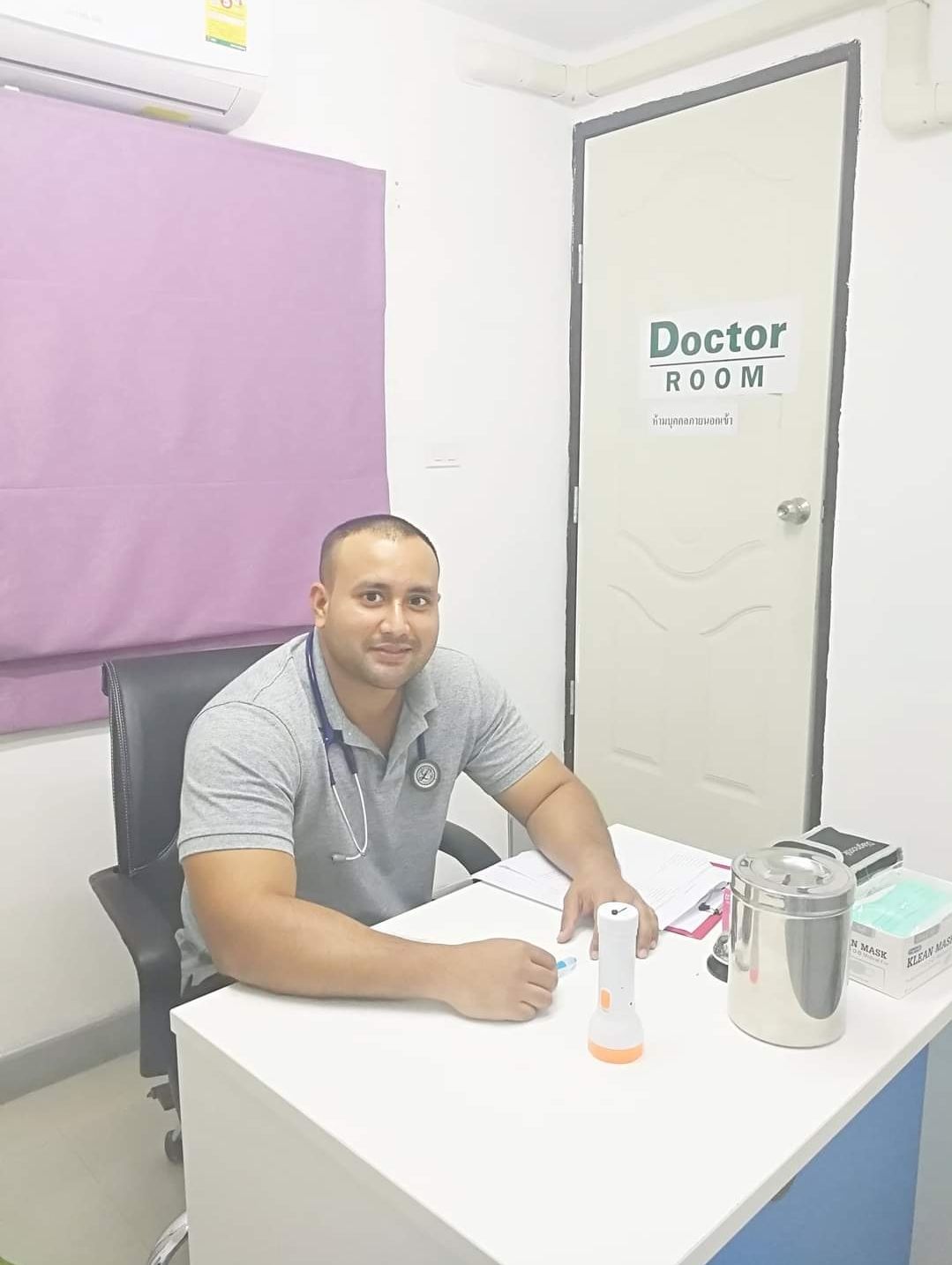
Dr. Ponlawat Pitsuwan is a physician at Doctor Bangkok, a private clinic in central Bangkok. He sees expats, residents, and medical tourists for general medicine, wellness consultations, and IV therapy. His focus is straightforward, evidence-based care delivered in plain language.