

Clinically reviewed by Dr. Ponlawat Pitsuwan, Physician, Doctor Bangkok. Last reviewed: July 2026
White coat hypertension means your blood pressure reads high at a clinic but is normal when measured at home or outside a medical setting. It is real, it is common, and it does not always mean you need medication. But it does need proper assessment, because some people with white coat hypertension do go on to develop true high blood pressure over time.
You got your blood pressure checked. The number was high. The doctor looked concerned. You left feeling anxious, Googled your reading, and now you are here wondering if you have a heart problem. I see this every week, especially with expats who are new to Bangkok and visiting a clinic for the first time.
Here is what I tell those patients: a single high reading at a clinic does not confirm high blood pressure. There is a well-documented pattern where blood pressure spikes in medical settings and returns to normal the moment you leave. That is white coat hypertension. The key question is whether your reading reflects your real, everyday pressure, or just how your body responds to sitting in a clinic. Getting that answer right matters, because the treatment path is completely different.

Why Your Blood Pressure Goes Up at the Doctor
Your body reacts to stress automatically. When you walk into a clinic, sit under bright lights, and wait for someone to put a cuff on your arm, your nervous system can trigger a brief surge in blood pressure. You do not have to feel anxious for this to happen. It can occur even in people who feel perfectly calm.
This is called the white coat effect, named after the coats doctors traditionally wear. For some people it causes a modest rise of a few points. For others, especially those with health anxiety or attending an unfamiliar clinic, the rise can be large enough to push a normal reading into the high range.
I see this more often in Bangkok than you might expect. Attending a clinic in a foreign country, even an English-speaking one, adds a layer of unfamiliarity that amplifies the stress response. That is not imaginary, and it has real effects on your reading.
White Coat Hypertension vs Real High Blood Pressure
The difference matters a lot. True high blood pressure, or sustained hypertension, means your pressure is consistently elevated whether you are at a clinic, at home, or anywhere else. White coat hypertension means your pressure is elevated only in a clinical setting.
You cannot tell them apart from a single clinic reading. That is the whole problem. A reading of 145/92 at a clinic could mean genuine hypertension, or it could mean your nervous system does not like waiting rooms. Without measuring your pressure outside the clinic, you simply do not know.
That is why a doctor should not start blood pressure medication based on one clinic reading alone. Current guidelines are clear: out-of-office measurements are needed before any diagnosis is confirmed.

White Coat Hypertension vs Masked Hypertension
These two conditions are opposites, and both matter. White coat hypertension means high in the clinic, normal at home. Masked hypertension means normal in the clinic, but elevated outside it. Masked hypertension is considered the more dangerous of the two, because it goes undetected in routine check-ups.
If you have diabetes, kidney disease, or a strong family history of heart disease, masked hypertension is worth considering even if your clinic readings look fine. Standard clinic checks will miss it entirely. The only way to detect it is with monitoring outside a clinical setting.
A proper assessment covers both possibilities. Knowing which pattern you have changes how your doctor should manage your cardiovascular risk.
Is White Coat Hypertension Actually Risky?
For most people, white coat hypertension alone does not carry the same cardiovascular risk as sustained hypertension. That is genuinely reassuring. It is not the same as saying it is harmless and can be ignored, though.
Evidence suggests a proportion of people with white coat hypertension do progress to true sustained hypertension over time. The risk is higher if you already have other risk factors such as diabetes, high cholesterol, or obesity. The practical takeaway: white coat hypertension does not usually require medication, but it does require monitoring. Once a year is a reasonable minimum for most people.
How Is White Coat Hypertension Diagnosed?
Diagnosis requires blood pressure measurements taken outside a clinical setting. There are two accepted ways to do this.
The first is ambulatory blood pressure monitoring, where a small device records your pressure automatically over 24 hours while you go about your day. The second is structured home monitoring, where you take your own readings over several days using a validated arm cuff and log the results. Your doctor then compares those readings against your clinic numbers.
At Doctor Bangkok, the GP assessment starts with a thorough review of your readings, your risk factors, and your history. From there, we guide you on home monitoring or arrange referral for ambulatory monitoring where that is more appropriate. You can find out more about how we manage this through our chronic conditions service.
How to Take an Accurate Blood Pressure Reading at Home
Poor technique is a surprisingly common reason for false readings. A few simple steps make a real difference.
Sit quietly for five minutes before measuring. Do not measure right after exercise, coffee, or a stressful phone call. Sit with your back supported, feet flat on the floor, and your arm resting at heart height. Use a validated upper arm cuff, not a wrist device. Wrist monitors are convenient but less accurate for most people.
Take two readings one to two minutes apart and record both. Do this at the same time each day for at least five to seven days before sharing the results with your doctor. Crossed legs, a cuff that is too small, and measuring right after a stressful commute are the most common mistakes I see. Each one can push a normal reading into the high range unnecessarily.
Why Bangkok Specifically Can Trigger White Coat Hypertension
Bangkok is not the easiest place to feel relaxed about healthcare, especially when you first arrive. Dealing with an unfamiliar medical system, not knowing what to expect from a local clinic, and communicating in a second language all activate the same stress response that drives white coat hypertension.
Add Bangkok’s heat, the adjustment that comes with relocation, and the fact that many expats arrive already running on elevated stress, and you have a setting where white coat readings are genuinely more likely. A blood pressure reading taken at an unfamiliar clinic in a foreign city during your first month abroad needs more context than one taken at your regular GP back home.
Travel health consultations at Doctor Bangkok often include blood pressure screening as part of a broader health check. If your reading comes back elevated, we take a proper history, ask the right questions, and make sure you know exactly what your next step should be.
Treatment and Management: What Actually Needs to Change?
For confirmed white coat hypertension without additional risk factors, the answer is usually: no medication, but do not ignore it either.
Lifestyle changes carry strong evidence for cardiovascular health regardless of diagnosis. Salt reduction, regular moderate exercise, limiting alcohol, maintaining a healthy weight, and managing stress all reduce long-term blood pressure. These are not empty recommendations. They are the same changes that reduce the risk of eventually developing sustained hypertension.
Annual blood pressure review is genuinely important. Some people with white coat hypertension do develop sustained hypertension over the years, and catching that transition early is far better than finding out after it has caused harm. If you are in Bangkok for the long term, building that annual check into your routine is straightforward. Doctor Bangkok’s chronic condition management service is designed for exactly this kind of ongoing monitoring.
Not sure whether your reading reflects true hypertension or white coat hypertension? Doctor Bangkok’s English-speaking GPs can assess your readings, review your cardiovascular risk, and guide you on home monitoring or next steps, all in one visit. We are open 24 hours on Sukhumvit and accessible by BTS. Visit doctorbangkok.co.th or walk in today.
Frequently Asked Questions
Can white coat hypertension turn into real high blood pressure?
Yes, it can. A meaningful number of people with white coat hypertension do go on to develop sustained hypertension over the years. That is why annual monitoring matters even when no medication is needed. Doctor Bangkok offers ongoing blood pressure reviews as part of our chronic condition management service.
What is the difference between white coat hypertension and masked hypertension?
White coat hypertension is high at the clinic but normal at home. Masked hypertension is the opposite: normal at the clinic but elevated in everyday life. Masked hypertension is generally considered more dangerous because routine check-ups miss it entirely. Both can be assessed with out-of-office blood pressure monitoring.
Do I need medication if I have white coat hypertension?
Usually not, if your readings outside the clinic are genuinely normal and you have no other major risk factors. Current guidelines favour monitoring and lifestyle changes rather than medication for white coat hypertension alone. But confirming the diagnosis properly comes first. Starting medication based on a single high clinic reading is a step most guidelines specifically caution against.
How is white coat hypertension diagnosed in Bangkok?
Diagnosis requires blood pressure measurements outside the clinic, either through structured home monitoring over several days or a 24-hour ambulatory monitoring device. Doctor Bangkok’s GPs assess your clinic readings alongside your risk factors, guide you on home monitoring technique, and arrange referral for ambulatory monitoring where needed, all in English.
Why does my blood pressure spike at the doctor even when I feel calm?
You do not have to feel anxious for the stress response to activate. Walking into a medical setting, waiting for a reading, and having a cuff placed on your arm can all trigger a brief automatic rise in blood pressure. For expats attending an unfamiliar clinic abroad, this effect can be stronger. A proper assessment can clarify whether your reading reflects true hypertension or not.
Is one high blood pressure reading enough to start medication?
No. A single elevated clinic reading is not enough to confirm a diagnosis of hypertension, and it is not enough to justify starting lifelong medication. Your doctor should take multiple readings, assess your overall cardiovascular risk, and confirm the pattern with out-of-office monitoring before any treatment decision is made.
About the author: Dr. Ponlawat Pitsuwan is a physician at Doctor Bangkok, a private medical clinic in central Bangkok. He sees expats, residents, and medical tourists for general medical consultations, chronic condition management, cardiovascular risk assessment, and travel health. His focus is straightforward, evidence-based care delivered in plain language.
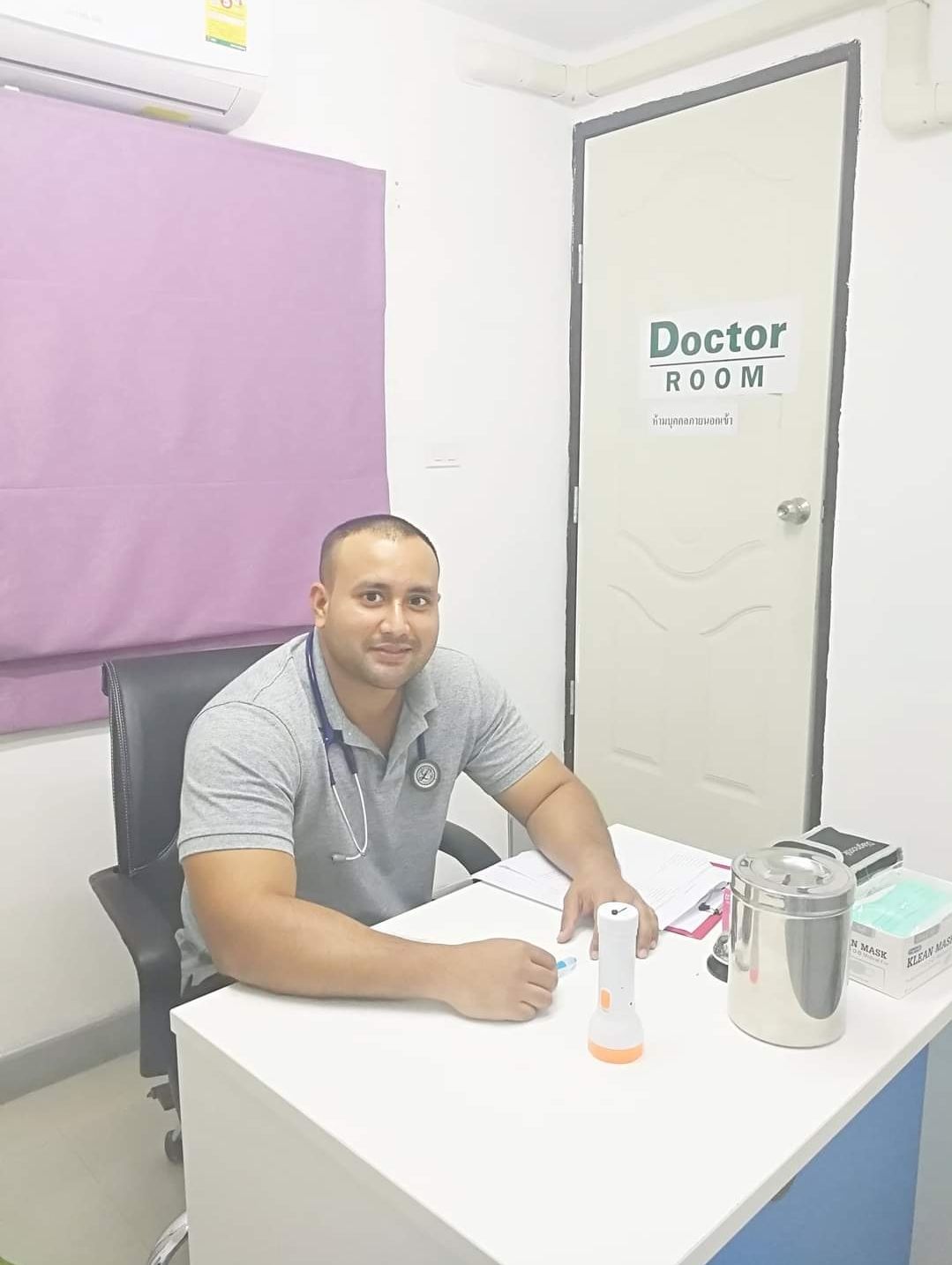
Dr. Ponlawat Pitsuwan is a physician at Doctor Bangkok, a private clinic in central Bangkok. He sees expats, residents, and medical tourists for general medicine, wellness consultations, and IV therapy. His focus is straightforward, evidence-based care delivered in plain language.