
Clinically reviewed by Dr. Ponlawat Pitsuwan, Physician, Doctor Bangkok. Last reviewed: August 2026
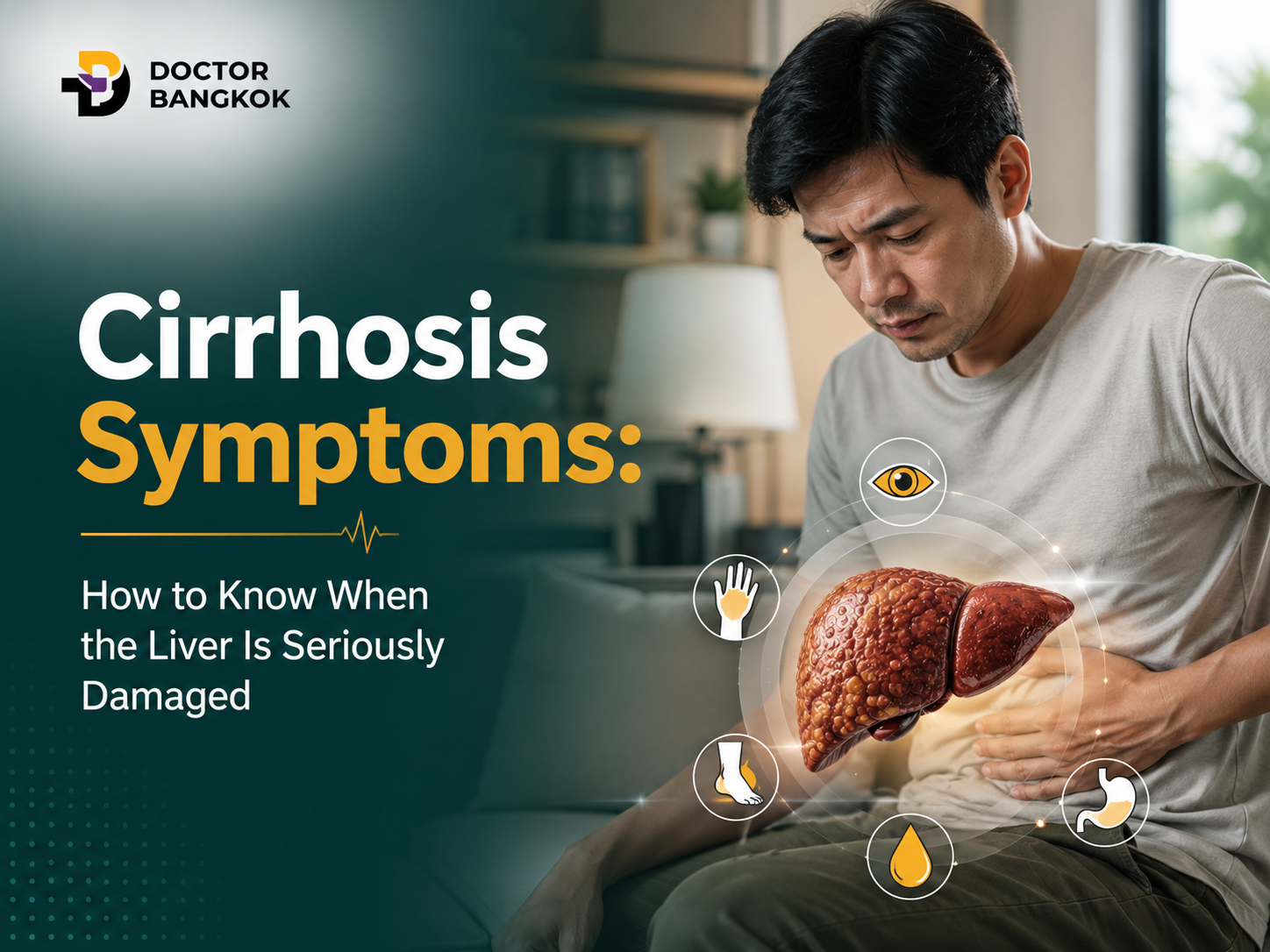
Cirrhosis is scarring of the liver that builds up over years. In the early stage, many people feel nothing at all. Later symptoms include fatigue, jaundice, a swollen abdomen, and confusion. The earlier you catch it, the more options you have. A simple blood test is where most diagnoses begin.
If you are reading this because something feels off, that concern is worth taking seriously. Fatigue that will not go away. A heaviness on the right side of your abdomen. Skin that looks yellow in certain light. These are the things patients describe to me before they have a name for what is happening.
Cirrhosis means the liver has been scarred. Scar tissue builds up over time and gradually replaces healthy liver tissue. Once that scarring is established, it does not fully reverse. But catching it early, or even in the middle stages, genuinely changes what can be done. This article will help you understand what to look for, what the red flags are, and what to do next if you are in Bangkok.

What Cirrhosis Actually Means
Your liver does hundreds of things. It filters your blood, makes proteins that help with clotting, processes fats, and clears toxins. When something damages liver cells repeatedly over time, the liver tries to heal by laying down scar tissue. Enough of that scarring, accumulated over years, is what we call cirrhosis.
The liver is resilient. It can keep working even with significant scarring. That is exactly why symptoms often appear late. By the time you feel unwell, the damage may have been building for years without any obvious sign.
Early Symptoms of Cirrhosis
Most people with early cirrhosis have vague symptoms they easily dismiss. Tiredness that sleep does not fix. A reduced appetite. Mild nausea. A dull ache or fullness in the upper right abdomen, where the liver sits.
Muscle wasting is one I see patients overlook. When the liver starts struggling, the body loses muscle even without obvious weight loss. Patients describe feeling weaker and noticing their arms and legs look thinner than before.
Itchy skin with no rash to explain it is another early sign. The itch often worsens at night. That pattern is a clinical clue worth paying attention to.
In this early stage, the liver is still managing. Blood tests may show abnormal liver enzymes, but core liver function is intact. Many people only find out during a routine health check.

Later-Stage Symptoms of Cirrhosis
When the liver can no longer compensate, things shift. The symptoms become harder to miss.
Jaundice is often what brings patients in. The skin and whites of the eyes turn yellow. Urine goes dark brown. Stools become pale. This happens because the liver cannot clear bilirubin, a waste product from broken-down red blood cells. New jaundice in someone with known liver disease needs same-day assessment.
Ascites is fluid that collects in the abdomen. The belly swells, sometimes dramatically. Patients describe feeling bloated, heavy, and short of breath when lying flat.
Easy bruising and bleeding are also common at this stage. Minor bumps leave large bruises. Cuts take longer to stop bleeding. This tells us the liver is struggling with one of its most fundamental jobs.
Confusion, memory problems, or a flip in sleep patterns, wide awake at night and drowsy during the day, can all be signs that toxins are affecting the brain. If someone with liver disease becomes confused or behaves unusually, that is an emergency.
Less Obvious Symptoms Patients Often Miss
Some signs of cirrhosis are easy to blame on other things. Spider angiomas are small, spider-shaped clusters of blood vessels on the skin, usually on the chest and upper arms. A few are normal. Many appearing without explanation can point to liver disease.
Redness on the palms of the hands, particularly at the base of the fingers, is another sign. Most patients do not know what it means.
In men, cirrhosis can cause breast tissue to enlarge and testicular shrinkage. In women, irregular or absent periods can occur. These happen because the damaged liver cannot regulate sex hormones properly.
None of these symptoms alone confirm cirrhosis. But several of them together tell a clear story.
Causes Relevant to Bangkok and Southeast Asia
Alcohol is the cause most people know about, but it is far from the only one. Hepatitis B is more common across Southeast Asia than in many Western countries. If you have never been tested and you live here, knowing your status matters.
Fatty liver disease, now called MASLD, is one of the leading causes worldwide. It is linked to obesity, type 2 diabetes, and high blood fats. You do not need to drink at all to develop it.
Liver fluke infection is something I raise with patients who have eaten raw freshwater fish in Thailand or neighbouring countries. Certain parasites infect the bile ducts and cause chronic inflammation that can lead to serious liver disease. It is not widely discussed, but it is real and relevant here.
Autoimmune conditions, genetic disorders, and long-term medication exposure are less common causes. Mention them to your doctor if no obvious cause is found.
How Cirrhosis Is Diagnosed
The first step is a blood test. A liver function test checks liver enzymes, bilirubin, and albumin, a protein the liver produces. Low albumin and raised bilirubin together suggest the liver is under strain. Clotting markers round out the picture.
Imaging comes next. An ultrasound can show liver texture and size. A FibroScan estimates how stiff and scarred the liver is. Neither test requires anything more than lying still for a few minutes.
A liver biopsy, where a small tissue sample is examined, is the most precise way to confirm and stage cirrhosis. But it is not always necessary. In many cases, blood tests and imaging together give a clear enough answer.
At Doctor Bangkok, we can run a full liver panel and refer you for imaging from the same appointment. You do not need a specialist referral to get started.
Can Cirrhosis Be Reversed?
Established scarring cannot be fully reversed. I want to be honest about that. But here is what most patients do not hear: treating the underlying cause can stop the damage from getting worse, and that matters enormously.
If the cause is hepatitis B or C, antiviral treatment can halt progression. If it is alcohol, stopping drinking lets the liver stabilise, and in early cases recover substantially. If it is fatty liver disease, weight loss and metabolic control improve liver health with solid evidence behind them.
Even in more advanced disease, managing complications significantly improves how a patient feels and how long they live. This is not a reason to give up. It is a reason to act now.
Red Flag Symptoms That Need Urgent Care
Some symptoms mean go to an emergency department today. Do not wait for a routine appointment.
Vomiting blood or passing black tarry stools can mean a ruptured vein in the oesophagus or stomach. This is life-threatening and needs emergency treatment immediately.
Sudden confusion or unresponsive behaviour in someone with known liver disease is a medical emergency.
Rapid abdominal swelling with fever and pain may mean the fluid in the abdomen has become infected. It can worsen very quickly.
Severe jaundice appearing suddenly, especially with fever, also warrants same-day assessment.
Getting Your Liver Checked in Bangkok
One thing I hear from expats often is that they were not sure where to start, or whether they needed a specialist referral before they could get a blood test. You do not. A GP can order a full liver panel and go through the results with you.
If you have symptoms that concern you, or risk factors like hepatitis, heavy drinking, or metabolic disease, a liver check is straightforward to arrange. Doctor Bangkok sees patients for exactly this kind of assessment. You can come in, get tested the same day, and have a doctor explain what the results mean in plain language.
Bangkok has excellent private diagnostics available. The challenge for most expats is knowing where to go. If you are worried about your liver, that is enough reason to come in.
Concerned about liver symptoms or want a liver function test in Bangkok? Doctor Bangkok offers same-day blood panels and GP consultations in central Bangkok, accessible by BTS. No referral needed. Our English-speaking doctors can assess your symptoms, arrange a full liver screen, and walk you through the results. Visit doctorbangkok.co.th or walk in today.
FAQ
What are the first signs of cirrhosis that most people ignore?
Fatigue that does not improve with rest, a mild ache on the right side of the abdomen, reduced appetite, and unexplained weight loss are the most commonly dismissed early signs. In many cases, early cirrhosis causes no symptoms at all and is only picked up on a routine blood test. That is exactly why a liver check is worth doing even when you feel broadly well.
Can you have cirrhosis without drinking alcohol?
Yes, and this surprises many patients. Fatty liver disease, linked to obesity, diabetes, and high blood fats, is now one of the most common causes worldwide and has nothing to do with alcohol. Hepatitis B and C, autoimmune conditions, and genetic disorders can all lead to cirrhosis too. In Southeast Asia, liver fluke infection from raw freshwater fish is an additional risk that is often overlooked.
What does jaundice look like and what does it mean?
The whites of the eyes turn yellow first, which is easiest to spot in natural light. The skin may follow, and urine typically goes dark while stools become pale or clay-coloured. In someone with known liver disease, new jaundice is a red flag that needs prompt clinical review the same day.
How is cirrhosis diagnosed? Do I need a biopsy?
Most diagnoses start with a blood test measuring liver enzymes, bilirubin, albumin, and clotting markers, followed by an ultrasound or FibroScan. A biopsy is the most precise tool for staging but is not always required when blood tests and imaging tell a clear enough story. A GP can start this process without a specialist referral.
Can cirrhosis be treated?
Significant established scarring cannot be fully reversed. But treating the underlying cause, antivirals for hepatitis, stopping alcohol, managing metabolic disease, can halt or slow progression. Even at advanced stages, managing complications improves quality of life and outcomes. Acting early gives you the most options.
When should I go to the emergency department rather than a clinic?
Go immediately if you are vomiting blood, passing black tarry stools, experiencing sudden confusion, or if your abdomen swells rapidly with fever and pain. These can indicate life-threatening complications including a bleeding vessel, acute brain toxicity from liver failure, or infected abdominal fluid. Do not wait for a clinic appointment in these situations.
Is hepatitis B common in Bangkok and does it lead to cirrhosis?
Hepatitis B rates across Southeast Asia are significantly higher than in many Western countries, and chronic hepatitis B is one of the leading causes of cirrhosis in this region. Many people carry the virus without knowing it because it can be entirely silent for years. If you have never been tested and you have spent time in Southeast Asia, a hepatitis B screen is worth adding to your next blood panel.
Dr. Ponlawat Pitsuwan
Physician, Doctor Bangkok
a private medical clinic in central Bangkok. He sees expats, residents, and medical tourists for general medicine consultations, liver health assessments, hepatitis screening, and chronic disease management. His focus is straightforward, evidence-based care delivered in plain language.
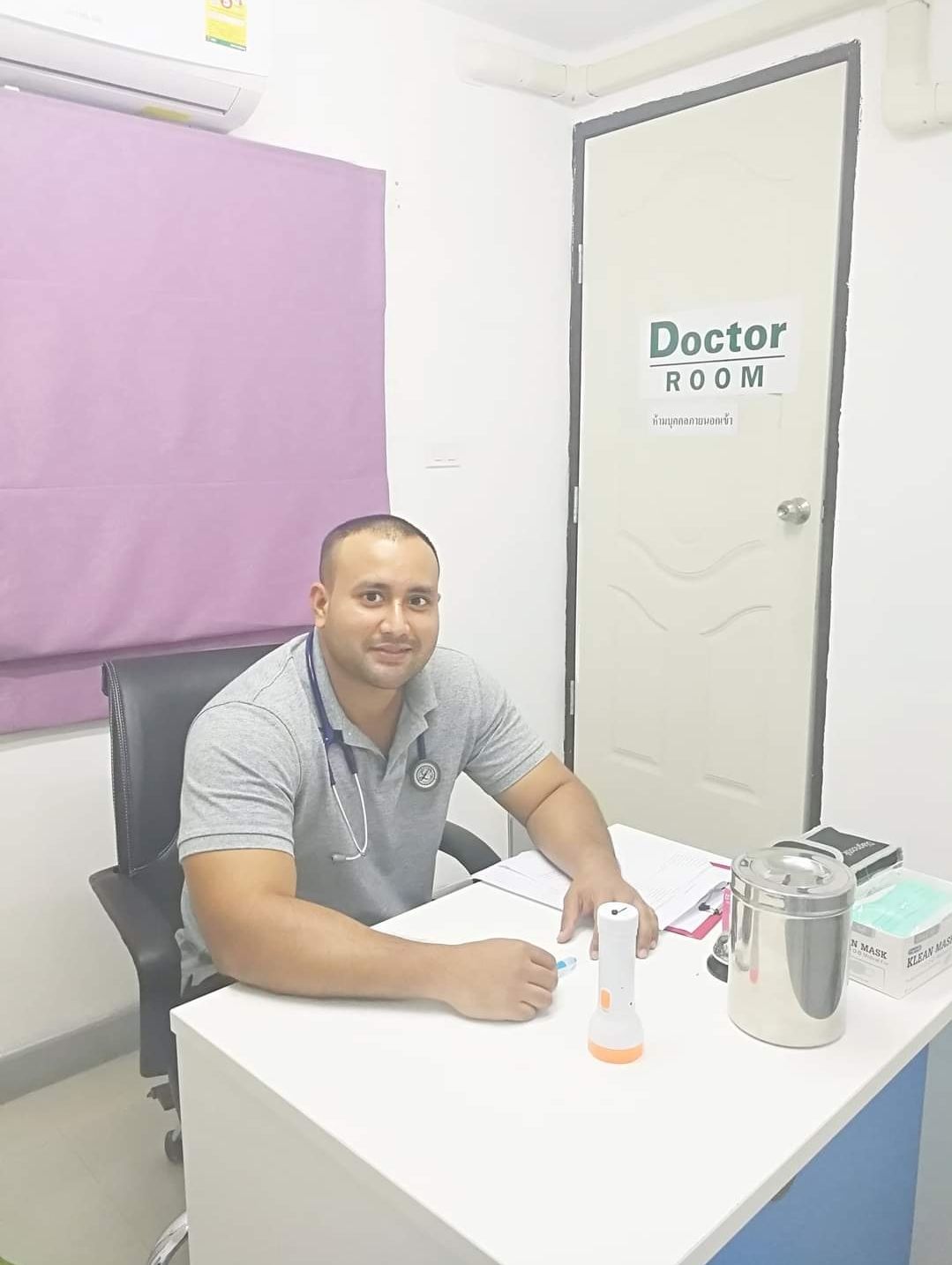
Dr. Ponlawat Pitsuwan is a physician at Doctor Bangkok, a private clinic in central Bangkok. He sees expats, residents, and medical tourists for general medicine, wellness consultations, and IV therapy. His focus is straightforward, evidence-based care delivered in plain language.