
Clinically reviewed by Dr. Ponlawat Pitsuwan, Physician, Doctor Bangkok. Last reviewed: August 2026
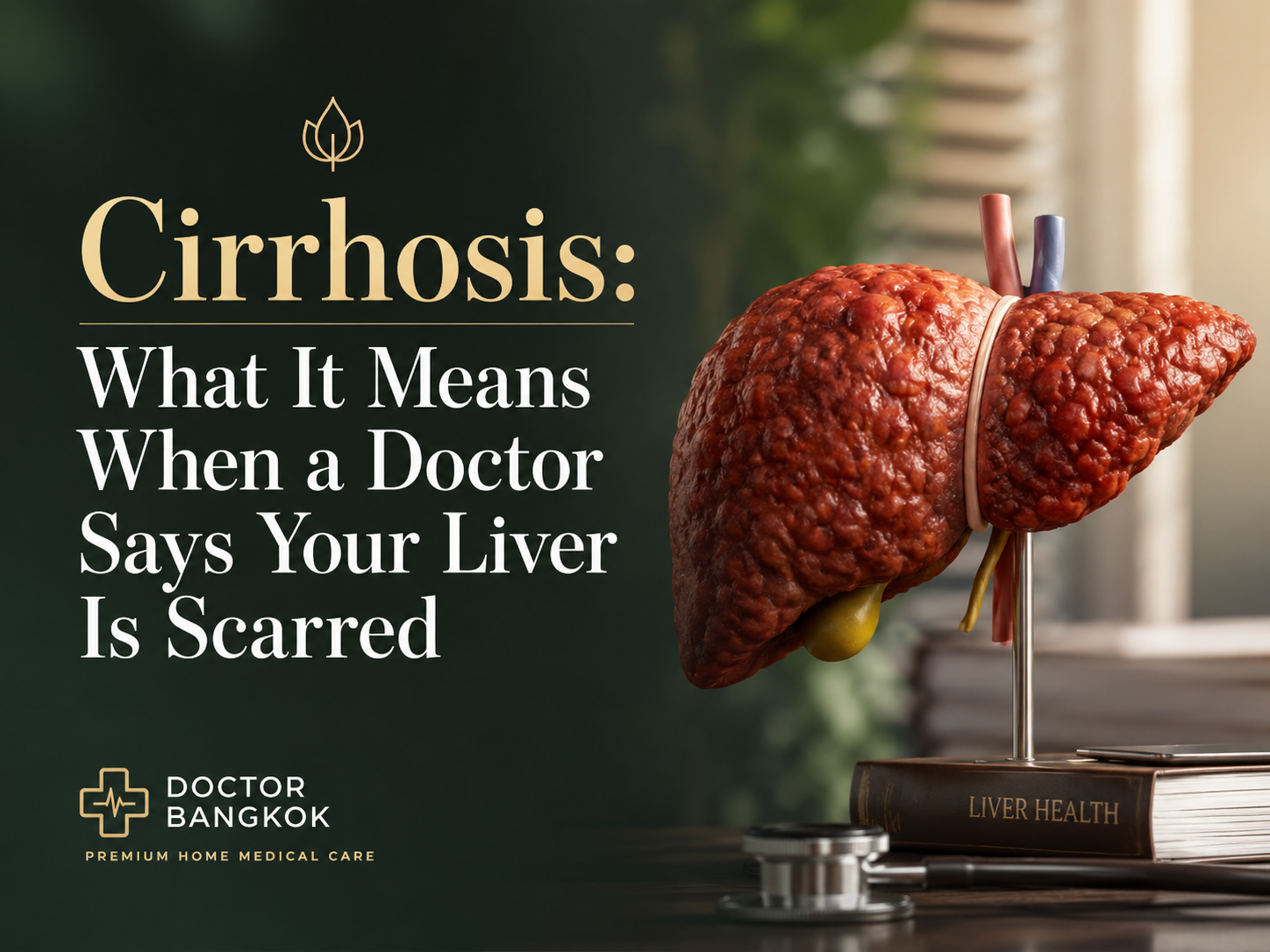
Cirrhosis means your liver has developed permanent scar tissue that has replaced healthy cells. The liver can still work for years with cirrhosis, but it cannot repair that scarring. Early detection through blood tests and liver screening gives you the best chance of slowing progression and avoiding serious complications.
If a doctor has told you your liver is scarred, or you just got bloodwork back showing elevated liver enzymes, you are probably trying to understand what this actually means for you. Not the textbook version. The real version. What does it change? How serious is it? What do you do next, especially if you are living in Bangkok?
Cirrhosis means the liver has been damaged long enough that scar tissue has built up and replaced parts of the healthy tissue. The liver is still there. It is still working, at least for now. But the scarring is permanent, and the goal from this point is to protect what is left. Catching it before serious complications develop makes a real difference. That is what this article is about.

What Your Liver Actually Does, and Why Scarring Matters
Your liver does hundreds of things. It filters your blood, processes what you eat and drink, makes proteins that help your blood clot, and breaks down toxins including alcohol and medications.
When the liver is damaged repeatedly, whether by a virus, alcohol, or fat build-up, it heals the way skin heals after a burn. It lays down scar tissue. A little scarring, called fibrosis, is manageable. The liver has enormous reserve. But when enough scar tissue accumulates, that is cirrhosis.
Scar tissue cannot do any of those jobs. The more scarring, the less functional liver you have left.
What Causes Cirrhosis, and What Bangkok Expats Need to Know
In Western countries, the two biggest causes are heavy alcohol use and fatty liver disease. Both are common here too. But Bangkok has an added layer.
Hepatitis B is significantly more common in Thailand and across Southeast Asia than in Western nations. Many people were exposed in childhood, before vaccination was routine, and have been living with chronic infection without knowing it. Chronic hepatitis B is one of the leading drivers of cirrhosis and liver cancer in this region. If you have never been tested and you live in Bangkok, that is a gap worth closing.
Hepatitis C is less common in Thailand but matters because it is now curable with antiviral treatment. If it is caught before cirrhosis develops, treatment can remove the virus entirely and allow early fibrosis to partially heal.
Fatty liver disease is rising sharply across urban Asia. It is strongly linked to diet, weight, and metabolic factors like diabetes and high cholesterol. Many expats in Bangkok develop this without realising it, because the early stages cause no symptoms at all. Long-term heavy drinking also damages the liver quietly for years, and Bangkok’s social drinking culture makes this worth naming directly.

Why Cirrhosis Stays Silent for So Long
This is the part that catches people off guard. Your liver can lose a significant portion of its working tissue and still appear to function normally. There is no pain. No obvious warning sign.
That is why many patients come to me after a routine blood test shows raised ALT or AST levels and had no idea anything was wrong. By the time symptoms appear, the disease is usually well advanced.
The symptoms that do eventually appear include fatigue that does not go away with rest, yellowing of the skin or eyes, a swollen abdomen from fluid build-up, easy bruising, and confusion or mood changes. These are not early signs. They are signs the liver is under serious strain.
If you have any history of heavy drinking, hepatitis B or C, or fatty liver, do not wait for symptoms. Get a blood test.
Compensated and Decompensated Cirrhosis: What These Terms Mean
Compensated cirrhosis means the liver is scarred but still managing to do its job. You may have no symptoms at all. This is where treatment and lifestyle changes matter most, because you have time and function on your side.
Decompensated cirrhosis means the liver is no longer keeping up. This is when complications start: fluid in the abdomen, bleeding from swollen veins in the oesophagus, confusion from toxin build-up in the blood, or infections in the abdominal fluid. These complications are medical emergencies.
If a Thai doctor mentions scoring tools like the Child-Pugh score or MELD score, they are measuring how much reserve your liver still has and how urgently a transplant assessment may be needed.
Complications of Cirrhosis You Need to Understand
Ascites is fluid that leaks from the blood vessels around the liver and collects in the abdomen. It can make the belly visibly swollen and creates risk for a serious infection called spontaneous bacterial peritonitis. This can be life-threatening and needs urgent treatment.
Varices are enlarged veins in the oesophagus or stomach that develop when blood cannot flow normally through a scarred liver. The pressure backs up, and these veins can bleed suddenly and severely.
Hepatic encephalopathy happens when the liver cannot clear toxins from the blood. Ammonia builds up and affects the brain, causing confusion, personality changes, or in severe cases, loss of consciousness.
Liver cancer is a risk for anyone with cirrhosis, but it is particularly elevated in Southeast Asia due to the higher rate of hepatitis B. Regular ultrasound screening every six months is standard for cirrhosis patients for exactly this reason.
How Cirrhosis Is Diagnosed in Bangkok
If a doctor suspects cirrhosis, the first step is a blood panel. ALT and AST tell us about liver inflammation. Bilirubin shows how well the liver is clearing waste. Albumin and clotting factors show how well the liver is making proteins.
Imaging is the next step. An ultrasound can show a shrunken, irregular liver surface. A FibroScan, a painless non-invasive scan that measures liver stiffness, is available at hospitals in Bangkok and is widely used to assess how much scarring is present. It takes a few minutes and requires no needles.
Liver biopsy is sometimes done when the diagnosis is unclear, but it is not always necessary. At Doctor Bangkok, we run your initial liver blood panel with same-day results and refer you directly to a specialist or for imaging if needed.
Can Cirrhosis Be Reversed? What Treatment Can Actually Do
Cirrhosis itself cannot be reversed. The scar tissue is permanent. But that is not the end of the story.
What treatment can do is protect the remaining healthy liver, address the underlying cause, and prevent further damage. If hepatitis C is the cause, modern antiviral treatment can cure the infection completely, with good evidence that this halts further progression. If hepatitis B is the cause, antiviral therapy suppresses the virus effectively and reduces ongoing damage.
For alcohol-related cirrhosis, stopping alcohol is the most powerful intervention available. For fatty liver disease, losing weight and managing metabolic risk factors slows progression and reduces inflammation. Complications like ascites, varices, and encephalopathy each have specific treatments. The goal is always to keep the liver compensated for as long as possible.
Living in Bangkok With Liver Disease: What to Watch
Alcohol is everywhere in Bangkok. If you have cirrhosis or even significant fibrosis, there is no safe amount. None. The clinical reality is simple, even if the social reality is harder.
Raw shellfish in Thai cuisine, including oysters and raw clams, carries a genuine infection risk. For people with cirrhosis, a Vibrio infection from raw seafood can be rapidly fatal. Avoid it entirely.
Some Thai traditional medicines, herbal teas, high-dose turmeric supplements, and kratom have documented effects that can harm the liver. If you are taking anything herbal, tell your doctor. This includes things you might not think of as medicine.
Bangkok’s heat can worsen dehydration, which matters for patients managing fluid retention. Your doctor will give you specific guidance on fluid and salt intake if ascites is present.
If you are worried about your liver, the right move is a blood test, not more Googling. Doctor Bangkok offers same-day liver function testing with English-speaking doctors on Sukhumvit, no referral needed. If your results show elevated liver enzymes or anything that needs follow-up, we will explain exactly what it means and connect you with the right next step. Book a walk-in consultation or contact us at doctorbangkok.co.th.
FAQ
What is the difference between liver fibrosis and cirrhosis?
Fibrosis is earlier-stage scarring, and with treatment of the underlying cause, it can sometimes partially improve. Cirrhosis means the scarring has advanced to the point where it has permanently altered the liver’s structure. That distinction matters for prognosis and how urgently you need to act.
Can I get a liver function test in Bangkok without a referral?
Yes. Private clinics in Thailand can run liver function tests without a GP referral. Doctor Bangkok offers same-day blood panels including ALT, AST, bilirubin, albumin, and GGT, with English-speaking doctors who will walk you through what the results mean.
Is hepatitis B more common in Thailand than in Western countries?
Yes, significantly. Thailand and Southeast Asia have a higher rate of chronic hepatitis B than most Western nations, largely from transmission before vaccination programmes were widespread. If you have never been tested and you live in Bangkok, it is worth doing.
What are the early signs that my liver might be in trouble?
Honestly, often there are none. Elevated liver enzymes on a blood test are frequently the only signal in the early stages. Fatigue, mild discomfort in the upper right abdomen, and unexplained weight loss can be subtle early clues. Anyone with a history of heavy drinking, hepatitis B or C, or fatty liver should get tested regularly rather than wait for symptoms.
What foods and drinks should I avoid in Bangkok if I have liver disease?
Avoid alcohol completely. There is no safe level with cirrhosis. Raw shellfish including oysters and clams carry a serious infection risk. Be cautious with herbal supplements and traditional medicines, as some are harmful to the liver. High-sodium street food can also worsen fluid retention if ascites is present.
If cirrhosis cannot be reversed, is there any point treating it?
Absolutely. Treatment protects the healthy liver tissue that remains, addresses the underlying cause, and prevents the serious complications that make cirrhosis life-threatening. Hepatitis C can now be cured, and hepatitis B can be effectively suppressed. Many people live well for years with compensated cirrhosis when it is properly managed.
Dr. Ponlawat Pitsuwan
Physician, Doctor Bangkok
a private medical clinic in central Bangkok. He sees expats, residents, and medical tourists for liver disease assessment, hepatitis screening, and general health consultations. His focus is straightforward, evidence-based care delivered in plain language.
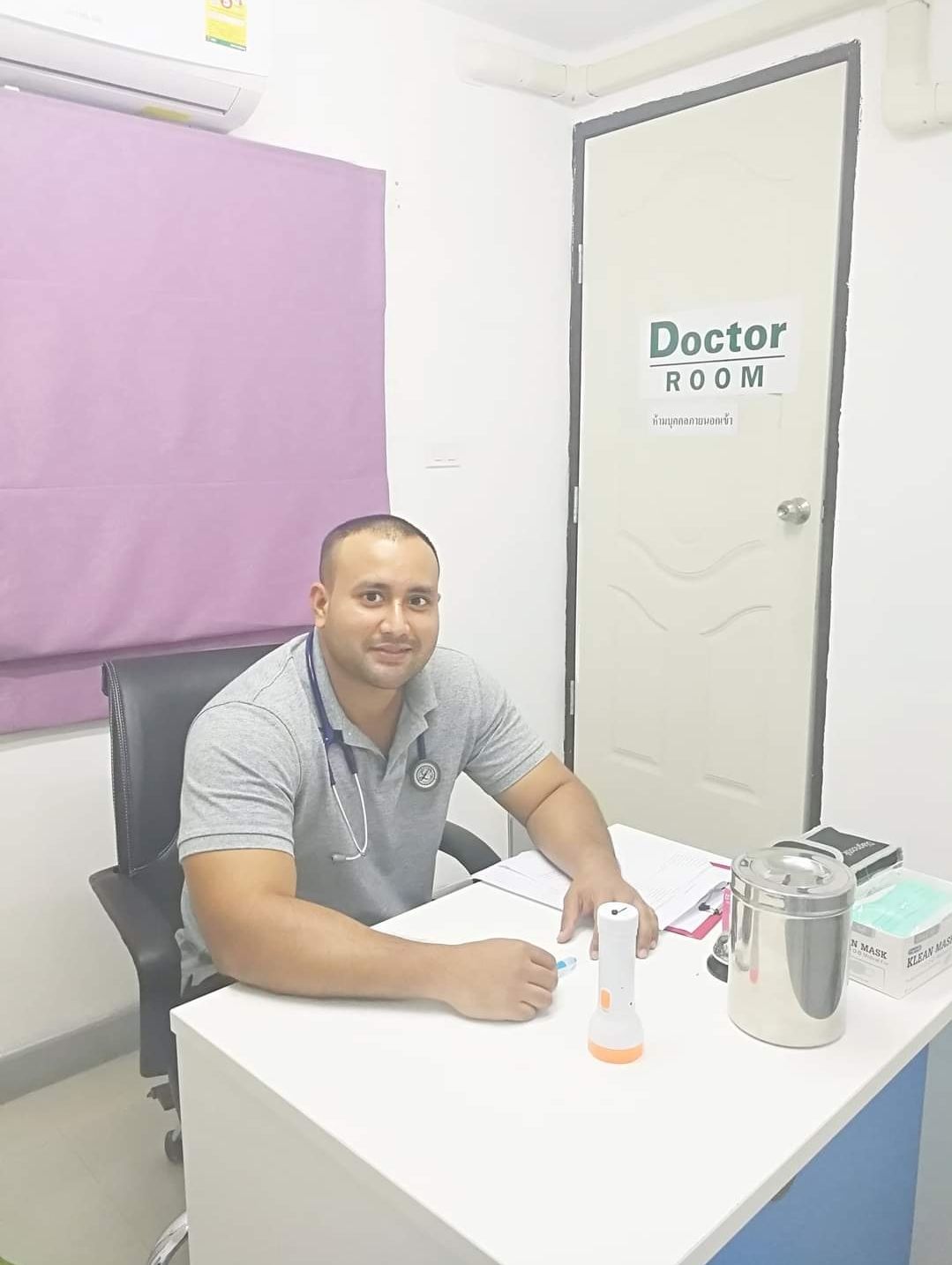
Dr. Ponlawat Pitsuwan is a physician at Doctor Bangkok, a private clinic in central Bangkok. He sees expats, residents, and medical tourists for general medicine, wellness consultations, and IV therapy. His focus is straightforward, evidence-based care delivered in plain language.