

Clinically reviewed by Dr. Ponlawat Pitsuwan, Physician, Doctor Bangkok.
Last reviewed: September 2026
An irregular heartbeat means your heart is beating too fast, too slow, or with an uneven rhythm. Many episodes are harmless and linked to stress, caffeine, or dehydration. Others, especially those with chest pain, dizziness, or fainting, need prompt medical assessment. A quick ECG can tell the difference, and at Doctor Bangkok you can walk in and have one done today.
"It felt like my heart skipped a beat, then tried to catch up." A patient said that to me last week. Six months in Bangkok, hottest part of the year, a busy weekend on Sukhumvit. Not sure whether to worry. That is exactly the situation I see most often here. Most of the time, a flutter or a skipped beat is not serious. But the only way to know for certain is an ECG.
What I want to give you here is a straight answer: what causes an irregular heartbeat, which symptoms actually matter, and what to do if it happens to you in Bangkok. Practical, not clinical.

What an Irregular Heartbeat Actually Means
Your heart beats in a steady rhythm driven by electrical signals. When those signals go off pattern, your heart can beat too fast, too slow, or unevenly. Doctors call this a cardiac arrhythmia.
Most people feel it as a flutter, a thump, a skipped beat, or a racing sensation. Some people feel nothing and only find out during a routine check. The sensation alone does not tell you whether it is serious. That is why I never ask patients to self-diagnose based on how it feels.
Types of Irregular Heartbeat You Should Know About
Not all arrhythmias are the same, and the type determines the treatment approach.
| Type | What it means | Typical heart rate |
|---|---|---|
| Atrial fibrillation (AFib) | Chaotic electrical signals in the upper chambers | Often over 100 beats per minute |
| Supraventricular tachycardia (SVT) | Sudden rapid rhythm starting above the ventricles | 150 to 250 beats per minute |
| Tachycardia | Heart beats too fast overall | Over 100 beats per minute |
| Bradycardia | Heart beats too slowly | Under 60 beats per minute |
| PVCs (premature ventricular contractions) | Extra beats interrupting the normal rhythm | Feels like a skipped beat or thump |
AFib carries the highest long-term risk because it can lead to blood clots forming in the heart. SVT tends to feel dramatic but is often manageable. PVCs are the most common type I see in clinic and are frequently benign.

Common Causes of an Irregular Heartbeat
In my experience, most irregular heartbeats trace back to something correctable. Stress, poor sleep, too much caffeine, and dehydration are the triggers I hear about most.
Beyond lifestyle, I also assess for high blood pressure, thyroid disease (particularly an overactive thyroid, called hyperthyroidism), electrolyte imbalances, and structural heart conditions. Some medications and supplements can also affect heart rhythm. This is why I ask about everything, not just cardiac history.
Bangkok-Specific Triggers: Heat, Dehydration and Electrolyte Loss
This is the section most medical websites miss, and it is the most relevant one if you are living in or visiting Bangkok.
When you sweat heavily in Thailand’s heat and humidity, you lose more than water. You lose potassium and magnesium, two minerals your heart’s electrical system depends on to keep a steady rhythm. When those levels drop, arrhythmia episodes become more likely. I see this every hot season without fail.
Drinking water helps, but water alone does not replace electrolytes. If you are training outdoors, working a physical job, or walking long distances in 35-degree heat, you need to actively replace what you are losing. Coconut water, electrolyte tablets, or a banana can make a real difference. This is not dramatic advice. It is just Bangkok physiology that most visitors are not prepared for.
Alcohol, Caffeine and Bangkok Nightlife: Know Your Triggers
Alcohol is a direct irritant to the heart’s electrical system. Even in otherwise healthy people, a heavy night of drinking can trigger AFib or other arrhythmias. Doctors sometimes call this "holiday heart syndrome" because it tends to appear in people drinking more than usual while away from home.
In Bangkok, the risk compounds. You are drinking in heat, and you are probably already dehydrated before the first drink. Alcohol is also a diuretic, pulling more fluid and electrolytes out as the night goes on. If you regularly feel palpitations after drinking here, that is worth looking into rather than writing off as a hangover.
Caffeine in high doses does something similar. Combined with a late night and a hot climate, it can push a susceptible heart into an irregular rhythm.
Symptoms That Need Prompt Medical Review
Not every flutter needs an emergency response. But some symptoms mean you should be seen the same day.
Come in promptly if your palpitations come with chest pain, pressure, or tightness. The same applies if you feel faint or lose consciousness, if you are short of breath without exertion, or if the irregular rhythm lasts more than a few minutes and does not settle on its own.
If you have chest pain, severe breathlessness, or you faint, do not come to a clinic. Go directly to a hospital emergency department or call for an ambulance.
What to Do During an Episode
Most brief episodes pass within seconds to minutes. Here is what I tell patients to do while it is happening.
Sit or lie down and stop whatever you are doing. Take slow, controlled breaths. If you have a smartwatch or fitness tracker, use it to record your heart rate during the episode. That data is genuinely useful when I review your case. For some types of rapid rhythm, a vagal manoeuvre can help. This means bearing down gently, as if straining, or splashing cold water on your face. If the episode passes quickly and you feel fine after, book a same-day assessment rather than waiting to see if it happens again.
Complications of Leaving an Irregular Heartbeat Untreated
The main risk with untreated AFib is stroke. When the upper chambers beat chaotically, blood can pool and form clots. Those clots can travel to the brain. People with untreated AFib face a significantly higher stroke risk than those without it, according to the American Heart Association.
Anticoagulant therapy and antiarrhythmic medication can dramatically reduce that risk. Getting a diagnosis matters not just because of what you feel, but because of what you might not feel at all until it becomes serious.
How an Irregular Heartbeat Is Diagnosed in Bangkok
An ECG is the starting point. It records the heart’s electrical activity and can identify most significant rhythm problems. It is painless and takes about ten minutes.
The limitation is that an ECG only captures what is happening at that moment. If your arrhythmia comes and goes, a Holter monitor may be the right next step. You wear it at home and it records your heart rhythm over 24 to 48 hours. Blood tests are also useful to check for thyroid problems and electrolyte imbalances, which are common and correctable. At Doctor Bangkok, an ECG, blood panel, and physician review can all happen in a single visit on Sukhumvit Soi 13.
Treatment Options for an Irregular Heartbeat
Treatment depends entirely on the type and cause of your arrhythmia. If the cause is low magnesium or an overactive thyroid, correcting that often resolves the rhythm problem. Cutting caffeine, reducing alcohol, and managing stress have solid evidence behind them for reducing how often episodes occur.
When medication is needed, beta-blockers are commonly used to slow and steady heart rate. More complex cases may need antiarrhythmic medication. Some patients with AFib need long-term anticoagulant therapy to prevent clot formation. Procedures like cardioversion or catheter ablation exist for cases that do not respond to medication, and I refer those patients directly to a cardiologist.
Getting Your Heart Checked at Doctor Bangkok
Walk-in ECG is available at our clinic on Sukhumvit Soi 13, a short walk from BTS Nana. No appointment is needed. An English-speaking physician reviews the result with you on the same visit.
If the ECG is normal but your symptoms continue, I can arrange a blood panel on-site to check thyroid function, electrolytes, and other relevant markers. Cardiology referral is available when needed. Most patients leave with a clear answer. Either the result is reassuring and we identify a trigger to address, or we find something that needs follow-up and we make a plan. You do not need to sit with this uncertainty. Getting checked takes less time than most people expect, and it is the only way to actually know.
If you felt your heart flutter, race, or skip, do not wait to see if it happens again. Doctor Bangkok offers walk-in ECG testing and same-day physician review at our clinic on Sukhumvit Soi 13, BTS Nana. Our English-speaking doctors assess your heart rhythm, check for common triggers including electrolyte imbalances and thyroid issues, and refer to cardiology when needed. Come in today or book online at doctorbangkok.co.th.
Frequently Asked Questions
Dr. Ponlawat Pitsuwan
Physician, Doctor Bangkok
a private medical clinic in central Bangkok. He sees expats, residents, and medical tourists for general medical consultations, cardiac symptom assessment, ECG testing, and health checks. His focus is straightforward, evidence-based care delivered in plain language.
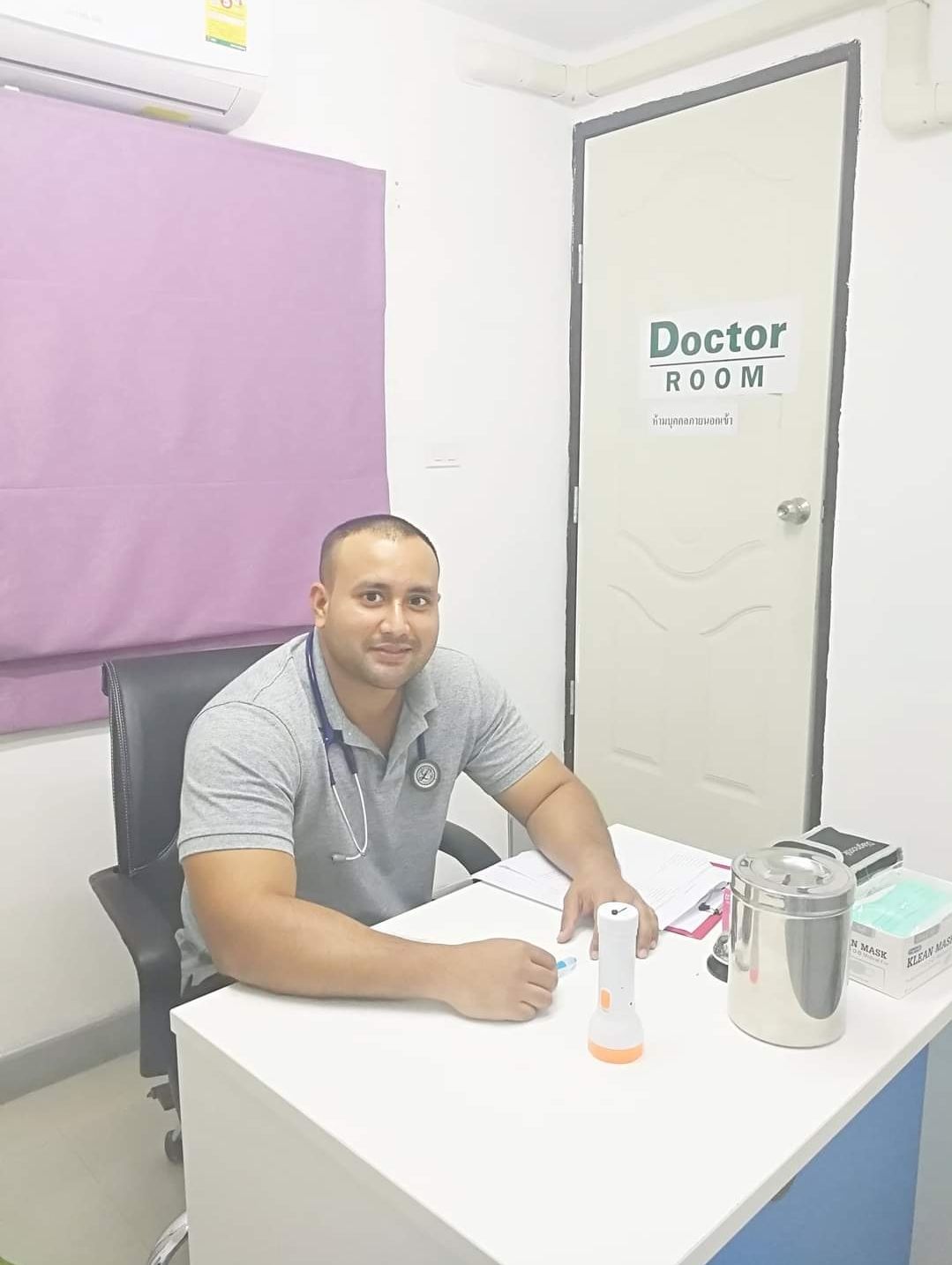
Dr. Ponlawat Pitsuwan is a physician at Doctor Bangkok, a private clinic in central Bangkok. He sees expats, residents, and medical tourists for general medicine, wellness consultations, and IV therapy. His focus is straightforward, evidence-based care delivered in plain language.