
Clinically reviewed by Dr. Ponlawat Pitsuwan, Physician, Doctor Bangkok. Last reviewed: September 2026
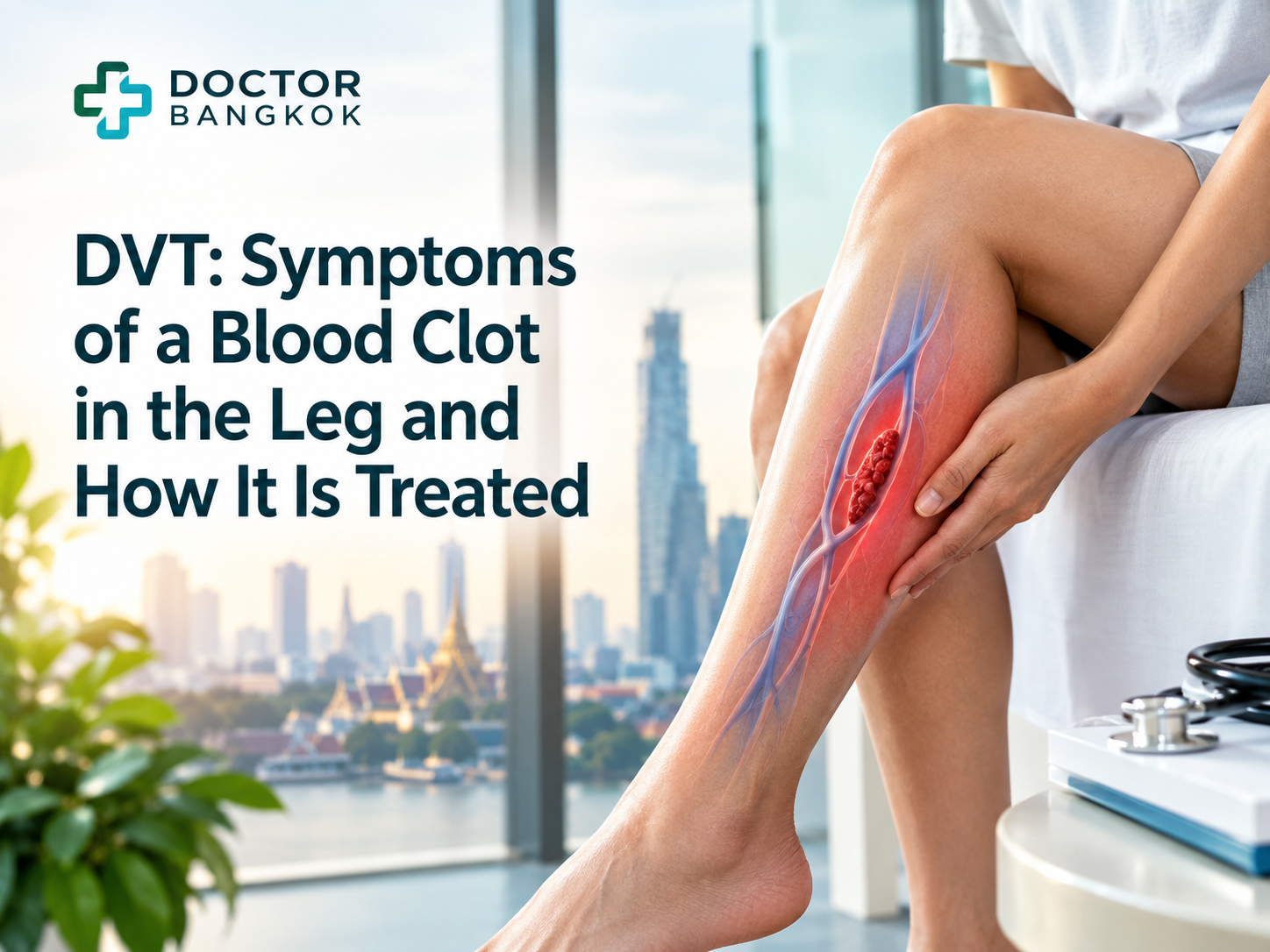
A blood clot in the leg, known as deep vein thrombosis or DVT, requires medical assessment and anticoagulant medication when confirmed. Natural strategies like movement, hydration, and compression stockings support circulation and reduce risk but cannot dissolve an active clot on their own. If your leg is swollen, warm, and painful, get checked the same day.
A patient came in last week after a ten-hour flight from London. He woke up with a tight, heavy feeling in his left calf, Googled how to naturally dissolve blood clots in legs, drank some water, and walked laps around his hotel room. Then he still came in. That was the right call.
Some natural strategies genuinely help. None of them replace treatment for a confirmed DVT. Knowing which is which could matter more than you think.

The Honest Answer: Can You Naturally Dissolve a Blood Clot in Your Leg?
Your body has its own system for breaking down clots, and it runs continuously. For small clots in the lower leg, it sometimes does enough. That is real.
For a larger clot sitting higher up in your thigh or pelvis, your body’s system is often not fast enough. The clot can grow, travel, and reach your lungs before it resolves. That is a pulmonary embolism, and it can be fatal.
Whether natural measures are sufficient depends entirely on where the clot is, how large it is, and whether you have had it assessed. Without a diagnosis, you do not know which category you are in. That is the part most people skip.
What Causes a Blood Clot to Form in Your Leg?
Three things combine to cause a DVT: slow blood flow, blood that clots too easily, and damage to the vein wall. What matters to you is how ordinary the triggers are.
Sitting still for hours, recent surgery, dehydration, certain medications, pregnancy, or an underlying clotting condition can all tip the balance. You do not need all three factors. One significant enough trigger can be enough.

DVT Risk Factors Especially Relevant to Bangkok Expats and Travellers
Bangkok is a long-haul destination. Flights from Europe, North America, or Australia run ten to fourteen hours. Sitting in economy with minimal leg movement for that long is one of the clearest DVT triggers there is.
Once you land, the heat and humidity accelerate fluid loss faster than most expats realise. Follow a long flight with a night on Sukhumvit and alcohol-related dehydration stacks on top of travel-related dehydration. Your blood thickens. Flow slows. Risk goes up.
Expats working desk jobs and exercising infrequently are in a similar position week to week. The tropical heat cuts into the motivation to move, and over months, that sedentary pattern adds up.
Recognising DVT Symptoms and the Signs That Mean Emergency Care Now
The classic DVT presentation is swelling in one leg, usually the calf, with warmth, redness, and an aching or heavy feeling that does not improve with rest. It typically affects one leg, not both. The calf may feel tight when you flex your foot upward.
These symptoms need same-day clinical assessment. Come in, do not wait until tomorrow.
A different set of symptoms means go to an emergency room right now. Sudden shortness of breath, chest pain, a racing heart, or coughing up blood may indicate a pulmonary embolism. Do not come to a walk-in clinic. Call for emergency services immediately.
Movement and Exercise: The Most Evidence-Backed Natural Strategy
The calf muscle works like a pump. When you walk, it contracts and pushes blood upward through your veins. When you sit still, that pump stops and blood pools.
Regular walking is the single most evidence-backed non-pharmaceutical strategy for both preventing DVT and supporting recovery after treatment. If you are sitting for long periods, aim to walk for at least ten minutes every two hours. On a flight, get up when the seatbelt sign allows.
One important caution: if you suspect a DVT but have not yet been assessed, avoid intense exercise like running or heavy lifting. Walk, and come in first.
Compression Stockings: What Grade You Need and Where to Get Them in Bangkok
Graduated compression stockings apply more pressure at the ankle than at the knee, which helps push blood upward. They are one of the few non-drug strategies with consistent clinical evidence for DVT prevention and management.
The grade matters. Stockings sold in pharmacies and airports are typically 15 to 20 mmHg, which work well for prevention and travel. If you have a confirmed DVT or a history of one, your doctor will likely prescribe 20 to 30 mmHg class-two stockings. Do not buy the firmest pair available without guidance. Poorly fitted compression can restrict circulation rather than support it.
Pharmacies near BTS stations stock travel-grade compression socks. For medical-grade stockings after a diagnosis, your treating doctor will advise you on fit and sourcing.
Hydration in Bangkok’s Heat: Why Dehydration Raises Your Clot Risk
Dehydration makes your blood thicker and slower-moving. In Bangkok, where temperatures regularly sit above 35 degrees Celsius, you lose fluid faster than most people expect.
Aim for at least two and a half litres of water daily in this climate, more if you are active or consuming alcohol. Coffee and alcohol both dehydrate, so do not count them. If your urine is pale yellow, you are roughly on track. Dark yellow means drink more.
Natural Supplements With Some Evidence and Their Limits
Nattokinase is the most discussed supplement in this space. It is an enzyme from fermented soybeans that has shown some ability to act on blood proteins in laboratory studies. The human evidence is limited and mostly concerns prevention rather than treating an active DVT.
Bromelain from pineapple and curcumin from turmeric both have mild anti-inflammatory properties and modest effects on platelet activity. Ginger and garlic are in a similar category.
Here is the part that matters most. If you are already on anticoagulant medication for a confirmed DVT, combining it with nattokinase or high-dose curcumin may increase your bleeding risk. Natural does not mean safe in combination. Tell your doctor everything you are taking before anticoagulants are prescribed. At Doctor Bangkok, we ask specifically, because the interactions are real.
When Natural Approaches Are Not Enough: Medical Treatment for DVT in Bangkok
If your assessment confirms a DVT, you need anticoagulant medication. The current standard in most cases is a class of drugs called direct oral anticoagulants, or DOACs. They do not dissolve the clot instantly. They stop it from growing while your body works through it. Most people take them for three to six months depending on the clot’s cause and location.
For large or life-threatening clots, a hospital may use thrombolytic therapy, which delivers clot-dissolving drugs directly through a catheter. This is reserved for severe cases and is not a walk-in clinic procedure.
At our clinic in central Bangkok, you can access same-day physician assessment and a D-dimer blood test on-site. If the clinical picture warrants it, we refer you for duplex ultrasound imaging, which uses sound waves to visualise blood flow in your veins and is the definitive way to confirm a DVT. We work with imaging centres nearby and can arrange same-day or next-day scans for urgent cases.
The Long-Term Risk of Untreated DVT: Post-Thrombotic Syndrome
This is the part most patients do not hear about until it is too late to matter.
When a DVT is not treated promptly, the clot can damage the valves inside your veins. These valves normally keep blood moving in one direction. When they fail, blood pools chronically in the lower leg. This is called post-thrombotic syndrome, and it causes persistent swelling, skin changes, heaviness, and in serious cases, leg ulcers that are difficult to manage.
Post-thrombotic syndrome is not rare in people who delay treatment or rely only on natural measures for a significant DVT. It is one of the clearest arguments against a wait-and-see approach.
How Doctor Bangkok Assesses a Suspected Blood Clot
If you come in with a swollen, painful leg, here is what happens. A physician takes your history, examines the leg, and assesses your risk using a validated clinical scoring approach. We then run a D-dimer blood test on-site. A negative result makes DVT unlikely. A positive result moves you straight to imaging.
We refer you for duplex ultrasound at a nearby imaging centre, with same-day or next-day availability for urgent cases. If a DVT is confirmed, we prescribe anticoagulants, give you a clear management plan, and arrange follow-up. We also advise on compression, activity levels, and which symptoms should send you directly to an emergency department.
If you have just landed in Bangkok and something feels wrong with your leg, do not wait. Doctor Bangkok is accessible by BTS, open seven days a week, and no appointment is needed. A same-day assessment is straightforward, and it is far better than spending your first week here wondering.
Concerned about a swollen or painful leg after a long flight, or worried you may have a DVT? Doctor Bangkok offers same-day walk-in consultations with English-speaking physicians at our clinic on Sukhumvit, accessible by BTS. We assess your symptoms, run a D-dimer blood test on-site, and refer you for urgent duplex ultrasound imaging if needed. No appointment necessary. Walk in or contact us to arrange your visit.
Frequently Asked Questions
Dr. Ponlawat Pitsuwan
Physician, Doctor Bangkok
a private medical clinic in central Bangkok. He sees expats, residents, and medical tourists for general medical concerns including suspected DVT, travel-related illness, blood testing, and urgent walk-in assessments. His focus is straightforward, evidence-based care delivered in plain language.
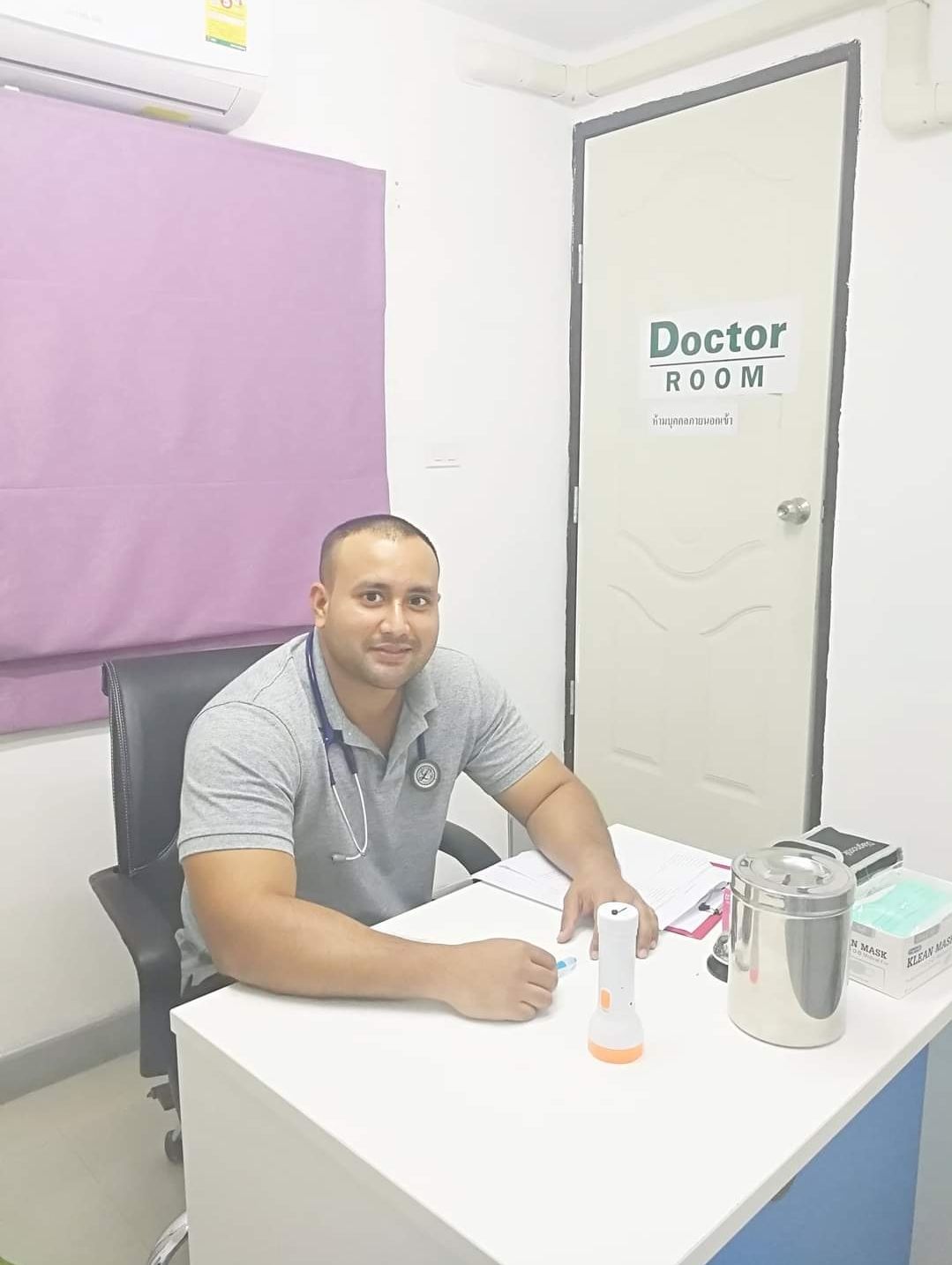
Dr. Ponlawat Pitsuwan is a physician at Doctor Bangkok, a private clinic in central Bangkok. He sees expats, residents, and medical tourists for general medicine, wellness consultations, and IV therapy. His focus is straightforward, evidence-based care delivered in plain language.