
Clinically reviewed by Dr. Ponlawat Pitsuwan, Physician, Doctor Bangkok. Last reviewed: August 2026
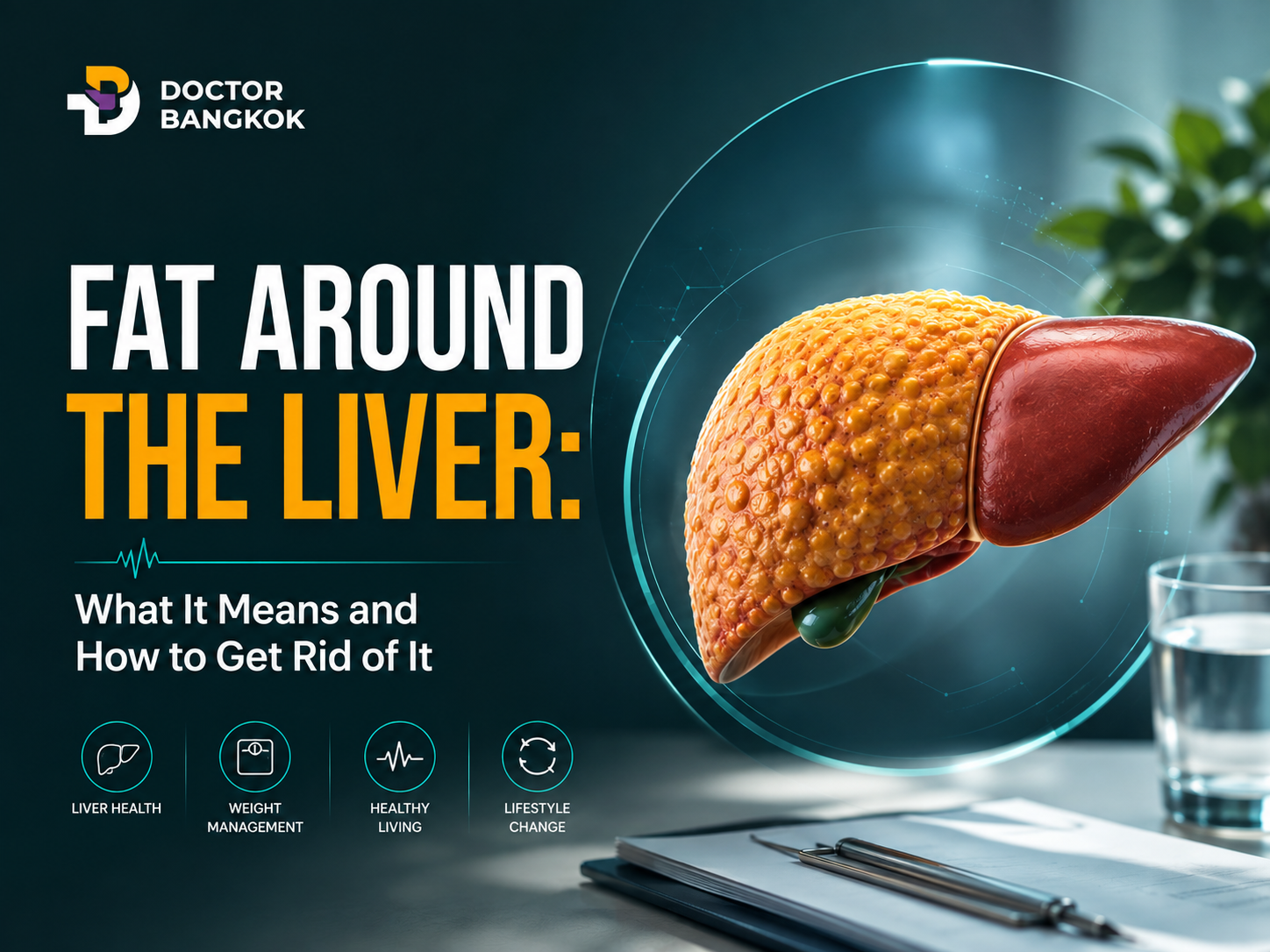
Fat around the liver means fat has built up inside the liver itself, not just around it. Doctors call this hepatic steatosis, or fatty liver disease. It is very common, usually silent, and in the early stages it can be reversed with the right changes. The first step is finding out how far along it is, which means a blood test and an ultrasound.
If your health check came back mentioning fat on your liver, or your ultrasound report said something like "bright liver," you are probably sitting there wondering what that actually means for you. This is one of the most common findings I see in patients coming through for routine checks, and the reaction is almost always the same: mild panic, followed by a lot of unanswered questions.
Here is the short answer. Fat on the liver is not an automatic emergency. But it is not something to file away and forget either. What matters is understanding what stage you are at, what caused it, and what you need to do next.

What Does Fat Around the Liver Actually Mean?
Your liver is not supposed to store fat. When more than roughly five percent of the liver is made up of fat cells, doctors call it hepatic steatosis, which simply means fatty liver. Think of it like this: your liver is a processing organ, and when it gets overwhelmed, fat starts to accumulate inside it.
In most early cases, the liver is still functioning. The fat is there, but the liver cells are not inflamed or scarred yet. That is actually the window where this condition is most reversible. The problem is that most people have no idea they are in that window until a routine scan picks it up.
That report mentioning a bright liver or increased echogenicity is the radiologist’s way of saying the liver looks denser than normal because of fat. It is the same condition, just described by how it appears on screen.
Types of Fatty Liver and What the New Terms Mean
If you have older records that say NAFLD or NASH, and a newer report that says MASLD or MASH, they are talking about the same condition. In 2023, the medical community updated the naming. Here is what the current terms mean in plain language.
MASLD stands for metabolic dysfunction-associated steatotic liver disease. That is the version most people have: fat in the liver linked to diet, weight, blood sugar, or metabolic issues, with no heavy drinking involved. MASH, previously called NASH, means the fat has caused inflammation and liver cell damage. That is the more serious version, and the one that can lead to scarring.
Alcoholic fatty liver disease is a separate category driven primarily by alcohol. In practice, I see patients whose fatty liver has more than one contributing factor, which is why a proper assessment matters more than the label alone.

What Causes Fat to Build Up in the Liver?
The most common driver is what I would call metabolic overload. High blood sugar, insulin resistance, high triglycerides, and excess body fat around the abdomen all push the liver toward fat storage. Type 2 diabetes and metabolic syndrome are closely linked.
Here in Bangkok, I see specific patterns with expat patients. The food environment is a real factor. Street food, fruit smoothies, pad Thai, and sticky rice are not inherently harmful, but the sugar and refined carbohydrate load can be high if you eat them daily without balancing your overall diet. Add regular social drinking, which is genuinely common in expat life here, and the liver is dealing with a double load.
What surprises many patients is this: around forty percent of people diagnosed with fatty liver are not overweight. Asian populations can develop hepatic steatosis at lower body weight thresholds than Western populations. So if you are slim, drink moderately, but eat a high-sugar diet, this finding can still apply to you.
Symptoms, and Why Most People Have No Idea They Have It
Fatty liver is almost always silent. There is no pain, no yellowing of the skin, no obvious sign that anything is wrong. The vast majority of patients I diagnose had zero symptoms. They only found out because a health check included an abdominal ultrasound or a liver enzyme blood test.
Some people notice vague fatigue or a mild ache in the upper right abdomen. But these are easy to dismiss and easy to attribute to something else. Do not wait for symptoms before getting checked. By the time fatty liver causes obvious signs, it has usually been progressing for years.
How Fatty Liver Progresses If You Leave It Alone
Most people with fatty liver stay at the early stage for years without it advancing. But a meaningful proportion do progress, and the path matters.
Simple fat accumulation can lead to inflammation and liver cell damage, which is MASH. From there, repeated damage leads to fibrosis, where scar tissue starts replacing healthy liver tissue. Advanced fibrosis becomes cirrhosis, where so much of the liver is scarred it can no longer function properly. Cirrhosis raises the risk of liver failure and liver cancer significantly.
The critical point is that progression is slow and not inevitable. The factors that accelerate it include ongoing alcohol use, poorly controlled diabetes, continued weight gain, and no monitoring. Going years without a follow-up check when you have a known fatty liver finding is one of the biggest risks I see among patients in Bangkok.
How Fatty Liver Is Diagnosed in Bangkok
If you come in with this concern, here is what the visit actually looks like. We start with a conversation about your diet, alcohol use, medical history, and any medications you take. Then we run blood tests.
The key markers are ALT and AST, your liver enzymes that rise when liver cells are under stress, GGT which is sensitive to both alcohol and fatty liver, and a lipid panel that includes triglycerides. We also check fasting glucose and HbA1c, because fatty liver and insulin resistance are closely linked.
An abdominal ultrasound is the standard imaging tool. It is quick, painless, and shows whether the liver looks fatty and whether there is any enlargement. For patients where we need more detail about scarring, a FibroScan may be arranged. This uses sound waves to measure liver stiffness, which reflects how much scarring is present. We can also calculate a FIB-4 score using your age and blood results to estimate fibrosis risk without extra imaging.
Can Fatty Liver Be Reversed?
Yes, at the early stage, it can. That is one of the genuinely good things about catching this early. The liver has strong regenerative capacity, and early fat accumulation is not permanent.
The evidence is clearest around weight loss. Losing five to ten percent of your body weight, sustained over time, produces measurable reductions in liver fat. Patients who make real dietary changes often see improvements on follow-up ultrasound within three to six months. That is not a guarantee for everyone, but it is a realistic outcome for people who commit to it.
In Bangkok, I tell patients to look at hidden sugar in drinks first. Fruit shakes, Thai iced tea, and sweetened coffees are often the biggest culprits and the easiest to cut. Reducing alcohol, even from five nights a week to one or two, makes a measurable difference. Regular aerobic exercise, the kind that raises your heart rate, helps the body burn the visceral fat that feeds liver fat storage.
There is currently no approved medication that directly reverses fatty liver. Management requires lifestyle change as the foundation, with close monitoring to track progress.
When to See a Doctor in Bangkok and What to Expect
If a health check turned up a fatty liver finding, whether done here or elsewhere, do not sit on it. Book a follow-up consultation. The purpose is not to alarm you. It is to find out exactly where you are, what your liver enzymes look like now, and whether there are other metabolic risk factors we can address at the same time.
At Doctor Bangkok, we see expats in exactly this situation regularly. You get an English-speaking GP, a liver function panel run the same day, and a clear explanation of what your results mean. If imaging is needed, we can coordinate that. If your results suggest more advanced disease, we will refer you appropriately and walk you through what comes next.
The biggest mistake I see is people waiting. Fatty liver found at the simple steatosis stage, where the liver is fatty but not yet inflamed or scarred, is the ideal time to act. That window does not stay open indefinitely.
Received a fatty liver finding on a health check in Bangkok? Doctor Bangkok offers same-week appointments with English-speaking GPs, full liver function blood panels, and ultrasound referral support. The clinic is BTS-accessible in central Bangkok. Visit doctorbangkok.co.th to book your liver health assessment, or walk in during clinic hours.
Frequently Asked Questions
My ultrasound report says "bright liver" or "increased echogenicity." Is that the same as fatty liver?
Yes, it is. Those are the radiologist’s terms for what the liver looks like on the ultrasound screen when fat has built up inside it. The next step is a liver enzyme blood test and a GP consultation to assess the severity and work out what is driving it.
I am not overweight and I barely drink. How can I have fatty liver?
This is more common than people realise. Around forty percent of people with fatty liver are not obese. High-sugar diets, insulin resistance, genetics, and certain medications can all cause it in people with a normal body weight. Asian populations also develop fatty liver at lower BMI thresholds than Western populations, which is relevant for many patients in Bangkok.
Can fatty liver go away on its own, and how long does it take?
Early fatty liver can reverse with lifestyle changes, but it does not resolve on its own without active effort. Losing five to ten percent of body weight and consistently cutting sugar and alcohol can produce visible improvements on ultrasound within three to six months. It requires real commitment and monitoring, not just hope.
What blood tests should I ask for if I am worried about my liver?
The key ones are ALT, AST, and GGT, which are liver enzymes, plus a lipid panel including triglycerides, fasting glucose, and HbA1c. Doctor Bangkok can run a full liver panel in a single visit and will explain every result to you at the appointment.
Is fatty liver dangerous if I leave it untreated?
It can be, over time. A proportion of cases progress from simple fat accumulation to liver inflammation, scarring, and eventually cirrhosis. The risk is higher with ongoing alcohol use, uncontrolled blood sugar, and no monitoring. Finding it early and staying on top of it is what changes the outcome.
My old report said NAFLD. A new one says MASLD. Are these the same thing?
Yes, they are the same condition. In 2023, the medical community updated the name from NAFLD to MASLD to better reflect the metabolic factors involved. If your older report said NASH, the current equivalent term is MASH. The condition itself has not changed, just the label.
Dr. Ponlawat Pitsuwan
Physician, Doctor Bangkok
a private medical clinic in central Bangkok. He sees expats, residents, and medical tourists for general medical consultations, health checks, liver function assessment, and metabolic health concerns. His focus is straightforward, evidence-based care delivered in plain language.
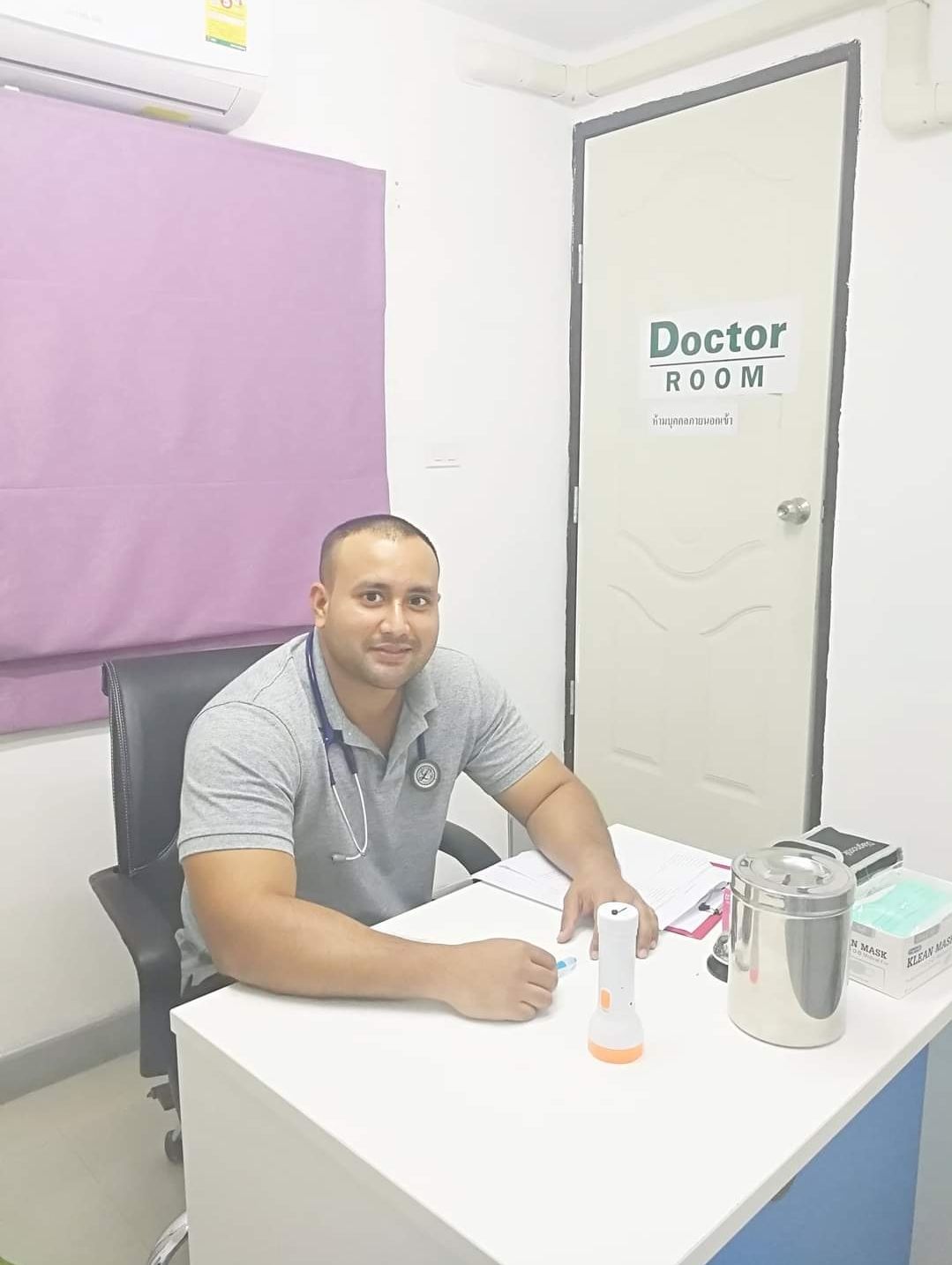
Dr. Ponlawat Pitsuwan is a physician at Doctor Bangkok, a private clinic in central Bangkok. He sees expats, residents, and medical tourists for general medicine, wellness consultations, and IV therapy. His focus is straightforward, evidence-based care delivered in plain language.