

Clinically reviewed by Dr. Ponlawat Pitsuwan, Physician, Doctor Bangkok. Last reviewed: July 2026
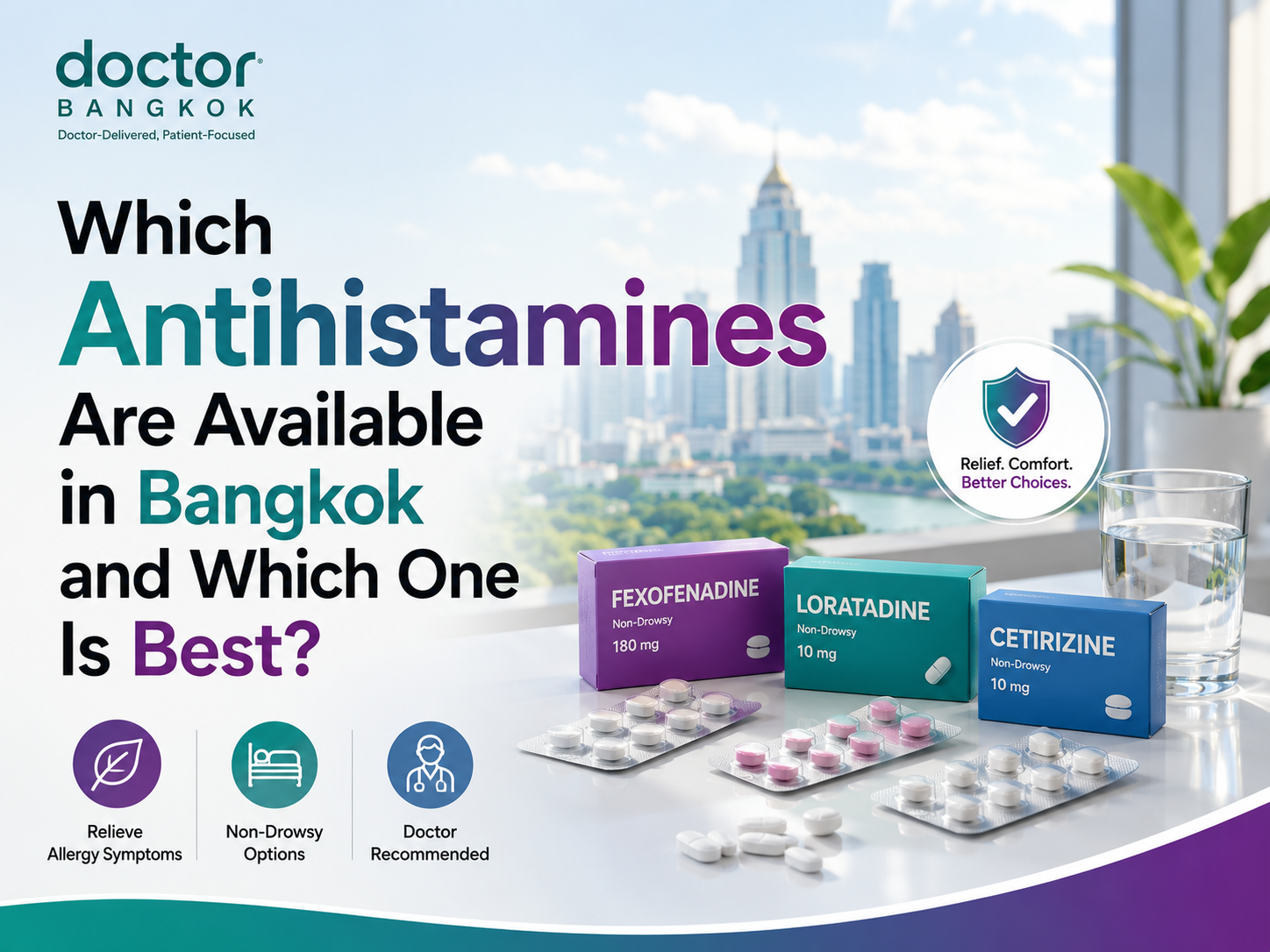
Bangkok pharmacies stock all major second-generation antihistamines over the counter, including cetirizine, loratadine, and fexofenadine, often under Thai brand names you may not recognise. For most expats dealing with dust, pollution, or hives, a once-daily second-generation antihistamine is the right starting point. If your symptoms are not improving after a few weeks, that is when you need a doctor, not a different shelf product.
You walked into a Bangkok pharmacy, asked for your usual antihistamine, and got a blank look or a shelf full of brands you have never heard of. This happens to almost every expat in their first few weeks here. The good news is that the same active ingredients you rely on at home are available here. They just go by different names.
Bangkok also does something to allergies that many people do not expect. Symptoms that were mild or seasonal back home can become daily and relentless here. Before you reach for whatever is on the shelf, it helps to know which antihistamine fits your situation and when a pharmacist cannot give you what you need.

Why Allergies Hit Harder in Bangkok
Most online guides skip this part. Bangkok is one of the more allergically demanding cities in Southeast Asia, and understanding why helps you choose the right treatment.
Dust mites thrive in humidity. Bangkok’s year-round heat and moisture make apartments near-perfect breeding grounds, even clean, well-maintained ones. If your nose runs every morning or you wake up sneezing, dust mites are usually the first thing I look at.
PM2.5 pollution spikes during the cool-dry season, roughly November to March. Fine particles inflame the airways and make existing allergies far worse. Many expats notice their antihistamine stops working during this period. The antihistamine has not stopped working. The trigger load has gone up.
Mould is the third factor. Older buildings, poorly maintained air-conditioning units, and properties with water seepage carry mould spores year-round. Mould allergy is frequently missed because people assume they are just getting repeated colds. All three of these triggers are perennial, meaning they do not disappear in winter. If you are from a temperate climate and used to seasonal allergies, Bangkok may be the first time you need daily medication rather than occasional relief.
Antihistamines Available in Bangkok: Active Ingredients and Thai Brand Names
This is what you actually need at the pharmacy counter. Look for the active ingredient on the box, not the brand name.
| Active Ingredient | Common Thai Brand Names | Generation | Sedating? | Prescription Required? |
|---|---|---|---|---|
| Cetirizine 10mg | Zyrtec, Cettec, Zyrex, Zyrcon, Acotec | Second | Low | No |
| Loratadine 10mg | Clarityne, Lortyne, Lorfast | Second | Very low | No |
| Fexofenadine 120/180mg | Telfast, Allegra | Second | Minimal | No |
| Chlorpheniramine 4mg | CPM, Chlor-Trimeton, Polaramine | First | High | No |
| Desloratadine 5mg | Aerius | Second | Very low | No |
| Levocetirizine 5mg | Xyzal | Second | Low | Sometimes |
Generic cetirizine and loratadine are very inexpensive here, often under 30 baht per tablet. Fexofenadine costs a little more. All of the above are available at Boots, Watsons, and most independent pharmacies with a green cross sign.

First Generation vs Second Generation: What Actually Matters
First-generation antihistamines like chlorpheniramine, sold as CPM in most Thai pharmacies, cause sedation. That can be useful if you need to sleep through a bad allergic reaction. It is not useful if you are trying to function at work.
Second-generation antihistamines are far less sedating and last longer. They are the right choice for anyone managing ongoing Bangkok allergies. I prescribe cetirizine and fexofenadine most often for daily use, depending on how sensitive the patient is to any drowsiness.
Fexofenadine has the least sedating profile of the three main second-generation options. Loratadine is close behind. Cetirizine causes mild drowsiness in a small number of people, though most tolerate it fine.
Which Antihistamine Works Best for Bangkok Allergies?
There is no single best option. What matters is matching the drug to your situation.
For daily dust mite and mould exposure, cetirizine or levocetirizine tend to perform well. For people who cannot tolerate any sedation, fexofenadine 180mg is often the better choice. Loratadine suits many patients with mild to moderate symptoms.
What I see regularly is patients who have been taking an antihistamine alone for months when they actually needed a nasal corticosteroid spray alongside it. For allergic rhinitis, that combination works significantly better than an antihistamine on its own. The spray is available over the counter, but getting the choice and technique right is easier with a consultation. Doctor Bangkok’s allergy treatment service is set up for exactly this kind of review.
When an Antihistamine Is Not Enough: Red Flags to See a Doctor
Most allergy symptoms, runny nose, sneezing, itchy eyes, and mild hives, respond well to a daily antihistamine. Some do not.
If you have throat tightening, difficulty breathing, a swelling tongue, or feel faint after exposure to a food or insect sting, that is anaphylaxis. Antihistamines cannot manage this on their own. You need adrenaline and emergency care. Adrenaline auto-injectors are not reliably stocked at Thai pharmacies, so if you have a known severe allergy, speak to a doctor about an emergency plan before you need one.
Hives that come and go for more than six weeks also frequently need more than a standard OTC dose. Higher doses are used under medical supervision and are not something to manage alone. If symptoms are not controlled after four to six weeks of daily antihistamine use, that is the point to come in, not to try a different shelf product.
Special Populations: Children, Pregnant Women, and Older Adults
For children, many antihistamines are dosed by weight, not age. Paediatric syrups of cetirizine and loratadine are available in Bangkok, but a doctor should confirm the dose, particularly in children under two.
In pregnancy, loratadine has a long safety record and is generally the preferred option based on available evidence. I do not recommend self-selecting any antihistamine during pregnancy. Book a consultation and let a doctor make that call with you.
In older adults, chlorpheniramine and other first-generation antihistamines can cause confusion, urinary retention, and falls. They should generally be avoided. Second-generation options are far safer, but a doctor should still review any regular medication in elderly patients, especially alongside other drugs.
OTC Versus Prescription Antihistamines: What the Pharmacy Cannot Tell You
For straightforward or mild symptoms, OTC antihistamines are a completely reasonable first step. But there are limits to what a pharmacy can offer.
Pharmacists cannot assess whether you have allergic asthma alongside your rhinitis. They cannot prescribe the right nasal corticosteroid or confirm correct technique. They cannot order a blood test to identify your allergen. And they cannot adjust antihistamine doses above standard pack instructions, which sometimes fall short for chronic hives or severe rhinitis.
Levocetirizine and rupatadine are options that work better for some patients but are either doctor-accessed or require a prescription in most Bangkok pharmacies. At Doctor Bangkok, we see many expats who have been managing symptoms with the wrong treatment for months. Getting the right diagnosis early usually means less medication overall, not more. You can find out more about our approach to allergy assessment and treatment on our service page.
Antihistamine Drug Interactions to Know
First-generation antihistamines combined with alcohol, sleeping tablets, or anti-anxiety medication can cause excessive sedation. Most pharmacy staff will not raise this unless you ask directly.
Second-generation antihistamines are generally much safer in this regard. Fexofenadine should not be taken at the same time as antacids containing aluminium or magnesium, as these reduce absorption. Grapefruit juice has a similar effect on fexofenadine. These are small practical points but worth knowing if you take other regular medications.
If you are on multiple medications and need an antihistamine, a quick doctor review is the sensible step. At Doctor Bangkok, that kind of consultation takes around 30 minutes and leaves you with clear answers.
Struggling with allergies in Bangkok and not sure which antihistamine is right for you? Doctor Bangkok offers English-speaking consultations for expats and visitors dealing with allergic rhinitis, chronic hives, and unexplained allergy symptoms. We can assess your triggers, recommend the right treatment, and refer for allergy testing if needed. Book at doctorbangkok.co.th/allergy-treatment/ or walk in at our central Bangkok clinic, BTS accessible.
Frequently Asked Questions
Can I buy antihistamines over the counter in Bangkok without a prescription?
Yes. Cetirizine, loratadine, and fexofenadine are all available without a prescription at Boots, Watsons, and independent pharmacies across Bangkok. Higher-dose formulations and options like levocetirizine may require a doctor’s visit. Combination products containing pseudoephedrine now require a prescription in Thailand.
Which antihistamine works best for Bangkok’s dust and pollution?
For daily symptoms driven by dust mites or pollution, a once-daily second-generation antihistamine like cetirizine or fexofenadine is the right starting point. For moderate to severe rhinitis, combining an antihistamine with a nasal corticosteroid spray usually works significantly better. A doctor can help you find the right combination rather than just increasing the antihistamine dose.
Is Zyrtec in Thailand the same as in my home country?
Yes. Thai Zyrtec contains cetirizine hydrochloride 10mg, the same active ingredient and dose as versions sold in the US, UK, and Europe. The same molecule is sold under Thai generic names like Cettec and Zyrex at much lower prices. Look for the active ingredient on the box rather than the brand name when shopping at Bangkok pharmacies.
My antihistamine has stopped working. What should I do?
The most common reason is not tolerance. It is usually a higher allergen load, an unidentified trigger, or a condition that OTC antihistamines cannot manage alone. If your current antihistamine is no longer controlling symptoms after several weeks, see a doctor rather than switching brands. Doctor Bangkok can assess your triggers, adjust your treatment, and refer for allergy testing if needed.
Are antihistamines safe to take every day long-term?
Second-generation antihistamines have a good long-term safety profile and are commonly used daily. First-generation antihistamines like chlorpheniramine are not suitable for long-term daily use, particularly in older adults. If you have been taking any antihistamine daily for more than four to six weeks without good symptom control, that is worth reviewing with a doctor.
What should I do if I think I am having a severe allergic reaction in Bangkok?
If you have throat swelling, difficulty breathing, or feel faint after an allergen exposure, do not rely on an antihistamine. Go to an emergency department immediately. Adrenaline auto-injectors are not reliably available at Thai pharmacies, so if you have a known severe allergy, speak to a doctor at Doctor Bangkok about an emergency management plan before you need one.
Dr. Ponlawat Pitsuwan
Physician, Doctor Bangkok
a private medical clinic in central Bangkok. He sees expats, residents, and medical tourists for allergy assessment, general medical consultations, and travel health. His focus is straightforward, evidence-based care delivered in plain language.
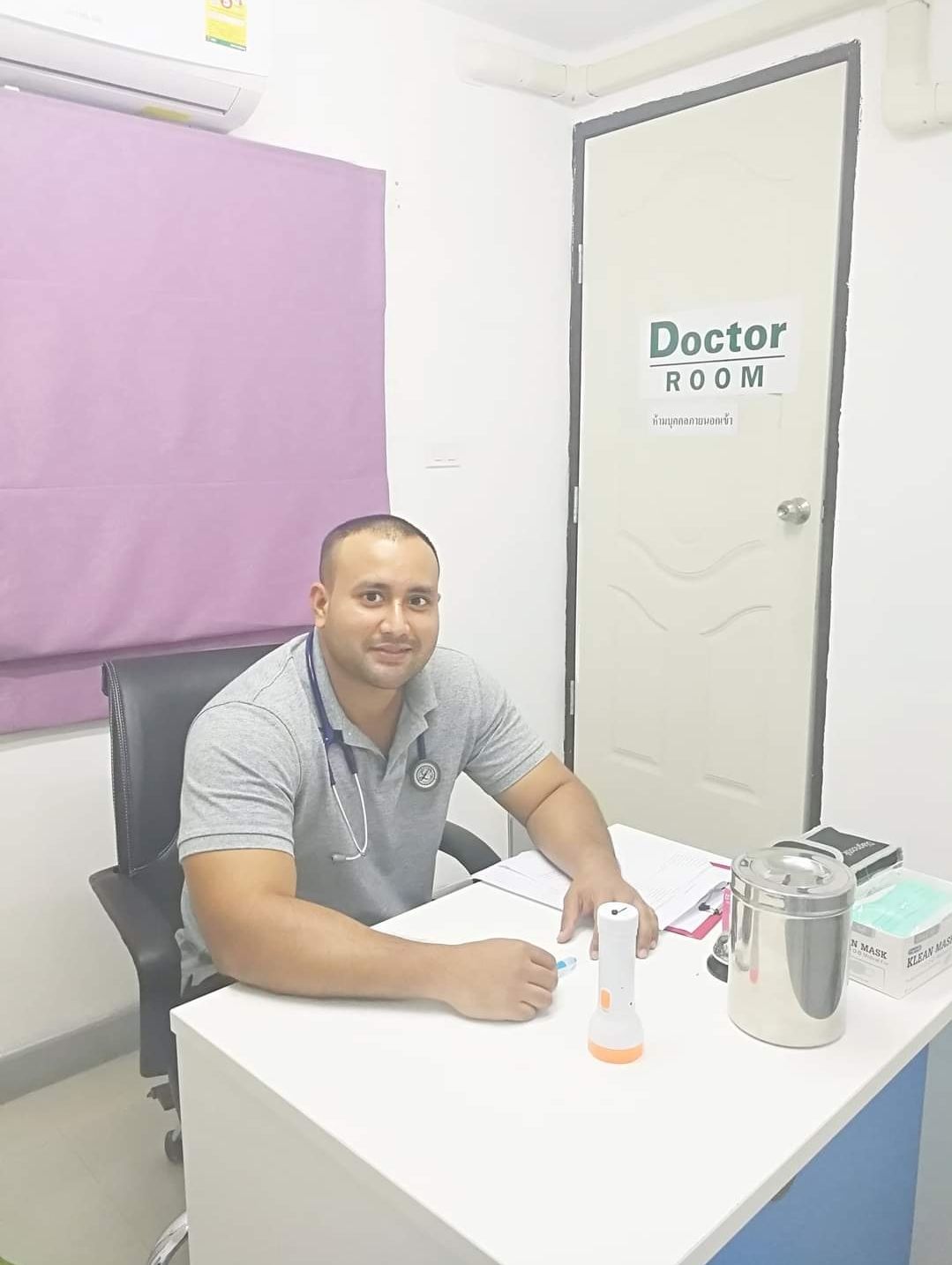
Dr. Ponlawat Pitsuwan is a physician at Doctor Bangkok, a private clinic in central Bangkok. He sees expats, residents, and medical tourists for general medicine, wellness consultations, and IV therapy. His focus is straightforward, evidence-based care delivered in plain language.