

Clinically reviewed by Dr. Ponlawat Pitsuwan, Physician, Doctor Bangkok.
Last reviewed: June 2026
Allergy symptoms range from sneezing and itchy eyes to hives, swelling, and breathing difficulty. Most mild reactions can be managed at home with antihistamines. But if symptoms are persistent, unexplained, or getting worse, it is time to get tested. A blood test or skin test can identify exactly what is triggering your reaction and guide proper treatment.
A lot of people who come to see me have been dealing with runny noses, itchy skin, or mystery rashes for months. They assumed it was a cold, the heat, or something they ate. Many of them moved to Bangkok and noticed their body started reacting in ways it never had before. That is not a coincidence, and you are not imagining it.
Allergy symptoms vary a lot depending on what is triggering them. Some look like a skin rash. Some feel like a permanent cold. Some hit your gut. Knowing what you are dealing with helps you decide whether to reach for an antihistamine or pick up the phone and book an appointment.

Types of allergies: food, drug, environmental, and contact
The most useful way to think about allergies is by trigger. Different triggers cause different symptoms, and they appear at different speeds.
Food allergies usually show up fast, within minutes to an hour after eating. You might get hives, swelling around the mouth, stomach cramping, or vomiting. In severe cases, breathing becomes difficult. Common triggers in Bangkok include shellfish, fish, peanuts, tree nuts, and eggs. Oral allergy syndrome can cause tingling or itching in the mouth after eating certain raw fruits or vegetables. It is usually mild and often confused with a full food allergy.
Drug reactions are common and often missed. Antibiotics and anti-inflammatories are the most frequent culprits. A drug rash can appear days after you start a medication, which makes the connection easy to miss. If you develop a rash after starting any new medication, stop taking it and see a doctor.
Environmental allergies are the big one in Bangkok. Dust mites thrive in the heat and humidity here. Cockroach proteins are a major trigger in urban apartments. Mould grows heavily during rainy season. Grass pollen is present all year, not just in spring like back home. PM2.5 air pollution, especially during burning season, inflames the airways and makes existing allergies much worse. I see patients every week who had no allergies at home and are now symptomatic year-round.
Contact allergies develop when your skin reacts to something it touches. Latex, nickel, certain cosmetics, and chemical dyes are common causes. The rash stays where contact happened and usually appears 24 to 48 hours later, not right away. Allergic conjunctivitis, red and itchy eyes that water constantly, often comes alongside environmental allergies and is particularly common here given the dust and pollution levels.
Allergy rash: what it looks like and what causes it
Not all rashes are the same, and I see patients confused about this regularly. The type of rash tells you a lot about what is causing it.
Hives, also called urticaria, are raised, pale or red welts that appear suddenly and move around the body. They itch intensely and usually resolve within 24 hours, though new ones may keep appearing. Hives are the classic allergic rash and are often triggered by food, medication, or insect stings.
Angioedema is swelling beneath the skin, most often affecting the lips, eyelids, and throat. This is more serious. If you notice swelling around your throat or have any trouble swallowing or breathing, that is an emergency.
Contact dermatitis looks different. It stays in one place, wherever the trigger touched your skin. The area may be red, blistered, or weeping. It appears slowly, usually a day or two after contact.
A fixed drug eruption is worth knowing about because it catches people off guard. It is a rash that appears in exactly the same spot every time you take a specific drug. People sometimes dismiss it because it looks minor. Tell your doctor.
Papular urticaria deserves a mention, especially for anyone with young children in Bangkok. These are small, intensely itchy raised bumps caused by insect bites, often mosquitoes or fleas. They appear in clusters and are frequently mistaken for a food allergy rash. In a tropical city, this is very common.
Eczema, also called atopic dermatitis, causes dry, cracked, and inflamed skin that comes and goes. Bangkok’s humidity can worsen it through sweat and dust mite exposure.
Allergy symptoms in babies: what to watch for
Babies cannot tell you what is wrong, which makes this particularly stressful for parents. Eczema is often the first sign of allergy in babies under 12 months. If the skin behind the knees, inside the elbows, or on the face is persistently dry, red, and itchy, that warrants attention.
Food allergy symptoms in babies include hives around the mouth, vomiting shortly after feeding, and excessive crying. These usually appear when solids are introduced. Introduce one new food at a time and wait a few days before adding another. This makes it much easier to identify the trigger.
Breastfeeding mothers should know that allergens from your diet can pass through breast milk. If your baby seems consistently unsettled or develops skin reactions, it may be worth reviewing what you are eating.
FPIES is a rare but serious reaction to food proteins that causes severe vomiting and sometimes shock. It does not involve hives or typical allergy signs, which makes it easy to miss. If your baby vomits heavily two to four hours after eating and appears very unwell, seek medical attention right away.
Papular urticaria from mosquito bites is very common in Bangkok babies. If your infant has recurring clusters of small bumps, age-appropriate mosquito nets and repellents are worth using. If your baby has persistent eczema, unexplained rashes, or recurring gut symptoms, come in early. Finding triggers sooner makes management much easier.

Allergy symptoms vs cold: how to tell the difference
I get asked this constantly. The key differences are duration, pattern, and a few specific symptoms.
A cold comes with fever, aches, and usually resolves in seven to ten days. Allergy symptoms do not cause fever or body aches. If your runny nose has lasted three weeks and you otherwise feel fine, that is more likely an allergy.
Allergy symptoms also tend to be itchy. Itchy eyes, itchy nose, itchy throat. Colds do not usually cause significant itching. Allergy symptoms also follow exposure patterns: worse in certain rooms, at certain times of day, or after specific foods.
In Bangkok, many expats mistake perennial allergic rhinitis for repeated colds. This is a year-round stuffy, runny nose driven by dust mites or mould. If you feel like you have had back-to-back colds for months, get tested.
When to see a doctor about your allergy symptoms
Some allergy symptoms you can manage at home. Others need a doctor.
Come in if symptoms have been going on for more than a few weeks and are not improving. Come in if over-the-counter antihistamines are not giving you enough relief. Come in if symptoms are affecting your sleep, your work, or your daily life. Come in if you have had a reaction and you do not know what caused it.
Go to an emergency room immediately if you have throat swelling, difficulty breathing, a sudden drop in blood pressure, or feel like you might faint after an exposure. These are signs of anaphylaxis. It requires adrenaline, not antihistamines.
At Doctor Bangkok, we can run a specific IgE blood test that checks your immune response to a panel of common allergens. You do not need to stop any medication beforehand. If a skin prick test is appropriate, results come back in about 30 minutes. Knowing exactly what you are reacting to changes the whole approach. You can find out more about your options on our allergy testing and treatment page.
If you have been dealing with unexplained rashes, persistent sneezing, or reactions you cannot pin down, Doctor Bangkok offers allergy testing and consultation at our central Bangkok clinic. English-speaking physicians, BTS accessible, no referral needed. Visit our allergy treatment page to find out what testing options are available and book an appointment.
FAQ
Why are my allergy symptoms worse since moving to Bangkok?
Bangkok’s humidity and heat create ideal conditions for dust mites and mould, two of the most common allergy triggers in Thailand. Add cockroach proteins in urban buildings, year-round grass pollen, and PM2.5 air pollution, and your immune system is dealing with a very different environment than home. Allergy testing is the best way to find out what is driving your symptoms.
How can I tell if my rash is an allergic reaction or something else?
Look at timing and location. Hives that appear within minutes to an hour after eating or taking medication, spread across the body, and move around are usually allergic. A rash that stays in one place and appears a day or two after skin contact is more likely contact dermatitis. Any rash with throat swelling or breathing difficulty needs emergency care.
Can my baby develop allergies to Bangkok-specific allergens?
Yes. Dust mites are a common trigger for infant eczema, especially through bedding. Mosquito bites cause papular urticaria in babies quite frequently in Bangkok. If your baby has persistent skin reactions, gut symptoms, or recurring rashes, bring them in for an assessment.
What allergy tests are available in Bangkok?
A specific IgE blood test checks your immune response to a range of common allergens and does not require stopping antihistamines beforehand. A skin prick test gives results in about 30 minutes but does require stopping antihistamines several days before. Both are available at Doctor Bangkok, and your doctor will advise which suits your situation.
Are allergies in Bangkok the same as hay fever back home?
The symptoms overlap, but the triggers are very different. In Western countries, hay fever is largely seasonal, with clear periods of relief. In Bangkok, the main triggers are dust mites, mould, and cockroach proteins, all present year-round. That is why many expats spend months thinking they just keep getting sick.
When is an allergy reaction a medical emergency?
If there is swelling of the lips, tongue, or throat, difficulty breathing, a sudden racing heart, or you feel faint after an exposure, that is anaphylaxis. This needs an adrenaline injection and emergency care immediately, not antihistamines. Call for emergency help or get to the nearest hospital without delay.
Dr. Ponlawat Pitsuwan
Physician, Doctor Bangkok
a private medical clinic in central Bangkok. He sees expats, residents, and medical tourists for allergy assessment, skin reactions, and general medical consultations. His focus is straightforward, evidence-based care delivered in plain language.
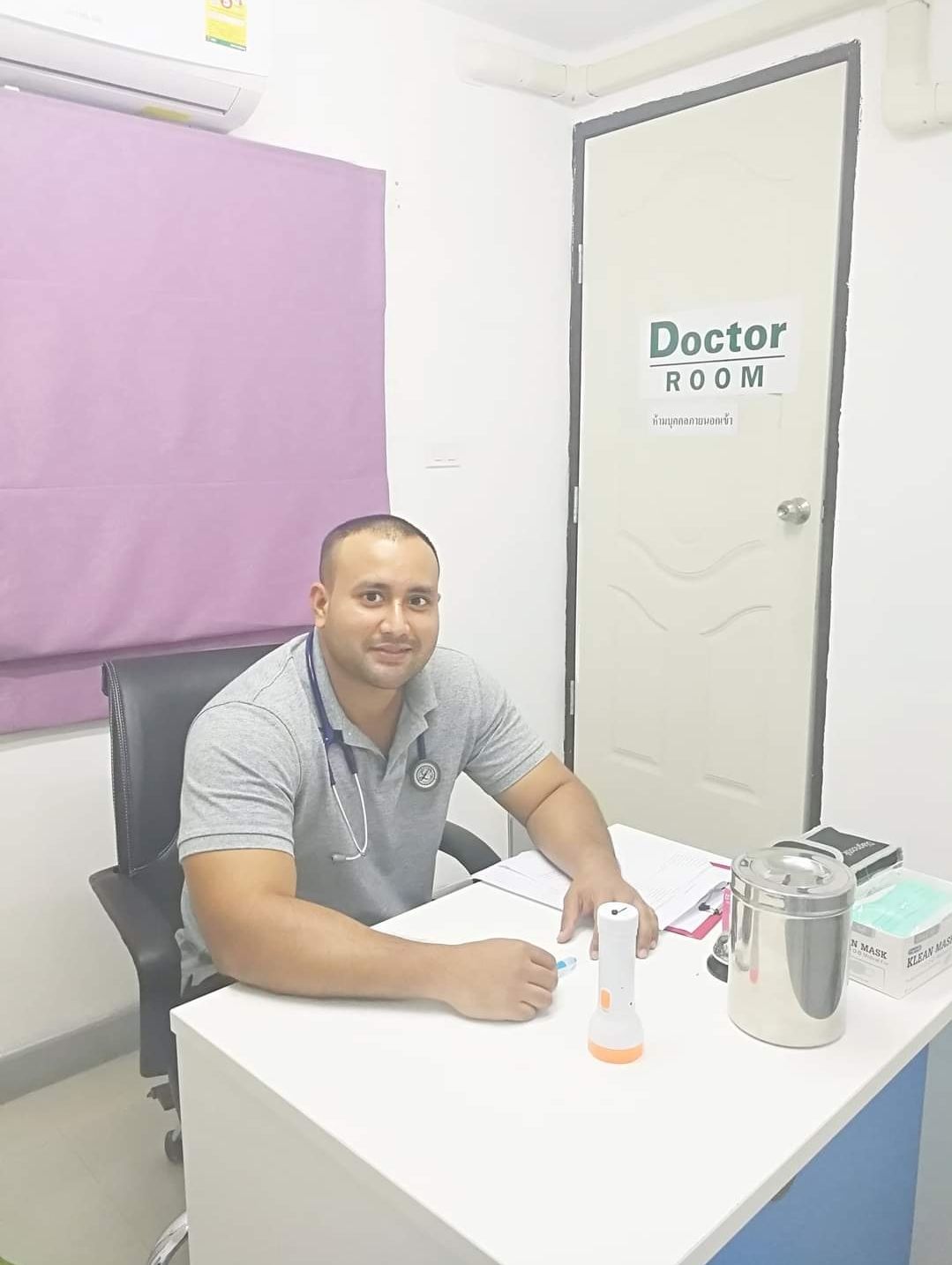
Dr. Ponlawat Pitsuwan is a physician at Doctor Bangkok, a private clinic in central Bangkok. He sees expats, residents, and medical tourists for general medicine, wellness consultations, and IV therapy. His focus is straightforward, evidence-based care delivered in plain language.