
Clinically reviewed by Dr. Ponlawat Pitsuwan, Physician, Doctor Bangkok.
Last reviewed: November 2026
Animal bite infection signs include redness and swelling that worsen after the first 24 hours, pus or cloudy discharge, spreading redness around the bite, red streaks moving away from the wound, and fever. Cat bites carry a higher infection risk than dog bites. Any bite to the hand or face, or from an unknown animal in Bangkok, warrants same-day medical assessment.
You got bitten. Maybe it was a stray dog near Lumphini Park, a temple cat, or a rat in your condo. The wound looked small, you washed it, and now you are deciding whether to come in or wait. Here is the honest answer: the size of a bite tells you almost nothing about infection risk. A tiny cat puncture on your finger is more dangerous than a wide dog scrape on your arm.
The first thing to check is not the wound itself but how it is behaving over time. A bite that is getting redder, warmer, or more swollen after the first day is not settling. It is infecting. This article covers what to look for, when antibiotics are needed, and what Bangkok-specific risks catch most expats off guard.

Recognising Animal Bite Infection Signs
Most bites look worse in the first few hours due to trauma. That is normal. What is not normal is a wound that keeps worsening past 24 hours.
The core animal bite infection signs are redness spreading beyond the wound edges, swelling that grows rather than shrinks, warmth in the skin around the bite, and pus or cloudy discharge. These point to cellulitis, a bacterial skin infection spreading through tissue. Left untreated, it moves fast.
Red streaks extending away from the wound are a more serious sign. This is lymphangitis, an infection spreading along lymph channels toward your body. It looks like a red line running up your arm or leg from the bite. This needs urgent care, not a wait-and-see approach.
Fever after a bite means the infection may no longer be local. If you have a temperature above 38.5°C alongside a worsening wound, you need to be seen the same day. At Doctor Bangkok, we can assess the wound, check for spreading infection, and start treatment without delay.
Why Animal Bites Get Infected
Dog and cat bites commonly introduce Pasteurella multocida, a fast-growing bacterium that can cause severe soft tissue infection within hours. Cats are more dangerous than dogs in this regard. Their needle-like teeth create narrow, deep puncture wounds that seal over quickly, trapping bacteria in warm, airless tissue. In Bangkok, stray cats are everywhere and rarely vaccinated.
Capnocytophaga canimorsus is found in dog saliva and can cause serious illness, especially in people who are immunocompromised, have no spleen, or take steroids. Streptococcal species are also common in bite wound infections.
Rat bites carry specific risks. Streptobacillus moniliformis, the bacterium behind rat-bite fever, can cause fever, joint pain, and rash days after a wound looks healed. Bangkok’s urban rats can also carry Leptospira. Any rat bite should be assessed by a doctor even if the wound looks minor.
Tell your doctor exactly what bit you. The pathogen list changes depending on the animal, and so does the treatment.
Antibiotics for Animal Bite Infections
Not every bite needs antibiotics. But many do, and the decision should be made by a doctor, not guessed at.
Prophylactic antibiotics, given before infection develops, are recommended for high-risk bites. This includes all cat bites, puncture wounds, bites to the hand or fingers, bites in patients who are immunocompromised or diabetic, wounds that cannot be thoroughly cleaned, and bites presenting more than eight hours after the injury.
The standard first-line antibiotic for animal bite infections is amoxicillin-clavulanate. It covers the main organisms in dog and cat bites, including Pasteurella. For patients with a penicillin allergy, alternative regimens exist and a doctor will choose based on bite type, timing, and your allergy history.
Many bite wounds are left open intentionally to allow drainage and reduce infection risk. Closing them too early traps bacteria inside. Suturing decisions depend on wound location, depth, and how much time has passed since the bite.
Tetanus status matters too. If you have not had a tetanus booster in the last five years, or are unsure when you last had one, one is recommended after any animal bite that breaks the skin. Bangkok expats often have no idea when their last booster was. This is worth checking when you come in.
Hand Bites Need Same-Day Care
A bite on the hand is a different clinical problem from a bite on the leg or back. The hand is packed with tendons, joints, and narrow tissue compartments, all close together.
Flexor tenosynovitis is an infection of the tendon sheath in the finger. The signs are a finger that is swollen along its entire length, held in a slightly bent position, painful to straighten, and tender along the tendon line. If you notice these after a bite, do not wait until morning. This is a surgical emergency.
Septic arthritis, infection inside a joint, is another risk when a tooth penetrates close to a knuckle or finger joint. Even a small wound over a knuckle warrants same-day assessment.
If a hand bite is not improving on oral antibiotics within 24 to 48 hours, intravenous antibiotics or surgical drainage may be needed. This is not a wound to manage at home.
Rabies Risk After a Bite in Bangkok
Thailand has endemic rabies. Stray dogs are common throughout Bangkok, and bites from unknown or unvaccinated animals require rabies post-exposure prophylaxis (PEP).
PEP works. It is highly effective when started before symptoms appear. Never wait to see if symptoms develop. By the time rabies symptoms appear, it is too late. At Doctor Bangkok, we provide rabies post-exposure prophylaxis and advise on the full vaccine schedule after any bite from a stray or unknown animal.
Monkey bites are also relevant for expats visiting temples around Bangkok. Monkeys can carry herpes B virus in addition to rabies. Any monkey bite should be assessed the same day.
Pre-exposure rabies vaccination before you are bitten can be arranged through our animal bite infection symptoms page. Pre-exposure vaccination does not eliminate the need for PEP after a bite but simplifies the post-bite schedule.
First Aid Before You Get to the Clinic
Wash the wound with soap and running water for at least 15 minutes. This is not optional. Thorough irrigation is one of the most effective steps you can take at home. After washing, apply povidone-iodine or another antiseptic if you have one available.
Do not close or seal the wound with tape or bandages in a way that blocks drainage. Control bleeding with gentle pressure. If bleeding is heavy, or the wound is on the face, neck, or hand, get to a clinic quickly.
If you need a doctor to come to you, Doctor Bangkok’s doctor-on-call service covers the whole city and reaches your hotel or condo within one hour. For animal bites at night, this is often the fastest option.
For full guidance on what to do after a bite, see our animal bite wound care page.
Bitten by a dog, cat, rat, or any unknown animal in Bangkok? Do not wait for infection signs to develop. Doctor Bangkok is open 24 hours a day, with walk-in care at our Sukhumvit 13 clinic and a doctor-on-call service that reaches your hotel or condo within one hour. We provide wound assessment, irrigation and dressing, antibiotics, tetanus vaccination, and rabies post-exposure prophylaxis. Walk in anytime or call us to have a doctor come to you.
Frequently Asked Questions
Dr. Ponlawat Pitsuwan
Physician, Doctor Bangkok
a private medical clinic in central Bangkok, open 24 hours a day, with a doctor-on-call service that reaches your hotel or condo within one hour. He sees expats, residents, and medical tourists for animal bite assessment, wound care, rabies post-exposure prophylaxis, infection management, and travel medicine. His focus is straightforward, evidence-based care delivered in plain language.
References
- Stevens DL, Bisno AL, Chambers HF, et al. Practice guidelines for the diagnosis and management of skin and soft tissue infections: 2014 update by the IDSA. Clinical Infectious Diseases, 2014.
- World Health Organization. Rabies. WHO Fact Sheet, 2023.
- American Academy of Family Physicians. Dog and Cat Bites: Rapid Evidence Review. American Family Physician, 2023.
- StatPearls. Animal Bites. National Library of Medicine, 2024.
The information in this article is for educational purposes only and does not constitute medical advice. It should not be used to self-diagnose or replace a consultation with a qualified physician. If you have concerns about your health, contact a licensed medical professional. For appointments at Doctor Bangkok, visit doctorbangkok.co.th.
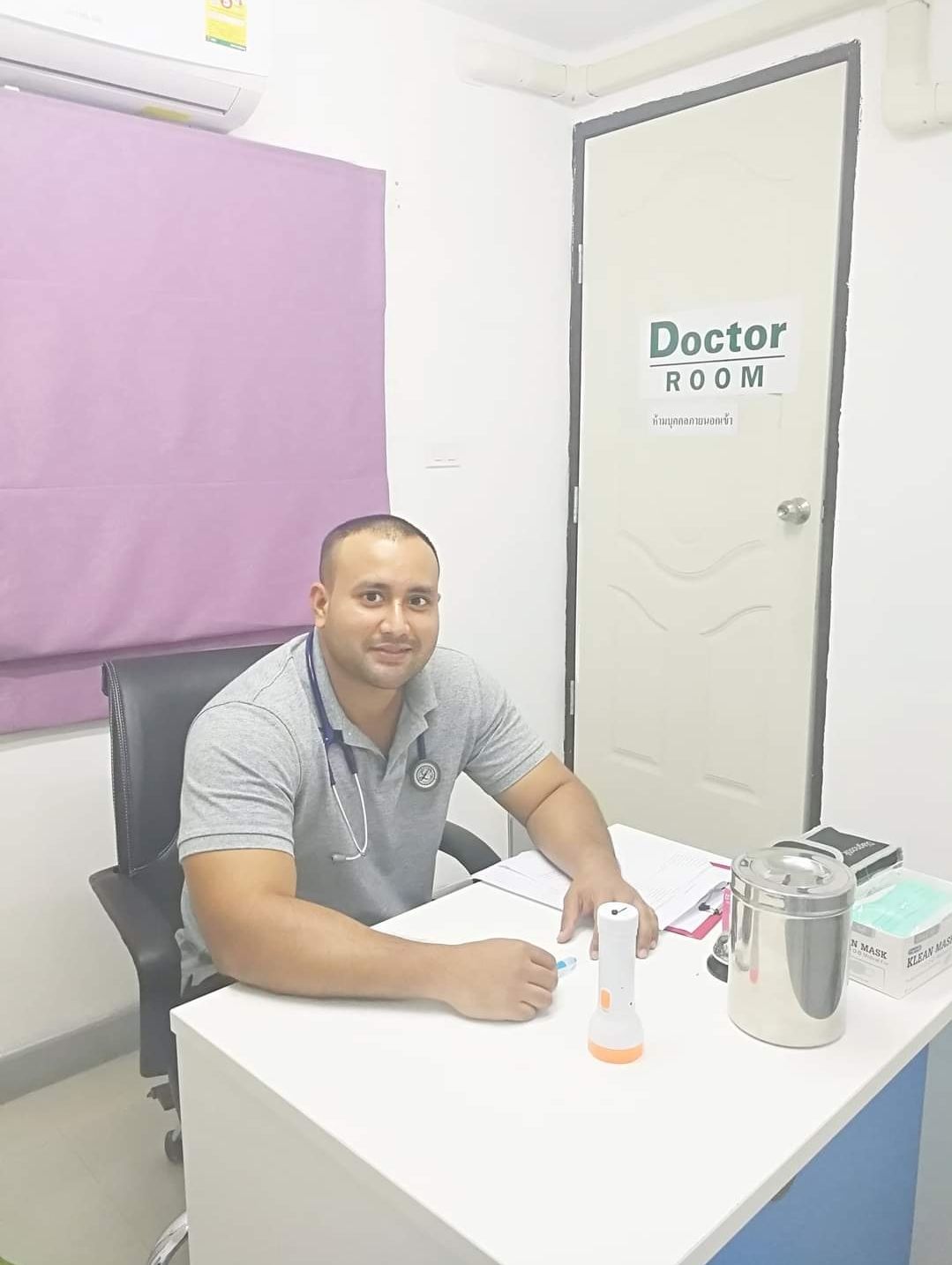
Dr. Ponlawat Pitsuwan is a physician at Doctor Bangkok, a private clinic in central Bangkok. He sees expats, residents, and medical tourists for general medicine, wellness consultations, and IV therapy. His focus is straightforward, evidence-based care delivered in plain language.