
Clinically reviewed by Dr. Ponlawat Pitsuwan, Physician, Doctor Bangkok.
Last reviewed: November 2026
For most athletes who finish a race or fight in Bangkok, oral rehydration works just as well as an IV drip. The evidence for routine sports recovery IV drips is weak. Where IV does make clinical sense is when you cannot keep fluids down, you are severely dehydrated, or you have symptoms a doctor needs to assess. If you are in that situation, physician-supervised IV rehydration can help. If you are not, a good electrolyte drink and rest will do the same job.
You just crossed the finish line at the Bangkok Marathon. It is 7am, the humidity is already closing in, and someone in your group is talking about booking an IV drip. Is it worth it?
The honest answer depends on what shape you are in. For most finishers who are tired but drinking normally, oral rehydration is clinically appropriate and the evidence supports it. IV drips are not useless, but they are not the upgrade they are often sold as. Here is what the evidence actually says, what the anti-doping rules mean for competitive fighters, and when an IV drip does make genuine clinical sense in Bangkok.

Claims vs Evidence for IV Drip Sports Recovery
The main claim for sports IV drips is speed. Fluids go directly into your bloodstream, bypassing digestion. That part is true. What is less clear is whether that speed advantage matters for a healthy athlete who can drink.
A 1993 randomised controlled trial in the Rotterdam Marathon found no significant difference in recovery outcomes between athletes who received IV fluids and those who received a placebo infusion. A 2022 expert editorial in the British Journal of Sports Medicine concluded that there is no scientific evidence that IV nutrition products work for recovery in athletes, and called for a food-first approach.
The base fluid in a sports IV, usually isotonic saline or a balanced electrolyte solution, is clinically effective for genuine dehydration. The add-ins are where the evidence gets thinner.
Vitamins and antioxidants delivered by IV are often marketed as enhancing recovery or reducing muscle soreness. For athletes who are not deficient in these nutrients, the evidence for benefit is limited. Your gut absorbs most vitamins efficiently orally. Bypassing that process via an IV cannula does not make them more effective when your levels are already normal.
There are also real risks. Any IV cannula carries a small risk of infection at the insertion site and a rare risk of blood clot. Fluid overload is possible if volume is not matched to your actual deficit. These risks are low with proper physician supervision but are not zero. This is why it matters who is placing the drip and whether a doctor is assessing you first.
When IV Drip Sports Recovery Actually Makes Clinical Sense
There is a subset of post-race and post-fight presentations where IV rehydration is the right clinical call.
If you are vomiting and cannot keep water down, oral hydration fails by definition. If you are showing signs of severe dehydration, dizziness when you stand, confusion, or no urine output for several hours, that needs medical assessment and likely IV fluids. If you are cramping severely and not responding to oral electrolytes, IV delivery is faster and more reliable.
Bangkok’s conditions make this more relevant than a temperate race. Racing or fighting in 35-degree heat with high humidity accelerates fluid and salt loss. Athletes who underhydrate before an event, or who push through heat and fatigue, can reach a point where IV is the right call. That is a different situation from a well-prepared finisher who crossed the line tired and sweaty but is drinking normally.
If you are unsure which category you are in, that is exactly when seeing a doctor first makes sense. Doctor Bangkok’s doctor-on-call service can come to your hotel within one hour, assess your hydration status, and recommend IV fluids or oral rehydration based on what your body actually needs.
What a Sports Recovery IV Drip Contains
The base fluid is typically isotonic saline or a balanced crystalloid solution. Electrolytes, sodium, potassium, and magnesium, are added to replace what sweat takes out. These components have solid evidence behind them for genuine dehydration.
Many formulas also include B-vitamin complex and vitamin C. For an athlete who has been training hard for weeks, these can be useful. For someone who eats well and is simply tired after a race, the clinical benefit is less clear. At Doctor Bangkok, drip formulas are selected after a physician reviews your symptoms and history, not off a fixed menu. You can read more about what goes into a physician-supervised session on the IV drip Bangkok page.

Anti-Doping Rules on IV Infusions
This section matters if you compete in any sanctioned event.
WADA prohibits IV infusions above 100 mL within any 12-hour period, except for medically justified hospital admissions or clinical investigations. That threshold applies both in-competition and out-of-competition testing periods for athletes in a registered testing pool.
A standard sports recovery drip of 500 mL to 1000 mL exceeds this threshold. Using one without a Therapeutic Use Exemption (TUE) is a doping violation regardless of what the drip contains. The substance inside the bag is not the issue. The method of delivery is.
For Muay Thai fighters, this applies if you compete in sanctioned events governed by an organisation that follows WADA rules. World Boxing adopted its own WADA-aligned anti-doping rules in 2023, voluntarily following the Code’s provisions, and in 2024 delegated its anti-doping programme to the International Testing Agency. If you fight under a sanctioned Thai boxing body that follows those standards, you are subject to testing. A post-weigh-in IV drip before your fight, a common practice for fighters who cut weight, is prohibited without a TUE.
Recreational sparring, gym training, and non-sanctioned amateur events are outside testing pools entirely. The anti-doping rules do not apply in those settings. But if you are unsure whether your event is sanctioned, check before booking anything.
How to Get a TUE if You Need IV Fluids
If you need IV treatment for a genuine medical reason during a competition period, apply for a TUE through your national anti-doping organisation before the event when possible. Emergency TUEs can be granted retrospectively for acute medical need, but documentation from a licensed physician is required. Keep records of any medical treatment received close to competition.
Safer Recovery Options After Racing or Fighting in Bangkok
For the majority of athletes finishing a Bangkok marathon or a Muay Thai session, the evidence-backed recovery approach is straightforward. Rehydrate with an oral electrolyte solution. Eat protein within a few hours to support muscle repair. Sleep. These three steps drive the bulk of your recovery.
Oral rehydration works because a healthy gut absorbs fluids efficiently, particularly with sodium present. Post-exercise protein intake supports the muscle repair your body needs. Sleep is when most of that repair actually happens.
If you want IV rehydration as part of your recovery and you are not in a sanctioned testing pool, that is a reasonable personal choice. The key is physician supervision. A doctor should assess your hydration status, select the right formula, and supervise the infusion. Doctor Bangkok offers this at the clinic on Sukhumvit Soi 13 or through the doctor hotel visit service if you would rather not move after a race.
For non-competitive athletes or expats training regularly in Bangkok’s heat, a physician-supervised drip after a hard session is not harmful and may help you feel better faster. Go in with realistic expectations: it is not a performance enhancer, and it will not undo a week of poor training habits. If you have a health check due alongside your recovery assessment, the same-day health check up at the clinic can be combined with the visit.
Finished a race or fight and not feeling right? Doctor Bangkok is open 24/7 at Trendy Office, Sukhumvit Soi 13. A doctor can also come to your hotel or condo anywhere in Bangkok within one hour. We assess your hydration, run any tests needed, and administer IV fluids when they are clinically indicated. If oral rehydration is enough, we will tell you that too. Contact Doctor Bangkok for sports recovery IV drips, post-race assessment, or any urgent concern after exercise.
Frequently Asked Questions
Dr. Ponlawat Pitsuwan
Physician, Doctor Bangkok
a private medical clinic in central Bangkok open 24/7, with a doctor-on-call service that comes to your hotel or condo within one hour. He sees expats, residents, and medical tourists for IV drip therapy, sports recovery assessment, post-race medical care, and general medical consultations. His focus is straightforward, evidence-based care delivered in plain language.
References
- Polak WG, et al. Effect of intravenous fluid administration on recovery after running a marathon. British Journal of Sports Medicine. 1993;27(3):205-8.
- Lewis NA, et al. Rise of intravenous nutrition products among professional team sport athletes: reasons to be concerned? British Journal of Sports Medicine. 2022.
- World Anti-Doping Agency. Prohibited List 2026: Section M2 Chemical and Physical Manipulation.
- World Boxing. Anti-Doping Rules. Adopted April 2023.
- International Testing Agency. World Boxing entrusts the ITA to design and independently manage a comprehensive anti-doping program for its athletes. October 2024.
The information in this article is for educational purposes only and does not constitute medical advice. It should not be used to self-diagnose or replace a consultation with a qualified physician. If you have concerns about your health, contact a licensed medical professional. For appointments at Doctor Bangkok, visit doctorbangkok.co.th.
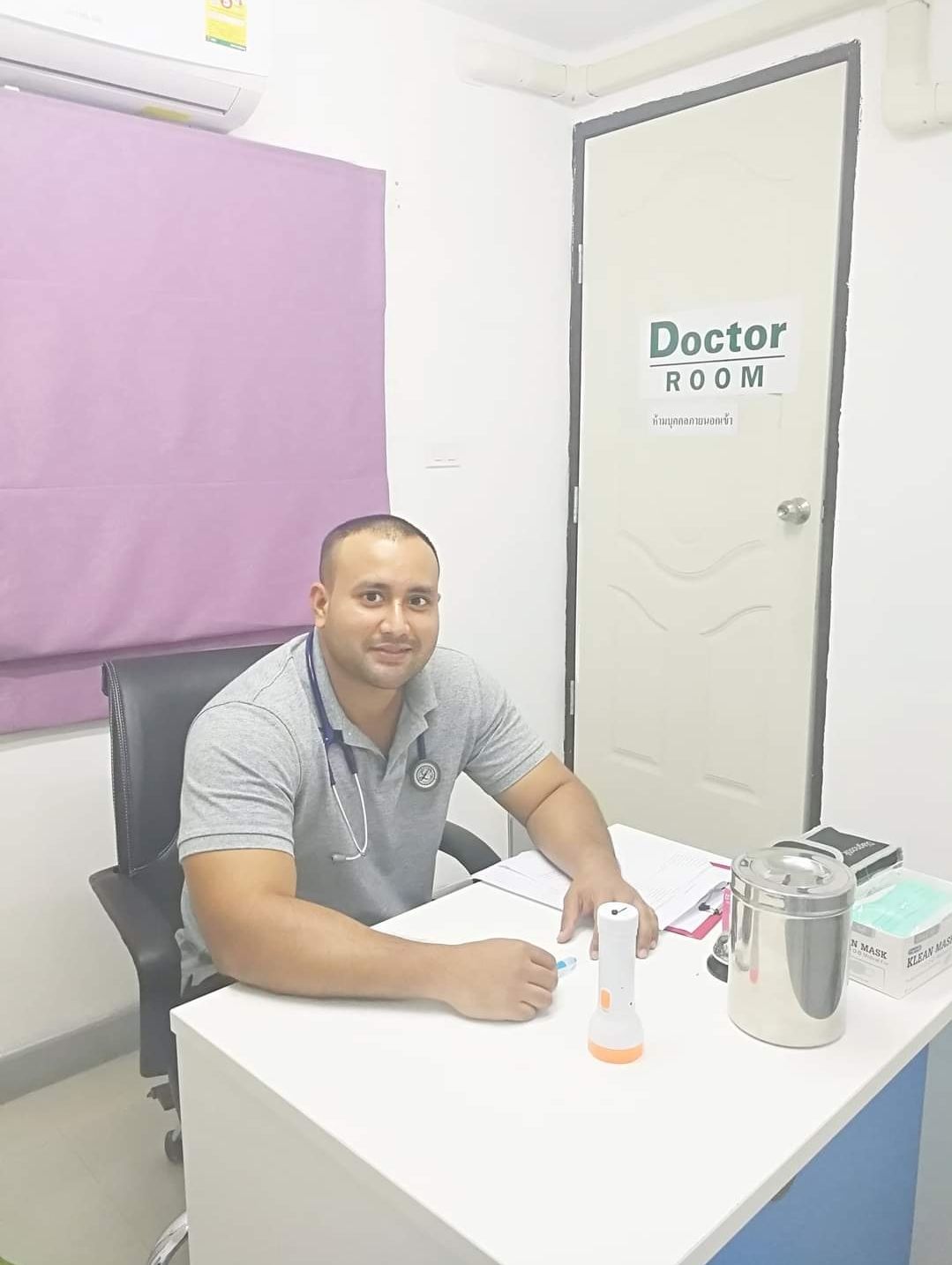
Dr. Ponlawat Pitsuwan is a physician at Doctor Bangkok, a private clinic in central Bangkok. He sees expats, residents, and medical tourists for general medicine, wellness consultations, and IV therapy. His focus is straightforward, evidence-based care delivered in plain language.