
Clinically reviewed by Dr. Ponlawat Pitsuwan, Physician, Doctor Bangkok. Last reviewed: October 2026
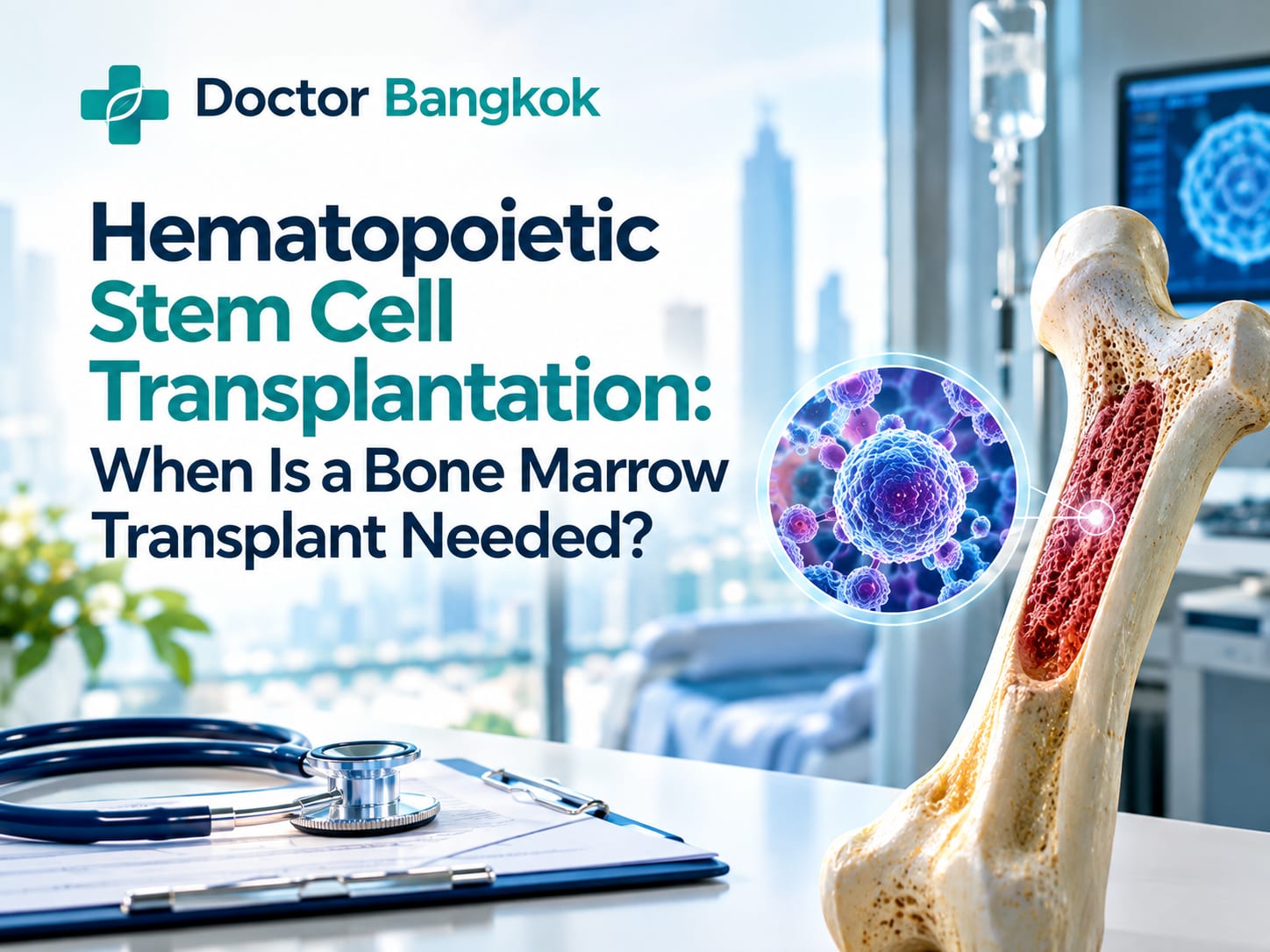
Hematopoietic stem cell transplantation (HSCT), often called a bone marrow transplant, is a treatment for serious blood diseases including leukemia, lymphoma, aplastic anemia, and certain inherited conditions. It works by replacing damaged or diseased blood-forming cells with healthy ones from the patient or a matched donor. Whether you need it depends on your diagnosis, disease stage, and overall health — and getting that answer starts with a specialist assessment.
A patient came in last week with a folder of reports from their oncologist back home. Acute myeloid leukemia, a possible transplant recommendation, and no idea where to begin asking questions in Bangkok. That is not unusual here.
If you or someone close to you has been told that hematopoietic stem cell transplantation might be needed, this guide covers what it is, who needs it, and what the process looks like — especially if you are managing it as an expat or medical tourist in Bangkok.

What Hematopoietic Stem Cell Transplantation Actually Is
Your bone marrow makes the cells that become your blood: red cells, white cells, platelets. When disease damages that system, a transplant replaces the defective cells with healthy ones that can rebuild it.
The term "bone marrow transplant" comes from the original method, which collected cells directly from the marrow. Most transplants today use stem cells taken from the bloodstream or, less commonly, from umbilical cord blood. The goal is the same regardless of source.
This is not the same as stem cell wellness treatments marketed at some Bangkok clinics. HSCT is a regulated, hospital-based procedure for life-threatening blood disorders. Our hematopoietic stem cell transplantation page explains both categories if you want to understand the difference.
Types of Hematopoietic Stem Cell Transplantation
There are two main types. Which one applies to you depends entirely on your diagnosis.
An autologous transplant uses your own stem cells. They are collected before high-dose treatment, stored, then returned to your body afterward. No donor, no rejection risk, faster recovery. This is typically used for multiple myeloma and certain lymphomas.
An allogeneic transplant uses cells from a matched donor. It is more complex, but it brings something called the graft-versus-tumour effect, where the donor’s immune cells actively attack remaining cancer cells. This is the approach for leukemia, bone marrow failure, and inherited blood disorders.
If no fully matched donor is available, a haploidentical transplant using a half-matched family member is now a well-established option. An identical twin donor is called a syngeneic transplant — rare, but worth knowing about.

Conditions That May Require HSCT
The list is broader than most people expect.
Blood cancers are the most common reason: acute myeloid leukemia, acute lymphoblastic leukemia, non-Hodgkin lymphoma, Hodgkin lymphoma, and multiple myeloma are all established indications. Chronic leukemias may also qualify depending on treatment response.
Beyond cancer, HSCT treats aplastic anemia, where the marrow stops producing enough cells. It is also used for thalassemia and sickle cell disease, both prevalent across Southeast Asia. Primary immunodeficiency disorders and some inherited metabolic conditions are further indications.
The key point is this: candidacy depends on disease stage, your overall fitness, and whether suitable donor cells are available. A specialist assessment is the only way to know where you stand.
Finding a Donor — What the Process Involves
For autologous transplants, you are the donor, so this part is straightforward. For allogeneic transplants, the search starts with HLA matching. HLA stands for human leukocyte antigen — think of it as the biological code your immune system uses to identify what belongs in your body. The closer the match, the lower the risk of serious complications.
Siblings have roughly a one-in-four chance of being a match. If no family donor is available, the search moves to international registries. That process takes time, sometimes weeks to months. Cord blood is another option when a matched adult donor cannot be found.
For expats in Bangkok, coordinating this search across borders requires clear communication between your Bangkok team and your care providers at home. Having English-speaking physicians who can read and relay your full record makes that significantly easier.
What Happens Around the Transplant
Before the transplant, you go through a conditioning regimen: high-dose chemotherapy, sometimes with radiation. This clears the diseased marrow and makes room for new cells. Older patients or those with other health conditions may receive a less intensive version, sometimes called a mini transplant, which has expanded the pool of patients who can safely proceed.
The transplant itself is not surgical. The stem cells go in through an IV line, like a blood transfusion. What follows is the engraftment phase, where new cells travel to the marrow and begin producing healthy blood. Infection-fighting white cells typically return to safe levels within two to four weeks, though timelines vary.
The weeks around engraftment are the most vulnerable. Infection risk is high, and close monitoring in a specialist unit is not optional.
Graft-Versus-Host Disease — The Main Complication to Know About
GVHD only happens with allogeneic transplants. The donor’s immune cells recognise the recipient’s tissues as foreign and attack them. Acute GVHD typically appears within the first 100 days. Chronic GVHD can develop later and affect multiple organ systems.
Severity varies widely. Mild GVHD is manageable. Severe GVHD is serious. Immunosuppressive therapy is the main approach to prevention and treatment. A closer HLA match and a well-selected donor reduce the risk from the start.
Post-transplant care is not brief. Long-term monitoring is part of what the process requires.
HSCT Versus Emerging Alternatives
Patients ask this regularly: do I actually need a transplant, given that treatments like CAR T-cell therapy now exist? It is a fair question.
CAR T-cell therapy reprograms your own immune cells to attack cancer and has produced strong results in certain lymphomas and leukemias. For some patients it has replaced the need for transplant. For others it is used as a bridge, or when transplant is not possible. Targeted therapies and newer immunotherapy agents have also changed the picture for conditions that once had transplant as the only option.
The honest answer is that the choice is highly individual. Your diagnosis, prior treatment history, and disease biology all factor in. No article can tell you which path is right. A specialist who has reviewed your full record can.
Navigating HSCT as an Expat or Medical Tourist in Bangkok
Bangkok has capable transplant programs at several major private and public hospitals. What those centres often cannot offer is a first conversation in plain English with someone who has time to sit with your records and explain your options before you commit to anything.
That is the practical role Doctor Bangkok plays. Expats and medical tourists arrive with overseas pathology results, imaging, and oncologist letters. We review what you have, explain the clinical picture clearly, and refer you to the appropriate transplant specialist with a proper handover.
Practical realities matter too. A transplant stay typically runs weeks to months. Visa extensions, insurance coordination with your home-country insurer, accommodation for family, and a continuity plan for when you return home all need to be thought through early. None of it is beyond manageable, but it needs to be planned.
Your First Step — Getting an Assessment That Actually Answers Your Questions
Most people reading this are not at the transplant stage yet. They are trying to understand whether a transplant applies to them and what a realistic path forward looks like.
At Doctor Bangkok, we see patients at exactly this point. You bring what you have — a diagnosis, a set of reports, a question your oncologist answered too quickly — and we work through it in English. We are centrally located, BTS accessible, and able to see you the same day in most cases.
You can read more about our approach to stem cell therapy and HSCT in Bangkok on our dedicated service page.
If you have been told a bone marrow transplant may be needed, or you want to understand your options before your next oncology appointment, Doctor Bangkok offers English-language medical consultations for expats and medical tourists in central Bangkok. Bring your records and we will give you a clear picture of where you stand. We are BTS accessible and available for same-day appointments.
Frequently Asked Questions
Dr. Ponlawat Pitsuwan
Physician, Doctor Bangkok
a private medical clinic in central Bangkok. He sees expats, residents, and medical tourists for general medicine, specialist referrals, and complex medical assessments including oncology navigation and pre-transplant consultations. His focus is straightforward, evidence-based care delivered in plain language.
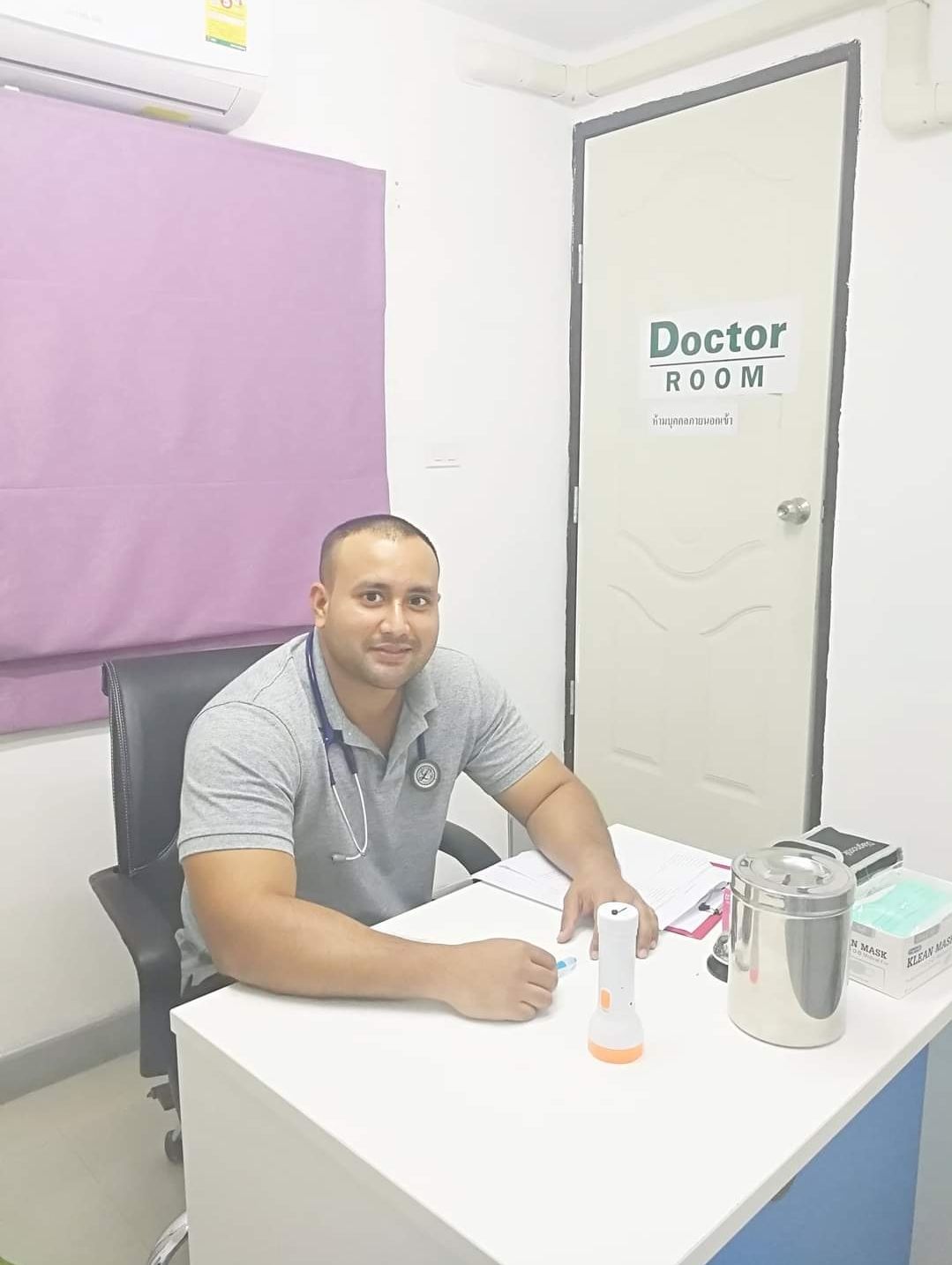
Dr. Ponlawat Pitsuwan is a physician at Doctor Bangkok, a private clinic in central Bangkok. He sees expats, residents, and medical tourists for general medicine, wellness consultations, and IV therapy. His focus is straightforward, evidence-based care delivered in plain language.