
Clinically reviewed by Dr. Ponlawat Pitsuwan, Physician, Doctor Bangkok.
Last reviewed: October 2026
Yes, stem cells decline with age, in both number and quality. The drop begins gradually in your 30s and accelerates after 50. Lifestyle choices can slow this process, but they cannot reverse significant depletion. When your own cells are too depleted to do the job, donor-derived stem cell therapy becomes a clinically rational option.
Patients in their 40s and 50s describe the same thing: the body just stops recovering the way it used to. Injuries linger. Energy drops. Skin loses its resilience. Most have already searched online and found pages full of statistics but not much practical guidance. The short answer is yes, your stem cells are declining, and it starts earlier than most people expect.
What makes this more than a numbers issue is that the cells you have left are also working less effectively. Fewer cells and weaker cells together drive much of how aging actually feels. Some of this is modifiable. Here is what the evidence shows.
What Happens to Stem Cells as You Age
Your body holds stem cells in nearly every tissue. They handle repair, renewal, and keeping organs functioning over time. When you are young, they are plentiful and responsive. Both of those things change with age.
Early in life, roughly one in every ten thousand bone marrow cells is a stem cell. By your 60s, that ratio has dropped to around one in two million. That is a steep fall in raw supply. But the cells that remain are not performing the way younger cells do, either.
Older stem cells accumulate DNA damage, lose their ability to divide efficiently, and produce weaker repair signals. They also move more slowly to sites of injury. Even when cells are present, the response is muted.
It Is Not Just Quantity, Stem Cell Quality Declines Too
This is the part most articles skip. A stem cell’s ability to divide, adapt, and respond to signals declines with age, independently of how many cells are left. An older stem cell is not just rarer. It is also less capable.
Every time a cell divides, the protective caps on its chromosomes get slightly shorter. Eventually the cell stops dividing. On top of that, changes in how genes are switched on and off accumulate over decades and alter how stem cells behave.
The result is a double hit: fewer cells, and the ones remaining are carrying years of molecular wear. Lifestyle can address some of this. It cannot undo what has built up over decades.
The Environment Around Stem Cells Matters More Than Most People Realise
Stem cells do not work in isolation. They depend on the surrounding tissue, chemical signals, and structural support around them. When that environment is healthy, stem cells stay active. When it becomes hostile, stem cell function drops even if the cells themselves are still present.
Chronic low-grade inflammation, which becomes more common with age, floods that environment with signals that suppress stem cell activity. Oxidative stress builds up. Hormonal shifts change the chemical landscape. Two people of the same age can have very different regenerative function because of these differences.
Lifestyle factors that reduce inflammation are not just general health advice. They are directly protecting the environment your stem cells depend on.
Which Stem Cells Are Most Affected by Aging
Different stem cell populations decline at different rates. The blood and immune stem cells in your bone marrow shift with age toward producing certain immune cell types over others, which contributes to immune dysfunction in older adults.
Neural stem cells in the brain region involved in memory decline sharply with age and are especially sensitive to stress hormones like cortisol. Muscle stem cells lose their ability to activate quickly after injury, which is why muscle recovery slows so noticeably after 40. Stem cells that support bone, cartilage, and connective tissue also show reduced potency over time.
No single intervention addresses all of these equally. Keep that in mind when evaluating any therapy claiming broad systemic benefit.
Can Lifestyle Slow Stem Cell Decline
Yes, and the evidence is stronger than most people expect. But it is worth being honest about what lifestyle can and cannot do.
Exercise, particularly high-intensity interval training, can mobilise circulating stem cells and improve the signalling environment in bone marrow. Regular exercise is one of the most consistently supported tools for preserving regenerative function with age. Periods of fasting, typically 16 to 24 hours, activate metabolic pathways that support stem cell output in certain tissues. Sleep quality matters more than most patients realise, because the growth hormone released during deep sleep supports stem cell activity across multiple tissues.
Chronic stress is one of the clearest drivers of accelerated stem cell decline, particularly in the brain. Stress reduction is not optional if this matters to you. What lifestyle cannot do is reverse years of accumulated depletion. It can slow the rate of decline and improve conditions for the cells you have. It cannot replenish what has been lost over twenty years.
When Lifestyle Is Not Enough
This is the conversation I have with patients who have done the lifestyle work and are asking what comes next. When your own stem cells are significantly depleted or functionally impaired, the clinical option is to introduce cells from an outside source.
The most widely used approach in Bangkok is therapy using mesenchymal stem cells derived from umbilical cord tissue. These cells are biologically young, retain high potency, and have not accumulated the DNA damage an adult’s own cells carry. They work primarily by releasing growth factors and anti-inflammatory signals that support tissue repair and immune regulation.
The evidence base for this approach in anti-aging applications is still developing. Clinical trials are ongoing. What is supported is the safety profile and the mechanistic rationale. If you are considering this path, an independent consultation before committing to any protocol is essential. Doctor Bangkok offers stem cell consultations for patients who want clinical guidance before making a significant decision. You can find more detail on our stem cell therapy Bangkok page.
Getting the Right Advice Before Any Stem Cell Protocol in Bangkok
Bangkok has a lot of stem cell clinics. Some are excellent. Some are not. The market includes providers with certified cell sourcing and rigorous quality controls alongside operations that are far less transparent.
Using your own cells and using donor cells are fundamentally different in rationale, risk, and cost. Knowing which is appropriate for your situation requires a proper clinical assessment. Red flags to watch for: any clinic guaranteeing specific outcomes, any provider unable to explain their cell sourcing and certification, any protocol that skips baseline blood work and health screening. Thailand’s Food and Drug Administration regulates advanced therapy medicinal products, but enforcement varies.
An independent medical opinion before you commit is not overly cautious. It is the sensible move. At Doctor Bangkok, we help patients work through this properly, reviewing your current health status, discussing realistic expectations, and giving you the information to make a good decision, not just a fast one. Our regenerative medicine consultations are available to expats, residents, and medical tourists across Bangkok.
Thinking about stem cell therapy in Bangkok, or just want to understand where you actually stand? Doctor Bangkok offers independent consultations for patients considering regenerative medicine. We will review your health status, explain your options honestly, and help you decide if and when clinical therapy makes sense for you. We are centrally located, BTS accessible, and our physicians speak English. Reach out to book a consultation at Doctor Bangkok.
At what age do stem cells start to decline significantly?
The decline starts gradually from your 30s, when bone marrow stem cell concentration begins to drop. The rate accelerates meaningfully after 50, and by 60, both the number and functional quality of stem cells have fallen substantially. There is no single cliff-edge age, which is why earlier lifestyle action tends to produce better outcomes than waiting until you feel the effects.
Does your body ever stop producing stem cells completely?
No. Your tissues retain resident stem cells throughout your lifetime. What changes with age is the quantity, the potency, and the quality of the environment those cells work in. Production does not stop, but it slows significantly and becomes less efficient, which is why recovery and repair take longer as you get older.
Can lifestyle choices actually slow stem cell aging, or is that just marketing?
The evidence for exercise, intermittent fasting, quality sleep, and stress reduction is real and reasonably strong. These interventions can slow the rate of decline and improve the conditions stem cells depend on. What they cannot do is reverse significant depletion that has built up over decades. Lifestyle helps, but it is not a substitute for clinical assessment if you are already noticing the effects of aging.
If my own stem cells are depleted, what are the options?
When your own cells are too depleted or functionally impaired, donor-derived therapy using umbilical cord tissue is the most common clinical option in Bangkok. These cells are biologically young and retain high regenerative potency. Costs vary widely depending on the protocol, so getting independent clinical advice before committing to a provider is important. A consultation at Doctor Bangkok can help you assess whether stem cell therapy is the right step for you.
I am in my 40s, training regularly near Asok, and eating well. Do I still need to worry about stem cell decline?
Probably not urgently, but awareness now is useful. Decline is already underway in your 40s, and the lifestyle you describe is genuinely protective. Knowing your baseline inflammatory markers and overall health status means you can track changes over time rather than waiting until you feel the effects. A general health check at Doctor Bangkok gives you that picture clearly.
How do I find a reputable stem cell clinic in Bangkok without being oversold?
Ask any provider about their cell sourcing, certification, and what baseline assessments they run before treatment. Avoid any clinic that cannot explain these things clearly or that guarantees specific outcomes. An independent consultation at Doctor Bangkok, before committing to a protocol anywhere, gives you a clinical framework that is not tied to selling you a specific therapy.
Dr. Ponlawat Pitsuwan
Physician, Doctor Bangkok
a private medical clinic in central Bangkok. He sees expats, residents, and medical tourists for general health consultations, wellness assessments, and regenerative medicine guidance including stem cell therapy evaluation. His focus is straightforward, evidence-based care delivered in plain language.
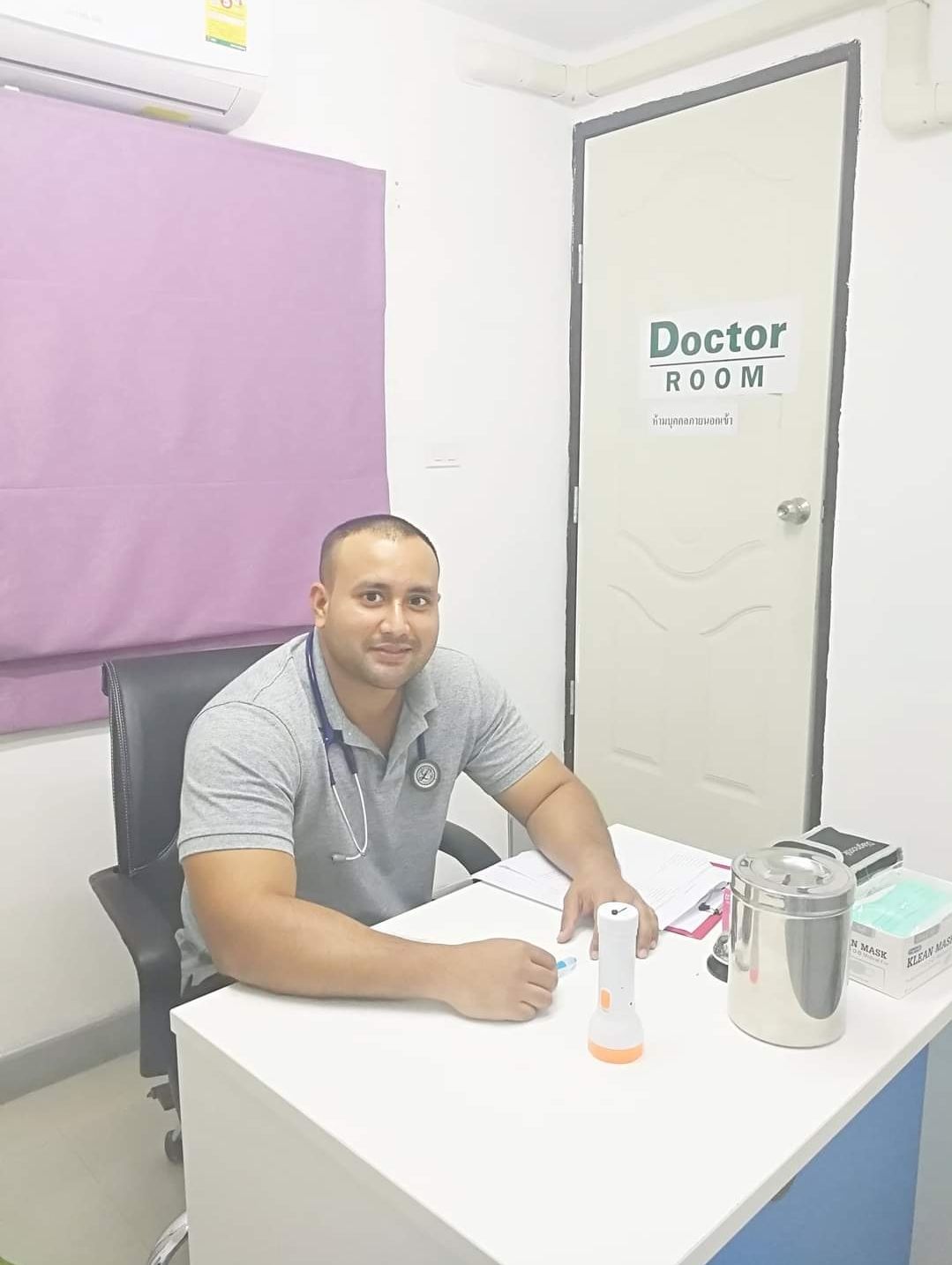
Dr. Ponlawat Pitsuwan is a physician at Doctor Bangkok, a private clinic in central Bangkok. He sees expats, residents, and medical tourists for general medicine, wellness consultations, and IV therapy. His focus is straightforward, evidence-based care delivered in plain language.