

Clinically reviewed by Dr. Ponlawat Pitsuwan, Physician, Doctor Bangkok. Last reviewed: September 2026
Stem cell therapy for Alzheimer’s disease is an active area of research, with early-phase clinical trials showing some promise, particularly in slowing cognitive decline at mild-to-moderate stages. No stem cell treatment has received regulatory approval as a standard therapy for Alzheimer’s. Commercial protocols are available at private clinics in Bangkok, but patients should approach them with realistic expectations and a thorough medical consultation first.
I get asked about this more than almost any other topic right now. Usually it is a son or daughter based in Bangkok, parent newly diagnosed here or back home, looking for something beyond the standard prescription. The question is always some version of: is stem cell therapy actually real for Alzheimer’s, or is it just expensive hope?
The honest answer sits somewhere in between. The science is real, the early trial data is genuinely encouraging in places, and the research is moving faster than most families realise. But no clinic anywhere in the world can offer a cure. What I can do is tell you where the evidence actually stands, what the real limitations are, and what to look for if you are considering a consultation in Bangkok.

What Alzheimer’s Does to the Brain and Why It Is Hard to Treat
Alzheimer’s damages the brain in two main ways. Abnormal protein clumps called amyloid-beta plaques build up between nerve cells. Twisted protein fibres called tau tangles form inside the cells themselves. Together, these cause the connections between brain cells to break down and trigger a sustained inflammatory response that drives ongoing damage.
By the time most patients are diagnosed, a significant amount of that damage has already occurred. That is part of what makes this disease so difficult to treat, and it is why the timing of any intervention matters so much.
Why Existing Treatments Fall Short
Current approved medications, including donepezil and memantine, help manage symptoms. They do not slow or stop the underlying disease. A newer drug called lecanemab, approved in the US in 2023, does target amyloid-beta plaques directly and represents a genuine step forward. But it is expensive, not widely available, carries meaningful side-effect risks, and its clinical benefit remains modest in most patients.
This is the gap that makes stem cell research compelling. Patients and families are not looking for something that softens the edges of Alzheimer’s. They want something that could actually change its course. That is what researchers are working toward. It is not there yet, but the science is getting closer.

The Main Types of Stem Cells Studied for Alzheimer’s Disease
Not all stem cells are the same, and the type matters for both safety and likely benefit. Mesenchymal stem cells, known as MSCs, are the most widely studied in clinical settings. They come from sources including bone marrow, fat tissue, and umbilical cord tissue. They do not carry significant immune rejection risk and appear to reduce neuroinflammation. These are the cells used most often in Bangkok private clinic protocols.
Neural stem cells can develop into brain cell types directly, which sounds appealing, but delivering them safely to the brain remains technically difficult and they are largely in preclinical research. Induced pluripotent stem cells are primarily used in laboratory settings. For practical clinical purposes, MSCs are where the real-world evidence is, and UC-MSCs sourced from umbilical cord tissue are the most commonly used in Bangkok.
Where the Science Actually Stands Right Now
This is the section that separates evidence-based information from marketing copy.
A 2025 Phase 2a trial of laromestrocel, a bone-marrow-derived MSC product published in Nature Medicine, showed signals of slowing cognitive decline and improvements in inflammatory biomarkers in early-stage patients. The University of Miami has been running an hMSC trial in mild-to-moderate Alzheimer’s with safety data showing tolerability and some cognitive stability. The RB-ADSC Phase 2 trial began enrolling in late 2025. UTHealth Houston also initiated a trial targeting presymptomatic individuals, which is a meaningful shift toward earlier intervention.
These are Phase 1 and Phase 2 trials. Researchers are still establishing safety, optimal dosing, and early signals of benefit. Phase 3 trials, which would establish stem cell therapy as a proven standard of care, have not yet completed. Anyone telling you the science is settled is either behind the data or selling something.
Challenges and Limitations That Honest Clinics Will Tell You
The blood-brain barrier is the biggest obstacle. This protective layer limits what can enter the brain, and getting stem cells across it reliably at therapeutic doses remains a real technical challenge. Most current protocols use intravenous infusion or intrathecal delivery, meaning injection into the spinal fluid, with varying evidence for how well cells reach and survive in brain tissue.
Cell viability matters enormously. A poorly stored preparation is unlikely to produce any benefit. There is also a small but real risk of unwanted cell growth if sourcing and preparation are not tightly controlled. The absence of large-scale Phase 3 trials means we still cannot quote confident efficacy figures to patients. That is not a reason to dismiss the therapy. It is a reason to be selective about where and how you pursue it.
What to Look For When Considering a Bangkok Stem Cell Clinic
Stem cell tourism is a real concern. Some clinics in Thailand offer packages without any pre-treatment diagnostic workup, without physician-led protocol design, and without transparent information on cell sourcing or GMP certification. GMP, or Good Manufacturing Practice, certification means the cells were prepared to pharmaceutical-grade standards. Without it, you have no reliable way to know what you are actually receiving.
For Alzheimer’s specifically, UC-MSCs sourced from umbilical cord Wharton’s jelly are the most commonly used at Bangkok clinics. They have a low risk of immune rejection and reasonable evidence for reducing neuroinflammation. The question is not just which cell type is used. It is how the cells are sourced, stored, tested for viability, and delivered. You can review what a properly structured protocol looks like on our stem cell therapy page at Doctor Bangkok.
The biggest mistake I see is families who book a package online, fly in, and only ask the clinical questions after they have already paid. Get the consultation first.
Does Stage of Disease Matter?
Yes, significantly. Current evidence consistently points to early-stage Alzheimer’s as the window where stem cell intervention is most likely to show benefit. When substantial neuronal loss has already occurred, there is less surviving architecture for the cells to support.
Late-stage Alzheimer’s involves a level of brain tissue loss that no current cell therapy can reconstruct. If your family member has been recently diagnosed or is showing early signs, that is the time to get a proper diagnostic workup and have a genuine clinical conversation. Waiting until the disease is advanced limits what any treatment can realistically do.
Having an Honest Consultation for Stem Cells and Alzheimer’s in Bangkok
What I tell patients and families who come in asking about this is straightforward. The science is real, the research is moving, and Bangkok has clinics doing this properly. But it requires the right starting point.
At Doctor Bangkok, a stem cell consultation for Alzheimer’s covers the patient’s diagnosis and staging, current treatment regimen, what outcomes are realistic versus what cannot be promised, and whether the protocol being considered fits their specific presentation. We do not start with a package price. We start with the clinical picture, because the protocol needs to fit the patient.
If you or a family member has received a new diagnosis here in Bangkok, including at one of the major hospitals, we regularly see expats and medical tourists who need a clear second opinion or a clinical conversation before they travel home. Our clinic is centrally located and BTS accessible, which matters when you are fitting this between work and a flight. You can find more detail on our stem cell therapy page and on the full range of consultations available at Doctor Bangkok.
Considering stem cell therapy for Alzheimer’s disease in Bangkok? Doctor Bangkok offers physician-led consultations to help you understand the evidence, assess whether a protocol is appropriate, and ask the right questions before committing to any treatment. Our clinic is centrally located and BTS accessible. Speak with one of our English-speaking physicians for a clear, honest picture of what stem cell therapy can and cannot offer.
FAQ
Dr. Ponlawat Pitsuwan
Physician, Doctor Bangkok
a private medical clinic in central Bangkok. He sees expats, residents, and medical tourists seeking consultations on stem cell therapy, neurodegenerative conditions, and complex medical decisions far from home. His focus is straightforward, evidence-based care delivered in plain language.
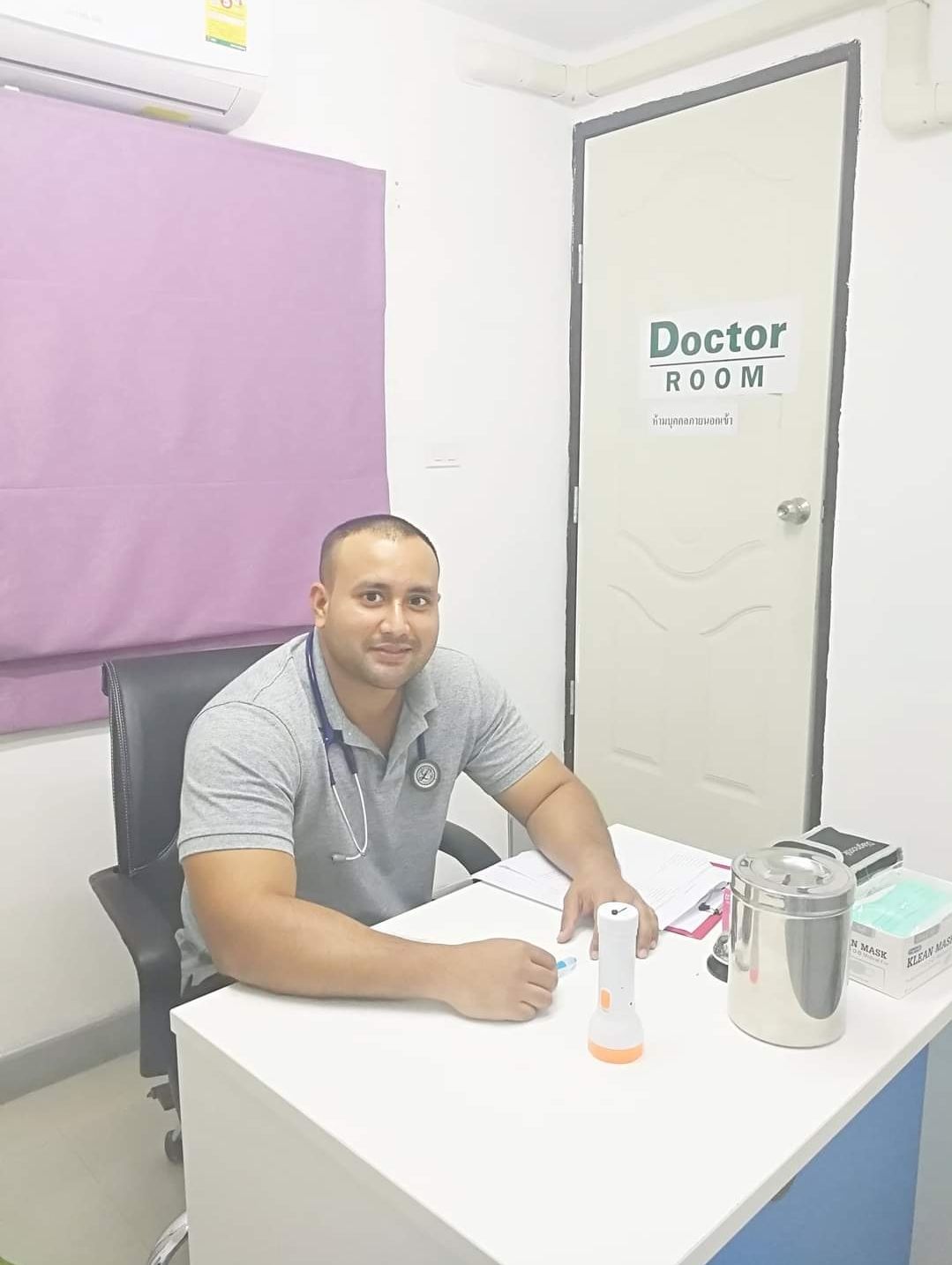
Dr. Ponlawat Pitsuwan is a physician at Doctor Bangkok, a private clinic in central Bangkok. He sees expats, residents, and medical tourists for general medicine, wellness consultations, and IV therapy. His focus is straightforward, evidence-based care delivered in plain language.