
Clinically reviewed by Dr. Ponlawat Pitsuwan, Physician, Doctor Bangkok.
Last reviewed: September 2026
As of 2026, there is no globally approved stem cell treatment for Parkinson’s disease. The most advanced therapies are in early-phase clinical trials and showing real promise, but they are not yet a standard option. Some clinics in Bangkok offer MSC-based protocols privately, and these are very different from what is being tested in trials. Understanding that difference is the most important thing a patient can do before making any decision.
Most patients I see with Parkinson’s disease have already done serious research before they walk through the door. They have read about clinical trials. They have seen Bangkok clinics advertising stem cell therapy. They are not sure what to believe, and honestly, that uncertainty is the right starting point.
The science is real and moving fast. But so is the marketing. What most people want to know is simple: does this work, is it safe, and can I access it here? This article answers all three, without overpromising. I will cover where the research genuinely stands in 2026, what the trials actually showed, what risks you need to know, and how to tell a credible provider from one that is selling hope without substance.

Why Parkinson’s Disease Is a Strong Candidate for Stem Cell Therapy
The core problem in Parkinson’s is the loss of specific cells in a region of the brain called the substantia nigra. These cells produce dopamine, which controls movement. When enough of them die, the motor symptoms appear: tremor, stiffness, slowness.
Because the damage is relatively focused, replacing or supporting those cells is a more realistic goal than it would be for something like Alzheimer’s. That is the case for stem cell research in Parkinson’s, and it is a compelling one. It does not mean we are there yet. It means the target is clear.
There is one unresolved challenge worth knowing about. A protein called alpha-synuclein builds up abnormally in the brains of people with Parkinson’s and contributes to ongoing cell death. Even if transplanted cells survive and produce dopamine, they may eventually face the same process. Current trials are actively working through this problem.
Types of Stem Cells Being Investigated — and Why the Difference Matters
Not all stem cells are the same, and the type matters when evaluating what any clinic is actually offering you.
Induced pluripotent stem cells, or iPSCs, are adult cells reprogrammed to behave like early-stage cells. They can be made from a patient’s own tissue, which reduces rejection risk. They are the basis of the most advanced Parkinson’s trials right now. Embryonic stem cells, or ESCs, are highly potent and were used in one of the landmark 2025 trials, but they require immunosuppression — drugs to stop the body rejecting the transplanted cells.
Mesenchymal stem cells, or MSCs, are the type most commonly offered privately in Bangkok. They do not replace lost neurons. Their proposed benefit is reducing inflammation and supporting the environment around remaining brain cells. That is a real and studied mechanism, but it is a different goal from cell replacement, and patients need to understand that distinction before signing anything.
UC-MSCs, sourced from umbilical cord tissue, are a common form of donor-derived transplant and are widely available commercially. Reputable providers use GMP-certified sourcing and supply a Certificate of Analysis confirming cell quality. If a clinic cannot show you this documentation, that is a problem.
What the 2025 Clinical Trials Actually Showed
Two landmark trials published in Nature in 2025 represent the most advanced human data we have on stem cell treatment for Parkinson’s disease.
The US trial, led by Tabar et al. at Memorial Sloan Kettering, used ESC-derived dopamine-producing neurons transplanted into Parkinson’s patients. The cells survived, released dopamine, and the therapy was well tolerated. Some patients showed tremor reduction. This was a phase I safety trial, not a large efficacy study, but the results are genuinely significant.
The Japanese trial, led by Sawamoto et al., used iPSC-derived cells. At 12 to 18 months, safety was demonstrated and no serious adverse events were reported. A third programme, bemdaneprocel, involves ESC-derived progenitor cells and has shown encouraging safety data through early-phase trials. None of these are available as off-the-shelf treatments. The numbers are small and larger trials are needed before we can draw firm conclusions about who benefits and how much.
What the Current Standard of Care Actually Offers
Before exploring stem cell options, it helps to understand what we reliably have right now. Levodopa remains the most effective medication for motor symptoms and has been for decades. When it stops working as well, or when side effects become difficult to manage, other options come into play.
Deep brain stimulation, or DBS, places electrodes in specific brain regions to reduce abnormal signalling. It is effective for carefully selected patients and is available in Thailand at major centres. It does not stop disease progression, but it can significantly improve daily function.
What both levodopa and DBS address poorly are the non-motor symptoms: cognitive changes, sleep problems, anxiety, and autonomic issues like bladder and bowel dysfunction. These often affect daily life most, especially for expats managing Parkinson’s far from their home support networks. MSC anti-inflammatory mechanisms are being explored for indirect benefit here, but the evidence is limited, and honest providers will tell you so upfront.
Risks, Limitations, and Honest Caveats
Patients deserve a straight account of this. Not every clinic will give you one.
For trial-based therapies using iPSCs or ESCs, real risks exist. Immunosuppression is required for ESC-derived transplants, which carries its own side effects. Whether transplanted cells survive long-term in the brain remains uncertain. Any procedure involving the brain carries surgical risk.
For privately offered MSC protocols, the risks are different. Serious adverse events at poorly regulated facilities have been documented globally, including infection, inappropriate cell delivery, and severe immune reactions. The cells are not the same as what is being studied in the 2025 trials. Patients sometimes arrive expecting neuron replacement and receive something with a different mechanism entirely.
None of this means MSC therapy is worthless or dangerous by definition. It means the evidence is limited and the quality of the provider matters enormously.
How to Evaluate a Stem Cell Provider in Bangkok
Bangkok has credible providers and it has red flags. Knowing the difference is what protects you.
A credible clinic will not quote you a price before reviewing your full medical history and doing a clinical assessment. They will tell you exactly what cell type is being used, where it comes from, and show you GMP certification and a Certificate of Analysis. They will explain what outcome they are targeting and what the evidence base is. They will have a physician who is accountable for your ongoing care.
Red flags include guaranteed outcomes, package pricing before assessment, bundling of stem cells with unrelated treatments without explanation, and no clear disclosure of the cell type or dose. If a clinic presents stem cell therapy for Parkinson’s as an established, approved treatment, that is not accurate as of 2026 and it should concern you.
My consistent advice is this: get an independent medical consultation before committing to any protocol. Bring your imaging, your neurologist’s notes, and your current medication list. Understand exactly what you are agreeing to.
How Doctor Bangkok Can Help You Navigate This
At Doctor Bangkok, we do not offer stem cell therapy as a direct procedure. But we work with patients navigating exactly this decision every week, and we see a lot of expats managing Parkinson’s without their home neurologist nearby.
If you are considering stem cell therapy in Bangkok and want an independent clinical assessment first, that is something we can provide. We review your current disease status, your medications, and your goals. We help you understand what the research actually supports and what questions to ask any provider you are evaluating.
For patients who are appropriate candidates after proper assessment, we can connect you with credible Parkinson’s stem cell clinical trial pathways rather than leaving you to navigate provider claims alone. Having a trusted independent clinical voice before you commit to anything is not a small thing. That is what we are here for, without the sales pressure.
If you are exploring stem cell treatment for Parkinson’s disease and want an honest clinical assessment first, Doctor Bangkok offers independent medical consultations for patients at any stage of that decision. We are BTS accessible, English-speaking, and we will not push you toward any treatment you do not fully understand. Book a consultation at Doctor Bangkok and get the clarity you need before committing to anything.
FAQ
Dr. Ponlawat Pitsuwan
Physician, Doctor Bangkok
a private medical clinic in central Bangkok. He consults with expats, residents, and medical tourists on general medicine, health assessments, and clinical guidance on specialist treatment options including stem cell therapy evaluation. His focus is straightforward, evidence-based care delivered in plain language.
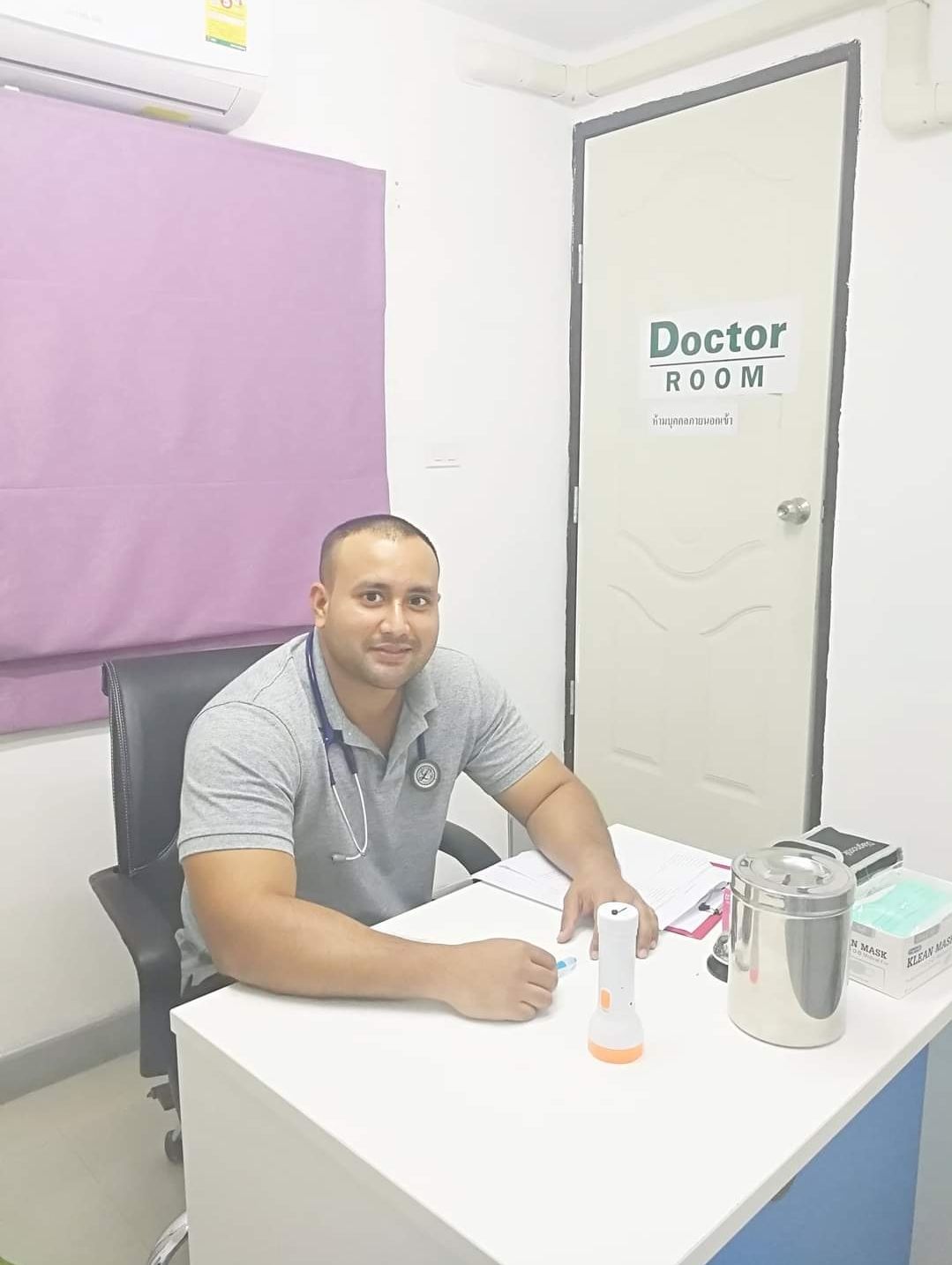
Dr. Ponlawat Pitsuwan is a physician at Doctor Bangkok, a private clinic in central Bangkok. He sees expats, residents, and medical tourists for general medicine, wellness consultations, and IV therapy. His focus is straightforward, evidence-based care delivered in plain language.