
Clinically reviewed by Dr. Ponlawat Pitsuwan, Physician, Doctor Bangkok.
Last reviewed: September 2026
Two types of stem cell therapy are used for multiple sclerosis: HSCT, an intensive hospital procedure with the strongest clinical evidence, and MSC infusion, an outpatient protocol that is still experimental. Most private clinics in Bangkok offer MSC infusions, not HSCT. Before committing to any treatment, a proper clinical assessment is essential. Cost, convenience, and a clinic’s marketing are not substitutes for that evaluation.
I see MS patients here more often than most people expect. Some have been living in Bangkok for years without consistent neurological care. Others fly in with a short window and a stack of questions. What they share is this: they have read a lot of confusing, promotional content before walking through my door, and they are not sure who to trust.
The honest starting point is this. Stem cell therapy for multiple sclerosis is real, it is developing, and for the right patient it can genuinely matter. It is also a field full of clinics making promises they cannot back up. Here is what the evidence actually shows, what questions to ask, and what to do before you commit to anything.

Multiple Sclerosis: Types, Progression, and Where Current Treatment Falls Short
MS is a condition where your immune system attacks the myelin, the protective coating around nerve fibres in your brain and spinal cord. Over time, this causes areas of damage that disrupt signals between your brain and the rest of your body.
There are three main patterns. Relapsing-remitting MS, called RRMS, is the most common and involves symptoms that come and go. Secondary progressive MS follows a relapsing phase and involves steady worsening. Primary progressive MS worsens from the start without clear relapses.
This distinction matters a great deal for stem cell therapy. The type you have directly affects which treatment may help you and how much. Disease-modifying therapies can slow progression and reduce relapses in RRMS but are less effective for progressive forms. For patients whose disease keeps breaking through despite those therapies, this is where stem cell treatment for multiple sclerosis starts to enter the conversation.
HSCT vs MSC Therapy: Two Very Different Approaches
This is the single most important distinction most clinic websites fail to explain clearly, so I want to be direct about it.
Autologous haematopoietic stem cell transplantation, known as aHSCT, uses chemotherapy to switch off your immune system, then rebuilds it using your own stem cells. It requires hospitalisation and a full medical infrastructure. The evidence behind it for active RRMS is the strongest we have in this field, based on multiple clinical trials. It is not available at private outpatient clinics in Bangkok.
MSC infusion uses mesenchymal stem cells, often sourced from umbilical cord tissue, delivered by intravenous drip in an outpatient setting. It is lower intensity and the evidence is still developing. Most clinical trials show it is safe and tolerable, but results vary and it is not yet a proven standard treatment.
When you see a Bangkok clinic advertising stem cell therapy for MS at a day-clinic price point, they are almost certainly offering MSC infusion, not HSCT. Ask directly. A credible provider will tell you exactly which protocol they use and why.
Am I a Good Candidate? What the Evidence Actually Says
For HSCT
HSCT has the strongest evidence in patients with active RRMS, typically under 55, who have had breakthrough disease despite at least one disease-modifying therapy. Active disease is usually confirmed by MRI findings or by clinical relapses. Patients with advanced disability, major organ problems, or active infection are generally not good candidates.
For MSC Therapy
MSC therapy is being studied across MS subtypes, including progressive forms where HSCT evidence is weaker. Early research is cautiously promising, but it remains experimental. A physician will look at your EDSS score, which is the standard disability scale used in MS and runs from 0 to 10, alongside your MRI findings, how long you have had MS, and your overall health.
Breakthrough disease activity despite current treatment is one of the clearest signals that a patient should be exploring more aggressive options. If your MS is stable and well-managed, that is a different conversation entirely.
No responsible clinic should offer you a treatment recommendation before reviewing your full history. At Doctor Bangkok, we start with a consultation that covers your records, current medications, and recent imaging before any protocol is discussed.
Risks, Limitations, and Red Flags: How to Spot a Legitimate Clinic
HSCT carries significant risks, including serious infection during the period when your immune system is suppressed and potential strain on major organs. These are manageable in a properly equipped facility, but they cannot be handled safely in a private day-clinic setting.
MSC therapy is generally better tolerated. Common side effects include temporary fatigue and mild fever. Serious adverse events are less common, but they have occurred at unregulated facilities. Long-term monitoring for infection risk and rare complications is a standard part of responsible MSC care.
The problem of stem cell tourism in Southeast Asia is well documented. Clinics have offered unproven protocols at high cost with no follow-up, no GMP-certified cell sourcing, which means cells produced under verified quality standards, and no proper candidate screening. Major neurology organisations have published warnings about this.
Red flags to watch for: a price quote before any review of your medical history. No clear answer on where the cells come from or whether the source is GMP-certified. No mention of post-treatment MRI monitoring or follow-up. Guaranteed outcomes. Any of these should stop you immediately.
Why Expats in Bangkok Are Well-Placed to Explore This, and What to Do First
Bangkok has a genuine advantage for expats and medical tourists: access to private medical care at reasonable cost, English-speaking physicians, and modern facilities. Thailand’s Ministry of Public Health regulates which clinics can legally offer stem cell therapies, and sanctioned providers operate within a defined framework.
The challenge I see regularly is patients arriving without the right paperwork. No recent MRI, no disease history summary, no clarity on their current EDSS score. Without this, no clinic can honestly assess you. It also makes it harder to coordinate with your neurologist at home, which you should absolutely be doing.
If you are an expat who has not had proper MS care in a while, or a medical tourist planning a short visit, the right first step is a consultation to organise your records, understand what additional workup is needed, and get an honest clinical view on whether you are a suitable candidate. Our stem cell therapy service is designed exactly for this, including for patients who want to understand their options before committing to any protocol.
What to Expect: Consultation, Protocol, and Follow-Up
A responsible pre-treatment process includes a full medical history review, recent MRI results, blood tests, and a discussion of your current medications and disease status. This is not optional. It is how a clinician decides whether you are suitable and which protocol makes sense.
For MSC infusion in Bangkok, treatment itself is typically outpatient. You receive the infusion over a few hours, then rest briefly before leaving. Most protocols involve multiple sessions, though frequency and dose vary by provider and patient.
Post-treatment MRI monitoring is important. It is how we track whether lesion activity is changing and whether disability is stabilising. You also need a plan for who manages your MS care when you return home, and that plan should be in place before you leave Bangkok. Doctor Bangkok can assist with follow-up coordination and ongoing monitoring for patients who are in the city or returning for review.
If you have multiple sclerosis and are considering stem cell therapy in Bangkok, the first step is a clinical consultation, not a quoted price. At Doctor Bangkok, our English-speaking physicians review your full history, current disease status, and imaging before discussing any protocol. We work with expats based in Bangkok and medical tourists planning a short visit. To learn more, visit our stem cell therapy page or contact us directly to arrange an appointment.
What is the difference between HSCT and MSC therapy for multiple sclerosis?
HSCT uses chemotherapy to reset your immune system and rebuild it using your own stem cells. It is intensive, hospital-based, and has the strongest clinical evidence for active RRMS. MSC infusion uses cells typically derived from umbilical cord tissue and is delivered as an outpatient drip. Most Bangkok private clinics offer MSC infusions, not HSCT. Always ask which one you are being offered before agreeing to anything.
Am I a good candidate for stem cell therapy if I have progressive MS?
HSCT evidence is strongest for active relapsing-remitting MS, not progressive forms. MSC therapy is being studied in progressive MS, but results are still early. Your EDSS score, MRI findings, and disease history all matter, and candidacy needs to be assessed by a physician who has reviewed your actual records.
How does the cost of stem cell treatment for multiple sclerosis in Bangkok compare to the UK or USA?
HSCT in the USA can cost well over USD 100,000 and is rarely covered by insurance. Bangkok private clinics offer MSC infusion protocols at significantly lower cost, but the cheapest options often reflect lower cell doses, unverified sourcing, or minimal follow-up care. No credible provider should give you a firm price before a clinical assessment.
Is stem cell therapy for MS safe, and what are the main risks?
HSCT carries real risks including serious infection and blood count complications, which can only be managed safely in a fully equipped hospital. MSC therapy is generally better tolerated, with mild fatigue and temporary fever being the most common side effects. Serious adverse events have been documented at unregulated clinics, which is why GMP-certified cell sourcing and proper medical oversight are basic requirements, not optional extras.
I am an expat in Bangkok and have not had MS care in a couple of years. Can I still explore stem cell therapy?
Yes, but a proper assessment comes first. A physician needs to know your current disease status, which means recent MRI, blood work, and a review of your history. Arriving without this makes it impossible for any clinic to advise you responsibly. Start with a consultation, get your records in order, and then the conversation about options can begin.
I have a week in Bangkok. Is that enough time for a consultation and to start treatment?
A week is enough time for a consultation, initial workup, and to begin an MSC infusion protocol if you are assessed as suitable. What it is not enough time for is skipping the assessment. You also need a follow-up plan for when you leave, including who monitors your MRI and manages your MS care at home. Plan that before you arrive.
What follow-up care do I need after stem cell therapy for MS in Bangkok?
Post-treatment MRI monitoring is standard, ideally within three to six months. You should also have regular blood checks and a neurologist reviewing your progress, whether in Bangkok or back home. A good clinic will help you plan continuity of care before treatment starts, not leave you to figure it out on your way to the airport.
Dr. Ponlawat Pitsuwan
Physician, Doctor Bangkok
a private medical clinic in central Bangkok. He sees expats, residents, and medical tourists for general medical care, health assessments, and [stem cell therapy consultations](https://doctorbangkok.co.th/stem-cell-therapy-bangkok/), including patients exploring treatment options for multiple sclerosis. His focus is straightforward, evidence-based care delivered in plain language.
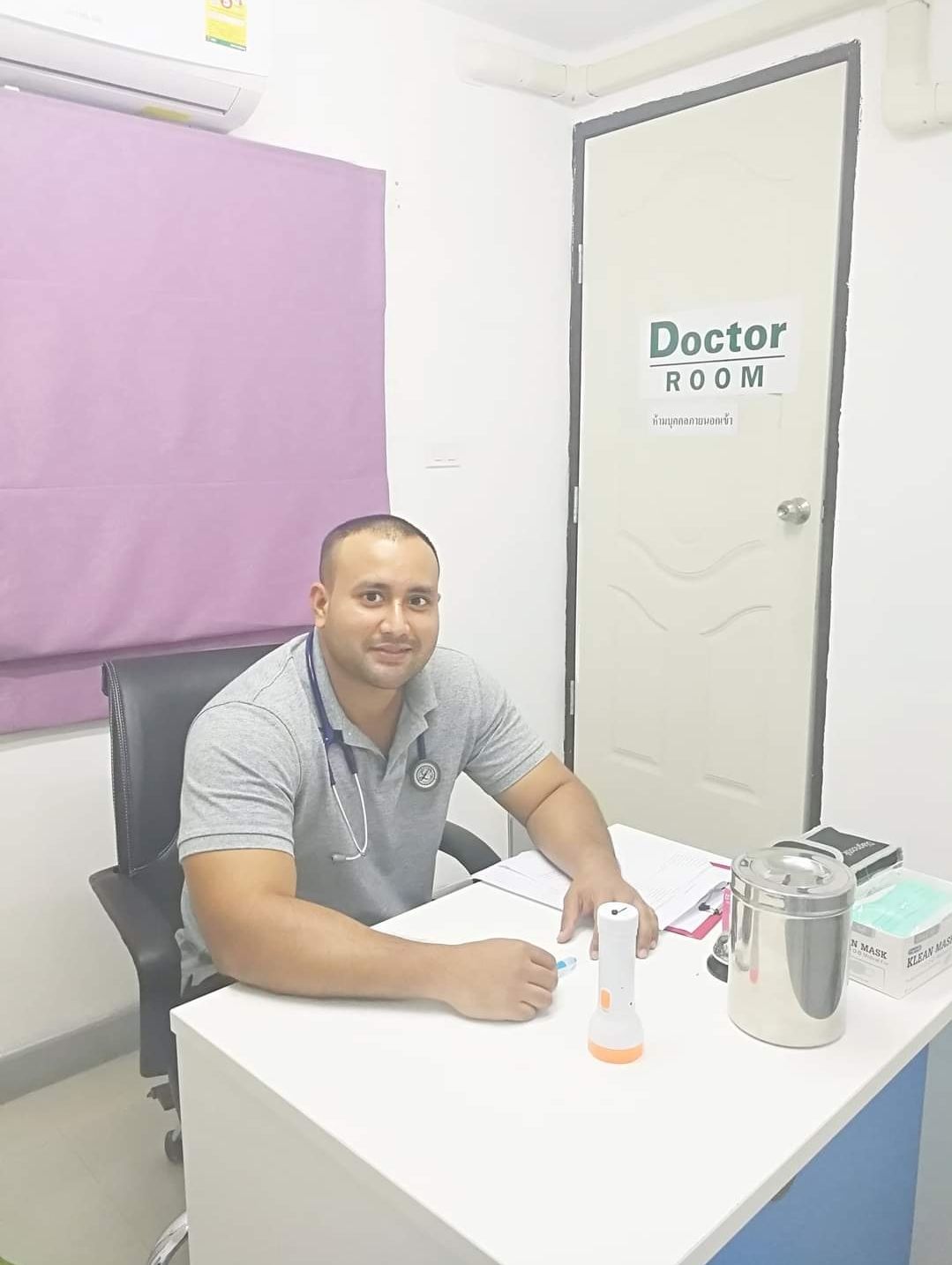
Dr. Ponlawat Pitsuwan is a physician at Doctor Bangkok, a private clinic in central Bangkok. He sees expats, residents, and medical tourists for general medicine, wellness consultations, and IV therapy. His focus is straightforward, evidence-based care delivered in plain language.