
Clinically reviewed by Dr. Ponlawat Pitsuwan, Physician, Doctor Bangkok. Last reviewed: September 2026
Autologous stem cells come from your own body. Allogeneic stem cells come from a screened donor. Both are used in regenerative medicine in Bangkok, but they suit different patients, different conditions, and different timelines. Which one is right for you depends on your age, your health, and how long you have in Thailand. A physician assessment before you book anything is essential.
I see patients asking about stem cell therapy more than almost any other wellness topic right now. Most arrive having done a lot of reading but still unsure what they are actually signing up for, especially when one clinic says "use your own cells" and another says "donor cells are better." Both can be right, depending on who you are.
The key split is autologous versus allogeneic. Autologous means the cells come from you. Allogeneic means they come from a donor. These two approaches carry different risks and suit different patients. If you are trying to decide between them, or just trying to figure out whether stem cell therapy is worth exploring at all, here is what the research actually shows.

How Stem Cells Work in the Body
Stem cells are not repair kits that replace damaged tissue the way a mechanic replaces a part. Once introduced into the body, these cells release signalling molecules that prompt your own tissues to reduce inflammation and begin repair. It is the cells talking to your body’s existing systems rather than substituting for them.
Mesenchymal stem cells, commonly called MSCs, are the type most used in regenerative medicine in Bangkok. They can also help calm an overactive immune response, which is part of why they are used in autoimmune conditions and chronic inflammation. The benefit is indirect, not a direct cellular replacement. That distinction matters when you are deciding what to expect.
Autologous Stem Cells: Using Your Own Biology
Autologous therapy starts with collecting tissue from your own body, most often fat tissue from around the abdomen. Fat is a practical source because it contains a high concentration of MSCs. From there, the lab isolates the stem cells along with other supportive cells.
In some protocols, those cells then go through expansion in a laboratory to increase the number. This takes time, often several weeks. Then you return for the infusion. For an expat or medical tourist, this multi-visit timeline is something you need to plan around before you book flights.
The main advantage of autologous therapy is immune compatibility. Your body recognises its own cells and does not mount a rejection response. The main limitation is cell quality. As we age, our stem cells lose potency. If you are older or managing a chronic condition, your own cells may not perform as well as younger donor cells would. This is a genuine clinical trade-off, and it is one to discuss directly during assessment.
Allogeneic Stem Cells: Donor Cells, Broader Access
Allogeneic MSCs come from a screened external donor. The most common sources in regenerative medicine are umbilical cord tissue and sometimes placental tissue. These sources yield young, potent cells from donors at the healthiest stage of life.
The concern most patients raise immediately is rejection. In bone marrow transplants for leukaemia, that risk is real and can be severe. But MSCs used in regenerative settings behave differently. They carry limited surface proteins that trigger immune recognition, making serious immune reactions uncommon in clinical practice. The evidence to date supports their safety profile, though long-term data is still accumulating.
The practical advantage of allogeneic therapy is availability. Donor cells are prepared in advance, stored in a certified laboratory, and can be given in a single visit or a short treatment programme. This suits the expat or medical tourist who cannot return to Bangkok three times over two months. The trade-off is that you are relying on the quality and sourcing standards of the clinic’s supplier, which is why asking the right questions matters.
Side-by-Side: Autologous vs Allogeneic Stem Cells at a Glance
| Factor | Autologous | Allogeneic |
|---|---|---|
| Cell source | Your own body (fat, blood) | Screened external donor (cord, placenta) |
| Immune rejection risk | Very low | Low for MSCs; higher for haematopoietic transplants |
| GvHD risk | None | Very low for MSCs; significant for bone marrow transplants |
| Treatment timeline | Multiple visits over weeks | Often single visit or short programme |
| Cell potency | Declines with age and illness | Consistent; sourced from young, healthy donors |
| Suited for | Younger, healthier patients with time in Bangkok | Older patients; complex conditions; shorter stays |
| Evidence base | Moderate for MSC regenerative use | Moderate to strong for haematological; moderate for MSC regenerative use |
| Cost profile | Variable; laboratory expansion adds cost | Often streamlined; off-the-shelf pricing |
Which Type Is Right for You
The honest answer is that it depends on several things. Age matters. If you are under 50 and in good general health, your own cells are likely viable and immune compatibility is a genuine advantage. If you are older or dealing with significant inflammation, diabetes, or autoimmune conditions, donor-sourced cells from a young, screened donor often give a more consistent result.
Your timeline in Bangkok matters too. Autologous therapy is not a one-appointment procedure. Collection, laboratory processing, and infusion are separate steps spread over weeks. If you are visiting for a short medical trip, allogeneic therapy is often the more practical option.
The condition you are addressing also shapes the decision. For joint health and osteoarthritis, there is moderate evidence for both types. For autoimmune and inflammatory conditions, the immunomodulatory properties of allogeneic MSCs are often the priority. For general anti-aging and wellness, either approach can fit within a broader programme when assessed properly.
What I recommend before any patient commits is a proper clinical assessment. A blood panel, a conversation about your goals and timeline, and a clear-eyed look at what the evidence does and does not support for your specific situation. At Doctor Bangkok, that is where we start, not with a package.
Stem Cell Therapy in Bangkok: Regulatory Context
Thailand does permit stem cell therapy, but the regulatory picture is not simple. The Thai FDA classifies stem cell products as biological products. Approved hospital-based protocols exist, but many clinics operate in a grey area, offering treatments that are technically investigational rather than formally approved for the claimed indication.
This does not mean every clinic offering stem cell therapy in Bangkok is unsafe. It means you need to ask the right questions. Is the clinic affiliated with a licensed hospital or operating under a Thai FDA-registered facility? Are cells produced in a GMP-certified laboratory? GMP stands for Good Manufacturing Practice, the quality standard that governs how biological products are made. A clinic that cannot answer these questions clearly is a clinic to be cautious about.
What to Ask Any Bangkok Clinic Before You Commit
Cell viability is the number that tells you whether the stem cells you are receiving are still active and functional at the point of infusion. Any reputable clinic should be able to share this figure. Ask for it. You should also ask for sterility testing records, endotoxin testing, and cell identity confirmation.
Ask who oversees the procedure. Stem cell therapy should be physician-led, not delegated to wellness staff without a doctor present. Ask what the protocol is if something goes wrong. Ask whether the clinic has a follow-up structure, not just a single appointment and a handshake.
For allogeneic products, ask about donor screening. What tests were performed? Were they screened for infectious diseases and genetic conditions? These are reasonable questions and a quality clinic will welcome them. If a clinic deflects or cannot produce documentation, look elsewhere.
What Happens After Treatment: Setting Realistic Expectations
Most patients do not feel an immediate change, and that is normal. Some notice reduced joint pain or improved energy within four to eight weeks. Others take longer. A small number see minimal response, and that outcome, while disappointing, does exist. Results are not guaranteed, and any clinic that promises them is worth questioning.
Follow-up matters. A review at four to six weeks gives a baseline for what is changing. For expats who return home after treatment, remote follow-up by video consultation is a practical option. For medical tourists, coordinate with your home physician before you leave so they are informed and involved in your ongoing care.
Some patients ask about repeat dosing. The evidence on optimal dosing intervals is still developing. In current practice, repeat infusions are sometimes offered at six to twelve month intervals based on clinical response.
If you are considering stem cell therapy in Bangkok and want a straightforward clinical assessment before you commit, Doctor Bangkok offers physician-led consultations for expats and medical tourists. We will review your health status, explain your options honestly, and tell you what the evidence does and does not support for your specific situation. We are BTS accessible, English-speaking, and we do not start with a package. We start with your health. Contact Doctor Bangkok to book your consultation.
FAQ
Dr. Ponlawat Pitsuwan
Physician, Doctor Bangkok
a private medical clinic in central Bangkok. He sees expats, residents, and medical tourists for general medical consultations, health assessments, and guidance on regenerative medicine and wellness treatments. His focus is straightforward, evidence-based care delivered in plain language.
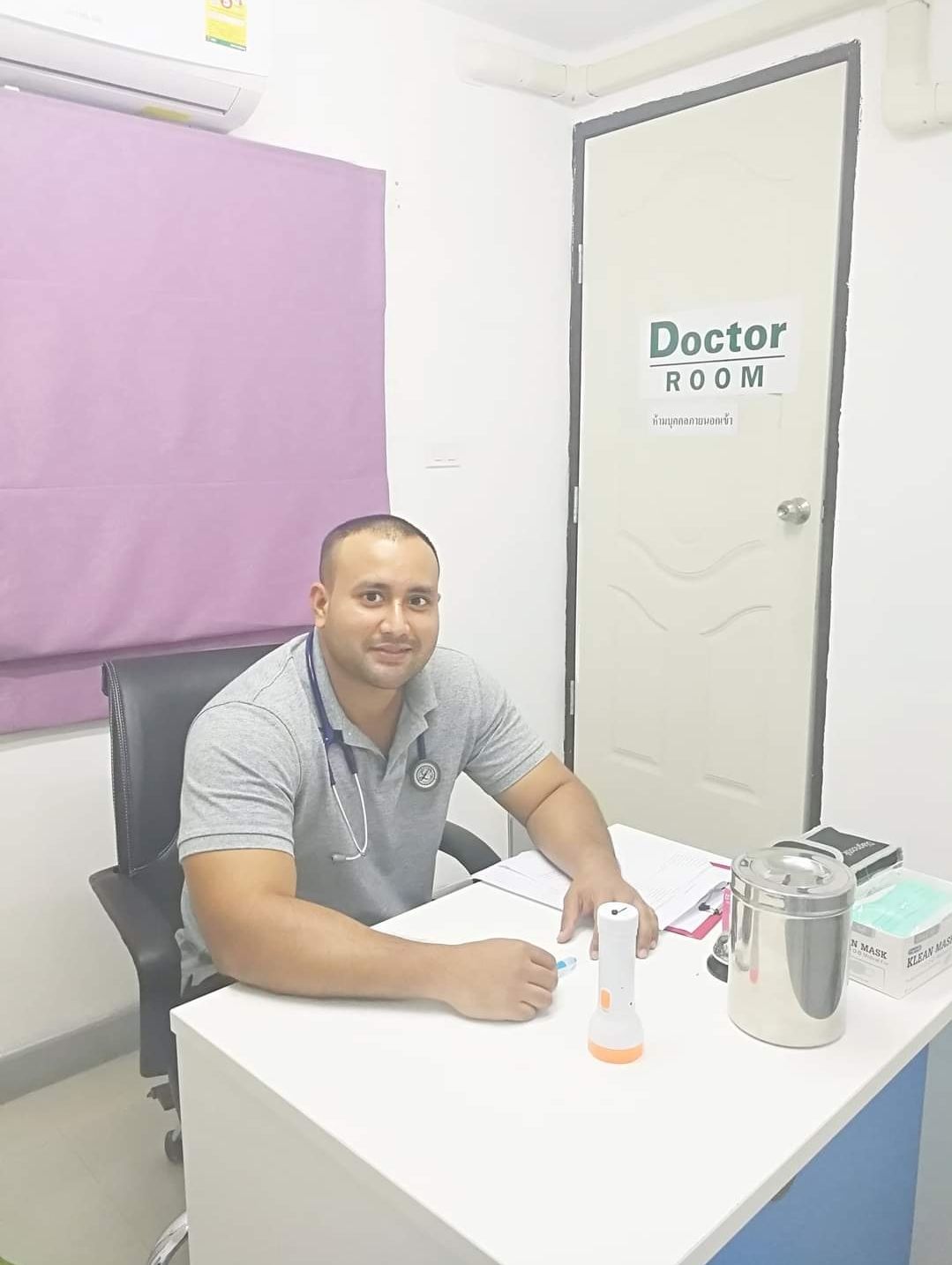
Dr. Ponlawat Pitsuwan is a physician at Doctor Bangkok, a private clinic in central Bangkok. He sees expats, residents, and medical tourists for general medicine, wellness consultations, and IV therapy. His focus is straightforward, evidence-based care delivered in plain language.